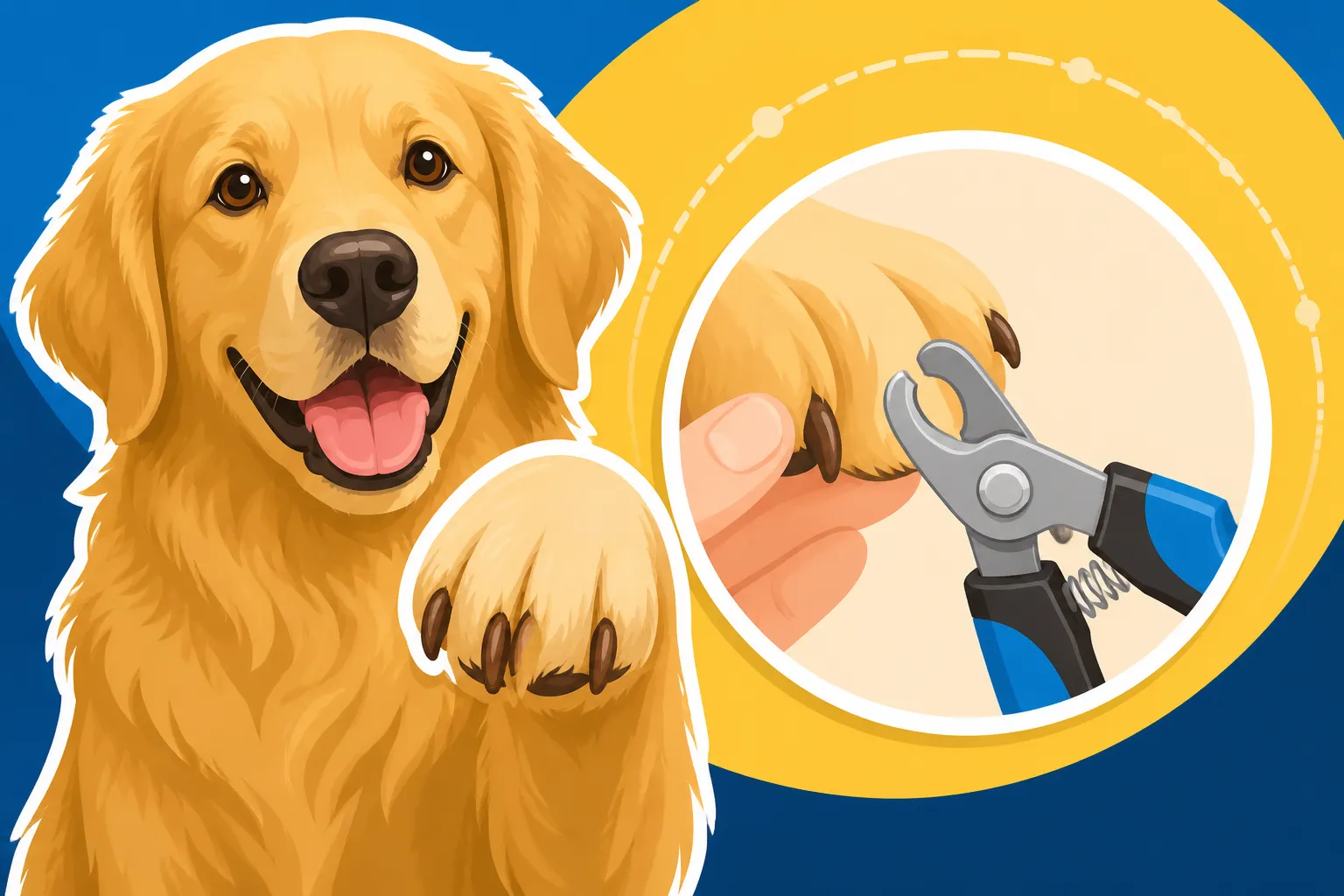
How Often a Golden Retriever Needs Nails Trimmed
One of the most common, yet often overlooked, aspects of caring for our beloved Golden Retrievers is regular nail trimming. Many owners find themselves anxious about it, perhaps dreading the struggle or fearing they might accidentally hurt their dog. But letting those nails grow too long can cause a surprising amount of discomfort, pain, and even long-term orthopedic issues for your happy-go-lucky companion. This comprehensive guide will help you understand precisely how often your Golden Retriever's nails need trimming, why it's so vital, and how to approach this essential grooming task with confidence and care.
The Critical Importance of Proper Nail Length for Golden Retrievers
It might seem like a small detail, but the length of your Golden Retriever’s nails has a profound impact on their overall comfort, posture, and joint health. Given their size and predisposition to certain orthopedic conditions, keeping their nails at an appropriate length is not just about aesthetics; it’s a preventative health measure.
Why Long Nails Are More Than Just an Aesthetic Issue
Imagine trying to walk around all day with shoes that are too small, constantly pushing your toes backward and making every step uncomfortable. That’s a bit like what a Golden Retriever experiences with overgrown nails. When a dog's nails grow too long, they hit the ground before the paw pads do, creating an unnatural pressure that forces the toes to splay and pushes the foot up and back. This changes the entire biomechanics of their gait, making walking painful and awkward.
Over time, this constant pressure and unnatural stance can lead to chronic pain in their feet, toes, and even higher up in their wrists, elbows, and shoulders. For a breed like the Golden Retriever, already susceptible to joint issues like hip and elbow dysplasia, this added stress can exacerbate existing conditions or even contribute to their development. It can lead to painful conditions like arthritis or cause a reluctance to move, which many owners might mistakenly attribute to just "getting old" rather than a fixable issue like overgrown nails. We often talk about Golden Retriever Weight and Joint Damage and how crucial it is to manage their weight, but proper nail care is an equally important, though often forgotten, piece of that joint health puzzle.
Understanding the Quick and Why It Matters
Inside each of your Golden Retriever’s nails is something called the "quick." This isn't just a fancy term; it's a living tissue that contains blood vessels and nerves. If you’ve ever accidentally trimmed too far back and seen a tiny bit of blood or heard your dog yelp, you’ve probably hit the quick. It's a painful experience for them and a stressful one for you.
The quick grows along with the nail, extending further down as the nail gets longer. This is why consistent and frequent trimming is so important. When nails are kept short, the quick naturally recedes, allowing you to trim the nails back further and further over time without causing discomfort. If nails are allowed to grow excessively long, the quick will also be long, making it impossible to trim the nails back to a healthy length in one go without causing pain. This creates a vicious cycle where owners avoid trimming due to past experiences of hitting the quick, allowing the quick to grow even longer and perpetuating the problem.
Factors Influencing Your Golden Retriever's Nail Trimming Schedule
There isn't a one-size-fits-all answer for how often to trim your Golden Retriever's nails. Just like humans, every dog is an individual, and their needs can vary significantly based on a few key factors. Understanding these will help you tailor a perfect schedule for your furry friend.
Activity Level and Environment Play a Huge Role
One of the biggest determinants of nail trimming frequency is your Golden's activity level and the surfaces they regularly walk on. Think about it: a Golden Retriever who spends hours romping on concrete sidewalks, asphalt paths, or even rocky trails will naturally wear down their nails much faster than a Golden who primarily ambles around a soft carpeted house or a grassy backyard.
For a highly active Golden who's frequently out hiking, jogging, or playing on abrasive surfaces, their nails might self-trim to a degree. You might find they only need a trim every 3-4 weeks, or sometimes even less frequently. However, even with active dogs, the dewclaws (the nails on the inside of their front legs, higher up) often don't touch the ground and will still require regular attention. On the other hand, a more sedate Golden, perhaps one living in an apartment or with limited outdoor access on hard surfaces, might need their nails trimmed every 1-2 weeks. Their nails won't have the benefit of natural abrasion, so it's entirely up to you, their devoted owner, to keep them in check. It's a critical consideration, especially for urban Goldens who might spend more time on softer indoor flooring or manicured parks.
Age and Health Considerations
Your Golden Retriever's age also plays a part in their nail care needs. Puppies, for instance, have softer, faster-growing nails and often need more frequent trims to get them accustomed to the process from a young age. This early exposure helps them develop a positive association with nail care, making it much easier as they grow. Regular, gentle handling of their paws, even without trimming, is invaluable during this stage.
As Golden Retrievers age, their nails can change. Senior Goldens might have thicker, more brittle nails that are harder to cut. They might also be less active, meaning their nails wear down less naturally. Moreover, older dogs are more prone to joint issues, and long nails can exacerbate the discomfort associated with conditions like Arthritis Signs in an Eight-Year-Old Golden or general Golden Retriever Arthritis and Joint Decline. For Caring for a Senior Golden Retriever, routine nail care becomes even more critical to maintain their mobility and comfort as they navigate their golden years. Health conditions can also indirectly affect nail growth or your dog's tolerance for trimming, so always discuss any concerns with your veterinarian.
Nail Color and Growth Rate Variability
Another factor is simply the genetic lottery of nail growth and color. Goldens, like many breeds, can have clear or dark nails. Clear nails make it much easier to see the pink quick inside, providing a clear guide for where to cut. Dark nails, however, are a bit more of a mystery, making owners understandably more hesitant to trim for fear of hitting the quick. This often means owners with dark-nailed Goldens might trim less frequently out of caution, leading to longer nails.
Individual growth rates also vary. Some Goldens just naturally have faster-growing nails than others. This isn't something you can change, but it is something you need to observe and adapt your trimming schedule around. Consistency is truly the key here. Instead of trying to adhere to a rigid schedule, it's better to assess your Golden's nails regularly – perhaps once a week – and trim them as needed, even if it's just a tiny bit at a time. This approach ensures the quick has ample opportunity to recede and keeps their paws in prime condition.
Recognizing When It's Time for a Trim: Signs to Watch For
While a calendar schedule is a good starting point, your Golden Retriever will give you clear signals when their nails are getting too long. Learning to recognize these cues will help you stay on top of their paw health and prevent discomfort.
The Tell-Tale Click and Paw Splaying
The most obvious and common sign that your Golden's nails need attention is the sound they make on hard floors. If you hear a distinct "click-click-click" as your Golden walks across your kitchen tiles, hardwood floors, or pavement, it means their nails are too long. Ideally, when your dog is standing still, their nails should not touch the ground at all. They should be short enough that you can slip a piece of paper underneath them.
When nails are excessively long, they act like levers, pushing the toes upwards and outwards. This causes the paw to splay, losing its natural tight, compact structure. This splaying isn't just unsightly; it puts unnatural stress on the toe joints and ligaments, which can lead to pain, inflammation, and even deformities over time. Imagine walking around with your toes constantly pushed out of alignment – it's uncomfortable and detrimental to their long-term foot health. This can also make walking on Slippery Floors and a Golden Retriever's Paws even more challenging, increasing the risk of slips and falls, especially for older or less stable dogs.
Posture Changes and Reluctance to Move
Long nails don't just affect the immediate paw; they can subtly alter your Golden Retriever's entire posture. To compensate for the discomfort and altered balance, a dog might shift their weight differently, adjusting their stance to avoid putting pressure on their sore toes. This can manifest as a "cow-hocked" appearance (where the hocks turn inward), or a general hunching of the back. This altered posture can then strain other joints, contributing to pain in the hips, knees, and back.
You might notice your typically energetic Golden becoming more reluctant to go for walks, jump up, or even play their favorite game of fetch. They might seem generally stiff or unwilling to bear weight fully. Sometimes, these subtle signs of discomfort can be mistaken for other issues, or simply attributed to aging, when in fact, the root cause could be something as simple as overgrown nails. If you observe your Golden showing Signs a Golden Retriever Is in Pain, a quick check of their nails should always be one of the first things you do, alongside consulting your vet. Addressing nail length can provide immediate relief and significantly improve their quality of life.
Tools, Techniques, and Training for Successful Nail Trims
Trimming your Golden Retriever’s nails doesn’t have to be a battle or a source of anxiety. With the right tools, a gentle approach, and consistent positive reinforcement, you can make it a manageable, even routine, part of their care.
Choosing the Right Tools for Your Golden
Having the right equipment makes all the difference. There are generally two main types of nail trimmers you'll find, plus grinders:
- Guillotine-style clippers: These have a small hole where you insert the nail, and a blade slices it off as you squeeze the handle. They work well for medium to large breeds like Golden Retrievers but require careful positioning.
- Scissor-style clippers (Plier-style): These resemble a pair of pliers with a curved cutting edge. Many owners find these easier to handle and more forgiving, especially for very thick nails.
- Nail Grinders (Dremels): These electric tools grind the nail down instead of clipping it. They are fantastic for dogs with black nails where the quick is hard to see, as they allow for slow, controlled removal of nail layers, minimizing the risk of hitting the quick. They also create a smoother finish, preventing sharp edges. However, they can be noisy and vibrate, which some dogs find alarming, so desensitization is key.
You'll also need styptic powder (or a styptic pencil) on hand. This is a crucial safety net. If you accidentally nick the quick, this powder will stop the bleeding quickly. You can find all these essential grooming tools readily available on Chewy or Amazon, often with helpful reviews from other dog owners.
Here's a quick comparison of the two main types of trimming tools:
| Feature | Guillotine Clippers | Scissor-Style Clippers (Plier) | Nail Grinder (Dremel) |
|---|---|---|---|
| Ease of Use | Good for experienced users, requires precision | Often preferred by beginners, more intuitive | Requires desensitization due to noise/vibration |
| Nail Type | Best for average nails, can crush brittle nails | Good for all nail types, including very thick or brittle | Excellent for dark nails, thick nails, or shaping |
| Risk of Quick | Moderate, especially with dark nails | Moderate, especially with dark nails | Low, allows for gradual removal |
| Finish | Can leave sharp edges | Can leave sharp edges | Smooth, rounded finish |
| Speed | Fast | Fast | Slower, but precise |
| Cost | Generally affordable | Generally affordable | Higher initial cost |
Mastering the Trimming Technique Without Stress
The key to successful nail trims is a calm, confident approach and positive reinforcement. Here’s a basic technique, but remember, every dog is different, and patience is your best friend.
- Preparation: Gather your tools, including clippers/grinder, styptic powder, and plenty of high-value treats. Find a quiet, well-lit space where both you and your Golden can be comfortable.
- Positioning: Have your Golden lie down or sit comfortably. Many people find having the dog lie on their side works well. Gently hold one paw, making sure to support the joint.
- Identify the Quick: For clear nails, you'll see a pink area (the quick) inside the nail. You want to cut just before this pink area, where the nail is translucent. For dark nails, it's trickier. You'll be looking for a small, dark dot or oval in the center of the clipped surface of the nail – this indicates you're getting close to the quick. When in doubt, take off tiny, thin slices. It’s always better to take off too little than too much.
- The Cut: Angle the clippers so you're cutting the tip straight across, or with a slight angle downwards, following the natural curve of the paw. Make a quick, decisive cut. If using a grinder, touch the grinder to the nail for only a few seconds at a time, allowing the nail to cool, then move to the next nail.
- Treat and Praise: After each nail, or even after just one or two successful cuts, immediately give your Golden a treat and lavish them with praise. Make it a positive experience!
- Repeat: Move to the next nail. If your Golden gets stressed, stop for a bit and try again later or the next day. Short, frequent sessions are much better than one long, traumatic one.
- Desensitization: If your Golden is fearful, start by just letting them see and smell the clippers or grinder, followed by treats. Then, touch the tools to their paws without trimming, followed by treats. Gradually build up to actual trimming. This positive association is crucial for long-term success. Even simply handling their paws regularly, rubbing them, and giving treats, will help desensitize them to the process.
For those of us who prefer to manage grooming tasks at home, mastering nail trims is a huge step in Grooming a Golden Retriever at Home to Save Money.
When Professional Help is the Best Option
Sometimes, despite our best efforts, trimming nails at home just isn't feasible. Perhaps your Golden Retriever has an extreme aversion to clippers or grinders, becoming overly stressed or even aggressive. This is particularly common if they've had a traumatic experience hitting the quick in the past. Or, maybe you have a Golden with very thick, black nails, and you simply can't see the quick, making you understandably nervous about doing it yourself.
In these situations, it's perfectly okay and often advisable to seek professional help. Your veterinarian or a professional groomer are excellent resources. Vets can often trim nails quickly and efficiently, especially if sedation is needed for extremely anxious dogs. They can also advise on any underlying health issues that might be making nail trimming difficult. Professional groomers are experts at handling all sorts of temperaments and have specialized tools and techniques to make the process as smooth as possible. Don't feel like you've failed if you need to go this route; ensuring your Golden's comfort and safety is always the top priority. While it does add to your Routine Vet Costs for a Golden Retriever, it's a small price to pay for their well-being. Regular trips to the groomer might become part of your Professional Grooming Frequency for a Golden routine, and they can ensure your Golden’s paws are always in tip-top shape.
Ultimately, how often a Golden Retriever needs nails trimmed depends on a dynamic interplay of their lifestyle, health, and individual nail growth. While a general guideline is every 2-4 weeks, the most accurate schedule will be determined by observing your own dog and responding to their specific needs. By prioritizing consistent, positive nail care, you're not just preventing painful problems; you're actively contributing to your Golden Retriever's comfort, mobility, and overall happiness for years to come.
Disclaimer
This article is for general informational purposes only and does not constitute professional advice. Laws, prices and regulations vary by location and change over time. Consult a qualified professional for guidance on your specific situation.