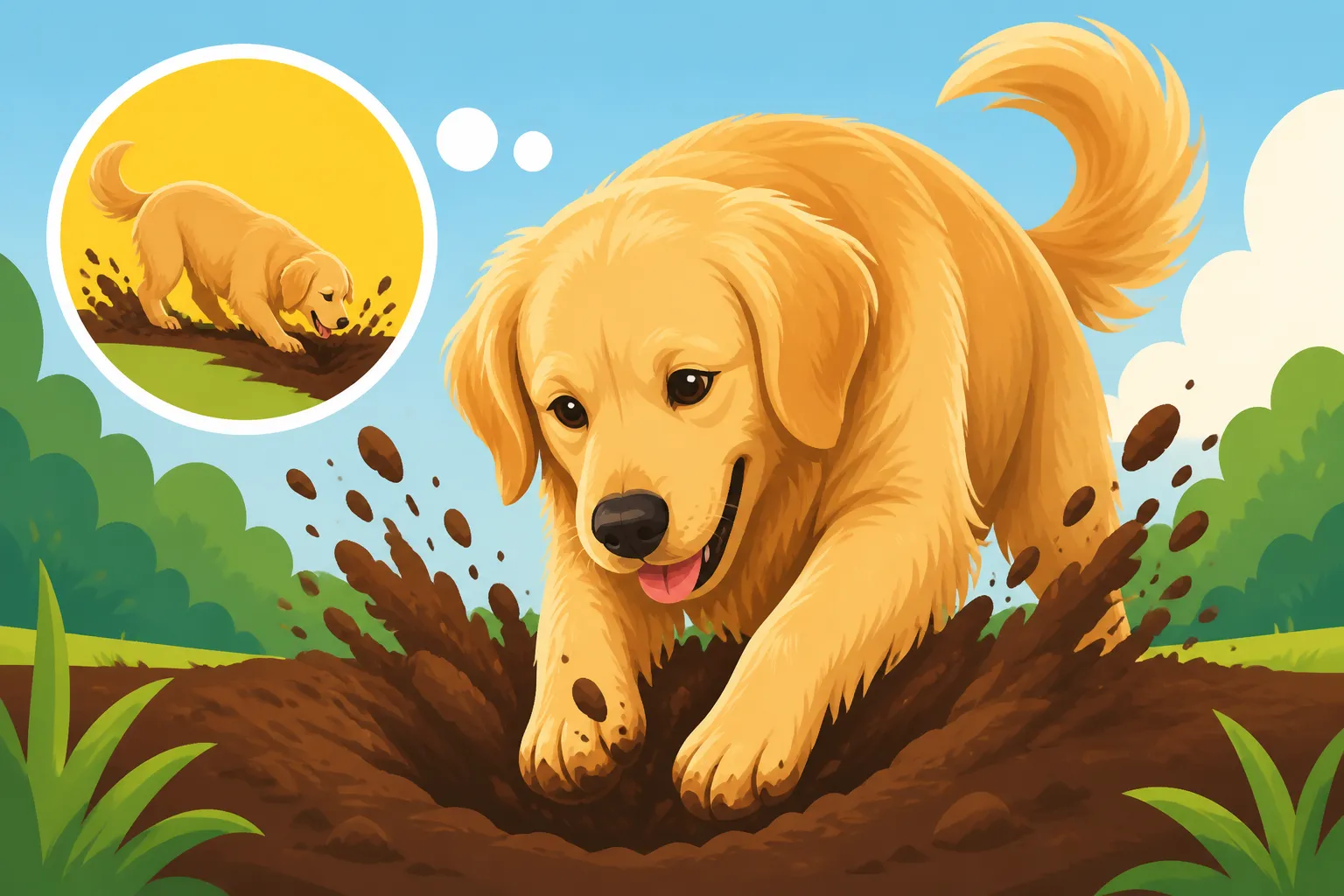
Digging Behavior in Golden Retrievers
It’s a sight many Golden Retriever owners know all too well: you step outside to find your beautiful, meticulously cared-for lawn transformed into a lunar landscape of craters and muddy paw prints. The frustration can be immense, wondering why your sweet, intelligent Golden seems intent on redecorating the yard with holes. This guide is here to help you unravel the mysteries behind your Golden Retriever's digging habit, understand the motivations behind it, and equip you with practical, empathetic strategies to manage and redirect this natural, yet often destructive, behavior.
Understanding Why Your Golden Retriever Digs
Golden Retrievers are a fantastic breed, known for their intelligence, loyalty, and boundless energy. But sometimes, those wonderful traits manifest in ways that are less than ideal for our gardens. Digging isn't usually an act of defiance; it's almost always driven by instinct, boredom, or some underlying need. Pinpointing why your particular Golden is digging is the first crucial step toward finding a solution.
Instinctual Drives and Genetic Predisposition
Let's remember, Golden Retrievers were originally bred as working dogs, specifically to retrieve fowl for hunters. This job required them to be active, intelligent, and sometimes, to follow scent trails or investigate interesting smells. While not typically "terriers" known for digging to unearth prey, Goldens still possess a keen sense of smell and a natural curiosity about what lies beneath the surface.
Think about it: the ground is a fascinating place to a dog. There are roots, bugs, cool soil, and the lingering scent of critters that have passed through. It’s an entire world for them to explore. Some Goldens, especially those with stronger "field line" genetics, might have a heightened instinct to dig in pursuit of a perceived rodent or simply to "catch" a scent that's particularly intriguing. It's not malicious; it's just them being a dog, following their nose and instincts. This deep-seated drive makes understanding, rather than just punishing, the behavior so important.
Boredom and Lack of Mental or Physical Stimulation
This is perhaps the most common culprit behind destructive digging in our Goldens. A bored Golden Retriever is a creative Golden Retriever, and their creativity often involves moving dirt. These dogs are smart and energetic; they need a job to do, even if that job is just playing fetch or learning new tricks.
If your Golden isn't getting enough physical exercise, like daily walks, runs, or vigorous play, they have all this pent-up energy that needs an outlet. Digging can be a fantastic physical workout! Similarly, if they lack mental stimulation—think puzzle toys, training sessions, or engaging scent work—their intelligent minds will look for ways to entertain themselves. That little gopher hole might start as an investigation and quickly evolve into a full-blown excavation project because, frankly, it’s exciting! Many times, a Golden left alone for long stretches with nothing to do will resort to digging out of sheer boredom, turning the yard into their personal amusement park. This is where engaging activities become vital to keep their paws and minds busy. Mental Enrichment for a Bored Golden Retriever is an excellent resource for ideas here.
Common Digging Scenarios and Their Triggers
Digging isn't a monolithic behavior; it can look different depending on what's triggering it. Observing when and where your Golden digs can give you huge clues about the underlying reason. Is it always in the same spot, or does it vary? Is it when they’re alone, or when you’re out there with them?
Escaping and Exploring
Ah, the great escape artist! Many Goldens, especially adolescents or those with a strong desire to explore, will dig near fences. This isn't usually about being disloyal or wanting to leave you forever. It's often a combination of curiosity about what's on the other side and a drive to expand their territory. Maybe a squirrel taunted them from the neighbor's yard, or perhaps they caught a whiff of something irresistibly interesting a few houses down.
If you find holes primarily along your fence line, particularly under gates or at corners, it's a strong indicator that your Golden is trying to either get out or investigate something beyond their current boundaries. This type of digging can be particularly dangerous, as an escaped dog faces many hazards. This might also be exacerbated if they are under-socialized and feel more compelled to seek out novelty on their own. For tips on ensuring your yard is secure, check out Fencing a Yard for a Golden Retriever.
Seeking Comfort or Coolness
Imagine it's a sweltering summer day, and your Golden Retriever, with their glorious double coat, is feeling the heat. What's a smart dog to do? Dig! The earth just a few inches below the surface can be significantly cooler than the ambient air or sun-baked grass. Many Goldens will dig shallow depressions in shaded areas, or even right in the open, and then plop down in their freshly dug "nest" to enjoy the cooler soil against their belly.
Similarly, digging can be a form of comfort-seeking. A den-like instinct might kick in, especially if your Golden doesn't have a comfortable, shaded, and cool resting spot outdoors. This isn't destructive digging in the same aggressive way as an escape attempt, but it can still wreak havoc on your landscaping. Pay attention to the weather and your dog's access to shade and water.
Anxiety and Stress Relief
Just like humans fidget or pace when stressed, some dogs turn to digging as a coping mechanism. If your Golden is experiencing separation anxiety, boredom, or general stress, digging can be a way to expend nervous energy. You might notice this kind of digging more often when you're away from home or when there's a new stressor in their environment, such as construction noise or new neighbors.
This digging might seem frantic or relentless, often accompanied by other signs of anxiety like excessive barking, pacing, or destructive chewing indoors. It’s important to address the root cause of the anxiety rather than just trying to stop the digging itself. Consulting a professional dog trainer or a veterinary behaviorist might be necessary for severe cases. Learning to recognize Golden Retriever Separation Anxiety Signs is critical here.
Strategies to Manage and Redirect Digging
Once you've got a handle on why your Golden is digging, you can start implementing effective strategies. The goal isn't just to stop the digging, but to meet their underlying needs in a more appropriate way. It’s all about redirection and providing better, more acceptable outlets for their natural behaviors.
Increasing Exercise and Mental Stimulation
This is foundational for any active, intelligent breed like a Golden Retriever. A tired dog is a good dog, and a mentally stimulated dog is less likely to invent their own (often destructive) games.
First, let's talk about physical exercise. Your Golden needs more than a quick stroll around the block. Aim for at least 60-90 minutes of vigorous exercise daily, broken into a couple of sessions. This could be a long walk, a run, a game of fetch in the park, or even swimming. Many Goldens absolutely adore swimming, and it’s a fantastic way to burn off energy without stressing their joints too much. For more ideas, read Exercise a Golden Retriever Needs Each Day. The point is to make sure they're genuinely tired, not just casually walked. If they're still bouncing off the walls after a decent walk, they likely need more.
Next, mental stimulation. Goldens thrive on having something to think about. Introduce puzzle toys where they have to work for their treats. Snuffle mats are also great for encouraging their natural scent-seeking abilities. Dedicate 15-20 minutes a day to training sessions, teaching new commands or refining old ones. Even simple obedience work can be mentally taxing for a dog. Consider enrolling in an online training program like BAXTER & Bella, which offers structured lessons and support for tackling various behaviors, including channeling that energetic Golden drive into constructive learning. Scent work, where you hide treats and encourage your dog to find them, is also a fantastic way to engage their amazing noses and minds.
Creating a Designated Digging Zone
This is often the most successful strategy because it acknowledges your Golden's natural instinct to dig and provides an approved outlet for it. Instead of fighting against their nature, you're channeling it.
Choose an area in your yard that's out of the way, perhaps a corner or a spot you don't mind getting a little messy. This could be a sandbox, a designated dirt patch, or even a raised garden bed filled with loose soil. The key is to make it super appealing for digging. Bury some of their favorite toys, chew bones, or high-value treats (like a Kong stuffed with peanut butter) just under the surface. At first, you might need to actively encourage them. Bring them to the digging zone, show them where the treasures are, and praise them enthusiastically when they start digging there. You can even dig a little yourself to get them started!
When you catch them digging elsewhere, gently redirect them to their digging zone. Don't scold them for digging in the "wrong" spot; simply lead them to the "right" spot and re-engage them there. Over time, they'll learn that this is the fun, acceptable place to dig. Maintaining the appeal by regularly "salting" it with new buried treasures will keep them coming back to their designated spot.
Deterrents and Environmental Management
Sometimes, despite your best efforts at redirection, a Golden will persist in digging up certain "forbidden" areas. In these cases, a combination of mild deterrents and careful environmental management can be helpful, but always ensure they have an acceptable alternative for their digging urges.
For specific areas you want to protect, like flower beds or vegetable patches, consider making them less appealing. Some people use natural deterrents like citrus peels, cayenne pepper (sparingly, as it can irritate eyes/nose), or even spreading chicken wire just under the soil surface in the problem area. The chicken wire creates a barrier that's uncomfortable to dig through but won't harm your dog. You can find these types of supplies on Amazon for convenience. Another option is to place large, heavy rocks or landscaping timbers in the favorite digging spots, physically blocking access.
If your Golden is digging to cool off, ensure they have ample shade, fresh water, and a cooling mat or a kiddie pool readily available during warmer months. For escape digging along fence lines, burying a section of fencing or chicken wire horizontally a foot or two out from the base of the fence can create an "L-shaped" barrier that discourages digging under. Always supervise during outdoor time, especially initially, to reinforce the desired behavior.
| Digging Motivation | Common Signs / Triggers | Management Strategies | Acceptable Alternatives |
|---|---|---|---|
| Boredom/Excess Energy | Random holes, digging when unsupervised, destructive behavior indoors | Increase physical exercise, mental games, training | Puzzle toys, long walks, fetch, scent games, agility |
| Hunting/Predator Drive | Digging in specific spots, sniffing intently, focused effort | Secure yard from rodents, designate digging spot, supervise outdoors | Supervised "ratting" games, puzzle toys, flirt pole |
| Escape/Exploration | Digging along fence lines, under gates, near property boundaries | Reinforce fence, use L-footer barriers, increase security | More frequent walks, new walking routes, designated digging zone |
| Comfort/Cooling | Shallow pits in shaded areas, especially in warm weather | Provide shade, cool water, cooling mats, kiddie pool, elevated beds | Designated cooling spots, water play, access to indoor cool areas |
| Anxiety/Stress | Frantic digging, coupled with pacing, whining, destructive chewing | Address anxiety root cause, increase structured interaction, vet/behaviorist consult | Calming supplements, training, secure routine, more companionship |
When to Seek Professional Help
While many digging behaviors can be managed with consistent training and environmental adjustments, there are times when it's best to call in the experts. Recognizing these situations can save you a lot of frustration and ensure your Golden gets the right kind of support.
Persistent, Destructive, or Dangerous Digging
If your Golden Retriever's digging is relentless, causing significant damage to your property, or worse, putting them in danger, it's a sign that the current strategies aren't enough. Perhaps they're digging up electrical lines, getting into toxic plants, or successfully escaping the yard with alarming frequency. If you've tried all the common interventions – increasing exercise, mental stimulation, creating a digging pit – and the behavior persists or escalates, it's time to consider professional help.
This kind of digging might be rooted in a deep-seated behavioral issue that requires a more nuanced approach. A certified professional dog trainer or a veterinary behaviorist has the expertise to thoroughly assess your Golden's specific situation, identify subtle triggers you might be missing, and develop a tailored modification plan. They can help distinguish between simple boredom and more complex issues like severe separation anxiety or compulsive behaviors, which might require a different set of tools and possibly even medication in conjunction with training. Finding Choosing a Positive Reinforcement Trainer for a Golden can guide you to the right professional.
Suspected Underlying Medical or Behavioral Conditions
Sometimes, what appears to be "just digging" can actually be a symptom of a deeper problem. If your Golden's digging has started suddenly, or if it's accompanied by other unusual behaviors, a trip to the vet should be your first step. For instance, excessive digging at their own body could indicate a skin allergy or irritation, while frantic digging at specific spots in the yard might be a sign they're trying to get to something they shouldn't, or even reacting to an internal discomfort.
Beyond medical issues, behavioral conditions like obsessive-compulsive disorder (OCD) or severe anxiety can manifest as excessive digging. In these cases, a veterinary behaviorist – a vet with specialized training in animal behavior – is often the most appropriate professional. They can conduct a thorough evaluation, rule out any medical causes, and prescribe appropriate behavioral medications if necessary, alongside a comprehensive behavior modification plan. Trying to address these complex issues without professional guidance can be frustrating and often ineffective, potentially worsening the problem.
Providing an Acceptable Digging Pit
Let’s dive a bit deeper into creating that awesome digging zone. This isn't just about throwing some dirt in a corner; it's about making it the most exciting place in the yard for your Golden to unleash their inner excavator. The success of this strategy hinges on making the designated spot consistently more rewarding than any other area.
Choosing the Right Location and Materials
The first step is picking the perfect spot. Look for an area of your yard that’s relatively out of the way, perhaps a corner, under a shady tree, or even against a fence line where they might already be showing interest. It should be a place where you don't mind a bit of a mess.
As for the structure, you have a few options. A simple, excavated pit about 3-4 feet square and 1-2 feet deep works well. You can line the bottom with a layer of gravel for drainage, then fill it with loose soil or sand. Sand is often a great choice because it's easy to dig and less muddy. If you're feeling a bit more ambitious, you could use a child's sandbox (without the lid, of course!) or even build a simple wooden frame to contain the sand. The key is to ensure the materials are safe for your dog – no sharp edges or chemically treated wood. Make sure it's big enough for your Golden to comfortably get in and dig around without feeling cramped. You can find pre-made sandboxes or large plastic tubs suitable for this purpose on Amazon.
Once the pit is ready, the real fun begins. Start by burying some irresistible "treasures" just beneath the surface. Think durable chew toys, long-lasting dental chews, or even a Kong filled with a frozen treat. The initial discovery is crucial for building positive association.
Training Your Golden to Use the Digging Pit
Consistency and positive reinforcement are your best friends here. When you first introduce the pit, take your Golden directly to it. If they show any interest, even just sniffing, praise them immediately with an excited "Good job!" You might even need to "bait" the pit by letting them see you bury a treat. Guide their paw to the spot, encourage them to dig it up, and when they find the treasure, celebrate like they've just won the lottery.
Every time you catch your Golden digging anywhere else in the yard, gently but firmly interrupt them. Don't scold or punish; simply say "Uh-oh, no digging here!" and immediately redirect them to their designated digging pit. As soon as they engage with the pit, even a tiny scratch, shower them with praise and perhaps another buried treat. The idea is to make the pit the only place where digging is rewarded and allowed.
This process will take time and patience, especially for a Golden who has already developed a habit of digging elsewhere. Supervise them often during their outdoor time, especially in the early stages of training. Over time, your Golden will learn that the digging pit is their special place, a place where they can indulge their natural urges and get rewarded for it. Regularly refreshing the buried treasures will keep the pit exciting and prevent them from getting bored and reverting to old habits. Giving a Golden Retriever a Digging Pit provides additional insights into this training.
Dealing with Digging After the Fact
Even with the best preventative measures and redirection, sometimes your Golden will still manage to create a new crater where your prize-winning petunias once stood. It happens! Learning how to react in these moments, and how to repair the damage, is part of being a Golden Retriever parent.
Repairing the Damage and Preventing Recurrence
Discovering a freshly dug hole can be disheartening, especially if it's in a spot you’ve tried to protect. Your first instinct might be frustration, but try to remember that your Golden isn't trying to upset you. If you catch them in the act outside of their designated digging spot, use your redirection technique: interrupt with a gentle "no" and immediately lead them to their digging pit. If they start digging there, praise them. If you discover a hole after the fact, simply clean it up and reinforce your training going forward. Scolding a dog for something they did hours ago is ineffective, as they won't connect the punishment to the past action.
To repair the physical damage, carefully refill the hole with soil, compacting it firmly. If a plant was dug up, try to replant it, ensuring the roots are properly covered. For lawn areas, you might need to reseed or lay down a patch of sod. Preventing recurrence in that specific spot means making it less appealing. This is where those mild deterrents come in handy – placing large rocks, logs, or even a temporary barrier over the area until your Golden has fully adopted their designated digging pit. Sometimes, simply ensuring the ground is firm and compacted in those forbidden areas makes them less inviting for digging.
Maintaining Vigilance and Long-Term Management
Managing digging behavior is often a long-term commitment, not a one-time fix. Golden Retrievers are smart, and they are masters of routine. If their needs for exercise, mental stimulation, and a safe digging outlet are consistently met, the problematic digging should significantly decrease.
However, life happens! There might be days when you're too busy for a long walk, or you forget to "salt" the digging pit. Be prepared for occasional relapses, especially during periods of stress, changes in routine, or particularly exciting outdoor scents (hello, neighborhood squirrel convention!). This is where your ongoing vigilance comes in. Keep an eye on their outdoor activities. Regularly refresh the treasures in their digging pit. Continue with daily training and exercise routines. Consider rotating their puzzle toys to keep things fresh and engaging.
Think of it as an ongoing dialogue with your Golden. They tell you they have an urge to dig, and you consistently respond by showing them the acceptable way to do it. Over time, with patience and consistency, your Golden Retriever will understand the rules, and you'll both enjoy a much more peaceful, hole-free existence.
Disclaimer
This article is for general informational purposes only and does not constitute professional advice. Laws, prices and regulations vary by location and change over time. Consult a qualified professional for guidance on your specific situation.