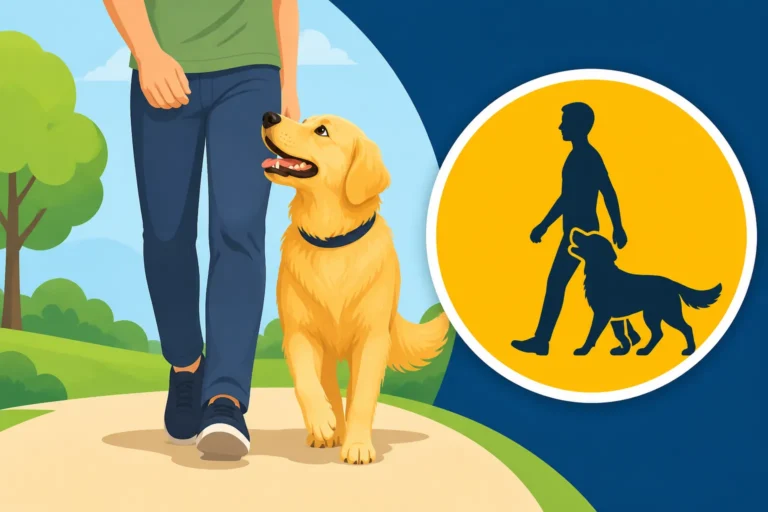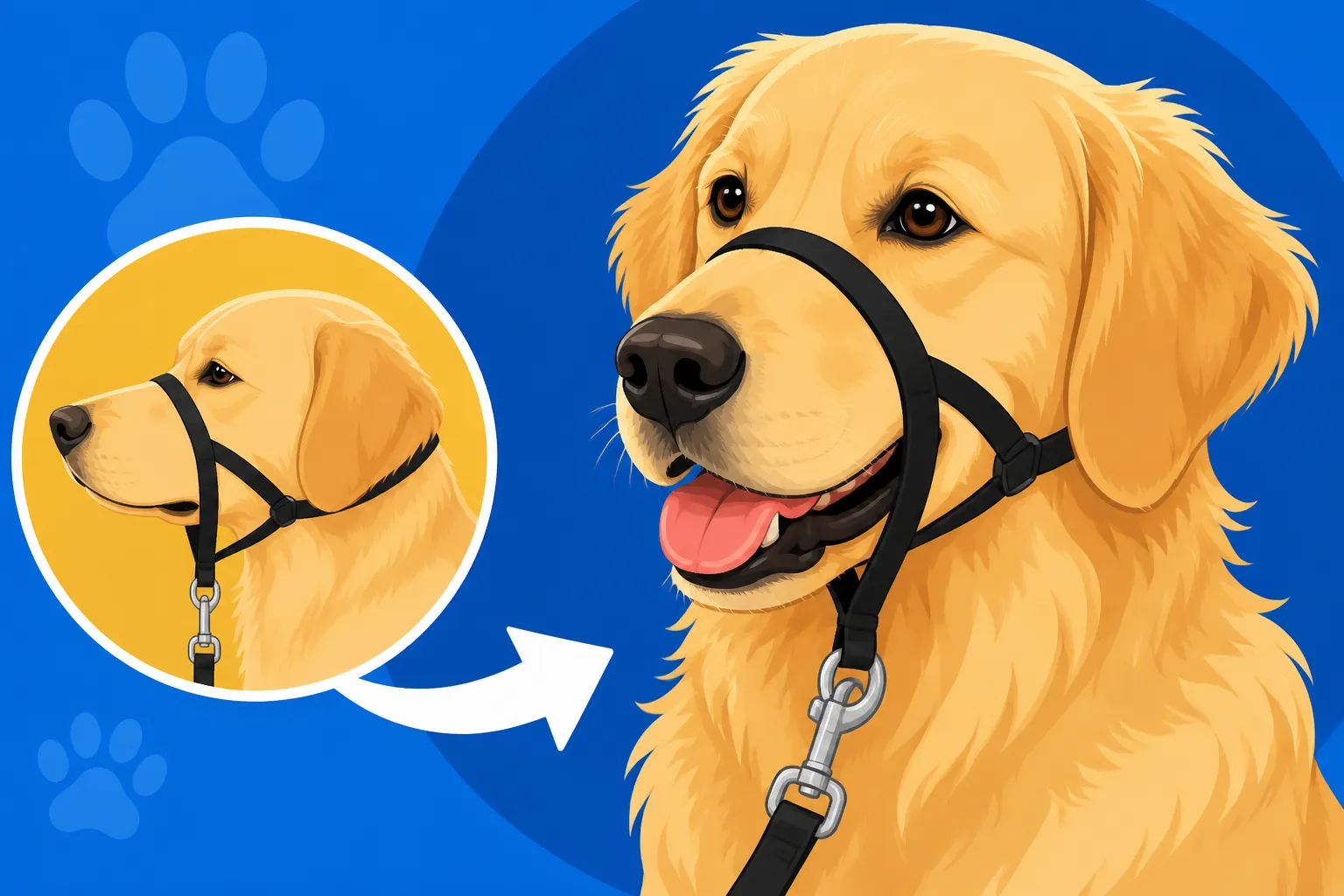
Head Halters on a Golden Retriever
It's a familiar sight: your beautiful Golden Retriever, full of enthusiasm, nearly yanking your arm off during what should be a peaceful walk. Dealing with a strong Golden on a leash can be incredibly frustrating, leaving you feeling defeated and dreading walks. While many tools promise relief, the head halter is a gentle yet highly effective option that gives you back control. This guide will explore how head halters work, why they can be a game-changer for your Golden, and how to introduce them properly to ensure a positive experience.
Understanding What a Head Halter Is
Before we dive into why a head halter works so well for many Golden Retrievers, it’s important to understand what this tool actually is and what it isn't. Sometimes, people mistake head halters for muzzles, which is a common misconception that can lead to unnecessary fear or resistance from owners. A head halter is a specific type of training collar designed to give you more control over your dog's head, and by extension, their body.
How a Head Halter Works to Prevent Pulling
A head halter, often called a head collar or sometimes a gentle leader, consists of two main loops: one that goes around your dog's neck, similar to a regular collar, and another that loops over their muzzle. The leash then clips to a ring located under the chin. This design works on a few key principles. First, it gives you steering power. Imagine trying to lead a horse by a rope attached to its chest versus a halter on its head – the latter offers far more directional control. When your Golden starts to pull, a gentle tug on the leash turns their head sideways, redirecting their attention and making it physically uncomfortable (though not painful) for them to surge forward.
Secondly, head halters utilize the natural reflex of a dog to move in the direction their head is pointing. If their head is turned sideways, their body naturally follows. This makes it very difficult for them to continue pulling with all their might. It's a method of gentle leverage rather than brute force, which is much kinder than a choke or prong collar, and often more effective for persistent pullers than just a front-clip harness alone. The pressure is distributed across the muzzle and the back of the neck, rather than concentrating on the throat, which can cause discomfort or even injury.
Distinguishing Head Halters from Muzzles
It's crucial to clarify that a head halter is not a muzzle, even though it goes over the dog's snout. A muzzle is designed to prevent a dog from biting, typically restricting their ability to open their mouth fully. While some muzzles might look similar in their placement, a head halter allows your Golden Retriever to fully open their mouth to pant, drink water, eat treats, and even bark if they choose. This is vital for their comfort and safety, especially during exercise or in warm weather. Panting is a primary way dogs regulate their body temperature, so any tool that restricts this is dangerous.
The purpose of a head halter is purely for training and control during walks, focusing on redirecting the head to guide the body and discourage pulling. Your Golden should be able to breathe freely, accept treats easily, and drink without issue while wearing it. If you're considering purchasing one, whether from a large online retailer like Amazon or a specialized pet store, double-check that the product specifically states it is a head halter or head collar for walking, not a muzzle for bite prevention. Understanding this distinction can also help you explain it to curious passersby who might misunderstand the device on your beloved Golden.
Why a Head Halter Might Be Right for Your Golden Retriever
Golden Retrievers are wonderful dogs, known for their friendly dispositions and boundless energy. However, that enthusiasm, combined with their strength, can sometimes make leash walking a significant challenge. If you've tried everything and still find yourself being pulled down the street, a head halter could be the solution you've been looking for.
Addressing the Strong Pulling Instinct of a Golden
Goldens were originally bred as retrieving dogs, and they possess a strong desire to move forward, explore, and "get" things. This inherent drive, coupled with their robust build, means that when they decide to pull, they can put a lot of force into it. A standard collar on their neck gives them all the leverage they need to drag you along, often making walks stressful for both of you. You might find yourself dreading outings, or worse, avoiding them altogether, which is unfair to a breed that thrives on activity and mental stimulation.
A head halter can effectively counteract this natural pulling instinct. By gently guiding their head, you immediately break their momentum and make it clear that pulling won't get them where they want to go. This isn't about punishment; it's about clear communication. When your Golden pulls, their head turns, and they stop moving forward. When they slacken the leash, their head goes back to normal, and you both continue walking. This immediate feedback loop is incredibly effective for teaching them loose-leash manners, turning dreaded walks into enjoyable strolls. Many owners report a dramatic improvement on the very first walk. Loose Leash Walking With a Golden Retriever is a skill that becomes much easier to teach with the right tools.
Safety and Control for You and Your Dog
Beyond just comfort, a head halter offers enhanced safety. A strong, determined Golden Retriever can pull their owner into traffic, cause a fall, or bolt after a squirrel, leading to dangerous situations. For owners with physical limitations, or even just those who are tired of being yanked around, a head halter can restore confidence and control. You no longer have to worry about losing your grip or being overwhelmed by your dog's strength. This added sense of security encourages more frequent and longer walks, which is beneficial for your Golden's physical and mental health.
Moreover, head halters prevent potential neck and throat injuries that can occur with traditional collars when a dog pulls hard or jerks suddenly. The pressure distribution is much more humane. For a breed like the Golden Retriever, which can be prone to certain neck or spinal issues later in life, reducing strain on the throat is a significant advantage. It allows you to maintain control without causing discomfort or potential harm, making it a responsible choice for your dog's long-term well-being. Think of it as power steering for your dog!
Introducing Your Golden Retriever to a Head Halter
Just like any new piece of equipment, introducing a head halter requires patience, positive reinforcement, and a gradual approach. You can't just slap it on and expect your Golden to love it; remember their sensitive nature. The goal is for them to associate the halter with positive experiences.
Making Initial Associations Positive
The very first step is to make the head halter seem like the best thing since sliced bread, or rather, since their favorite high-value treat. Don't even try to put it on them at first. Simply hold the halter, let your Golden sniff it, and immediately offer a delicious treat. Repeat this several times over a short session. You want them to think, "Oh, that thing means good stuff!" If you're following a structured training program like those offered by BAXTER & Bella, they often emphasize these foundational positive associations.
Next, gently touch the halter to their nose, then treat. Gradually work up to slipping the nose loop over their muzzle for just a second or two, then immediately remove it and give a treat. The key is short durations and immediate rewards. Many Golden Retrievers are very food motivated, so use this to your advantage! Keep these sessions brief and fun, always ending on a positive note. Do this a few times a day until they seem comfortable with the sensation. Best Treats for Training a Golden Retriever will be invaluable here.
Gradual Acclimation and First Walks
Once your Golden is comfortable with the nose loop going on and off, you can try fastening the neck strap. Let them wear it for a few seconds, treat, and remove. Slowly increase the duration, always pairing it with treats, praise, or a favorite activity like a quick game of fetch. Let them wear it around the house for short periods while supervised, giving them treats every few minutes. Don't attach the leash yet. They might try to paw at it or rub their face, which is normal. Distract them with treats or play.
When they seem fully comfortable wearing the halter for several minutes at a time without fussing, it's time for the first walk. Clip the leash to the head halter, but also have a backup leash on their regular collar for added security and control if needed. Start in a low-distraction environment, like your backyard or a quiet street. Keep the walk very short and focus on praising and treating them for walking nicely on a loose leash. If they pull, simply stop, wait for the leash to slacken, then continue. The head halter does most of the work for you, gently turning their head. Over time, as they get used to it, you'll find Leash Manners for a Strong Golden Retriever are much easier to achieve.
Troubleshooting Common Head Halter Challenges
It's not uncommon for Golden Retrievers to initially resist a head halter. They might try to paw it off, rub their face on the ground, or act a bit dramatic. This is usually due to the unfamiliar sensation of something on their muzzle, not pain or discomfort. It's similar to how a dog might react to a new harness or even a coat. The important thing is not to give in to their protests by removing it while they are struggling, as this teaches them that fussing gets it taken off.
Instead, when they paw at it, redirect their attention with a treat or a toy. Ask for a "sit" or "watch me" command and reward them. Keep them moving and engaged. If the pawing is persistent, check the fit – it should be snug enough that they can't easily get it off, but not tight. You should be able to fit one finger under the nose loop. Ensure the neck strap sits high on the neck, behind the ears, much like a slip lead or martingale collar would, to prevent it from slipping down. Some owners find that having a dedicated trainer or behaviorist from a service like BAXTER & Bella guide them through the fitting and initial introduction can make a huge difference, especially if their Golden is particularly resistant.
Head Halter Best Practices and Considerations
While a head halter can be a fantastic tool, it's important to use it correctly and thoughtfully. It's not a magic bullet, but rather a training aid that complements consistent positive reinforcement.
Proper Fit and Sizing
The effectiveness and comfort of a head halter largely depend on its proper fit. A head halter that is too loose can slip off or twist uncomfortably, while one that is too tight can cause rubbing or restrict panting. Generally, the nose loop should sit high on the bridge of the nose, just below the eyes, and allow your Golden to open their mouth fully to pant and accept treats. The neck strap should be snug, sitting high behind the ears, to prevent the nose loop from being pulled off. You should be able to fit one finger comfortably under the nose loop and two fingers under the neck strap.
Different brands might have slightly different sizing guides, so always measure your Golden Retriever's neck circumference and the circumference of their muzzle before purchasing. Many reputable brands found on Amazon offer a range of sizes. Don't assume one size fits all, especially given the range of sizes even within the Golden Retriever breed. An ill-fitting halter will be uncomfortable for your dog and ineffective as a training tool.
Combining with Positive Reinforcement Training
A head halter is a tool, not a substitute for training. It helps you train loose-leash walking, but the underlying positive reinforcement is still essential. Every time your Golden walks nicely on a loose leash, even for a few steps, reward them generously with praise, a small treat, or a happy vocalization. The halter provides the physical redirection, but the positive reinforcement teaches your dog that walking calmly is rewarding.
The goal is to eventually transition away from heavy reliance on the head halter, or at least to a point where your Golden walks politely even if you're holding a more relaxed leash. Some dogs may always need it for optimal control, and that's perfectly fine. For a breed known for its intelligence and eagerness to please, like the Golden Retriever, consistent positive reinforcement will solidify the desired behaviors learned with the help of the halter. Training a Golden Retriever From Puppy to Adult often involves using various tools as aids along the way.
Head Halters Versus Other No-Pull Tools
When it comes to no-pull solutions, head halters are just one option among many. Understanding the differences can help you make an informed choice for your Golden. Front-clip harnesses, for example, attach the leash to a ring on the dog's chest. When the dog pulls, they are gently turned to the side. They are generally well-tolerated and don't go over the muzzle, which some dogs prefer. However, they offer less directional control than a head halter and some persistent pullers can still manage to pull effectively with them. Golden Retriever Pulling and Front-Clip Harnesses goes into more detail on these.
Traditional back-clip harnesses offer no pull-prevention and can actually encourage pulling by allowing the dog to lean into their chest, similar to a sled dog. Choke chains and prong collars, while offering immediate cessation of pulling through discomfort or pain, are generally not recommended due to their potential for injury, negative associations, and the risk of fostering fear or aggression. Head halters strike a balance, offering excellent control with a humane and non-aversive mechanism.
Here's a quick comparison of common no-pull tools:
| Feature | Head Halter | Front-Clip Harness | Back-Clip Harness | Choke/Prong Collar |
|---|---|---|---|---|
| Control Level | High (head redirection) | Moderate (body redirection) | Low (can encourage pulling) | High (pain/discomfort) |
| Comfort for Dog | Good (once acclimated, allows full mouth use) | Excellent (no muzzle contact) | Excellent | Poor (choking/pricking sensation) |
| Ease of Use | Requires acclimation | Easy | Easy | Can be difficult to fit/use correctly |
| Primary Mechanism | Head steering, redirection of attention | Body steering, redirection of momentum | Distributed pressure, no redirection | Aversive pressure on neck/throat |
| Risk of Injury | Low (if fitted correctly) | Very Low | Very Low | High (tracheal, neck injury, anxiety) |
| Allows Panting/Drinking | Yes | Yes | Yes | Yes (if not choking) |
| Best For | Strong, persistent pullers; highly distractible dogs | Moderate pullers; dogs sensitive to muzzle contact | Dogs with good leash manners | Not recommended by most modern trainers |
Ultimately, the best tool is one that works for you and your Golden Retriever, keeps them safe, and supports positive training methods. For many owners struggling with a strong-willed Golden, the head halter proves to be an invaluable asset in making walks enjoyable again.
Disclaimer
This article is for general informational purposes only and does not constitute professional advice. Laws, prices and regulations vary by location and change over time. Consult a qualified professional for guidance on your specific situation.