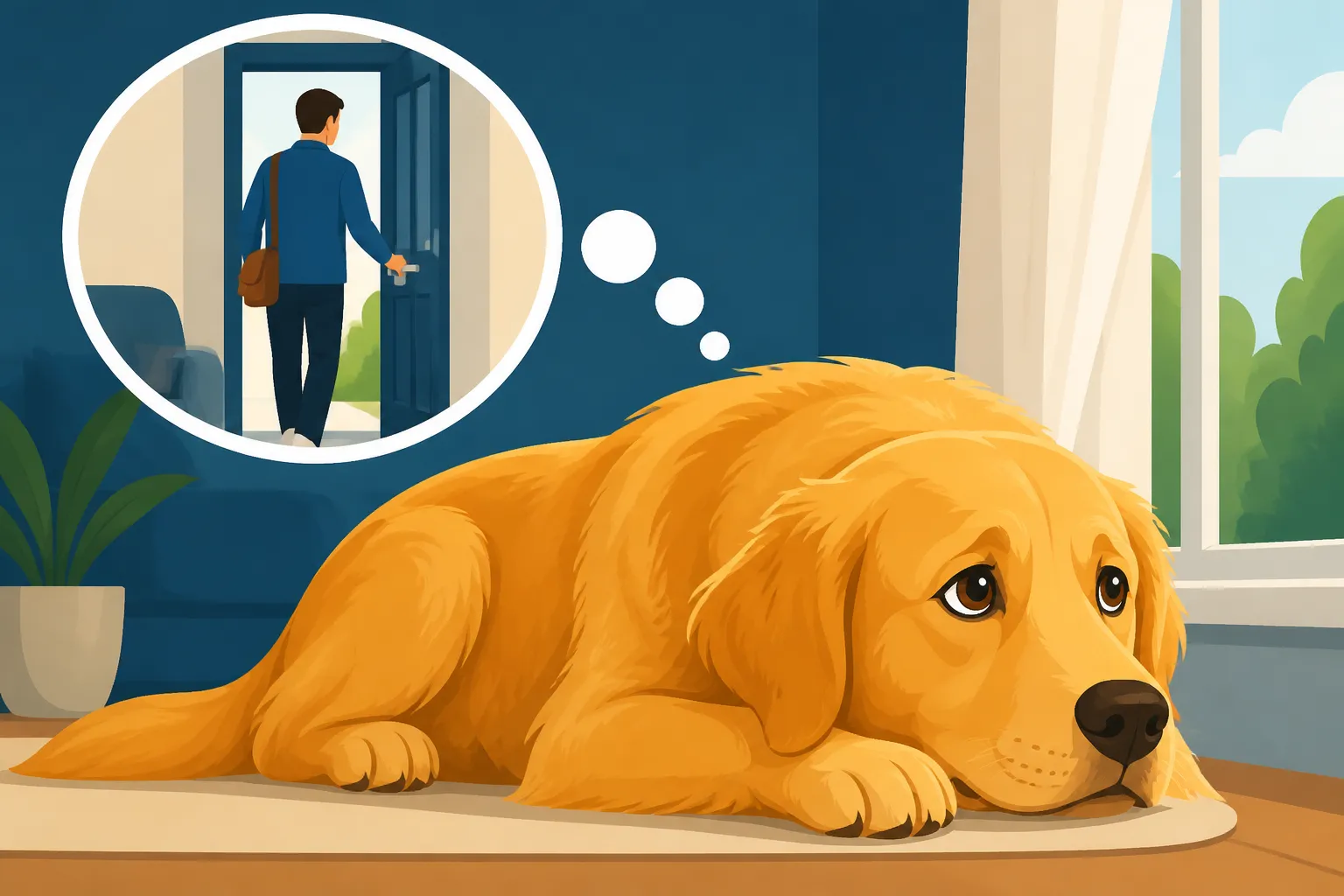
How Long a Golden Retriever Can Be Left Alone
It's a common struggle for Golden Retriever owners – that gut-wrenching feeling when you have to leave your furry best friend home alone. We all want to provide the best life for our Goldens, and that often means balancing their needs with our own work schedules, errands, or social lives. The question of "how long is too long" isn't simple, and it weighs heavily on the hearts of conscientious dog parents. This comprehensive guide is here to break down how long is truly reasonable to leave your Golden Retriever by themselves, considering their age, training, and individual personality, and what you can do to make their alone time as comfortable as possible.
Golden Retriever Alone Time by Age
The amount of time your Golden Retriever can comfortably and safely be left alone changes dramatically throughout their life. A tiny puppy has vastly different needs than a seasoned adult or a mellow senior. Understanding these developmental stages is crucial to preventing accidents, anxiety, and destructive behaviors.
The Vulnerable Puppy Stage: 8-16 Weeks
Oh, those adorable, fluffy, land shark puppies! When they're this young, their bladders are tiny, their attention spans are even tinier, and their need for interaction and supervision is constant. Leaving an 8-week-old Golden Retriever puppy alone for more than a couple of hours is asking for trouble – both for your floors and for their emotional development.
Think of them like human toddlers. They need frequent potty breaks, typically every 1-2 hours initially, extending to 2-3 hours as they approach 12-16 weeks. They also need to be fed frequently and require a lot of sleep in between short bursts of play and socialization. The goal at this stage is to build positive associations with being alone, not to test their limits. If you're working, this stage often necessitates a family member, a dog walker, or a dedicated puppy sitter. Trying to push a puppy past their bladder control or emotional capacity for alone time can lead to setbacks in house training and potentially foster separation anxiety down the line. It's a critical window for development, and setting them up for success means keeping alone time very, very short. Potty Training Schedule for a Golden Puppy is a good resource here.
The Energetic Adolescent Stage: 4-18 Months
Ah, the teenage years! Your Golden Retriever is growing like a weed, full of boundless energy, and often testing boundaries. While their bladder control has improved significantly, they're still not fully mature. An adolescent Golden might hold their bladder for 4-6 hours during the day, but their mental and physical needs are through the roof.
Leaving an adolescent Golden alone for 8 hours can lead to boredom-induced destruction, excessive barking, or even self-soothing behaviors that become problematic. They have a massive amount of energy to burn and a natural curiosity that can turn into chewing on furniture, digging up the yard, or counter-surfing for forgotten snacks. This is often the age when owners really start to feel the pressure of balancing work and dog ownership. They need vigorous exercise before you leave, plenty of mental stimulation while you're gone, and a safe, designated space. Without proper preparation, you might come home to a scene of canine chaos.
The Settled Adult Stage: 1.5 – 7 Years
Once your Golden Retriever matures, typically around 1.5 to 2 years old, they generally develop better bladder control and a more settled demeanor. A well-trained adult Golden Retriever can often be left alone for 6-8 hours, sometimes even up to 9 hours if they've had ample exercise beforehand and are accustomed to the routine. However, "can be left" doesn't always mean "should be left" every single day.
Even adult Goldens are highly social animals. They thrive on companionship and interaction. While they might tolerate a full workday, consistent long stretches of alone time can still lead to a decrease in their overall happiness and well-being. Think about the quality of that alone time – are they just sleeping, or are they pacing, barking, or engaging in other stress signals? It's important to monitor their behavior. If an adult Golden is suddenly exhibiting destructive behaviors or house training accidents, it might be a sign that their alone time is too long, or their needs aren't being met before you leave. How Long a Golden Retriever Can Be Left Alone offers more insights into managing this balance.
The Mellow Senior Stage: 8+ Years
As your beloved Golden Retriever enters their senior years, their needs shift again. While they might sleep more and have less energy for intense activity, their physical comfort and routine become paramount. Senior Goldens may experience a decline in bladder control, requiring more frequent potty breaks, sometimes every 4-6 hours, similar to a young adult or even an older puppy.
They may also develop arthritis or other joint issues, making it uncomfortable to hold their bladder for extended periods or to get up and move around without discomfort. Leaving a senior Golden alone for a full workday can be challenging and potentially unhealthy. Their mental capacity might also change, making them more prone to anxiety or confusion when left alone. Shortening alone times, providing orthopedic beds, and ensuring easy access to outdoor potty areas (if feasible) are key considerations for senior Goldens. Caring for a Senior Golden Retriever provides excellent advice on this stage of life.
Here’s a quick overview of typical maximum alone times:
| Age of Golden Retriever | Maximum Recommended Alone Time | Common Challenges if Exceeded |
|---|---|---|
| 8-16 Weeks (Puppy) | 1-3 hours | Potty accidents, distress, chewing, early separation anxiety |
| 4-18 Months (Adolescent) | 4-6 hours | Destructive chewing, barking, hyperactivity, anxiety |
| 1.5-7 Years (Adult) | 6-8 hours | Boredom, mild anxiety, potential decline in mood |
| 8+ Years (Senior) | 4-6 hours | Increased potty needs, discomfort, confusion, heightened anxiety |
Note: These are general guidelines. Every Golden Retriever is an individual, and their tolerance for alone time can vary widely.
Understanding the Factors Beyond Age
While age is a huge indicator of how long your Golden Retriever can be left alone, it's far from the only factor. Your dog's individual personality, their training, their routine, and your home environment all play critical roles. Ignoring these can lead to a stressed-out Golden and a stressed-out owner.
Training and Acclimation to Alone Time
Proper training from a young age is paramount in teaching your Golden Retriever to be comfortable when you're not around. This isn't just about crate training, though that's a huge piece of the puzzle. It's about slowly desensitizing them to your absence. Crate Training a Golden Retriever Puppy is a good place to start. Start with short periods, literally seconds, where you leave the room and return. Gradually increase this time, making sure your return is always calm and low-key.
If your Golden barks or whines the entire time you're gone, they haven't truly learned to be comfortable. This isn't stubbornness; it's often a sign of distress or boredom. Consistency is key. Establish a routine where alone time is predictable, and always pair it with positive experiences, like a high-value chew or a puzzle toy. If you only leave them alone for short periods occasionally, they'll never build the resilience needed for longer stints.
Preventing and Addressing Separation Anxiety
Golden Retrievers, with their deep bonds to their families, are predisposed to developing separation anxiety. This isn't just a dog being "naughty" or "mad" you left; it's a genuine panic disorder. Signs can range from destructive chewing, excessive barking or howling, house soiling, pacing, or even trying to escape. If your Golden exhibits these behaviors within minutes of you leaving, it's a strong indicator of true separation anxiety.
Simply increasing exercise or leaving more toys often isn't enough to fix this. It requires a dedicated, structured training plan, sometimes with the help of a certified professional dog trainer or veterinary behaviorist. Online resources, like those offered by BAXTER & Bella, often provide structured programs that can guide you through building alone-time tolerance. It's about teaching them that being alone is safe and not something to fear. Addressing separation anxiety early is vital for your Golden's well-being and your peace of mind. Golden Retriever Separation Anxiety Signs can help you identify if this is an issue for your dog.
The Importance of Physical and Mental Stimulation
A tired Golden Retriever is a good Golden Retriever, especially when left alone. Before you head out the door, ensure your dog has had adequate physical exercise. This could be a vigorous walk, a long game of fetch at the park, or a swim if they love the water. The goal is to burn off some of that boundless Golden energy so they are more likely to settle down and rest while you're gone.
Beyond physical activity, mental stimulation is equally important. Goldens are intelligent dogs who need to use their brains. Leaving them with a puzzle feeder filled with their meal, a KONG stuffed with frozen peanut butter, or a long-lasting chew can keep them occupied and redirect their chewing instincts away from your furniture. You can find a wide variety of these enrichment toys on platforms like Amazon. A mentally stimulated dog is less likely to become bored and destructive. Remember, a Golden who hasn't had their physical and mental needs met is far more likely to get into trouble when left unsupervised. Mental Enrichment for a Bored Golden Retriever has some great ideas.
Strategies for Managing Alone Time
Even when you know your Golden Retriever can technically handle being alone for a certain period, making that time as positive and stress-free as possible is key. Thoughtful preparation can make all the difference, transforming a potentially anxious experience into a calm rest period for your dog.
Creating a Safe and Comfortable Space
Where your Golden Retriever spends their alone time matters significantly. For puppies and adolescent dogs, a properly sized crate is often the safest and most effective option. It prevents them from destroying your home, keeps them safe from hazards, and helps with house training by tapping into their natural desire to keep their den clean. Ensure the crate is comfortable with a soft bed and maybe a familiar blanket that smells like you.
For adult Goldens who are trustworthy, a designated "dog-proofed" room or a section of the house with a baby gate can work well. This area should be free of anything they could chew, swallow, or damage. Make sure they have access to fresh water, their favorite toys, and a comfortable sleeping spot. Some owners find that leaving a radio on soft classical music or a dog-specific calming podcast can provide background noise and make the house feel less empty.
Establishing a Predictable Routine
Dogs, especially Golden Retrievers, thrive on routine. A predictable schedule helps them understand what to expect throughout their day, reducing anxiety and uncertainty. Try to establish a consistent routine for when you leave and return, their feeding times, and their exercise schedule.
For instance, if you work 9-5, your routine might look like this: morning walk and playtime, breakfast, short calm-down period, you leave, they get a puzzle toy, then you return, another potty break, and an evening walk. When your Golden knows that your departure is always followed by a treat-filled toy and that you'll return for their next walk, it helps build confidence and reduces stress. Any sudden changes to this routine can throw them off, so try to keep it as consistent as possible. Building Alone-Time Tolerance in a Golden Puppy often involves establishing a clear routine.
Technology and Support for Golden Retriever Owners
In today's world, there are numerous tools and resources available to help Golden Retriever owners manage alone time. Pet cameras, many available on Amazon, allow you to monitor your dog's behavior while you're away. You can see if they're sleeping peacefully, pacing anxiously, or getting into mischief. Some cameras even allow for two-way audio, so you can speak to your Golden, or toss them a treat remotely.
For those times when your Golden needs more than a camera can offer, consider professional help. A trusted dog walker can provide a mid-day potty break and a burst of exercise, breaking up long stretches of alone time. Doggy daycare can be an excellent option for highly social Goldens, providing hours of supervised play and interaction. Or, if you have a neighbor or family member who can pop in, that personal touch can be invaluable. Remember, there's no shame in seeking support to ensure your Golden's well-being.
When to Seek Professional Guidance
Sometimes, despite your best efforts, your Golden Retriever struggles with being left alone. It's important to recognize when the problem is beyond what you can handle on your own and when professional help is needed. Ignoring persistent issues can lead to chronic stress for your dog and significant damage to your home and your peace of mind.
Recognizing Persistent Problems
If your Golden Retriever consistently exhibits any of the following behaviors when left alone, it's a strong indication that they are not coping well:
- Destructive Chewing: Beyond normal puppy exploration, if they are systematically destroying furniture, doors, or windowsills, especially around exit points.
- Excessive Barking or Howling: Constant vocalization that bothers neighbors or indicates sustained distress.
- Inappropriate Urination or Defecation: If they are fully house-trained but consistently have accidents only when left alone.
- Escape Attempts: Damaging crates, doors, or windows in an effort to get out.
- Pacing, Drooling, or Trembling: Signs of extreme anxiety, even if not immediately destructive.
- Self-Mutilation: Licking or chewing themselves excessively, leading to hot spots or skin irritation.
These aren't just "bad habits"; they are often symptoms of underlying stress or anxiety. A Golden Retriever exhibiting these signs needs more than just a longer walk; they need targeted intervention. Signs a Golden Retriever Is in Pain or distressed can often manifest in these behaviors.
Consulting a Certified Professional Dog Trainer or Veterinary Behaviorist
If you're seeing persistent problems, the first step is often to consult with your veterinarian to rule out any underlying medical conditions. Pain, urinary tract infections, or cognitive dysfunction in older dogs can all contribute to changes in behavior when left alone.
Once medical issues are ruled out, seek help from a certified professional dog trainer or a veterinary behaviorist. A certified professional dog trainer (CPDT-KA) can help you implement positive reinforcement strategies and develop a structured training plan to build your Golden's confidence when alone. They can guide you through desensitization and counter-conditioning techniques. For more severe cases, particularly true separation anxiety, a veterinary behaviorist (DACVB) is a veterinarian who has specialized training in animal behavior. They can diagnose the specific behavioral issue and may prescribe medication in conjunction with behavior modification to help manage extreme anxiety. Don't be afraid to ask for Second Opinions on a Golden Retriever Diagnosis if you feel unsure.
The Long-Term Commitment to Your Golden's Well-being
Ultimately, managing how long a Golden Retriever can be left alone is a continuous process. It requires empathy, patience, and a commitment to understanding your dog's individual needs. What works for one Golden might not work for another, and their needs will change throughout their life.
Providing ample exercise, consistent training, mental enrichment, and a loving, secure environment are the cornerstones of a well-adjusted Golden Retriever who can handle appropriate periods of alone time. If your lifestyle consistently demands very long stretches of alone time, consider alternative arrangements like a dog walker, doggy daycare, or even a trusted friend or family member. Your Golden Retriever deserves to feel safe and content, whether you're right by their side or just around the corner.
Disclaimer
This article is for general informational purposes only and does not constitute professional advice. Laws, prices and regulations vary by location and change over time. Consult a qualified professional for guidance on your specific situation.