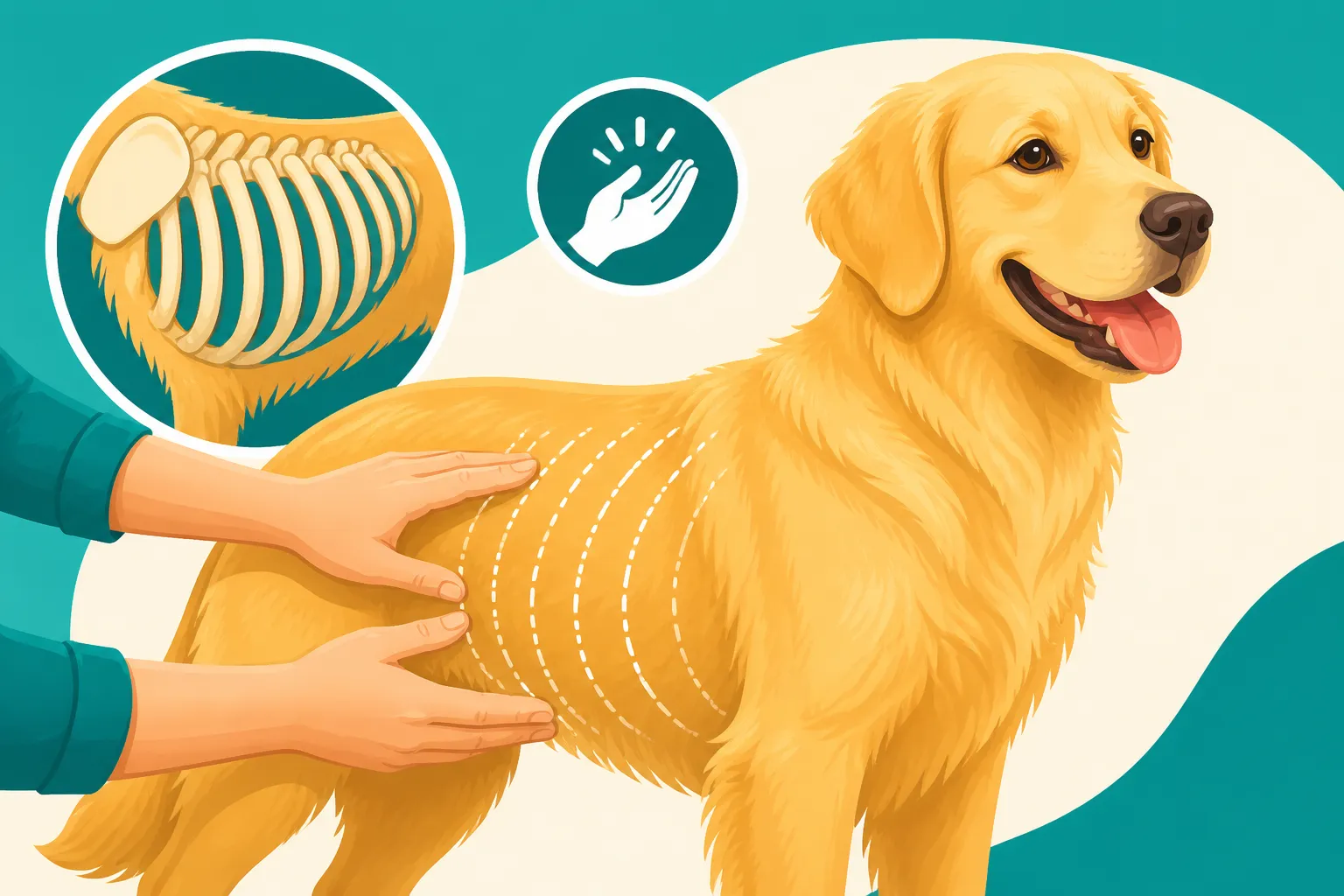
Feeling a Golden Retriever’s Ribs the Right Way
It's incredibly frustrating, isn't it? You look at your beautiful Golden Retriever, all fluffy and full of love, and you wonder if they're at a healthy weight. Their glorious double coat can hide a multitude of sins – or simply make it impossible to tell what's going on underneath! This guide is here to cut through that confusion, showing you exactly how to feel your Golden Retriever's ribs the right way, giving you a crucial tool to monitor their health.
Why Feeling Ribs is Crucial for Golden Retriever Health
For many Golden Retriever owners, the sheer joy of their dog's presence can sometimes overshadow the subtle signs of their physical condition. But beneath that beautiful, flowing coat, your Golden's ribs tell a silent story about their health. Learning to read this story is one of the most proactive things you can do for their long-term well-being, helping to prevent a cascade of potential issues.
The Hidden Dangers of Misjudging Weight
It's easy to dismiss a few extra pounds, especially when your Golden is so active and seems happy. However, those "few extra pounds" can quickly accumulate, becoming a significant burden on their body. An overweight Golden Retriever is at a much higher risk for a whole host of health problems that can severely impact their quality of life and even shorten it dramatically. We're talking about increased inflammation throughout their body, a greater likelihood of developing diabetes, and even a predisposition to certain types of cancer. Beyond that, the strain on their joints from carrying extra weight can exacerbate conditions like hip and elbow dysplasia, which are already prevalent in the breed. Imagine carrying a backpack filled with bricks all day, every day – that's what those extra pounds feel like to your dog's skeletal system. This additional stress not only brings forward the onset of arthritis but also makes any existing joint issues far more painful and difficult to manage. Understanding how to properly assess their weight is the first step in avoiding these serious, often preventable, health challenges, and it ties directly into understanding How Extra Weight Shortens a Golden Retriever's Life.
Understanding Your Golden's Body Condition
Instead of relying solely on the number on the scale, which can vary widely depending on bone structure and individual build, veterinarians use something called a Body Condition Score (BCS). This system is a standardized way to assess a dog's fat reserves and muscle mass, giving a much clearer picture of their health than weight alone. The BCS typically ranges from 1 to 9, where 1 is emaciated, 9 is morbidly obese, and 4-5 is considered ideal. This method focuses on visual and tactile cues, meaning how your Golden looks and, more importantly, how they feel when you run your hands over specific areas, like their ribs, waist, and spine. It’s a fantastic, practical tool that any owner can learn to use at home, providing valuable insights between vet visits. Getting familiar with this scoring system helps you objectively monitor changes, allowing you to adjust their diet or exercise before small changes become big problems.
The Step-by-Step Guide to Feeling Your Golden's Ribs
Getting a true sense of your Golden Retriever's body condition beneath all that beautiful fur requires more than just a quick glance. It's a hands-on process that, once learned, becomes an invaluable part of your regular health check-ups. Don't be shy about getting in there and feeling!
Positioning Your Golden and Your Hands
First things first, make sure your Golden Retriever is relaxed and comfortable. This isn't a wrestling match; it's a gentle examination. Have them stand naturally on all four paws, ideally on a non-slip surface, so they're not tense or shifting their weight unnaturally. They should be looking forward, not curled up or stretched out. Now, position yourself alongside them, usually on their left or right side, so you can easily reach their rib cage.
Take both of your hands and place them flat on either side of your Golden's chest, just behind their front legs. Your fingers should be spread slightly, curving around their rib cage. Think of it like you're gently cupping their chest. The goal here is to get past that glorious, thick outer coat and the insulating undercoat to feel the bony structures underneath. Don't press hard immediately, just let your hands rest comfortably on their side. Many Goldens actually enjoy this gentle attention, especially if you speak soothingly to them while you do it.
The "Palm Test" for Ideal Rib Feel
Now for the tactile part, and this is where a great analogy comes in handy. Imagine you're doing what I call the "palm test." Make a fist with your dominant hand and then use the fingers of your other hand to feel the knuckles on the back of your fist. This is what a dog's ribs feel like when they are too thin – very distinct, sharp, and with little to no padding. You can see and feel each knuckle clearly.
Next, open your hand flat and feel the back of your palm, just under your fingers. You can feel the bones there, but they have a soft, thin layer of tissue over them. This is the ideal feel for your Golden Retriever's ribs. You should be able to easily feel each individual rib under a thin layer of muscle and fat, without having to press hard. They shouldn't be sticking out sharply, nor should they be completely obscured. You can count them, but they aren't painfully prominent. This is the sweet spot – what you're aiming for.
Finally, gently squeeze the fleshy part of your palm. You can still feel some bone, but it's much harder to distinguish individual structures through the padding. This is what ribs feel like on an overweight Golden Retriever – a significant layer of fat covers them, making it difficult to feel the individual ribs without applying considerable pressure.
So, with your hands gently cupping your Golden's rib cage, slowly move your fingertips back and forth, applying just a little pressure. Can you easily distinguish each rib? Can you count them? If so, you're likely in a good place. If you have to really dig to find them, or if they feel very sharp and prominent, you've got some adjusting to do. This simple "palm test" comparison is a fantastic way to calibrate your touch and become more accurate in your assessment, complementing what you learn from their Golden Retriever Body Condition Scoring.
What Too Thin and Too Heavy Ribs Feel Like
Let's break down the extremes so you know what to look out for.
If your Golden Retriever's ribs feel too thin, you'll notice a distinct lack of cushioning. When you run your hand over their side, the ribs will feel very prominent, almost sharp to the touch, much like the knuckles on your fist. You might even be able to see their ribs without much effort, especially when they're lying down or stretched. Beyond the ribs, you might also notice their hip bones and backbone are very visible and easily felt. Their muscles might feel wasted or less substantial than they should be, and there will be little to no fat layer. This isn't a healthy state for a Golden Retriever; it suggests they aren't getting enough nutrition or might have an underlying health issue. If you suspect your Golden is too thin, it's always best to consult your veterinarian to rule out any medical reasons before simply increasing their food intake.
On the flip side, if your Golden Retriever's ribs feel too heavy, it means there's a significant layer of fat obscuring them. When you press gently, you'll have to push quite firmly to even begin to feel the individual ribs, and it will be difficult to distinguish one from another. They'll feel more like a smooth, padded surface rather than distinct bones. Visually, an overweight Golden often lacks a noticeable waistline when viewed from above, and their belly might sag or appear distended. From the side, their abdomen might not tuck up at all, but rather hang down. This excess fat isn't just cosmetic; it's metabolically active tissue that can lead to chronic inflammation and puts immense strain on their internal organs and joints. Recognizing this feel is crucial for intervening early and preventing long-term health complications, which can be expensive to treat even with pet insurance like Healthy Paws.
Beyond the Ribs: A Holistic Approach to Weight Assessment
While feeling the ribs is an excellent starting point, a truly comprehensive assessment of your Golden Retriever's weight and overall body condition goes beyond just one area. It involves looking at the whole picture, combining tactile and visual cues with regular professional oversight.
The Tummy Tuck and Waistline Check
After you’ve thoroughly assessed the ribs, turn your attention to your Golden’s waistline and abdominal tuck. These two visual cues are incredibly important and often overlooked, especially with their flowing coats.
To check for a proper waistline, stand directly above your Golden Retriever while they are standing squarely. You should see a distinct indentation, or "tuck," behind their rib cage, before their hips. It shouldn't be a dramatic hourglass shape like some sighthounds, but it should be noticeable – a gentle curve inward. If your Golden appears straight like a cylinder from ribs to hips, or even bulges out at the sides, they are likely carrying too much weight. This lack of a discernible waist is a strong indicator of excess fat accumulation.
For the abdominal tuck, stand to the side of your Golden. Look at their profile. From their rib cage, their belly should gently slope upwards towards their hind legs. This upward slope, or "tuck," indicates a healthy abdomen. If their belly hangs low or is parallel to the ground, especially if it appears saggy or distended, that's another red flag for being overweight. A clear tummy tuck shows that they are lean and have good muscle tone without excessive fat around their midsection. Both the waistline and tummy tuck are easy to spot once you know what to look for and provide excellent complementary information to what you feel on their ribs, helping you determine Golden Retriever Ideal Weight by Sex.
Incorporating Professional Vet Checks
While your at-home assessment is powerful, it’s never a substitute for regular veterinary check-ups. Your vet has a trained eye and can offer an objective, expert opinion on your Golden Retriever’s body condition. They’ll perform their own hands-on assessment, often using a more detailed Body Condition Score chart, and can identify subtle changes that you might miss. During these visits, they can also discuss any underlying health issues that might be contributing to weight gain or loss, or even just make sure your Golden's growth plates close properly as they mature.
These routine examinations are also the perfect opportunity to discuss their diet and exercise regimen, making adjustments as needed. Many veterinary clinics now have veterinary technicians who specialize in nutrition and can help you develop a personalized plan. Remember, being proactive with your Golden’s weight can significantly reduce the likelihood of costly health issues down the line. For unexpected accidents or illnesses that might affect their weight, many owners find peace of mind with a robust pet insurance provider like Healthy Paws, knowing they have support for unforeseen veterinary expenses. Keeping up with Why Goldens Need Vet Visits Twice a Year is paramount for maintaining their overall health.
Nutrition and Exercise Connection
Maintaining a healthy weight for your Golden Retriever is fundamentally a balancing act between the calories they consume and the calories they burn. It's truly that simple, yet often so challenging to implement in our busy lives!
On the nutrition front, selecting the right food and feeding the correct portion sizes is paramount. Not all dog foods are created equal, and what works for one dog might not be ideal for another, even within the same breed. Pay close attention to the calorie content of their food and consult the feeding guidelines on the bag, adjusting based on your Golden's individual activity level and metabolism. It’s always best to measure their food with a dedicated measuring cup rather than just eyeballing it. Overfeeding, even by a small amount each day, can lead to significant weight gain over time. Consider reading up on How Much an Adult Golden Retriever Eats Daily to ensure you're on the right track. High-quality kibble formulated for large breeds provides essential nutrients without unnecessary fillers. If you're giving treats, remember to factor those calories into their daily intake.
Equally important is consistent, appropriate exercise. Golden Retrievers are an active breed, bred to retrieve, and they thrive on physical activity. Daily walks are a good start, but they often need more than just a stroll around the block. Engaging activities like fetch, swimming, hiking, or even just vigorous play in the yard can help them burn calories and build lean muscle mass. The amount of exercise your Golden needs can vary based on their age, energy level, and individual health, but a general guideline is at least 60-90 minutes of moderate to vigorous activity each day, broken into multiple sessions. You might want to explore articles like Daily Walk Length for a Golden Retriever for more specific guidance. Both diet and exercise work hand-in-hand to ensure your Golden stays at that ideal body condition score, keeping them happy, energetic, and healthy for years to come.
Common Pitfalls and Troubleshooting
Even with the best intentions, assessing your Golden Retriever's weight can come with its own set of challenges. Their breed-specific traits can sometimes make it a little trickier, but knowing what to look out for can help you overcome these hurdles.
The "Fluffy Golden" Dilemma
Ah, the glorious Golden Retriever coat! It’s one of their most defining features, a plush, water-repellent marvel that provides warmth and protection. But it's also the biggest culprit when it comes to obscuring their true body shape. Many owners fall into the trap of thinking their Golden is a healthy weight because they look "full" or "robust," when in reality, that fullness is often just fluff. This is the "fluffy Golden" dilemma.
Their dense double coat, with its soft undercoat and longer, protective outer coat, can add a deceptive layer of volume, making an overweight Golden appear merely "solid" or a healthy-looking "stocky." This is precisely why the hands-on rib check is so crucial. You absolutely must get your hands in there and feel past the fur. Don't rely solely on what your eyes tell you. What looks like a perfectly rounded, well-fed Golden might actually be an overweight one underneath all that beautiful hair. It takes a conscious effort to push past the visual and engage your sense of touch. Trust your fingertips more than your eyesight when it comes to feeling for those ribs and identifying the presence of a distinct waistline. Remember, a fit Golden should still have that subtle tuck and easily palpable ribs, regardless of how much fur they carry.
When to Seek Veterinary Advice
While regular at-home checks are empowering, there are definitely times when it's best to consult your veterinarian. If you've been consistently feeling your Golden's ribs and noticing a trend that concerns you – perhaps they're losing weight without any dietary changes, or conversely, gaining weight despite appropriate food portions and exercise – a vet visit is warranted. Sudden or unexplained weight changes, either up or down, can be an early indicator of an underlying health issue that needs professional diagnosis and treatment.
Furthermore, if your Golden Retriever shows any signs of discomfort, reduced energy, changes in appetite, or other unusual symptoms alongside weight fluctuations, don't hesitate. These could be symptoms of more serious conditions such as hypothyroidism, metabolic disorders, or even certain cancers, which Goldens are unfortunately prone to. A veterinarian can perform a thorough physical exam, recommend blood tests, or other diagnostics to pinpoint the cause. They can also offer tailored advice for weight management, setting realistic goals and providing a safe, effective plan. Early intervention is always best, and being able to quickly spot and act on these changes is where pet insurance, like Healthy Paws, can be invaluable for helping manage unexpected diagnostic and treatment costs. Never underestimate the power of your vet's expertise when it comes to your Golden's health.
Here's a quick reference table to help you gauge your Golden's body condition:
| Body Condition Score (BCS) | Ribs (Tactile Feel) | Waistline (Visual from Above) | Abdominal Tuck (Visual from Side) |
|---|---|---|---|
| 1-3 (Underweight) | Ribs, spine, pelvic bones very easily visible/palpable, little to no fat covering. | Severe abdominal tuck, prominent waist. | Very obvious tuck, extreme upward slope. |
| 4-5 (Ideal) | Ribs easily palpable without excess fat, like knuckles on open hand. | Clearly discernible waist behind ribs. | Clear upward tuck of abdomen. |
| 6-7 (Overweight) | Ribs palpable but with slight difficulty, moderate fat covering. | Waist is present but not prominent, or nearly absent. | Slight or no abdominal tuck, belly appears flat or slightly distended. |
| 8-9 (Obese) | Ribs difficult to feel under thick fat layer, heavy pressure needed. | No waistline, broad back, appears cylindrical or bulging. | Abdomen distended, no tuck, hangs low or bulges. |
Disclaimer
The information provided in this guide is for general informational purposes only and does not constitute veterinary advice. Always consult with a qualified veterinarian for any health concerns or before making any changes to your Golden Retriever's diet, exercise, or medical care.