Training a Golden Retriever for Therapy Visits
Bringing your beloved Golden Retriever into the world of therapy work can be an incredibly rewarding journey, but it's often a path filled with questions and preparation. Many wonderful Goldens have the inherent gentle nature and love for people that makes them ideal candidates, yet their enthusiasm and playfulness can sometimes override the calm demeanor needed for sensitive environments. This guide is here to walk you through the comprehensive steps, foundational training, and crucial socialization needed to prepare your Golden Retriever for successful, heartwarming therapy visits, helping you navigate the process from curious owner to certified therapy dog team.
Understanding the Role of a Therapy Dog
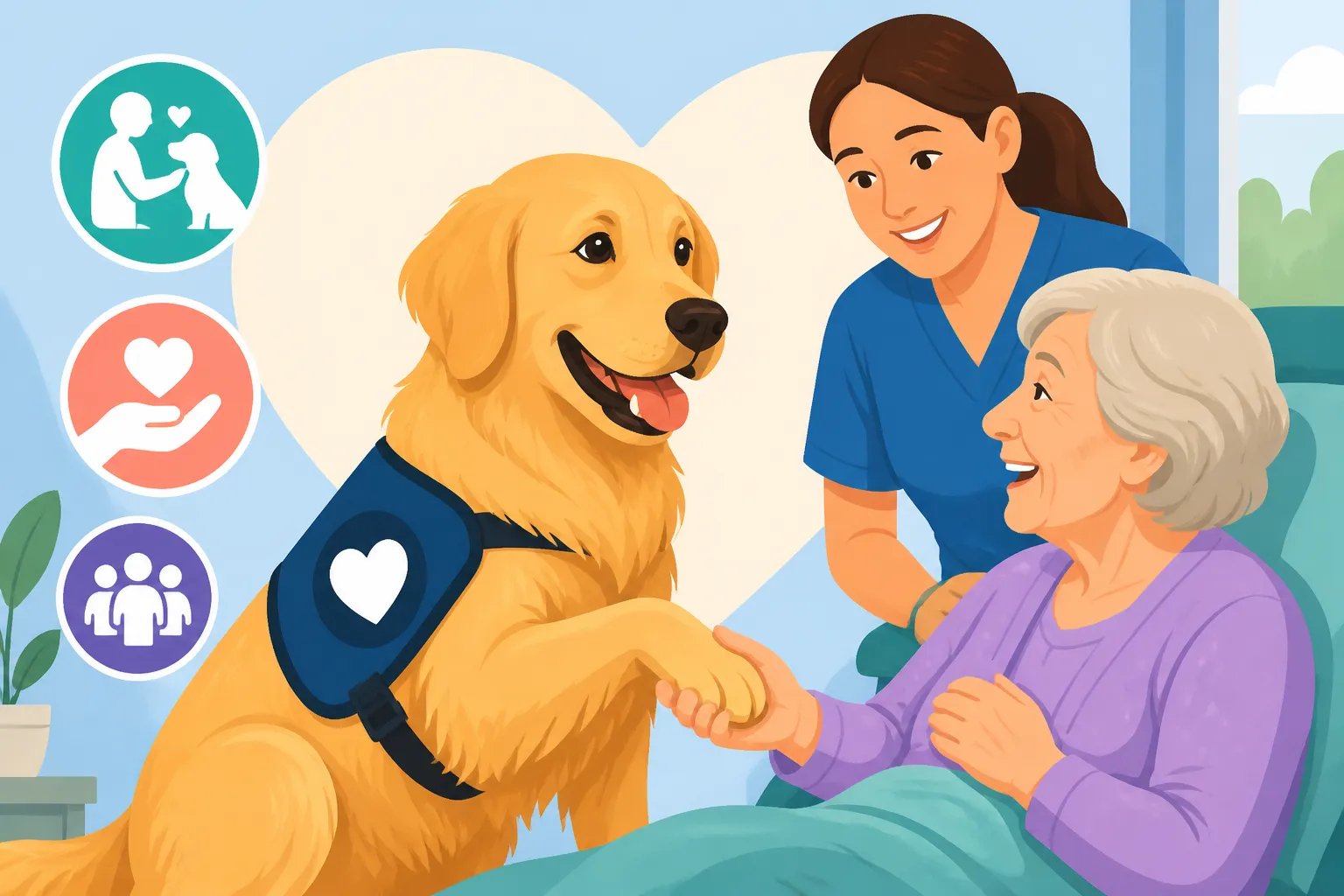
It's easy to see your sweet, affectionate Golden Retriever and think, "They'd be perfect for therapy work!" And often, you'd be right. But before you dive in, it’s important to understand what a therapy dog actually does and the unique responsibilities that come with it. This isn't just about having a friendly dog; it's about having a dog that can bring comfort and joy reliably, safely, and consistently in various settings, often to people who are vulnerable.
What Makes a Golden Retriever a Natural Fit?
Golden Retrievers are practically custom-made for therapy work. Their hallmark Golden Retriever Temperament and Personality includes a friendly disposition, boundless patience, and an almost uncanny ability to connect with humans on an emotional level. They're often described as "people pleasers," eager to engage and soak up affection, which is exactly what’s needed when visiting hospitals, nursing homes, schools, or disaster sites. Their soft mouths, a trait bred into them for retrieving game without damaging it, translate into gentle taking of treats and careful interactions. I've seen countless Goldens, from bouncy puppies to dignified seniors, effortlessly calm a nervous child or bring a smile to an elderly person's face just by leaning in for a pet. Their warm, approachable appearance also helps, as many people find their golden coats and soft eyes inherently comforting. This natural inclination is a huge head start for therapy work, but it's still crucial to harness and refine these traits through structured training and exposure.
Therapy Dog Versus Service Dog: Knowing the Difference
One of the most common misconceptions I encounter is confusing therapy dogs with service dogs. While both provide invaluable support to humans, their roles, training, and legal protections are vastly different. A service dog is specifically trained to perform tasks for an individual with a disability, such as guiding the blind, alerting to seizures, or pulling a wheelchair. They have public access rights under laws like the Americans with Disabilities Act (ADA), meaning they can go almost anywhere their handler goes. On the other hand, a therapy dog, while also highly trained, primarily provides comfort and affection to many different people in various settings, often under the supervision of their handler. They do not have the same public access rights as service dogs; their visits are typically pre-arranged and require explicit permission from the facility. Understanding this distinction is critical, as it shapes everything from where your dog can go to the specific training focus. You're aiming for a dog that can calmly interact with diverse groups of people in sometimes challenging environments, not one that performs specific tasks for a single handler. If you're wondering more about this, I've covered some aspects of What Makes a Golden Retriever a Good Service Dog too.
Essential Foundational Training for Therapy Work
Even with a Golden Retriever’s wonderful natural disposition, solid obedience and reliable manners are the bedrock of a successful therapy dog team. This isn't just about looking good; it's about safety, control, and ensuring your dog is a calming presence, not an additional source of stress or distraction. Think of it as building a strong house – you need a firm foundation before you can add the decorative touches.
Mastering Basic Obedience Commands
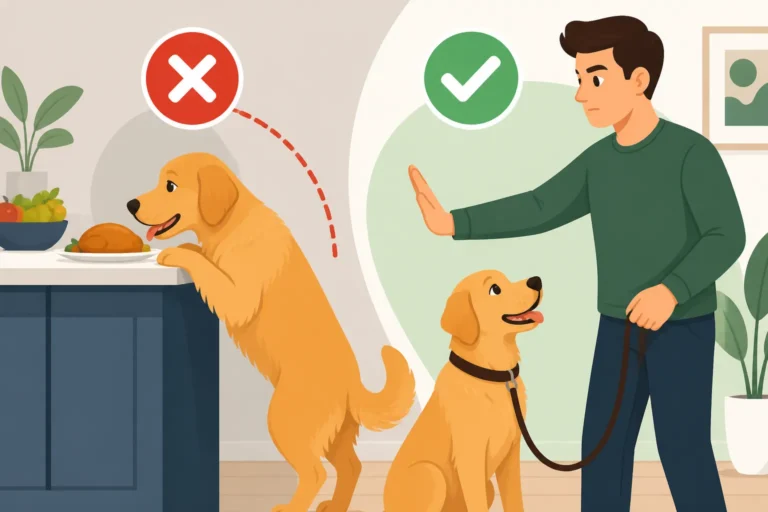
Before your Golden can offer comfort in a busy hospital ward, they need to reliably respond to you in everyday situations. We're talking about the classics here: "sit," "stay," "down," "come," and "leave it." These aren't just parlor tricks; they are crucial for managing your dog in diverse environments. Imagine walking into a room where someone has dropped a pill, or a child offers a treat that isn't safe for your dog – a solid "leave it" command is paramount. Similarly, a reliable "stay" allows you to control interactions, ensuring your dog doesn't jump on someone or invade personal space prematurely. Start practicing these commands in quiet, low-distraction environments, then gradually introduce more noise and activity. Positive reinforcement is key; use high-value treats and praise to make training fun and rewarding. Programs like BAXTER & Bella offer excellent online resources that break down these fundamental commands step-by-step, helping you build a strong training foundation right from home. If you're working on the basics, you might find my guide on Teaching a Golden Retriever to Sit and Stay helpful.
Building Focus and Impulse Control
Beyond basic commands, a therapy dog needs exceptional focus and impulse control. This means your Golden can maintain attention on you even when exciting things are happening around them – a crying baby, a dropped crumb, a loud noise, or even another animal. It also means they can resist the urge to jump, bark, or pull on the leash. Practice exercises that challenge their self-control:
- "Wait" at doors: Teach them to wait until you give a release cue before going through a doorway.
- Duration "stays": Gradually increase the length of time they can hold a "stay" or "down" command, even as you move further away.
- Eye contact games: Reward them heavily for making eye contact with you, even for a few seconds, amidst distractions.
- "It's Your Choice" game: Place a treat on the floor and cover it with your hand. When your dog disengages and looks at you, remove your hand and let them have the treat. This teaches them that calm behavior and looking to you leads to good things.
These exercises are vital because therapy environments are often unpredictable. A dog that can maintain focus on its handler and control its impulses is a dog that can safely and effectively provide comfort without adding to the chaos. For managing leash behavior, my article on Loose Leash Walking With a Golden Retriever offers practical tips.
Advanced Cues for Calm Interactions
Once your Golden has a strong grasp of basic obedience and impulse control, you can layer on more specific cues tailored for therapy visits. These are about refining their presence and ensuring interactions are always gentle and appropriate.
- "Gentle": Teach your dog to take treats very softly from someone's hand. This is crucial when interacting with people who might have fragile skin or be hesitant about a dog. Hold a treat in your closed fist, only opening your fingers slightly when they nudge gently, eventually presenting it fully when they take it with a soft mouth.
- "Visit" or "Say Hello": This cue can signal to your dog that it's time to approach someone calmly for interaction, rather than rushing excitedly. Pair it with a gentle approach, perhaps a nose nudge or a lean.
- "Lap" or "Head Down": For dogs who enjoy resting their head on someone's lap or lying down beside them, this can be an invaluable comfort cue. Reward them for settling quietly in these positions.
- "Leave It" (Advanced): While already a basic command, practice this in scenarios where dropped medications, medical equipment, or tempting floor debris might be present. You want this command to be ironclad.
Integrating these advanced cues ensures your Golden isn't just well-behaved, but specifically prepared for the nuanced demands of therapy work. Many useful training tools, from long lines for recall practice to high-quality treat pouches for easy rewards, can be found on Amazon.
Socialization and Desensitization for Public Access
Therapy dogs operate in a world full of novel sights, sounds, smells, and people. Therefore, their socialization must be exceptionally thorough, extending beyond just meeting other dogs and people. It means exposing them to the types of environments and situations they'll encounter during therapy visits, gradually and positively, to build their confidence and resilience.
Exposing Your Golden to Novel Environments
Your Golden Retriever needs to be comfortable in a wide variety of settings. This isn't just a quick trip to the dog park. Think about the places therapy dogs visit: hospitals, nursing homes, schools, libraries, airports (for stress relief programs), and even courtrooms. Each of these environments has its own unique stimuli.
- Medical settings: Practice walking in places with tile floors, automatic doors, elevators, and unusual medical equipment (even if it's just a walker or wheelchair at home). Play recordings of hospital sounds like pagers, intercoms, or beeping machines at a low volume and gradually increase it.
- Elderly care facilities: Expose your dog to people moving slowly, using mobility aids, or making sudden, involuntary movements or noises. Help them get used to different smells, like cleaning products or perfumes.
- Children's environments: If visiting schools or libraries, your dog needs to be comfortable with boisterous children, sudden screams, dropped books, and children who might approach awkwardly. My article on Socializing a Golden Retriever Puppy delves into broader socialization, which is critical here.
The key is to make these exposures positive, brief, and always at your dog's comfort level. If they show signs of stress (tail tucked, yawning, lip-licking), you've gone too far too fast.
Handling Distractions and Unpredictable Situations
Therapy work demands a dog that can remain calm and focused despite significant distractions. You won't always have a perfectly quiet room; there might be alarms, dropped items, loud conversations, or unexpected visitors.
- Controlled distractions: Start with mild distractions during training sessions (e.g., someone walking by, a toy on the floor) and slowly increase the intensity. Practice in busy public parks, outdoor markets, or hardware stores (if dogs are allowed).
- Unexpected sounds: Accustom your Golden to sudden noises. Drop a pot, clap loudly, or use a clicker in an unexpected way. Reward calm responses.
- Varying people: Ensure your dog is comfortable with people of all ages, genders, ethnicities, and appearances, including those wearing hats, glasses, uniforms, or using canes or wheelchairs. A shy or nervous Golden won't make a good therapy dog.
- Managing energy: A dog that is too rambunctious, even if friendly, won't be suitable. Practice calm greetings, ensuring your Golden learns Golden Retriever Greeting Manners at the Door and doesn't jump. Using mental enrichment activities, like puzzle feeders that can be bought on Amazon, can also help channel their energy and keep them mentally stimulated, which contributes to a calmer demeanor.
The goal is a dog that, even when surprised, looks to you for guidance rather than reacting impulsively. This takes a lot of patient, consistent training and exposure.
Practicing Gentle Greetings
The cornerstone of therapy work is the interaction itself. Your Golden must greet people gently and appropriately. This means no jumping, no excessive licking, and no pushing for attention.
- Four on the Floor: This is non-negotiable. Teach your Golden that all four paws must remain on the ground when greeting people. Reward calm approaches with a "sit" or "down" before interaction begins.
- Approach and retreat: Practice having people approach your dog, pet them briefly, and then move away. This teaches your dog that interactions are not permanent and they don't need to solicit constant attention.
- Duration of petting: Your dog needs to tolerate being petted by different hands, sometimes awkwardly, and for varying durations. This is especially true for children who might not understand gentle petting.
- "Off" command: If your dog does try to jump up or get too enthusiastic, a firm but gentle "off" command should immediately get them back on the floor.
Regular practice with friends and family, especially those who can simulate various client interactions, will be invaluable. Remember, it's about making the interaction a positive experience for the person being visited, not just for your dog.
The Certification Process and What to Expect
Once you feel your Golden Retriever has mastered the foundational training and is a well-socialized, calm, and confident companion in various environments, the next step is formal certification. This process ensures that your dog, and you as their handler, are truly ready for the responsibilities of therapy work. It’s not just a formality; it’s a necessary vetting to protect both the public and your dog.
Choosing a Therapy Dog Organization
There are several reputable therapy dog organizations, each with its own specific requirements and testing protocols. Some of the most well-known include Therapy Dogs International (TDI), Pet Partners (formerly Delta Society), and Alliance of Therapy Dogs (formerly Therapy Dogs Incorporated). It's crucial to research each one to find the best fit for you and your Golden.
- Research requirements: Look at their age minimums for dogs, handler requirements, and the specific tests they administer. Some require a certain number of supervised visits before full certification.
- Geographic reach: Consider which organizations are active in your area and which facilities they partner with for visits.
- Mission and values: Do their mission align with your goals for therapy work? Some focus on specific types of visits, such as reading programs or hospital visits.
Most organizations will require your dog to be healthy, up-to-date on vaccinations, and free from parasites. You'll typically need to submit an application and often a veterinarian's health clearance. I recommend choosing an organization that provides comprehensive training resources or connects you with local evaluators who can offer guidance. My post on Golden Retriever Therapy Dog Certification Steps goes into more detail on what to look for.
The Evaluation Test Components
The therapy dog evaluation test is designed to assess your Golden's temperament, obedience, and social skills in simulated therapy environments. While specific tests vary by organization, they generally cover similar ground:
| Category | Key Skills Assessed | Examples |
|---|---|---|
| Basic Obedience | Reliable response to commands under distraction | Sit, stay, down, come, leave it, loose-leash walking. Dog must not jump or pull. |
| Social Interaction | Calm and appropriate greetings with strangers, handling gentle and awkward petting | Dog must allow strangers to approach and pet, including those using mobility aids. Must not be overly timid, aggressive, or overly enthusiastic. |
| Handler Control | Handler's ability to manage dog's behavior and focus | Dog must remain focused on handler despite distractions, respond to cues, and allow handler to temporarily step away. |
| Environmental Soundness | Comfort with novel sights, sounds, and movements | Reaction to dropped objects, loud noises (e.g., slamming door, medical equipment sounds), sudden movements. Dog should show curiosity or calm indifference, not fear or aggression. |
| Tolerance of Startle | Ability to recover quickly from unexpected stimuli | Evaluator might simulate an accidental drop of crutches or a loud cough. Dog should not panic, attempt to flee, or react aggressively. |
| Appearance & Health | Cleanliness, grooming, and evidence of good health | Dog must be clean, well-groomed, and show no signs of illness or injury. |
This test is often conducted by an experienced evaluator in a mock therapy setting, sometimes in a facility like a community center or a quiet pet supply store. It’s normal to feel nervous, but remember that the evaluator wants you to succeed. They are looking for a dog that is calm, confident, and enjoys interacting with people, not perfection. If your Golden has had consistent training, perhaps even with the help of a positive reinforcement trainer like those you'd find advice for in Choosing a Positive Reinforcement Trainer for a Golden, you'll both be well-prepared.
Maintaining Your Therapy Dog's Skills
Certification isn't the finish line; it's just the beginning. To remain an effective and safe therapy team, you and your Golden must commit to ongoing practice and skill maintenance.
- Regular practice: Continue practicing obedience commands and impulse control exercises in varied environments. Don't let their skills get rusty between visits.
- Continued socialization: Even certified therapy dogs benefit from exposure to new places and people. This keeps them adaptable and confident.
- Monitor health and temperament: Regular vet check-ups are essential, not just for their overall well-being but also to ensure they are physically comfortable enough for visits. Keep an eye on their temperament; if they seem stressed or reluctant during visits, it might be time for a break or a re-evaluation of their role.
- Learning and growth: Many therapy dog organizations offer continuing education for handlers, which can be invaluable. This helps you refine your handling skills, learn about new therapy techniques, and stay updated on best practices.
Being a therapy dog team is a partnership that thrives on mutual trust, ongoing effort, and a deep understanding of your Golden Retriever's needs and capabilities. The joy and comfort you bring to others through this work will be immense, making every bit of effort worthwhile.
Disclaimer
This article is for general informational purposes only and does not constitute professional advice. Laws, prices and regulations vary by location and change over time. Consult a qualified professional for guidance on your specific situation.