Building Alone-Time Tolerance in a Golden Puppy
One of the biggest heartbreaks for a new Golden Retriever puppy parent is the incessant crying, whining, or destructive behavior that erupts the moment you step out the door, even for a few minutes. It's completely normal for these social, people-loving fluffballs to struggle with being left alone, especially when they're still so young and dependent. But rest assured, it doesn't have to be a lifelong battle. This guide will walk you through building that crucial alone-time tolerance in your Golden puppy, turning those anxious goodbyes into calm, confident departures for both of you.
Understanding Why Alone Time Is So Tough for Golden Puppies
Before we dive into solutions, it’s really helpful to understand the world from your Golden Retriever puppy's perspective. They aren't being "naughty" or "stubborn" when they cry or chew things up the moment you leave. They're usually experiencing genuine distress or simply don't know what to do with themselves. Acknowledging this helps us approach training with patience and empathy, which is exactly what a Golden puppy needs.
The Instinct to Be With Their Pack
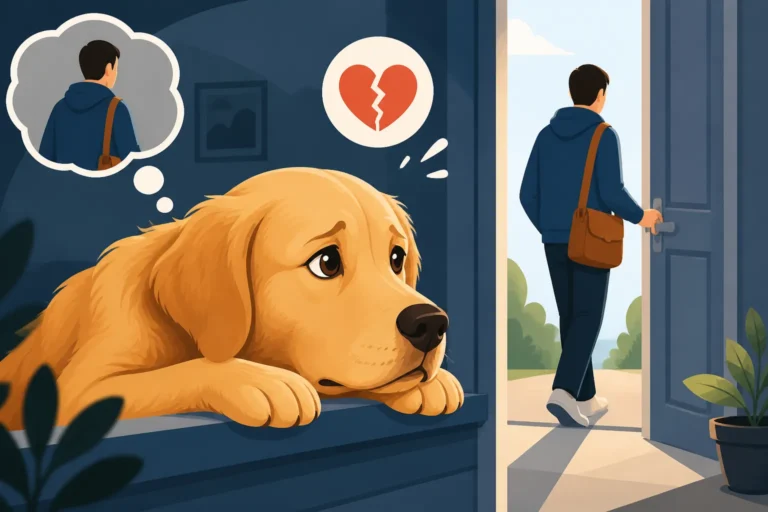
Think about it: in the wild, a puppy left alone is a vulnerable puppy. Their instinct is to stay close to their mother and littermates for safety and warmth. When you bring a Golden puppy home, you become their new "pack." Suddenly, being separated from you, even just for a few minutes, can trigger deep-seated anxieties. They might vocalize (barking, whining, howling) to try and call you back, or they might engage in destructive chewing as a way to relieve stress or because they're simply bored and exploring without supervision. It's not personal; it's primal.
Many Golden puppies are also incredibly sensitive and people-oriented. They thrive on companionship and interaction, so being cut off from that source of comfort and entertainment can be genuinely upsetting for them. This isn't a sign of weakness; it's a testament to their wonderful, social nature. However, it's also a crucial skill they need to learn for their well-being and for the sanity of their human family.
Over-Dependence and Lack of Experience
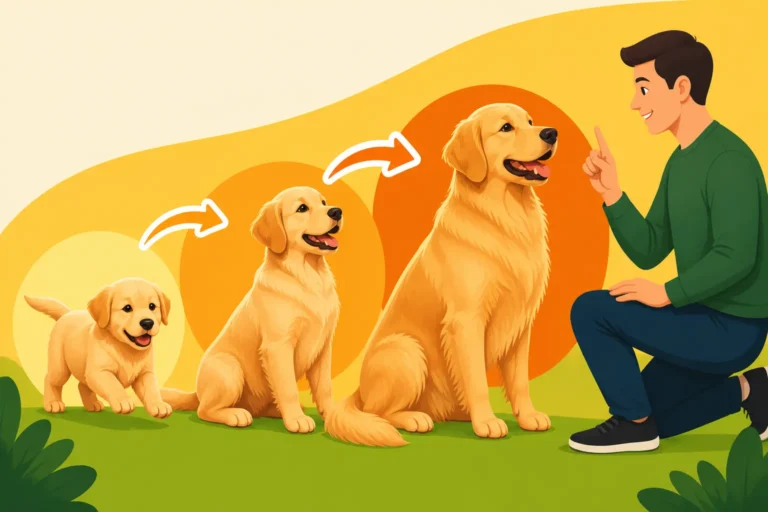
Sometimes, we inadvertently contribute to the problem by constantly being with our puppies. It’s hard not to! They are so adorable. We scoop them up, play with them, let them follow us everywhere. While this builds a strong bond, it can also teach them that your constant presence is the only acceptable state of being. They don't learn how to self-soothe or entertain themselves independently if someone is always there to do it for them.
Furthermore, puppies simply lack the experience and understanding that you will come back. They live very much in the moment. When you disappear, to them, you might be gone forever. This is why gradual, positive exposure is so important – it teaches them that your departures are temporary and always followed by your return. Programs like BAXTER & Bella often emphasize this foundational understanding, explaining how to build this trust from day one. It's about slowly increasing their understanding that alone time is just a normal part of life, not a scary abandonment.
Laying the Groundwork: Creating a Safe and Positive Space for Solitude
Before you even think about stepping out the door, you need to set up an environment where your Golden Retriever puppy feels secure and comfortable when you're not right there. This isn't just about containment; it's about creating a positive association with their designated "alone spot."
The Crate as a Safe Den
For most Golden Retriever puppies, a crate is the absolute best tool for building alone-time tolerance. When introduced correctly, it becomes their personal den – a safe, cozy space where they can relax and feel protected. It taps into their natural instinct to have a small, enclosed area where they feel secure. Don't think of it as a jail, but rather their bedroom.
First, make sure the crate is the right size. It should be large enough for them to stand up, turn around, and lie down comfortably, but not so large that they can designate a potty corner far from their sleeping area. Many crates come with dividers that allow you to adjust the size as your puppy grows. Make it inviting with a soft bed or blanket, and perhaps a t-shirt that smells like you. Placing the crate in a common area initially, like your living room or bedroom, helps them feel less isolated. You want them to think, "This is my comfy place," not "This is where I get put when my humans leave." For more specific guidance, check out Crate Training a Golden Retriever Puppy.
Positive Associations with Alone Time
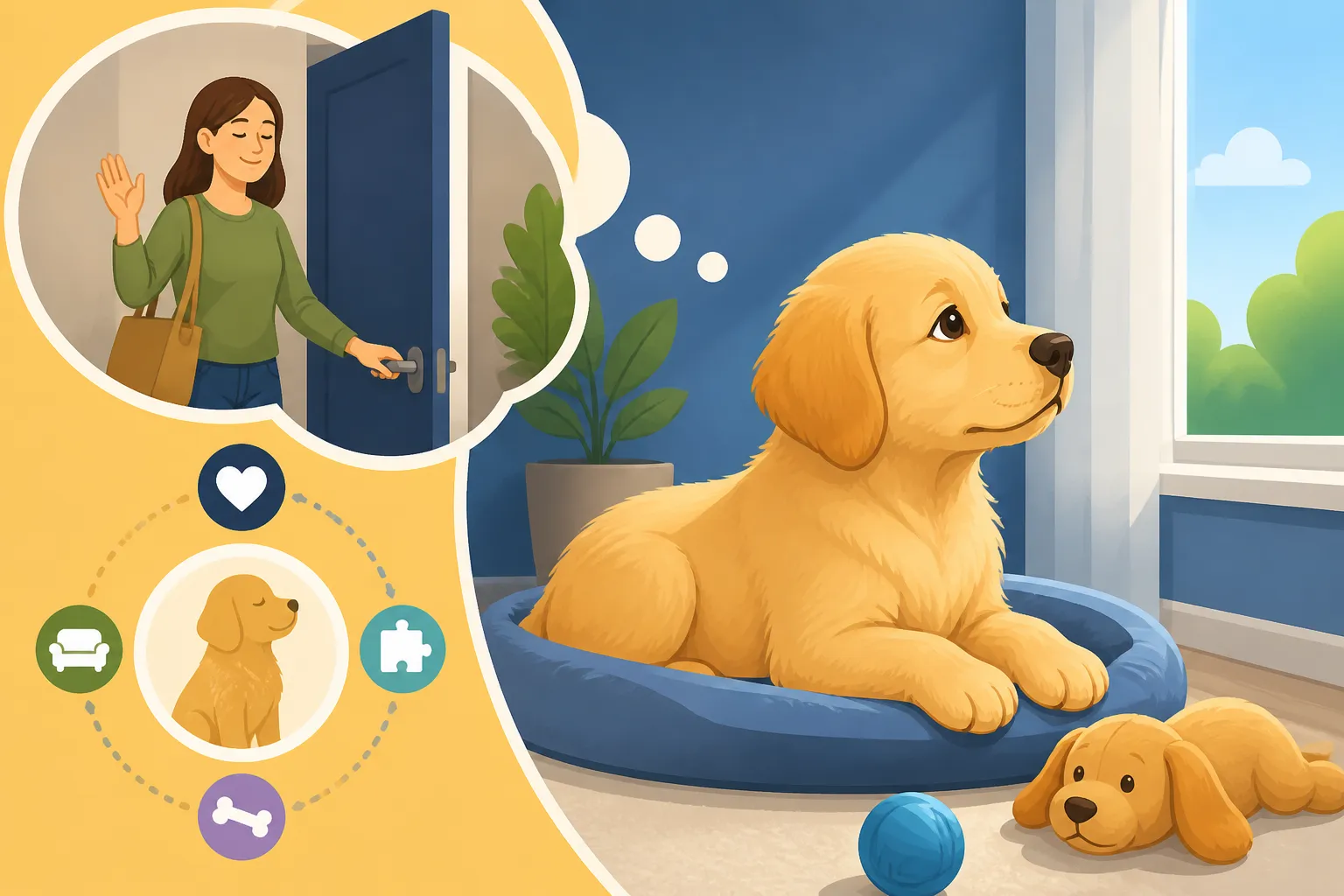
The key to success is making alone time a positive experience, not a punishment. Never use the crate as a time-out tool. Instead, feed your puppy meals in their crate, give them special high-value chew toys or puzzle feeders only when they go into their crate, and praise them whenever they enter it voluntarily.
Before you leave, ensure your puppy has had plenty of exercise and a potty break. A tired puppy is a good puppy, and a comfortable bladder means less stress. Offer a long-lasting, safe chew or a stuffed Kong. You can find a great variety of these on Amazon, from simple Kongs to more advanced electronic treat dispensers that release kibble on a timer. The goal is for them to associate your departure with a delicious, engaging activity that keeps them busy and happy. This positive distraction helps shift their focus away from your absence and onto something enjoyable.
Gradual Exposure: Step-by-Step Training for Alone-Time Success
Once your Golden puppy views their crate or designated space as a positive place, it's time to start the actual process of gradually introducing alone time. This isn't a race; it's a marathon. Patience and consistency are your best friends here.
Short Departures and Quick Returns
Start incredibly small. Put your puppy in their crate with a special treat or toy. Walk to another room, close the door, and immediately come back. Don't make a big fuss when you leave or when you return. The idea is to create a neutral experience. If your puppy didn't whine, great! If they did, wait for a brief lull in the crying before you re-enter. This teaches them that quiet behavior brings you back.
Slowly increase the duration of your absence. Go to the kitchen for a minute, then two, then five. The goal is to return before your puppy gets truly distressed. If you come back to a frantic puppy, you've likely gone too long too fast. The next step is to make things a little harder. Try going outside to get the mail, then sitting in your car for a few minutes. This mirrors real-life departures more closely. Repeat these short stints many times a day, even when you don't actually need to leave. This builds resilience.
Here’s a sample progression:
| Step | Duration Away | Activity for Puppy | Goal |
|---|---|---|---|
| 1 | 15-30 seconds | High-value treat in crate | Introduce absence, immediate return |
| 2 | 1-2 minutes | Stuffed Kong, chew toy | Extend focus on distraction |
| 3 | 5 minutes | Puzzle feeder | Increase duration slightly |
| 4 | 10 minutes | Multiple toys/chews | Practice calm behavior |
| 5 | 15-20 minutes | Kong, nap time | Build comfort with longer periods |
| 6 | 30 minutes | Variety of enrichment | Consolidate self-entertainment |
Remember, consistency is key. Don't skip steps or rush the process. If your puppy struggles at a certain duration, go back to a shorter time and build up again. You can also explore specific techniques covered in Building Alone-Time Tolerance in a Golden Puppy for additional strategies.
Managing Greetings and Departures
The way you handle your departures and arrivals can significantly impact your Golden puppy's alone-time tolerance. We often want to say a big, dramatic goodbye and an even more exciting hello, but this actually heightens their anxiety. A lengthy goodbye can signal to them that something significant is happening, making your absence feel more momentous. A boisterous welcome can reinforce the idea that your return is the only good thing, inadvertently rewarding their anxious waiting.
Instead, aim for calm and understated. When preparing to leave, don't make a big deal about it. Gather your keys, grab your bag, and then simply leave without a fanfare. Five minutes before you go, give them their special treat or toy in their crate and then quietly step out. When you return, wait a few minutes before acknowledging them. Let them settle down first. Once they are calm, you can let them out and offer a calm, affectionate greeting. This teaches them that your comings and goings are normal, non-eventful parts of their day. This neutrality helps reduce the emotional rollercoaster they might otherwise experience.
Troubleshooting Common Alone-Time Challenges and Setbacks
Even with the best intentions and consistent training, you might hit some bumps in the road. It's totally normal for Golden Retriever puppies to have good days and bad days, or to regress during developmental stages like adolescence. Don't get discouraged!
Addressing Whining and Barking
When your Golden puppy whines or barks the moment you leave, your instinct might be to rush back in to quiet them. However, doing so teaches them that their vocalizations are effective tools for getting you to return. This is where patience is crucial. As mentioned earlier, wait for a brief pause in the crying or barking – even just a few seconds of quiet – before you re-enter the room or come back inside. This reinforces silence, not noise.
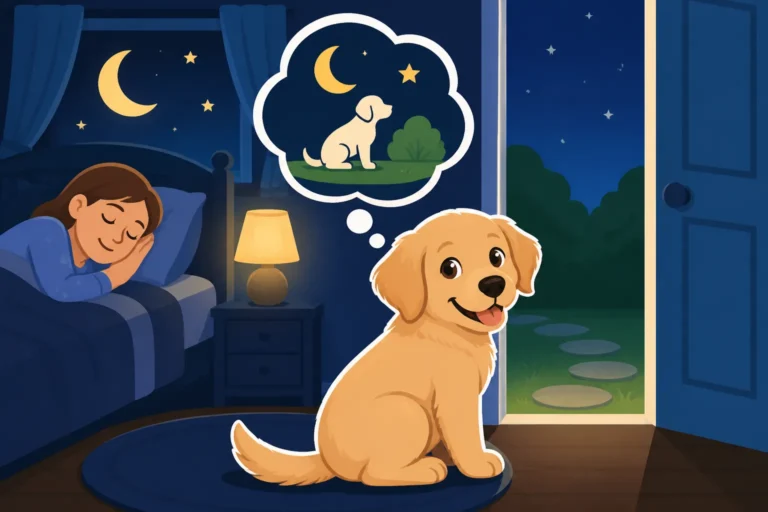
If the crying is relentless and prolonged, you might have gone too far too fast. Re-evaluate your training schedule and go back to a shorter duration where they were successful. You might also need to ensure they have enough mental and physical stimulation before you put them away. A puppy who hasn't had enough exercise or mental engagement will have more pent-up energy to express through barking. Additionally, ensure their potty needs are met; sometimes, they're not distressed, just uncomfortable. Referencing Golden Retriever Puppy Sleep and Night Crying might offer some good insights for nighttime woes which can sometimes cross over into daytime separation issues.
Dealing with Destructive Chewing and Potty Accidents
If you return to a shredded dog bed, chewed baseboards, or a puddle on the floor, it's a clear sign your puppy is stressed, bored, or simply not ready for that duration of alone time. Destructive chewing can be a self-soothing mechanism, a way to expend nervous energy, or simply a sign of boredom. Make sure they have appropriate, durable chew toys when left alone. Many owners find peace of mind with a pet camera, easily found on Amazon, that allows them to monitor their puppy's behavior and intervene (e.g., via a remote treat dispenser or by returning home) before things escalate.
Potty accidents during alone time can be a sign of anxiety, but also that their bladder simply can't hold it for that long. How Long a Golden Retriever Puppy Can Hold It provides guidelines on bladder capacity by age. If accidents are frequent, consider shortening alone times, ensuring a thorough potty break right before crating, and potentially using a crate size that discourages accidents (too big and they'll potty in one corner). For Goldens going through the "teenage phase," you might notice a regression in training, including house-training and alone time tolerance. This is normal, and consistency is vital during this period. Read Golden Retriever Chewing Through Adolescence for more on developmental chewing.
When to Suspect Separation Anxiety
While most puppies simply need time and training to adjust to being alone, some Golden Retrievers develop true separation anxiety. This is more than just normal puppy whining; it's a panic disorder. Signs might include excessive drooling, frantic attempts to escape the crate (potentially causing injury), prolonged howling or barking, destructive behavior focused on exit points (doors, windows), and inappropriate urination or defecation even when they were thoroughly pottied and could hold it.
If you suspect true separation anxiety, consult with your veterinarian or a certified professional dog trainer/behaviorist. This condition often requires a more intensive, tailored approach, potentially involving medication in conjunction with behavior modification. It's important not to punish these behaviors, as they stem from genuine distress. Instead, focus on positive reinforcement and slowly desensitizing your puppy to your departures. Sometimes, even simple strategies like providing adequate Mental Enrichment for a Bored Golden Retriever can make a huge difference, as a bored puppy can exhibit behaviors that mimic anxiety.
Long-Term Strategies for a Confident, Independent Golden
Building alone-time tolerance isn't just about getting through the puppy phase; it's about setting your Golden Retriever up for a lifetime of confidence and independence. These habits will serve them well into adulthood.
Continuing to Practice and Diversify
Don't stop practicing alone time once your puppy is "good" at it. Life is unpredictable, and maintaining these skills is important. Continue to leave them for varying durations, sometimes short, sometimes longer, even when you don't necessarily need to. This reinforces the idea that alone time is just a normal part of their routine. You can also vary the location where you leave them if applicable – sometimes in the crate, sometimes in a puppy-proofed room with a baby gate if they've earned that freedom.
Diversify the types of enrichment you provide. Rotate toys so they don't get bored with the same old things. Try different puzzle feeders, snuffle mats, or interactive toys. Keeping their minds engaged will make alone time a more stimulating experience, rather than just a void. Remember that even adult Goldens benefit from regular mental stimulation to prevent boredom and destructive behaviors.
Recognizing the Importance of Routine
Golden Retrievers thrive on routine. A predictable schedule for potty breaks, meals, playtime, and rest helps them understand what to expect throughout their day. If alone time is a consistent part of that routine, they're much more likely to accept it without protest. If their schedule is erratic, they may feel more anxious and unsure, making alone time harder to manage.
Ensure your puppy has a consistent wake-up time, feeding times, and especially regular potty breaks. Building in designated "quiet time" or "crate time" even when you are home can reinforce the habit of relaxing independently. For instance, after a vigorous play session, offer a chew toy and put them in their crate for a quiet rest. This teaches them that their crate is also a place for calm downtime, not just for when you're leaving. Teaching a Golden Retriever to Sleep Through the Night often involves a structured routine that can be adapted for daytime alone time as well.
The Role of Exercise and Mental Stimulation
A well-exercised and mentally stimulated Golden Retriever is a tired and content Golden Retriever, and a tired Golden is far less likely to act out when left alone. Before you plan to leave your puppy for an extended period, make sure they’ve had a good, energetic play session, a walk, or some training time that engages their brain.
Mental stimulation is just as important as physical exercise for a Golden Retriever. These are intelligent dogs who were bred for jobs that required focus and problem-solving. A game of fetch, a training session practicing new commands, or even a short sniff-walk where they can explore scents can drain their energy effectively. Puzzle toys, as mentioned, are excellent for this. Don't underestimate the power of a mentally satisfied dog. Without proper outlets, that incredible Golden energy can easily turn into destructive or anxious behaviors when they're left without their favorite human.
Disclaimer
This article is for general informational purposes only and does not constitute professional advice. Laws, prices and regulations vary by location and change over time. Consult a qualified professional for guidance on your specific situation.