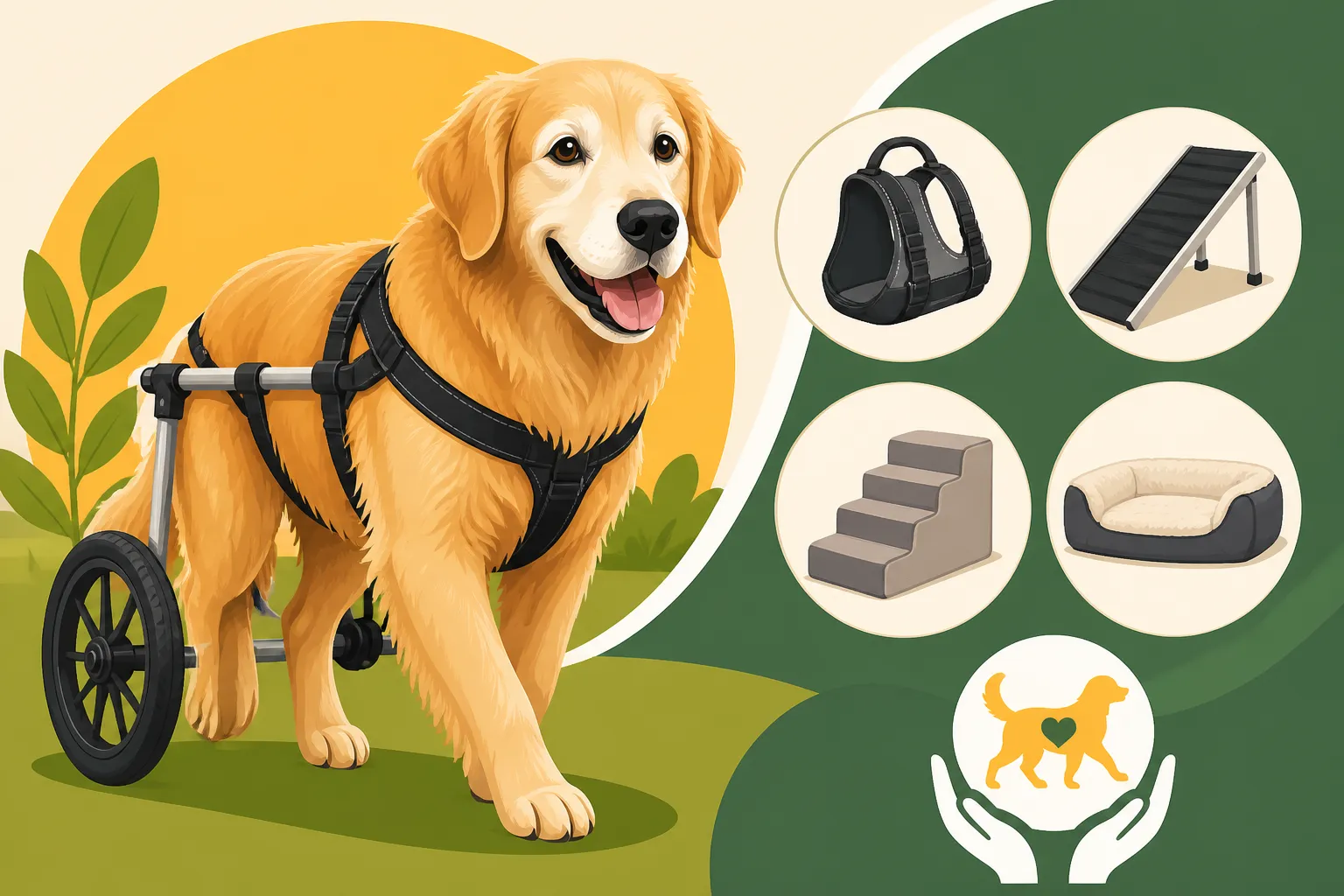
Mobility Aids for an Aging Golden Retriever
Watching our beloved Golden Retrievers, once full of boundless energy and joy, start to slow down can be one of the toughest parts of owning these incredible dogs. Their once effortless leaps onto the couch or enthusiastic charges up the stairs become hesitant, sometimes painful, efforts. This guide is all about navigating those challenging senior years by exploring the many practical mobility aids available to help your aging Golden maintain their comfort, dignity, and quality of life.
Understanding Why Your Golden Needs Mobility Support
It’s heartbreaking to see our active Goldens struggle with everyday movements, and it's even harder when we don't quite understand why they're having trouble. Many factors contribute to a decline in mobility as they age, primarily related to joint health and overall physical condition. Recognising these underlying causes is the first step toward providing the right support.
Common Conditions Affecting Golden Retriever Mobility
Golden Retrievers are generally robust dogs, but they are unfortunately predisposed to certain conditions that can severely impact their mobility as they enter their golden years. The most prevalent issue we see is arthritis, also known as osteoarthritis or degenerative joint disease. This isn't just a minor stiffness; it's a chronic, progressive inflammation of the joints that causes pain, reduced flexibility, and a reluctance to move. It’s like having rusty hinges that hurt with every bend.
Beyond general arthritis, Golden Retrievers are famous for their genetic predisposition to Golden Retriever Hip and Elbow Dysplasia Explained. While often diagnosed in younger dogs, the effects of these developmental conditions become much more pronounced and painful with age. Years of abnormal joint wear and tear lead to significant arthritis in the affected joints. Imagine trying to walk with perpetually dislocated hips or elbows – that's the kind of discomfort some Goldens live with daily. Other less common, but equally debilitating, conditions can include neurological issues like degenerative myelopathy, which causes progressive weakness and paralysis in the hind limbs, or even certain cancers that might affect bone or muscle strength. Understanding these specific challenges helps us tailor the best support.
Early Signs Your Golden Retriever Needs Help
Catching the signs early is absolutely critical. Our Goldens are stoic creatures, often hiding their pain until it's quite advanced. You might notice subtle changes at first: a slight hesitation before jumping into the car, a less enthusiastic greeting at the door, or perhaps they're just not as quick to chase a squirrel as they once were. They might start Arthritis Signs in an Eight-Year-Old Golden like stiffness after waking up from a nap or after a long period of rest. You might observe them licking their joints more often, or their tail wags might become less vigorous.
As the condition progresses, the signs become more obvious. They might struggle to stand up from a lying position, perhaps needing a moment to "collect themselves" or pushing up with their front legs first. Climbing stairs might become a major hurdle, or they might outright refuse. Their gait might change, becoming less fluid, or you might even notice a "bunny hopping" motion with their hind legs as they try to reduce pressure on painful hips. Don't dismiss these as "just old age." These are Signs a Golden Retriever Is in Pain and signals that their body needs some extra assistance. A trip to the vet is essential at this point to get a proper diagnosis and discuss pain management, which often goes hand-in-hand with mobility aids.
Essential Mobility Aids for Around the House
Our homes, designed for upright humans, can become obstacle courses for an aging Golden Retriever. Slippery floors, high beds, and even simply standing up can present real challenges. Thankfully, there are many simple yet incredibly effective aids you can implement right in your living space to make life much easier and safer for your beloved companion.
Orthopedic Beds and Supportive Bedding
Imagine trying to sleep on a hard floor when every joint in your body aches. That's often what an older Golden faces without proper bedding. Orthopedic beds are not a luxury; they are a necessity for senior dogs. These beds are designed to provide superior support and cushioning, alleviating pressure on sore joints and promoting better circulation. They help your Golden get truly restorative sleep, which is vital for healing and overall well-being.
Look for beds made with high-density memory foam, often similar to what's used in human mattresses. Some even incorporate cooling gel layers, which can be wonderful for Goldens prone to overheating or inflammation. Ensure the bed is appropriately sized – your Golden should be able to stretch out completely without their limbs hanging off. Many reputable pet supply retailers, including online giants like Chewy, offer a wide range of high-quality orthopedic beds that can withstand years of use. Investing in a good bed, like those found when researching Orthopedic Bed Prices for a Golden Retriever, can make a profound difference in their comfort levels and ability to get up and move the next morning.
Non-Slip Surfaces and Floor Solutions
One of the biggest culprits contributing to mobility issues for aging Goldens indoors is slippery flooring. Hardwood, laminate, and tile floors offer little to no traction, making it incredibly difficult for dogs with weak joints or hind-end instability to stand, walk, or change direction without slipping and falling. These slips can cause painful injuries and, just as importantly, erode your dog's confidence, making them reluctant to move at all.
A simple solution is to strategically place non-slip rugs or runners in high-traffic areas, especially where your Golden eats, sleeps, or typically walks. Think pathways from their bed to the door, or around the kitchen area. For a more direct solution, consider paw grips or specialized traction socks for dogs. These can give their paws the extra purchase they need on slick surfaces. Some Goldens do very well with soft, comfortable booties that have rubberized soles. The goal is to create a secure environment where they can move freely without the fear of falling.
Ramps and Steps for Furniture and Vehicles
The joy of a Golden Retriever is often expressed through their desire to be close to their people, which often means jumping onto the couch or bed. But as they age, these jumps become dangerous. The impact on their already compromised joints can cause pain, exacerbate conditions like Golden Retriever Hip and Elbow Dysplasia Explained, and lead to further injury. Similarly, getting into and out of cars for vet visits or shorter adventures can become a monumental task.
This is where ramps and steps become indispensable. For indoor furniture, a sturdy set of pet steps or a low-angle ramp can allow your Golden to continue enjoying their favorite spot on the sofa or snuggled in your bed, without the jarring impact of jumping. When choosing an indoor ramp, ensure it has a non-slip surface and is wide enough for your Golden to feel secure. For vehicles, especially SUVs or trucks, a portable folding ramp is a game-changer. Look for one that's lightweight but robust, with a good non-slip tread and sufficient length to create a gentle slope. A steep ramp can be just as difficult and intimidating as jumping. Using these aids helps prevent future injury, a similar concept to understanding why you might avoid Stairs and a Golden Retriever Puppy's Growing Joints for very young pups to protect developing joints.
Harnesses, Slings, and Assistive Devices for Walking
Sometimes, around-the-house aids aren't quite enough, especially when your Golden wants to enjoy their walks, even if they're shorter, or just needs help getting outside for potty breaks. Assistive walking devices can provide the extra stability and support they need to maintain some independence and quality of life.
Support Harnesses and Lifting Slings
For Goldens experiencing hind-end weakness, general instability, or recovering from surgery, a support harness or lifting sling can be a true lifeline. These devices allow you to safely support your dog's weight, taking the strain off their struggling limbs. Imagine your Golden trying to stand up, their hind legs wobbling beneath them. With a sling, you can gently help them up, providing the stability they lack.
There are various types available. Simple rear-end slings are great for quick assists during potty breaks or short walks. These typically wrap around their abdomen just in front of their hind legs, with handles for you to lift. For more comprehensive support, especially if their front end is also weak or if you need to provide more balanced assistance, a full-body mobility harness is an excellent option. These harnesses often feature padded straps that distribute weight evenly and multiple handles, allowing you to lift or steady your Golden as needed. When choosing, prioritize comfort, breathability, and durability. Many online pet retailers, like Chewy, offer a wide array of these types of harnesses. A properly fitted harness ensures no chafing and allows you to assist your Golden without putting strain on your own back.
Mobility Carts and Wheelchairs
While the idea of a dog wheelchair might sound daunting at first, for Goldens with severe mobility loss, particularly in their hindquarters, these carts can be life-changing. Conditions like advanced degenerative myelopathy or severe hip dysplasia might lead to a point where your Golden's hind legs are no longer functional. A wheelchair can restore their independence, allowing them to run, play, and explore, often with renewed enthusiasm.
Most dog wheelchairs are custom-fitted to ensure proper balance and comfort. They typically support the hindquarters, allowing the dog's front legs to propel them forward. It's truly amazing to see a dog, once unable to stand, zoom around with joy in their new wheels. The emotional adjustment for both you and your Golden can take some time, but the benefits often outweigh the initial challenges. These devices aren't just about physical movement; they're about mental and emotional well-being, allowing your Golden to remain an active part of the family rather than being sidelined by their physical limitations.
Paw Protection and Traction Aids
Beyond specific harnesses, sometimes the issue is simply a lack of grip on their paws or sensitivity to surfaces. Older Goldens can sometimes "knuckle over" on their paws, or drag their feet, leading to scrapes and sores. For these situations, paw protection and traction aids can be very beneficial.
Dog booties with non-slip soles can provide excellent traction on slippery surfaces, both indoors and out. They also protect sensitive paws from rough terrain, hot pavement, or even extreme cold. If booties aren't a good fit, individual paw grips that adhere to the pads of their feet can offer similar traction without the bulk of a full bootie. Additionally, regularly applying paw balm, especially during colder months or if their paw pads are dry and cracked, can keep their paws healthy and comfortable. Think about how important Paw Balm and Salt for a Golden Retriever in Winter is for cold weather; similar care applies to general paw health for seniors. These small additions can make a big difference in preventing falls and keeping their paws in good condition.
Lifestyle Adjustments and Holistic Support
Mobility aids are fantastic tools, but they work best when integrated into a broader approach to supporting your aging Golden Retriever. Lifestyle adjustments, combined with proper veterinary care, can significantly enhance their comfort and quality of life.
Weight Management and Diet
One of the most impactful things you can do for an aging Golden with mobility issues is to ensure they maintain a healthy weight. Every extra pound places undue stress on already compromised joints, intensifying pain and accelerating the progression of conditions like arthritis and hip dysplasia. It’s like carrying a heavy backpack all day when your knees already hurt. Managing their weight effectively can significantly reduce pain and improve their ability to move.
Working with your veterinarian to determine your Golden's ideal weight and then tailoring their diet accordingly is paramount. This often means reducing calorie intake, but not at the expense of vital nutrients. Look for high-quality dog foods specifically formulated for senior dogs, which often have fewer calories and added joint-supporting ingredients. Brands like Ollie offer fresh, human-grade food that can be portion-controlled precisely, making weight management easier. These types of diets can also be very palatable, which is important if your senior Golden has a reduced appetite. Understanding Golden Retriever Weight and Joint Damage is crucial, and adjusting their Feeding a Senior Golden Retriever plan is a cornerstone of mobility support.
Supplements and Medications
Beyond diet, specific supplements and prescribed medications can play a vital role in managing pain and supporting joint health. Your veterinarian is the best resource for creating a tailored plan. Commonly recommended supplements include glucosamine and chondroitin, which are building blocks for cartilage and can help reduce inflammation and slow joint degradation. Fish oil, rich in Omega-3 fatty acids, is another popular choice, known for its anti-inflammatory properties, and is often given to improve Fish Oil for a Golden Retriever's Coat as well as joints. Always discuss appropriate dosages with your vet.
For managing pain, veterinarians might prescribe non-steroidal anti-inflammatory drugs (NSAIDs) or other pain relievers. These medications can dramatically improve your Golden's comfort, allowing them to be more active and benefit more from other mobility aids. The costs associated with diagnosing and treating these conditions, including prescription medications, can add up, which is where pet insurance plans like Healthy Paws can be incredibly helpful. While they might not cover the cost of a ramp, they can certainly assist with the veterinary bills for diagnosing and managing the underlying conditions that necessitate mobility aids. Making informed choices about Joint Supplements for a Golden Retriever and other medical interventions is a conversation you should always have with your vet.
Physical Therapy and Low-Impact Exercise
Even with joint issues, some form of exercise is still crucial to maintain muscle mass and joint flexibility. However, it needs to be carefully managed to avoid further injury or pain. The goal is low-impact activities that keep muscles strong without stressing joints excessively.
Hydrotherapy, such as swimming in a heated pool, is often recommended as an excellent low-impact exercise. The buoyancy of the water takes pressure off the joints while allowing your Golden to move their limbs and build muscle. Gentle, controlled leash walks on soft surfaces (like grass or dirt trails) are also beneficial, keeping walks shorter and more frequent if needed. Physical therapy, under the guidance of a certified veterinary rehabilitation specialist, can offer a range of tailored exercises, massage, laser therapy, and other techniques to improve strength, flexibility, and balance. These therapies can be incredibly effective in Slowing Arthritis Down in an Older Golden Retriever and can complement the use of mobility aids. When a Golden Retriever has Physical Therapy for a Golden Retriever With Bad Hips, it’s not just about managing pain, but actively working to improve their function and comfort.
Comparison of Mobility Aids
Here’s a quick overview of some common mobility aids and their primary uses, pros, and cons.
| Mobility Aid | Primary Purpose | Pros | Cons |
|---|---|---|---|
| Orthopedic Bed | Joint support, comfort, improved rest | Alleviates pressure, reduces morning stiffness, improves sleep quality | Can be bulky, higher cost than standard beds |
| Non-Slip Rugs/Socks | Increase traction on slippery floors | Prevents falls, builds confidence, relatively inexpensive | Socks can fall off, rugs may shift, aesthetic concerns |
| Ramps/Steps | Assist with elevation changes (beds, cars, couches) | Prevents jumping impact, reduces strain on joints, safe for owners | Can be cumbersome, takes up space, dog may need training to use |
| Support Harness/Sling | Manual assistance for standing, walking, toileting | Provides immediate support, allows continued mobility, owner-friendly | Requires owner participation, can be warm in summer, needs proper fit |
| Mobility Wheelchair | Full support for severe hind-end weakness/paralysis | Restores independence, allows exercise and play, improves mental health | Significant investment, requires adjustment for dog and owner, bulky |
Disclaimer
This article is for general informational purposes only and does not constitute professional advice. Laws, prices and regulations vary by location and change over time. Consult a qualified professional for guidance on your specific situation.