Stairs and a Golden Retriever Puppy’s Growing Joints
It's completely natural to feel a mix of excitement and anxiety when you bring home a bouncy Golden Retriever puppy. You want to give them the world, but also protect their fragile, developing bodies. One common concern that weighs heavily on new owners is navigating stairs – are they safe for those little growing joints, or could they be doing more harm than good? This guide is here to unravel that mystery, offering clear, empathetic advice on how to protect your Golden puppy's joints from potential strain caused by stair use, ensuring they grow into strong, healthy adults.
Understanding Golden Retriever Joint Development
Before we dive into the "what" and "how" of stairs, it's crucial to understand the delicate stage your Golden Retriever puppy's joints are in. They aren't just miniature adult dogs; their skeletal system is undergoing rapid, significant changes that make them particularly vulnerable to injury.
The Critical Period of Growth Plate Closure
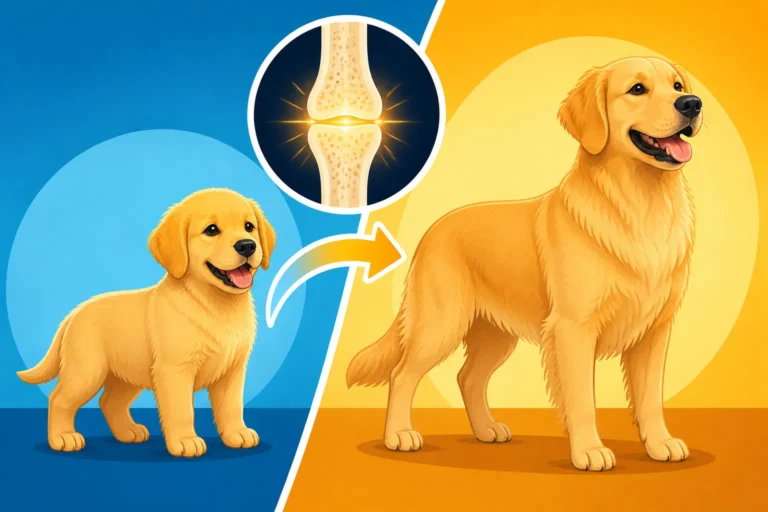
Every long bone in your Golden Retriever puppy's body has what's called a growth plate, or epiphyseal plate. These are areas of cartilage near the ends of bones that produce new bone tissue, allowing the bones to lengthen as your puppy grows. Think of them like the flexible, soft spots that are rapidly building the framework of your puppy's adult size. Until these plates completely "close" or ossify – meaning they turn from cartilage into solid bone – they are incredibly vulnerable to injury.
For Golden Retrievers, a large and fast-growing breed, these growth plates typically remain open until they are around 12 to 18 months old, though some can close a bit earlier or later. During this critical window, any excessive or repetitive stress, concussive impact, or awkward twisting motions can cause damage to these delicate plates. A serious injury to a growth plate can lead to abnormal bone growth, potentially resulting in lifelong lameness, uneven limb length, or increased susceptibility to conditions like arthritis down the road. It's why veterinarians often caution against intense, forced exercise or activities like prolonged running or jumping before your Golden is fully mature. The goal is to allow the bones to develop naturally and fuse strongly without interference. You can read more about When a Golden Retriever's Growth Plates Close to get a better understanding of this crucial developmental phase.
Genetic Predisposition to Joint Issues
Golden Retrievers are, unfortunately, genetically predisposed to certain joint conditions, primarily hip and elbow dysplasia. Hip dysplasia occurs when the hip joint doesn't form correctly, leading to a loose joint that can eventually degenerate. Elbow dysplasia is a more complex condition involving several developmental abnormalities in the elbow joint. While genetics play a significant role, it's not the whole story. Environmental factors during a puppy's crucial growth period can dramatically influence whether these genetic predispositions manifest and to what severity.
Even if your Golden Retriever puppy comes from parents with excellent health clearances, meaning they've been screened and found free of these conditions, it doesn't grant them immunity. How you manage their exercise, nutrition, and daily activities, like navigating stairs, can either support healthy joint development or exacerbate any underlying genetic tendencies. It’s a bit like having a genetic predisposition to certain health issues as a human – lifestyle choices can often make a big difference. This is why being extra careful with activities that stress their joints, such as repetitive stair climbing, is a common recommendation, even for puppies from the best breeding lines.
The Impact of Stairs on Puppy Joints
It’s easy to think of stairs as just part of daily life, but for a young Golden Retriever puppy, they represent a considerable physical challenge that can have real consequences for their developing joints.
Repetitive Stress and Microtrauma
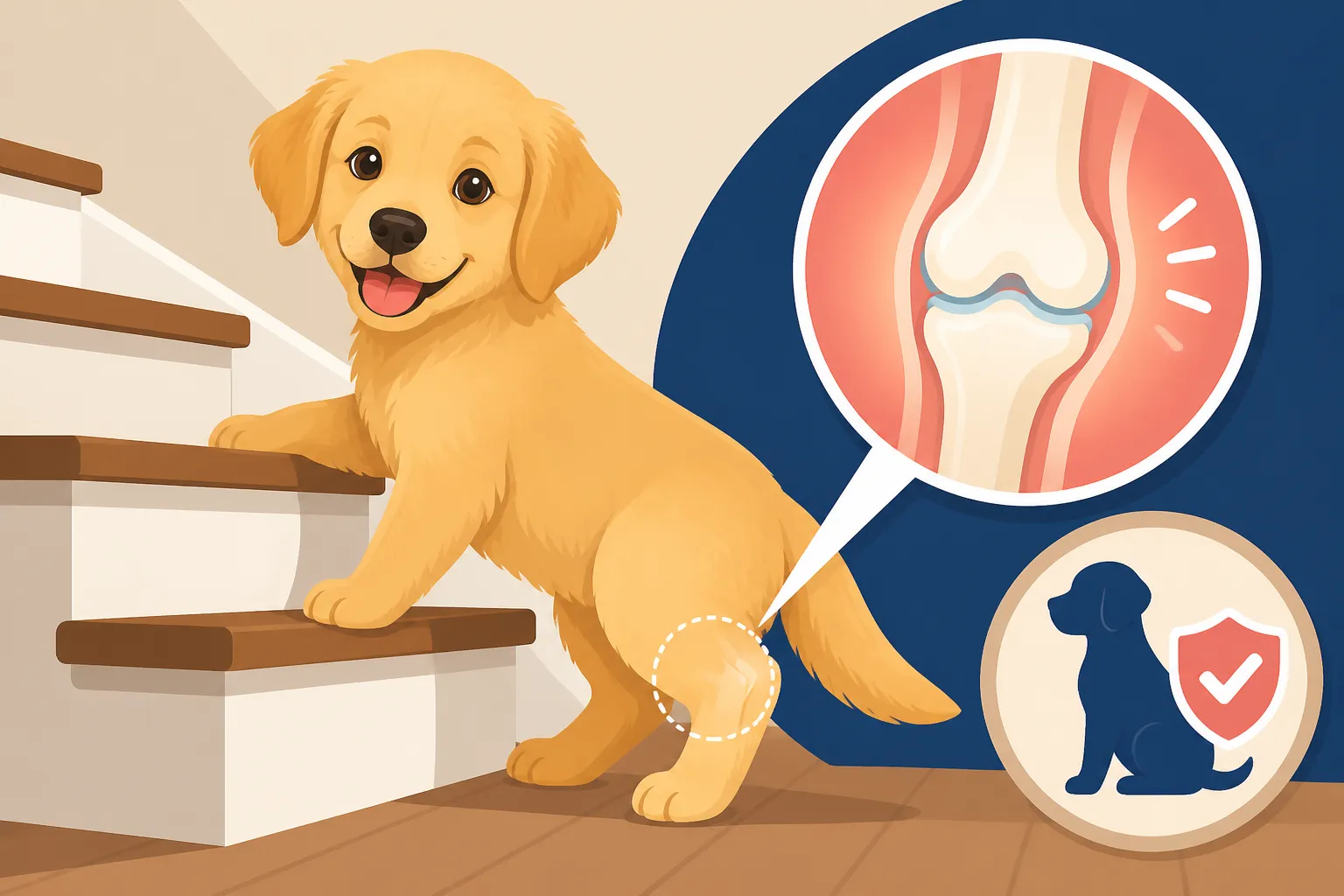
Imagine doing hundreds of lunges or deep squats on a daily basis with a body that’s still figuring out how to balance and move efficiently. That’s a bit like what stairs are for a puppy. When a young Golden Retriever puppy repeatedly goes up and down stairs, especially multiple times a day, it subjects their developing joints – particularly in the hips, knees, and elbows – to repetitive stress. Going up stairs requires a significant push-off from the hindquarters, while going down stairs places considerable impact and jarring forces on the front limbs.
This constant, repeated strain can lead to what's known as microtrauma. These are tiny, cumulative injuries to the cartilage, ligaments, and growth plates that might not cause immediate lameness or pain but can add up over time. Think of it like bending a paperclip over and over; eventually, it weakens and breaks. For a puppy, this microtrauma can disrupt the normal development of the joint, potentially leading to instability, inflammation, and long-term issues like osteoarthritis. While an occasional trip up or down a couple of stairs might be fine, making it a regular, uncontrolled part of their routine is where the risk significantly increases. Owners often don't realize the quiet damage being done until much later, when their dog starts showing signs of joint pain.
Awkward Mechanics and Increased Load
Golden Retriever puppies, bless their clumsy hearts, are not designed with perfect biomechanics for navigating stairs. Their bodies are rapidly changing – their legs might be gangly, their coordination still developing, and their proportional strength not yet fully balanced. This means they often move awkwardly on stairs. They might bound, stumble, or rely disproportionately on certain limbs because they haven't learned efficient, controlled movements.
When they do this, the force on their joints is magnified. For instance, when a puppy leaps down a stair rather than stepping, the impact force on their elbows and shoulders can be several times their body weight. Their muscles aren't yet strong enough to properly support and stabilize their joints under such loads. This increased mechanical load, combined with their still-soft growth plates and developing ligaments, creates a recipe for potential injury. It’s not just about the impact; it’s about the uncontrolled impact. This is particularly relevant for a breed prone to conditions like Golden Retriever Hip and Elbow Dysplasia Explained, where the foundational health of these joints is paramount. It's a common concern that contributes to why many Golden Retrievers end up needing careful management of conditions like Golden Retriever Arthritis and Joint Decline later in life.
Safe Stair Navigation Strategies for Golden Retriever Puppies
So, what’s a devoted Golden Retriever parent to do when stairs are a part of their home? The good news is there are plenty of practical strategies to keep your puppy safe and sound.
Limiting Access and Supervision
The simplest and most effective strategy for managing stair use with a young Golden Retriever puppy is to limit their access entirely, especially during their most vulnerable period. Baby gates are your best friend here. Install sturdy gates at the top and bottom of any staircases in your home. This prevents your puppy from attempting to climb or descend stairs unsupervised, which is when the highest risk of injury occurs due to excited bounding or clumsy tumbles.
For puppies under the age of roughly 4-5 months, and especially for those tiny bundles of fluff who are just learning to navigate the world, the safest approach is to carry them up and down the stairs. Yes, they get heavy quickly, but those few months of extra effort can make a huge difference in their long-term joint health. As they get a bit older, around 6-12 months, and if they must use stairs occasionally, always supervise them closely. Encourage them to go slowly, one step at a time, and avoid letting them rush or jump. Many vets recommend waiting until a Golden Retriever is at least 12-18 months old, after their growth plates have largely closed, before allowing unlimited stair access. Until then, treat stairs as an obstacle to be managed, not a daily playground.
Teaching Safe Stair Climbing
If stairs are an unavoidable part of your daily life, and your Golden Retriever puppy is approaching the later stages of their growth plate closure (around 9-12 months), you can begin to teach them how to use stairs safely. This isn't about letting them rocket up and down; it's about controlled, deliberate movement. Start with just a couple of steps, always on leash, and encourage them with treats. Place a treat on the next step, let them take one step, praise them, and repeat.
The key is to reinforce slow, deliberate steps, making sure they place each paw carefully. Never let them rush. If they start to bound or jump, gently guide them back down and restart the exercise. Teaching "wait" or "slow" commands can be incredibly useful. Some trainers even recommend teaching them to go down stairs backward initially, as it places less strain on the front joints, though this requires careful instruction and a very patient puppy! Remember, this isn't about building speed, it's about building mindful movement to minimize impact. This kind of careful, controlled training is also crucial for preventing other common issues like Golden Retriever Puppy Nipping at Children by keeping them calm and focused.
Alternatives and Aids
Sometimes, completely avoiding stairs isn't practical, especially if you have a multi-story home or need to get your Golden into a vehicle with a high entry. This is where alternatives and aids come into play. For outdoor steps or car access, a dog ramp can be an absolute lifesaver. Ramps eliminate the impact and strain of steps, providing a gentle incline that's much safer for developing joints. Look for sturdy, non-slip ramps that are wide enough for your Golden and have a gentle slope. Brands like PetSafe or WeatherTech offer durable options that can easily be folded and stored.
For indoor stairs, if carrying your growing Golden is becoming impossible, and gates are inconvenient for brief passages, consider temporary, soft steps or modular stair covers that provide a bit of cushioning. Ultimately, regular observation of your puppy’s gait and behavior is paramount. Any limping, stiffness, reluctance to use stairs, or changes in how they move should prompt a call to your veterinarian. Early intervention can prevent minor issues from becoming major problems, and with pet insurance providers like Healthy Paws, you can feel more secure about covering potential diagnostic and treatment costs if a joint issue arises.
When to Consult Your Vet About Joint Concerns
Even with the most careful management, issues can sometimes arise. Knowing when to seek professional veterinary advice is crucial for your Golden Retriever's long-term health.
Recognizing Signs of Discomfort or Injury
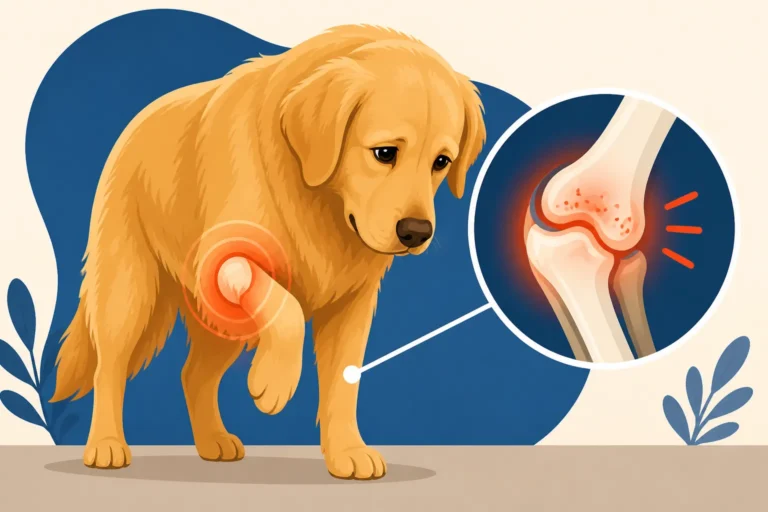
Your Golden Retriever puppy can't tell you in words if they're in pain, so it's up to you to be a diligent observer of their behavior and movement. Any change from their normal, joyful puppy antics could be a subtle sign of discomfort or injury. Look for:
- Limping or favouring a leg: This is often the most obvious sign. It might be intermittent or constant, mild or severe.
- Reluctance to move: They might hesitate before jumping onto furniture (if allowed), going up or down stairs, or even just getting up after resting.
- Changes in gait: This could include a "bunny hopping" motion with their hind legs when running, a stiff or unusual stride, or a general awkwardness. The Bunny Hopping Gait in Golden Retrievers is a classic symptom often associated with hip issues.
- Vocalization: Whining, yelping, or growling when touched or moving in certain ways can indicate pain.
- Lethargy or reduced playfulness: While Goldens are naturally energetic, a sudden drop in their enthusiasm for play or walks could be a sign of underlying discomfort.
- Swelling or tenderness: Gently feel along their legs and joints. Any warmth, swelling, or painful reaction to touch warrants immediate attention.
- Difficulty with grooming: If they struggle to reach certain areas to lick or scratch, it could be due to pain or stiffness.
Never dismiss these signs, especially in a growing puppy. What might seem like a minor limp could be an early indicator of something more serious, like a growth plate injury or the onset of dysplasia. An early diagnosis is often key to effective management and better long-term outcomes. Remember that a good pet insurance plan, such as one from Healthy Paws, can be invaluable for covering the costs of diagnostics and treatments if these concerns arise.
Proactive Joint Health Measures
Beyond careful stair management, there are several proactive steps you can take to support your Golden Retriever puppy's joint health throughout their life.
- Proper Nutrition: This is foundational. Choose a high-quality large breed puppy food that is specifically formulated to support slow, steady growth. Avoid "all life stages" foods for puppies, as these often have higher calcium and phosphorus levels that can contribute to rapid growth and skeletal abnormalities in large breeds. Your vet can advise on the best diet and Golden Retriever Puppy Feeding Amounts and Schedule to prevent issues like Why Fast Growth Damages a Golden Retriever's Joints.
- Maintaining a Healthy Weight: Obesity is a huge burden on joints, exacerbating conditions like hip and elbow dysplasia and increasing the risk of arthritis. Keep your Golden Retriever puppy lean. You should be able to easily feel their ribs without pressing hard, and they should have a discernible waist when viewed from above. Regularly checking their Golden Retriever Body Condition Scoring can help you stay on track. This also ties into the overall advice of How Extra Weight Shortens a Golden Retriever's Life.
- Controlled Exercise: While Goldens need plenty of exercise, it should be appropriate for their age. Avoid forced, high-impact activities like long runs on pavement, intense agility work, or excessive jumping until their growth plates have closed. Focus on gentle, free-play, swimming (excellent for joints!), and short, leashed walks. For more guidance, explore Exercise Limits for a Golden Retriever Puppy.
- Supplements (with vet advice): Once your Golden Retriever is older or if they show signs of joint stiffness, your vet might recommend joint supplements containing glucosamine, chondroitin, and omega-3 fatty acids. These can help support cartilage health and reduce inflammation. However, always consult your veterinarian before adding any supplements to your dog's diet, as not all are created equal, and dosages need to be correct. You might find more details in Joint Supplements for a Golden Retriever.
- Regular Veterinary Check-ups: Routine vet visits aren't just for vaccinations. They allow your vet to monitor your puppy's growth, assess their gait, and catch any subtle signs of joint issues early. They can also provide guidance on preventative care tailored to your individual puppy.
By combining careful management of environmental factors like stair use with these proactive measures, you're setting your Golden Retriever up for the best possible chance at a long, active, and comfortable life.
Stair Guidelines by Age for Golden Retriever Puppies
Here's a quick reference table summarizing general guidelines for stair use with your Golden Retriever puppy. Remember, every puppy is an individual, so always prioritize vet advice and observe your puppy's comfort and coordination.
| Age Range | General Guideline | Risk Level |
|---|---|---|
| 8 weeks – 4 months | Avoid stairs entirely. Carry your puppy up and down. | High |
| 4 months – 8 months | Strictly limited use. Carry whenever possible. Supervise closely for occasional use, 1-2 steps at a time. | Moderate-High |
| 8 months – 12 months | Controlled, supervised use. Teach slow, deliberate steps. Avoid rushing or jumping. Consider ramps. | Moderate |
| 12 months – 18 months | Increased freedom, still observe. Most growth plates closed. Monitor for fatigue or stiffness after heavy use. | Low-Moderate |
| 18 months + | Generally safe for normal stair use if joints are healthy. Continue to monitor for discomfort. | Low |
Disclaimer
The information provided in this article is for general informational purposes only and is not a substitute for professional veterinary advice. Always consult with a qualified veterinarian regarding your Golden Retriever's health, medical conditions, and any treatment options. Individual results may vary.