Thunderstorm Fear in Golden Retrievers
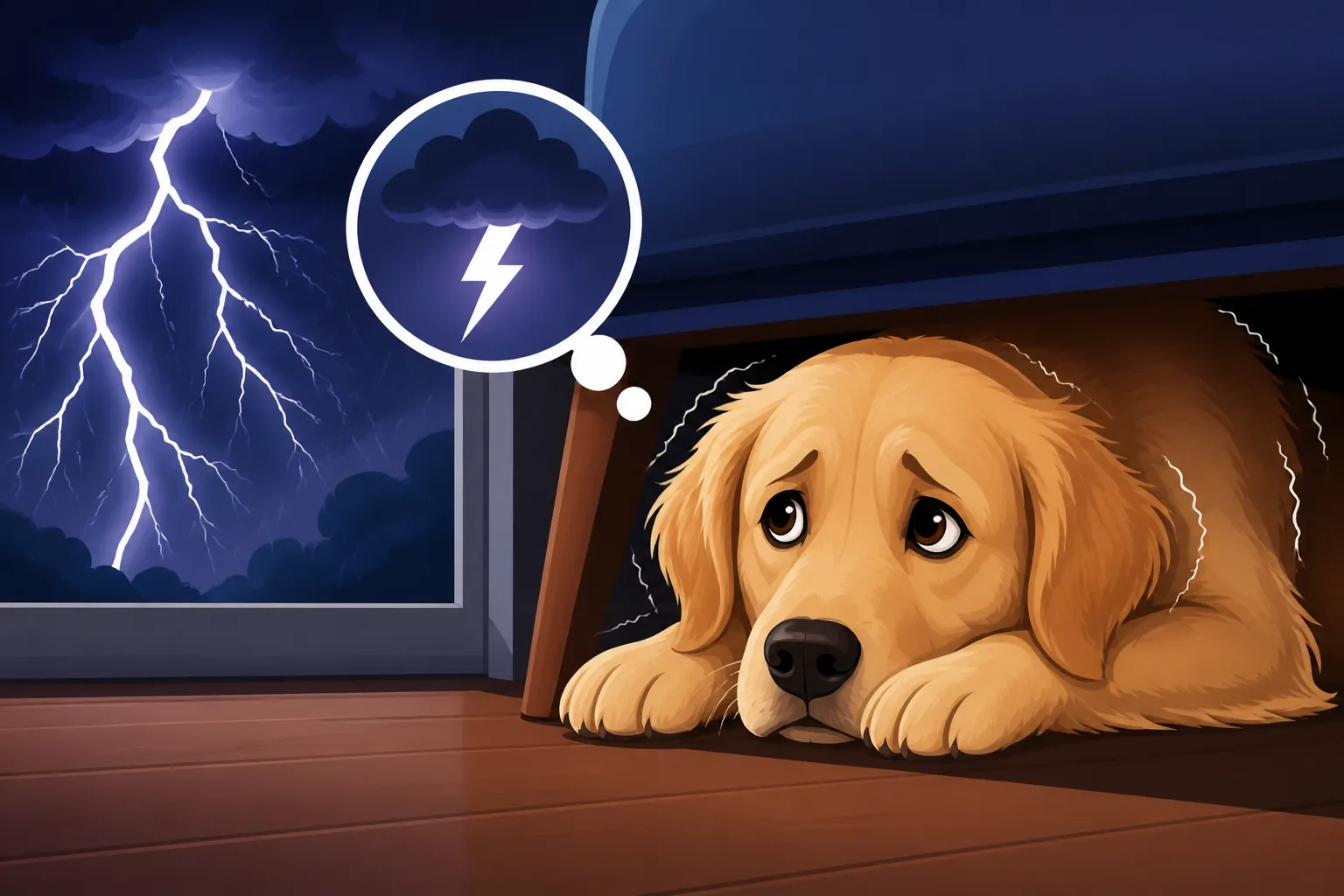
There's nothing quite as heartbreaking as watching your cheerful, confident Golden Retriever transform into a quivering, panting mess at the first rumble of thunder or flash of lightning. Many of us have experienced this, feeling utterly helpless as our beloved companions try to hide in the bathtub, scratch at doors, or pace frantically. This guide is here to walk you through understanding why thunderstorms are so terrifying for Golden Retrievers and offer practical, empathetic strategies to help your furry friend cope with their storm phobia.
Understanding Why Thunderstorms Terrify Your Golden Retriever
It's easy to dismiss a dog's fear of storms as simply being scared of loud noises, but for many Golden Retrievers, it's a much more complex and overwhelming experience. Their highly sensitive nature, combined with a keen sense of hearing and smell, makes a thunderstorm a full-sensory assault that can trigger deep-seated anxiety. It’s not just a passing fright; it’s a genuine phobia that deserves our understanding and gentle intervention.
The Multi-Sensory Assault of a Storm
Imagine experiencing a storm with senses far more acute than your own. For a Golden Retriever, a distant rumble isn't just a sound; it's a vibration felt through their paws and body long before you hear it. The sudden flashes of lightning are disorienting, and the barometric pressure changes can be incredibly unsettling, causing physical discomfort. Some theories even suggest dogs can detect the static electricity in the air before a storm, which can feel like tiny shocks or an oppressive charge on their fur, leading to an urge to ground themselves, often by seeking out porcelain or metal fixtures.
On top of that, Goldens are masters of scent. The ozone created by lightning, the distinct smell of rain, and even the subtle changes in the air currents all provide information about an approaching storm. What might seem like a peaceful summer shower to us is a barrage of overwhelming, confusing, and often painful sensations for them. This intense sensory input can trigger a primal fear response, leading to the frantic behaviors we observe.
Genetic Predisposition and Early Experiences
While any dog can develop storm phobia, some Golden Retrievers seem particularly prone to it, and genetics may play a role. Anecdotally, breeders and owners have noticed certain lines or families of Goldens tend to produce more storm-sensitive individuals. This isn't to say it's inevitable, but if a puppy's parents or close relatives show strong storm anxiety, it's something to be aware of and proactively work on. Early life experiences also profoundly shape how a Golden reacts to storms. A traumatic or particularly intense storm during their critical socialization period, or even a lack of positive exposure to varied sounds, can lay the groundwork for a lifelong phobia.
Conversely, some Goldens develop this fear later in life, sometimes as they age and their senses become more acute or their hearing starts to decline, making sudden loud noises more jarring. A previous negative experience, perhaps being alone during a violent storm, could also trigger a phobia that wasn't present before. It's a complex interplay of nature and nurture, and knowing your dog's history and genetic background can offer valuable insights.
Recognizing the Subtle and Obvious Signs of Storm Anxiety
Sometimes, our Goldens are masters of subtle communication, and we might miss the early warnings of their distress. It’s crucial to learn to read their body language, not just during the peak of a storm but also in the moments leading up to it, which can begin hours in advance. Understanding these signs is the first step in providing effective comfort and intervention. Pay close attention to changes in their typical behavior, even if they seem minor.
Behavioral Indicators Before, During, and After a Storm
Long before the first drop of rain or clap of thunder, a storm-anxious Golden might start showing signs. You might notice them becoming clingier, following you from room to room, or trying to curl up unusually close. Others might begin pacing, panting without exertion, or yawning repeatedly. Some Goldens will actively seek out small, enclosed spaces like bathrooms, closets, or even under beds – anywhere that feels like a safe, dark den. They might also become destructive, chewing on furniture, scratching at doors, or trying to escape the house, driven by a desperate need to find perceived safety. This is not defiance; it's panic.
During the storm, these behaviors often escalate. Intense shaking, drooling, excessive barking or whining, and even urination or defecation indoors (even if fully house-trained) are common. They may try to jump into your lap or press against you with all their weight. Separation Anxiety Versus Boredom in a Golden Retriever shares some overlapping behaviors, as both involve significant distress when feeling unsafe or alone. After the storm passes, it can take a while for them to calm down. They might remain subdued, exhausted, or still slightly jumpy, demonstrating the lingering impact of the stress they've endured.
Physical Manifestations of Fear
Beyond behavioral cues, Golden Retrievers experiencing storm anxiety often exhibit clear physical symptoms that point to their distress. Observe their body for changes like dilated pupils, tucked tail, flattened ears, or an arched back. They might lower their head or avert their gaze, trying to make themselves seem smaller or avoid eye contact, which is a common appeasement gesture in stressed dogs. Their breathing might become shallow and rapid, often accompanied by excessive panting, even in cool temperatures. Drooling or salivation can increase dramatically, sometimes to the point of creating puddles.
Their coat might even show signs – "piloerection," or raised hackles, especially along their spine, indicates fear or arousal. Some Goldens will shed excessively during a stressful event, leaving clumps of hair behind wherever they've been. If you gently touch them, you might feel muscle tension or a rapid heartbeat. These physical signs are involuntary stress responses, a clear indication that their sympathetic nervous system (the "fight or flight" response) is in overdrive. It's truly heartbreaking to witness, and it underscores the need for compassionate and effective intervention.
Practical Strategies for Calming Your Golden During a Thunderstorm
The good news is that there are many ways we can help our Goldens navigate the terrifying experience of a thunderstorm. The key is to be proactive, creating a comforting environment, and, where possible, working on long-term desensitization. It's about providing a sense of safety and predictability in a chaotic situation. Remember, punishing your dog for their fear only makes it worse; they can't help feeling this way.
Creating a Safe Haven and Den
One of the most immediate and effective things you can do is create a designated "safe space" for your Golden Retriever. Think of it as their personal storm bunker. This could be a crate covered with a heavy blanket, a walk-in closet, a bathroom, or even a quiet corner of the basement. The goal is to choose a location that minimizes light and sound, and where they feel secure. Place their favorite bed, blankets, and toys inside, along with some comforting items that smell like you. Many Goldens instinctively seek small, dark spaces, so leaning into this natural inclination can be very helpful.
Consider adding white noise or calming music to this space to help mask the sound of thunder. A fan, air purifier, or a white noise machine can make a big difference. For those really intense storms, some owners even play classical music or specialized "dog relaxation" tracks from platforms like Amazon. The idea is to create a consistent, positive association with this space, so they learn to retreat there proactively when they start to feel anxious. Ensure they have access to water and can enter and exit freely, even if they choose to stay put. This safe space can also be invaluable for managing Separation Anxiety in Golden Retrievers.
Desensitization and Counter-Conditioning Techniques
For long-term improvement, desensitization and counter-conditioning are powerful tools, though they require patience and consistency. Desensitization involves gradually exposing your Golden to storm-related sounds at a very low, non-threatening volume, slowly increasing it over time. You can find recordings of thunderstorms online or through specific apps. Start by playing the sound barely audibly while your dog is relaxed and engaged in a positive activity, like eating a meal or playing with a favorite toy.
The "counter-conditioning" part comes in by associating these sounds with something positive. Every time the storm sound is playing, offer high-value treats, praise, or engage in a game they love. The moment the sound stops, the positive reinforcement stops. The goal is to change their emotional response from fear to anticipation of good things. This is a slow process; if your dog shows any signs of fear, you've gone too fast, and you need to dial back the volume. Consider structured online training programs like those from BAXTER & Bella, which often include modules on managing anxiety and can guide you through these techniques step-by-step. Remember, consistency is key, and it’s a marathon, not a sprint. Socializing a Golden Retriever Puppy often includes early exposure to various sounds, which can help prevent phobias from developing.
Environmental Modifications and Calming Aids
Beyond a safe haven and training, several environmental modifications and calming aids can support your Golden during a storm. Heavy curtains or blackout blinds can block out disorienting lightning flashes. "Grounding" their static electricity could involve keeping a damp cloth nearby to wipe down their fur or providing a ceramic tub or metal sink for them to lie in if that's where they instinctively gravitate.
Many owners find success with calming aids. Thundershirts or anxiety wraps apply gentle, constant pressure, much like swaddling a baby, which can have a remarkably calming effect on some dogs. There are also various pheromone diffusers or sprays designed to release dog-appeasing pheromones, which mimic the calming scent a mother dog emits, creating a sense of security. Discuss these options with your vet to see if they might be a good fit for your Golden. You can often find Thundershirts and pheromone diffusers available on Amazon, making them easy to acquire quickly when a storm is predicted.
| Calming Aid Type | How It Helps | When to Use It |
|---|---|---|
| Safe Den/Crate | Provides a secure, dark, sound-dampened retreat; fulfills natural instinct | Before/during all storms; can be a permanent chill-out spot |
| White Noise/Music | Masks thunder and other startling storm sounds; provides consistent background | Before/during all storms, particularly if your Golden is sound sensitive |
| Thundershirt/Wrap | Applies gentle, constant pressure to soothe anxiety; like a comforting hug | Put on before the storm starts if possible; can be worn during |
| Pheromone Diffusers | Releases calming dog-appeasing pheromones into the air | Plug in near safe space; continuous use for general anxiety support |
| High-Value Treats | Creates positive association with storm sounds/safe place | During desensitization training; as a distraction during mild storms |
When to Seek Professional Help for Severe Storm Phobia
While many Goldens can benefit from the strategies above, some experience such intense fear that professional intervention becomes necessary. It's important to recognize when the anxiety is beyond what you can reasonably manage on your own and when it's significantly impacting your Golden's quality of life. Don't feel like you've failed if you need to reach out; severe phobias often require a multi-faceted approach involving experts.
Consulting Your Veterinarian About Medical Options
Your first stop for severe storm phobia should always be your veterinarian. They can rule out any underlying medical conditions that might be exacerbating the anxiety or causing discomfort. For example, joint pain or hearing issues could make a dog more sensitive to environmental changes or loud noises. Once physical health is cleared, your vet can discuss pharmaceutical interventions. There are various medications available, from fast-acting situational anxiety medications given just before a storm, to daily anti-anxiety medications for Goldens with persistent, severe phobia.
These medications are not a "cure-all" but can significantly lower your dog's anxiety threshold, making them more receptive to behavioral training and environmental modifications. Your vet will consider your Golden's overall health, age, and the severity of their symptoms to determine the most appropriate and safest course of action. They can also advise on supplements that might help, such as L-Theanine or Zylkene, which can have calming effects. Openly discuss all your concerns with your vet; they are your best resource for medical management.
Working with a Certified Professional Dog Trainer or Behaviorist
For comprehensive and lasting solutions, partnering with a certified professional dog trainer specializing in fear and anxiety, or a veterinary behaviorist, is often the most effective route. These professionals have expertise in animal behavior and can help you develop a tailored behavior modification plan. They'll assess your Golden's specific triggers, body language, and the severity of their phobia to create a program that includes advanced desensitization and counter-conditioning techniques. They can also address any secondary behaviors that might have developed, such as destructive tendencies or aggression fueled by fear.
A veterinary behaviorist, in particular, has a veterinary degree in addition to specialized training in animal behavior, allowing them to prescribe medication and integrate it seamlessly with behavior modification. They understand the complex interplay of genetics, environment, and neurochemistry that contributes to phobias. Working with a professional ensures you're using the most up-to-date, humane, and effective methods, preventing you from inadvertently making the problem worse. This investment can dramatically improve your Golden Retriever's well-being and help them lead a more peaceful life, reducing stress for both of you. Choosing a Trainer for a Golden Retriever outlines how to find the right professional for your needs.
Disclaimer
This article is for general informational purposes only and does not constitute professional advice. Laws, prices and regulations vary by location and change over time. Consult a qualified professional for guidance on your specific situation.