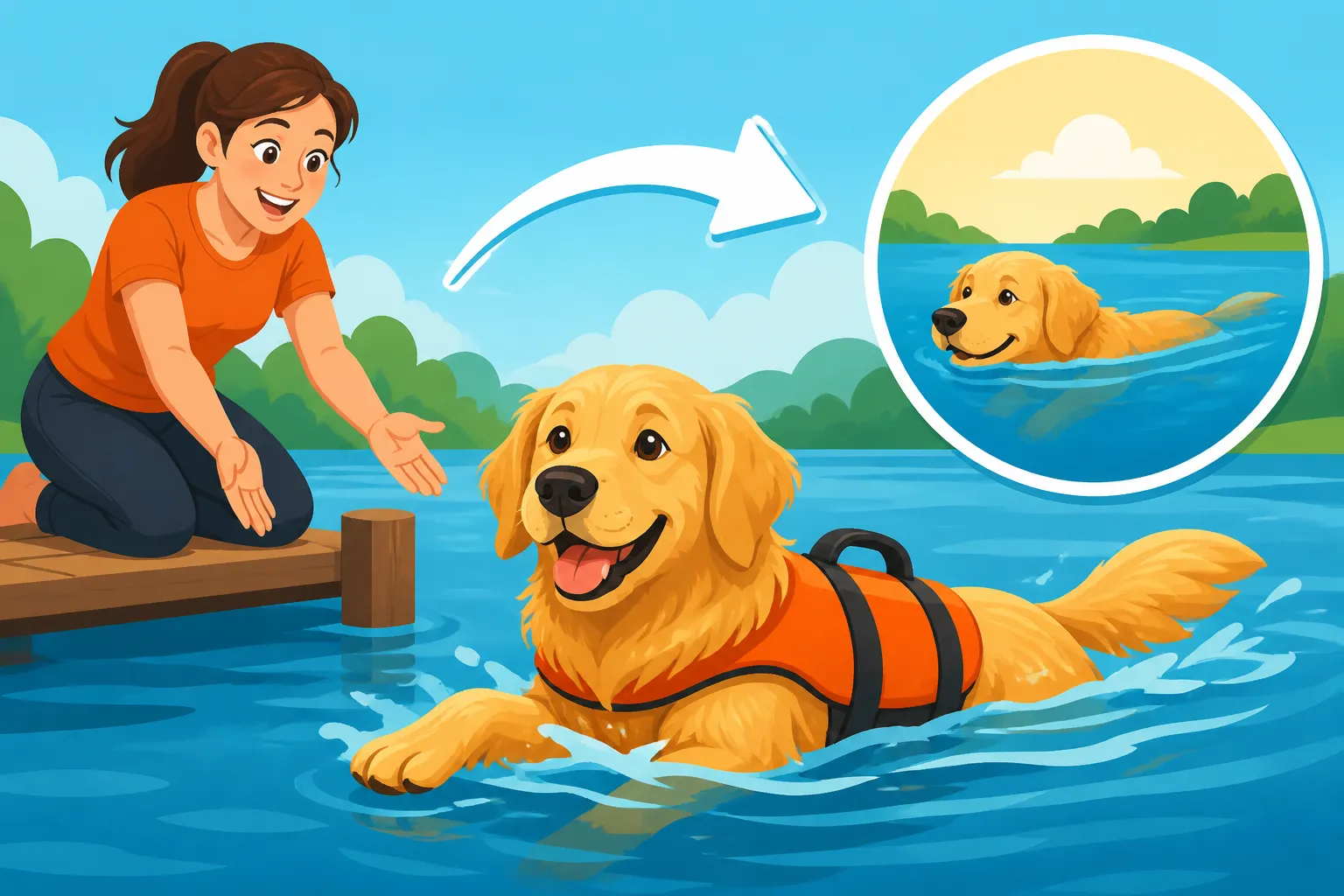
Teaching a Golden Retriever to Swim
Even though Golden Retrievers have a reputation as water-loving dogs, it can be a real head-scratcher when your own beloved Golden seems hesitant or downright scared of the water. You see all those videos of Goldens gracefully leaping into lakes, but your pup barely dips a paw in. This guide is here to walk you through a gentle, positive approach to teaching your Golden Retriever to swim, ensuring they develop confidence and truly enjoy their aquatic adventures.
Do Golden Retrievers Naturally Take to Water?
It’s a common misconception that all Golden Retrievers are born with an innate love for water and will instinctively jump right in. While the breed was developed for retrieving waterfowl, giving them a strong genetic predisposition towards swimming, the reality for individual dogs can be quite different. Many Goldens absolutely adore splashing around, but others need a patient introduction, and some might never become avid swimmers, and that's perfectly okay.
Their Instinctive Love for Water
Historically, Golden Retrievers were bred in the Scottish Highlands in the mid-19th century to retrieve game from both land and water. This heritage instilled in them a thick, water-repellent double coat, webbed feet, and a powerful build ideal for swimming. For many Goldens, dipping their paws into a cool stream or romping in the shallow waves of a beach feels like coming home. Their natural retrieving drive often extends to water, where they love to fetch toys thrown out into lakes or ponds. This isn't just about their physical traits; it's also deeply ingrained in their temperament—they are often eager to please and love engaging in activities with their human companions. When you combine this with their natural athleticism, you often get a dog that takes to water like, well, a duck!
However, even with this strong genetic inclination, a positive first experience is crucial. Just like a child learning to swim, early interactions shape their long-term feelings about the water. If their first few encounters are positive, fun, and confidence-building, they're much more likely to embrace swimming as a joyful part of their life. For many Goldens, the desire to retrieve or simply be near their beloved human is enough to overcome initial apprehension, especially if their person is making it a fun, low-pressure experience. Remember, their desire to join in on the fun with you often outweighs any initial nervousness.
When a Golden Might Be Hesitant
Despite the breed's reputation, not every Golden Retriever is automatically a water dog. Some Goldens might be genuinely wary or even fearful of water, perhaps due to a lack of early exposure, a negative past experience, or even just their individual personality. For example, a puppy who was accidentally pushed into water or had a scary moment with a strong current might develop an aversion. Loud waves, cold water, or even the unsettling feeling of not touching the bottom can be intimidating for a dog that hasn't been properly introduced. It’s important not to force a reluctant Golden into the water, as this can create a lifelong fear and even damage your bond.
Another factor could be their physical comfort. Some Goldens, particularly puppies or senior dogs, might have joint discomfort that makes awkward movements in water uncomfortable. A young Golden Retriever puppy, whose growth plates are still open, should only engage in gentle, short swimming sessions to avoid strain. Exercise Limits for a Golden Retriever Puppy outlines how important it is to protect their developing joints. Similarly, an older Golden with arthritis might find the entry and exit from water challenging, even if they enjoy the buoyancy once they're in. Always observe your Golden's body language for signs of stress, fear, or discomfort. Tail tucked, ears back, panting excessively, or trying to climb out are all indicators that they are not enjoying the experience, and it's time to take a break.
Essential Safety Gear for Your Water Dog
Safety should always be your top priority when introducing your Golden to water, especially if they are new to swimming or if you'll be in open water. Just like kids, even strong swimmers can benefit from a little extra support, and for dogs, that means a well-fitting life jacket. This isn't just about preventing drowning; it's about building confidence and making the experience more enjoyable for everyone involved.
Why a Life Jacket Isn't Just for Novices
A good quality dog life jacket is, hands down, the most crucial piece of gear for teaching your Golden to swim. It provides buoyancy, which helps your dog stay afloat with less effort, allowing them to focus on paddling and building confidence rather than struggling. Even Goldens who are natural swimmers can benefit from a life jacket, especially during long swimming sessions, in choppy water, or if they're still building stamina. It can prevent fatigue, which is a common cause of accidents in the water. Look for a jacket with a strong handle on the back; this feature is incredibly useful for guiding your dog in the water, lifting them onto a boat, or quickly pulling them to safety if they get into trouble. You can find excellent options on platforms like Amazon, with various sizes and features to suit your Golden's build.
Beyond just staying afloat, a life jacket can significantly impact your Golden's learning experience. When they don't have to work as hard to keep their head above water, they can relax and enjoy the sensation of swimming. This reduces anxiety and reinforces the idea that water is a fun place to be, not a scary struggle. For puppies, a life jacket helps them learn proper swimming form by keeping their body level, preventing them from paddling furiously with just their front paws in a "drowning dog" style. For older or less athletic Goldens, it provides crucial support, making swimming a therapeutic, low-impact exercise. Life Jackets for a Golden Retriever in Open Water goes into more detail about how to choose the right one. Always ensure the life jacket fits snugly without restricting movement, particularly around the chest and neck.
Other Safety Considerations Around Water
Beyond the life jacket, there are several other critical safety measures to consider whenever your Golden is near water. First, always supervise your dog closely. Never assume they can handle themselves in all aquatic environments. Even strong swimmers can get caught in currents, tangled in weeds, or become disoriented. Be particularly vigilant in open water like rivers, lakes, or the ocean, where conditions can change rapidly. Rivers can have strong undertows, and ocean waves can be powerful and unpredictable. When you're near large bodies of water, be aware of marine life, sharp objects on the bottom, or sudden drop-offs.
Temperature is another important factor. On hot days, swimming can be a fantastic way for your Golden to cool down, but Golden Retriever Heat Tolerance and Overheating explains that even in water, they can still overheat if they're exerting themselves too much or if the water itself is very warm. Conversely, in colder weather, hypothermia can be a risk, especially for prolonged swims. Always rinse your Golden thoroughly with fresh water after swimming, particularly if they’ve been in saltwater or chlorinated pools, to prevent skin irritation and ear infections. Rinsing a Golden Retriever After Salt Water discusses this in more detail. Lastly, check the water quality; avoid stagnant ponds, water with algae blooms, or areas with known contamination, as these can pose serious health risks.
Introducing Your Golden to Water for the First Time
The key to teaching your Golden Retriever to swim, especially if they're hesitant, is a gradual, positive introduction. Think of it as inviting them to a fun new game, not forcing them into a scary challenge. Patience and encouragement are your best friends here, as is choosing the right environment for their first foray.
Starting in Shallow, Calm Water
Your Golden's first swimming lessons should always happen in a calm, shallow body of water where they can easily stand up. A kiddie pool in your backyard, a shallow pond with a gradual entry, or a gentle lake shoreline are ideal spots. Avoid anything with strong currents, steep drop-offs, or loud waves initially. The goal is for them to feel secure and in control. Start by simply walking into the shallowest part of the water yourself, calling your Golden with an enthusiastic, happy tone. Don't pull them in or push them. Allow them to explore at their own pace. You might throw a favorite floating toy just a few feet into the water, just beyond where they can stand, to encourage them to take a step or two deeper.
For some Goldens, just wading in the cool water is a huge achievement. Celebrate every small step! Use lots of verbal praise, happy tones, and high-value treats to reward their curiosity and courage. If they only dip their paws, that’s okay. Keep it short and sweet. The idea is to associate the water with positive experiences, fun, and your approval. If you're working with a puppy, this early exposure is part of their Golden Retriever Puppy Socialization Windows, helping them build confidence in new environments and with new sensations. Consistency with positive reinforcement, a method often taught in programs like BAXTER & Bella, will lay a strong foundation for future water adventures.
Making it a Positive Experience
The entire process needs to be built on positive reinforcement and making the water feel like a wonderful, happy place. Bring their absolute favorite floating toys, the ones they go crazy for on land. Start by playing fetch near the water, then gradually throw the toy closer to the edge, then into the shallowest water. When they retrieve it, make a huge fuss! Treats, praise, belly rubs – let them know they've done something amazing. Avoid any pressure, coaxing, or forcing. If your Golden seems stressed or resists, calmly end the session and try again another day. A short, positive experience is always better than a long, fearful one.
Another great technique is to have a confident, water-loving dog friend join you. Goldens are often social learners, and seeing another dog happily splashing around can inspire confidence. Just ensure the other dog isn't overly boisterous or intimidating. Remember to keep sessions brief, especially at first. Five to ten minutes of positive interaction is far more effective than an hour of anxiety. End on a good note, even if it's just a successful wade. This leaves them wanting more and reinforces the positive association. Never make the water a place for punishment or correction. It should always be associated with joy and play.
Building Confidence and Skills
Once your Golden is comfortable wading and retrieving in shallow water, you can gradually start to encourage deeper swims. This phase is about transitioning from simply splashing to true, confident swimming, where they use all four paws effectively and glide through the water.
Encouraging Deeper Swims and Retrieves
With their life jacket on and you by their side, begin to gently encourage your Golden a bit further out. Walk into the water with them until it's deep enough for them to start paddling with their back legs. Many Goldens instinctively use their front paws but forget about their rear propulsion. A life jacket helps keep their body level, encouraging them to use their hind legs more effectively. You can hold them gently under their belly at first, supporting them as they get the hang of it. Talk to them in a calm, encouraging voice. Don't let go until you see them confidently paddling with all four paws. Throw that high-value floating toy a little further out, just within their comfort zone, and celebrate enthusiastically when they swim to retrieve it.
You might find that for some Goldens, simply being in the water with you is enough motivation. If you swim a short distance, they may naturally follow. The key is to avoid making it feel like a struggle. If they start to panic or try to climb on you, gently guide them back towards shallower water or the edge. Think of it as building a muscle – both physical and mental. Each successful, happy swim session builds a little more confidence and strengthens their swimming muscles. For Goldens needing a bit more guidance, a long training line, the kind you might use for Building Reliable Recall in a Golden Retriever, can be used to gently guide them from shore in controlled environments, making them feel secure without being directly held.
Overcoming Water Worries
Some Goldens may have specific anxieties about water, like fear of the deep, dislike of the sensation, or even a past negative experience. For these dogs, patience becomes even more paramount. If they're nervous about the depth, start with incredibly shallow water – just enough to cover their paws – and gradually, over several sessions, increase the depth by an inch or two at a time. Never rush this. For a dog that dislikes the feel of water, sometimes playing with a hose or sprinkler on land, associating it with fun, can help generalize the positive feelings to larger bodies of water.
If your Golden has a significant fear, you might need to take an even slower approach, using structured training principles to counter-condition their anxiety. This is where resources from places like BAXTER & Bella can be incredibly useful, providing step-by-step guidance on building positive associations with challenging situations. Their emphasis on positive reinforcement and gradual exposure is perfect for an anxious Golden. Breaking down the process into tiny, achievable steps, rewarding heavily for each step, and never pushing them past their comfort threshold is vital. If they show signs of Fearful Behavior in a Golden Retriever, such as excessive panting, yawning, lip-licking, or trying to escape, immediately remove them from the situation and try a less intense approach next time.
Advanced Swimming and Water Safety
Once your Golden Retriever is a confident swimmer, the world of water activities opens up! From long leisurely swims to retrieving games, there's so much enjoyment to be had. However, even for expert swimmers, ongoing safety practices are essential to ensure a lifetime of happy and healthy aquatic adventures.
Swimming for Fitness and Fun
For many Golden Retrievers, swimming isn't just a fun pastime; it's a fantastic form of exercise. It's a low-impact activity that works nearly every muscle group without stressing their joints, making it ideal for Goldens prone to conditions like hip and elbow dysplasia. Physical Therapy for a Golden Retriever With Bad Hips often recommends swimming as a gentle way to build strength and mobility. A good 20-30 minute swim can be as tiring as a much longer walk or run on land, providing excellent physical and Mental Enrichment for a Bored Golden Retriever. Incorporate retrieving games with floating toys or even learn some simple water retrieves that mimic their original purpose.
Vary the environment too! Explore different lakes, calm rivers, or even specially designed dog swimming pools. This keeps things interesting and helps your Golden adapt to different water conditions. Just remember that even a strong swimmer needs breaks. Watch for signs of fatigue – their strokes might become less powerful, their head might sit lower in the water, or they might start to lag behind. Always have fresh drinking water available, as dogs can accidentally ingest a lot of lake or ocean water, leading to stomach upset. And of course, keep that life jacket on for any extended or challenging swims.
Recognizing and Preventing Water Hazards
Even the most water-savvy Golden Retriever can encounter unforeseen hazards. Always be aware of your surroundings. Look out for strong currents, especially after heavy rains, or in rivers and tidal areas. Cold water shock can be a real danger, so assess water temperature before letting your dog jump in. Algae blooms, particularly blue-green algae, are highly toxic and can be fatal if ingested. Always check local advisories about water quality before letting your dog swim. Never allow your dog to drink directly from natural bodies of water as they can contain parasites or bacteria. Always bring a bowl and fresh drinking water.
After every swim, pay close attention to your Golden's ears. Their floppy ears are especially susceptible to ear infections due to moisture getting trapped. Cleaning a Golden Retriever's Ears Correctly after swimming, ensuring they are thoroughly dried, can prevent painful infections. Also, inspect their coat and skin for any burrs, ticks, or irritation from sand or salt. One often-overlooked hazard is "limber tail," also known as cold water tail or swimmer's tail. This painful condition results from overexertion of the tail muscles, often after intense swimming, especially in cold water. Limber Tail in a Golden Retriever After Swimming explains the symptoms and how to care for it. By staying vigilant and proactive, you can ensure your Golden's time in the water remains a safe and joyous activity.
Disclaimer
This article is for general informational purposes only and does not constitute professional advice. Laws, prices and regulations vary by location and change over time. Consult a qualified professional for guidance on your specific situation.