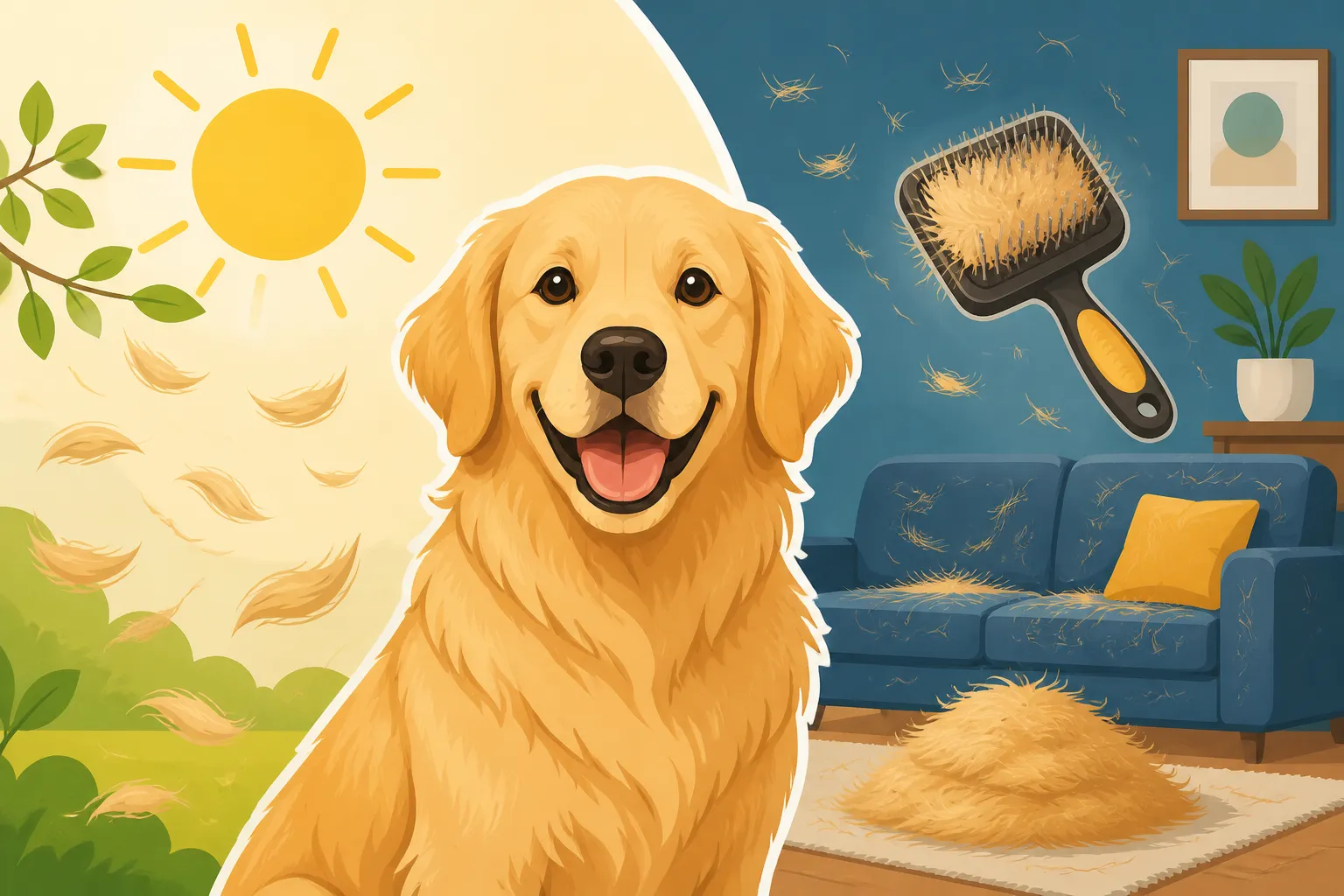
When Golden Retriever Shedding Season Starts
Oh, the joy of a Golden Retriever… and the constant snowfall of their glorious golden fur! If you're wondering when Golden Retriever shedding season starts, you're not alone. Every Golden owner has faced the deluge of hair that seems to appear overnight, coating every surface and becoming an honorary ingredient in every meal. This guide will walk you through the seasonal shedding cycles, what triggers them, and how you can manage the fluffy onslaught to keep your home a little less hairy and your Golden a lot more comfortable.
Understanding the Golden Retriever's Double Coat
Before we dive into when the shedding happens, let's talk about why it happens. Your Golden Retriever isn't just shedding; they're maintaining a magnificent, highly functional coat that's a marvel of canine engineering. It's designed to protect them in all sorts of weather, from icy waters to warm summer days. This incredible protection, however, comes with a price: a lot of hair.
The Ins and Outs of the Undercoat and Topcoat
A Golden Retriever's coat is actually two distinct layers working in harmony. Think of it like a perfectly insulated, waterproof jacket.
First, there's the undercoat. This is the soft, dense, downy layer closest to your dog's skin. Its primary job is insulation – keeping your Golden warm in winter and surprisingly, helping to keep them cool in summer by trapping air. This undercoat is what really "blows" during shedding season, coming out in huge clumps that can surprise even seasoned owners. It’s what gives your Golden that plush, cuddly feel.
Then, there's the topcoat, also known as the guard hairs. These are the longer, coarser, water-repellent hairs that you see on the surface. They lie flat and protect the undercoat from moisture, dirt, and UV rays. The topcoat sheds continuously, but usually one hair at a time, making it less noticeable than the dramatic undercoat blowouts. This is why you'll find stray golden hairs even in the "off-season." When you talk about What Makes a Golden Retriever's Coat Water Resistant, it's largely due to these guard hairs.
How Coat Health Impacts Shedding
A healthy coat sheds differently than an unhealthy one. If your Golden's coat is dull, brittle, or excessive shedding seems constant and year-round, it could be a sign of underlying health issues. A well-nourished Golden with a healthy coat will still shed, of course, but the hair itself will be stronger and the shedding patterns more predictable. We'll talk more about how diet plays into this later, but remember that what goes into your Golden directly impacts the quality of what comes out (literally, in the form of hair!). Think of it this way: a healthy dog equals a healthy coat, and a healthy coat, while still shedding, usually sheds more efficiently and less excessively than one struggling with nutritional deficiencies or skin problems.
The Seasonal Shedding Cycle Explained
Now for the main event: when does the dreaded Golden Retriever shedding season actually begin? The truth is, Goldens shed year-round to some extent. However, they have two major "coat blows" or "shedding seasons" each year where the amount of hair coming off is significantly increased. These are primarily triggered by changes in temperature and daylight.
The Spring Blow: What Triggers It and How Long It Lasts
The biggest shedding season for most Golden Retrievers is in the spring. As the days get longer and the temperatures start to rise after winter, your Golden's body signals that it's time to shed that thick, insulating winter undercoat. This massive "spring blow" can feel like a never-ending blizzard of golden fluff.
It usually starts around late winter to early spring, typically February or March in many regions, and can last anywhere from 2-4 weeks, sometimes even longer depending on the individual dog, local climate, and how diligently you groom them. During this period, you’ll find large tufts of soft undercoat coming out with every stroke of the brush, and accumulating in drifts around your home. It’s their body's way of preparing for warmer weather, ensuring they don't overheat as summer approaches. If you've ever wondered When Golden Retriever Shedding Season Starts, this is generally the most impactful time of year.
The Autumnal Undercoat Turnover: Preparing for Winter
While not as dramatic as the spring blow, Goldens also have a significant shedding period in the fall, usually around September or October. This is when they shed their lighter summer coat to make way for the growth of a thicker, denser winter undercoat. This shedding helps them prepare for the colder temperatures ahead, ensuring their insulation is top-notch.
This fall shedding is generally less intense than the spring shedding because they're not getting rid of as much dense undercoat, but you'll still notice a considerable increase in hair around the house. It's a critical natural process that ensures their body can regulate temperature effectively throughout the year. Being prepared with the right grooming tools during Golden Retriever Coat Blowing in Spring and Fall can make a huge difference in keeping your home tidy.
Year-Round Shedding: The "Normal" Amount
Even outside of these two major seasonal blows, Golden Retrievers shed. It’s just a fact of life with this breed. This continuous, lighter shedding is mostly composed of individual guard hairs and smaller amounts of undercoat that naturally reach the end of their life cycle. Factors like indoor living, where artificial light and climate control can sometimes disrupt natural seasonal cues, might even lead to a more consistent, albeit lighter, level of shedding throughout the year.
If you have a Golden, you know that lint rollers are not just a tool; they are a lifestyle. The key difference between normal year-round shedding and "shedding season" is simply the sheer volume. During the peak seasons, it's like a furry explosion; the rest of the year, it's more of a steady trickle. Understanding How Much a Golden Retriever Sheds Year Round helps set realistic expectations for tidiness.
Factors That Influence Shedding Intensity
While seasonal changes are the primary drivers of shedding, several other factors can influence how much and how often your Golden Retriever sheds. Sometimes, excessive shedding isn't just about the season; it can be a red flag.
Diet and Nutrition's Role in a Healthy Coat
A balanced, high-quality diet is absolutely fundamental to a healthy coat and skin, and by extension, to managing shedding. Cheap dog foods often lack the essential fatty acids, vitamins, and minerals needed to maintain strong hair follicles. When a dog isn't getting adequate nutrition, their coat can become dry, brittle, and shed more frequently or excessively.
Look for foods with high-quality protein sources as the first ingredient and a good balance of Omega-3 and Omega-6 fatty acids. Brands like Ollie, known for their fresh, human-grade ingredients, can sometimes improve coat health for some Goldens, leading to less breakage and healthier skin. You might also consider supplements like fish oil, which many Golden owners swear by for a shiny, healthy coat and reduced shedding. Always discuss any dietary changes or supplements with your vet. Proper nutrition helps ensure your Golden's coat sheds healthy hair, rather than weak, easily broken strands. If you're pondering Whether Diet Lowers Golden Retriever Cancer Risk, remember that a good diet certainly contributes to overall health, including coat vitality.
Hormonal Changes and Shedding
Hormonal shifts can significantly impact a Golden Retriever's shedding patterns.
- Spaying and Neutering: After a dog is spayed or neutered, their hormonal balance changes. Many owners report an increase in undercoat growth, which can lead to more shedding, particularly the soft, dense undercoat. This change happens because the hormones that regulate coat cycles are altered, sometimes resulting in a "spay coat" or "neuter coat" that is thicker and sheds more. This is why some owners are very thoughtful about Spaying and Neutering Timing for Goldens.
- Pregnancy and Lactation: Female Goldens will often experience a significant shedding period after giving birth and during lactation. This is a natural process as their body recovers from the hormonal changes of reproduction.
- Hypothyroidism: This is a common condition in Golden Retrievers where the thyroid gland doesn't produce enough hormones. One of the classic signs of hypothyroidism is a dull, brittle coat and excessive shedding, sometimes accompanied by thinning hair, especially on the flanks. If you notice unusual shedding along with lethargy, weight gain, or skin issues, it’s worth asking your vet about Hypothyroidism in Golden Retrievers and getting their thyroid levels tested.
Stress, Environment, and Health Conditions
Beyond seasons and diet, other factors can cause shedding to spike.
- Stress and Anxiety: Just like humans can lose hair due to stress, dogs can too. A stressful event, a change in environment, or even chronic anxiety can trigger a temporary increase in shedding. Think about how much a Golden might shed at the vet's office, for example.
- Environmental Factors: Humidity levels, exposure to allergens, or even harsh shampoos can irritate the skin and lead to increased shedding. Dogs who spend a lot of time indoors in climate-controlled environments might also have less distinct seasonal shedding patterns, as their bodies aren't getting the full natural cues.
- Parasites and Skin Conditions: Fleas, ticks, mites, or skin infections (bacterial or fungal) can cause intense itching, inflammation, and hair loss, which presents as excessive shedding. If your Golden is scratching excessively and shedding in patches, a vet visit is definitely in order.
- Allergies: Golden Retrievers are prone to allergies, whether environmental or food-related. Allergic reactions often manifest as itchy skin, leading to scratching, licking, and subsequently, more shedding and even hot spots. Golden Retriever Food and Skin Allergies can be a major contributor to coat problems.
Here’s a quick overview of Golden Retriever shedding patterns:
| Season | Primary Shed Type | Trigger | Intensity | Duration |
|---|---|---|---|---|
| Spring | Heavy Undercoat Blow | Increasing daylight, warmth | Very High | 2-4+ weeks |
| Summer | Light, continuous | – | Low-Medium | Ongoing |
| Autumn | Undercoat Turnover | Decreasing daylight, cold | Medium-High | 2-3 weeks |
| Winter | Light, continuous | – | Low | Ongoing, some growth |
Managing Shedding: Tips and Tools for Golden Owners
Okay, so we know when Golden Retriever shedding season starts and why it happens. The next logical question is: what can we do about it? While you can never stop a Golden Retriever from shedding entirely, you can absolutely manage it effectively and reduce the amount of hair floating around your home.
Daily Brushing Techniques and Tools
Brushing is your number one weapon against shedding. Consistent, daily brushing during peak shedding season, and at least 3-4 times a week during the rest of the year, will remove loose hair before it ends up on your couch.
- Undercoat Rakes: These are indispensable for Golden Retrievers. Tools like a deshedding rake or an undercoat rake (you can find a wide selection on Chewy or Amazon) are designed to reach through the topcoat and pull out the loose, dead undercoat without damaging the guard hairs. Use gentle, long strokes in the direction of hair growth. This is especially effective during the spring and fall "blows." To truly master this, understanding Using an Undercoat Rake on a Golden Retriever is key.
- Slicker Brushes: Great for general grooming and smoothing the topcoat, especially after using an undercoat rake. They help distribute natural oils and make the coat shiny.
- Pin Brushes: Good for longer feathering on the legs, tail, and ears, helping to prevent mats.
- Technique: Start at your Golden's head and work your way back, section by section. Be thorough but gentle, especially in sensitive areas like the belly and behind the ears. For more detailed advice, read about Brushing a Golden Retriever's Coat Properly.
Bathing for Shedding Control
While not a daily task, strategic bathing can help release loose hair, especially when combined with a good brushing session.
- Frequency: Don't over-bathe your Golden, as this can strip their natural oils and dry out their skin, potentially leading to more shedding. Once every 4-6 weeks is generally sufficient for most Goldens, unless they get particularly dirty. During peak shedding, you might bathe a bit more frequently, perhaps every 2-3 weeks, to help release dead hair.
- Shampoo: Use a high-quality dog shampoo designed for shedding control or sensitive skin. Look for ingredients that nourish the coat, such as oatmeal or essential fatty acids. If your Golden has Golden Retriever Skin, Ear and Allergy Problems, a vet-recommended medicated shampoo might be necessary.
- Drying: Thoroughly dry your Golden after a bath. A high-velocity pet dryer can be a game-changer, as it literally "blows" out loose undercoat while drying, reducing drying time and subsequent shedding. Always ensure they are completely dry, especially the undercoat, to prevent skin issues. Learning Drying a Golden Retriever's Thick Coat correctly is crucial.
The Importance of a Good Diet and Hydration
We touched on this earlier, but it bears repeating: a healthy coat starts from within.
- Quality Food: Invest in a premium dog food that supports skin and coat health. Look for foods rich in omega fatty acids, vitamins (especially A and E), and zinc. These nutrients are vital for healthy hair growth and skin integrity. Consider discussing specialized diets with your vet, such as those from brands like Ollie, which some owners find beneficial for coat health.
- Supplements: Many Golden owners find success with adding fish oil (Omega-3 fatty acids) or other skin and coat supplements to their dog's diet. These can help reduce dryness, improve coat luster, and potentially lessen shedding. Always consult your veterinarian before adding any supplements. Fish Oil for a Golden Retriever's Coat is a popular choice for good reason.
- Hydration: Ensure your Golden always has access to fresh, clean water. Dehydration can lead to dry skin and a brittle coat, exacerbating shedding.
By combining consistent grooming, appropriate bathing, and a top-notch diet, you can significantly reduce the amount of Golden glitter in your life, making shedding season (and the rest of the year!) a much more manageable experience for both you and your beloved furry friend.
Disclaimer
This article is for general informational purposes only and does not constitute professional advice. Laws, prices and regulations vary by location and change over time. Consult a qualified professional for guidance on your specific situation.