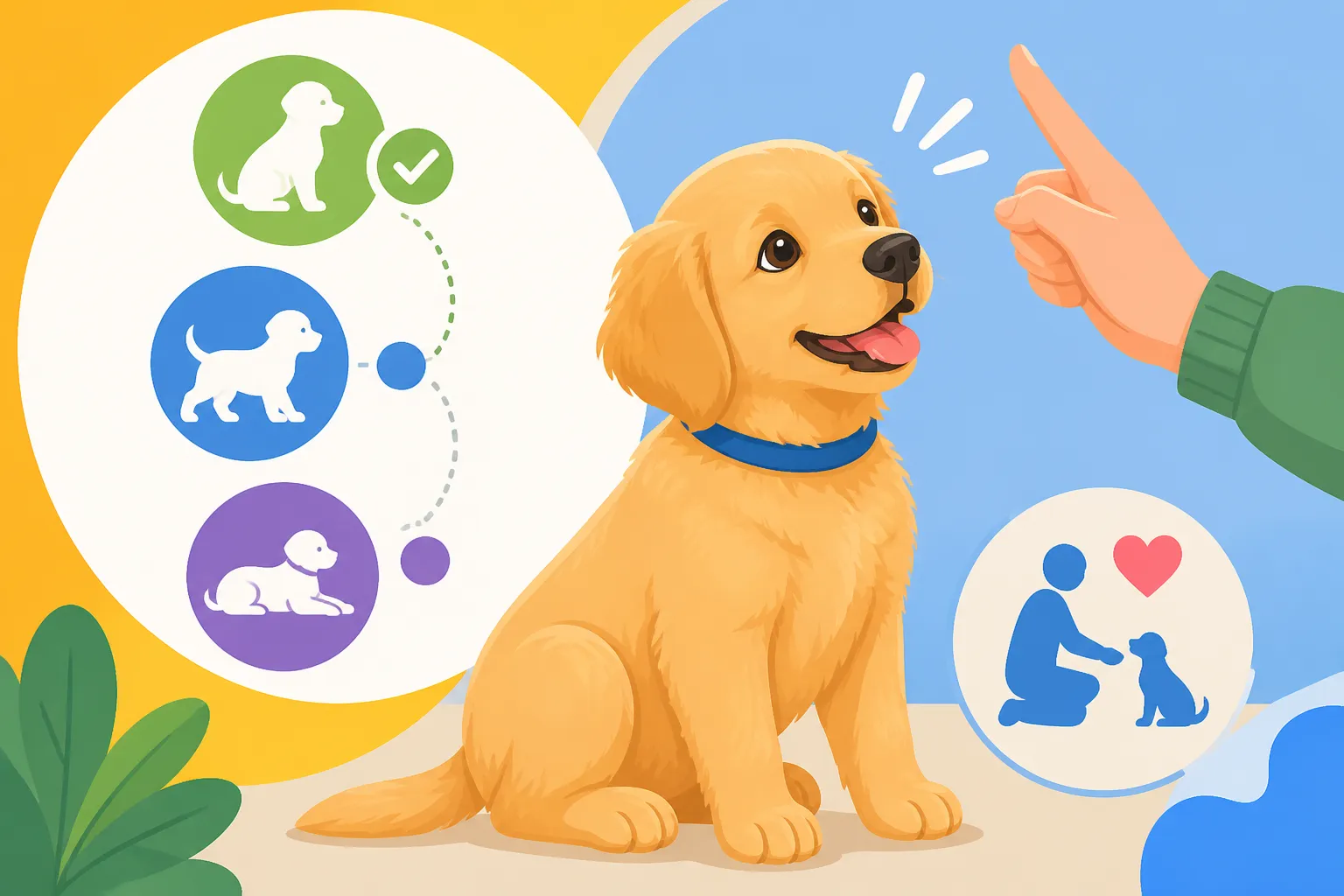
When to Start Training a Golden Retriever Puppy
Bringing a new Golden Retriever puppy home is an exhilarating time, filled with boundless joy, adorable puppy breath, and let's be honest, a little bit of chaos. Many new puppy parents wonder when the "right" time is to start training, often assuming they need to wait until their furry friend is a bit older or has settled in. The truth is, waiting even a day means you're missing precious opportunities to lay the groundwork for a well-behaved, confident, and happy companion. This guide will walk you through exactly when and how to begin training your Golden Retriever puppy from the moment they step paw in your home, covering age-appropriate milestones and practical tips.
The Immediate Start: Why Training Begins Day One
It’s a common misconception that training should only begin once a puppy has fully acclimated to their new environment or reached a certain age for formal classes. In reality, your Golden Retriever puppy is learning from the very second they arrive. Every interaction, every new experience, every boundary (or lack thereof) is teaching them something. By embracing this continuous learning, you can shape their behavior positively right from the start.
The Critical Socialization Window
One of the most vital reasons to start training and exposure immediately is your Golden Retriever puppy's critical socialization window. This period, roughly from 3 to 16 weeks of age, is when puppies are most open to new experiences and least fearful. Positive exposure during this time helps them develop into well-adjusted, confident adults who aren't easily spooked by new sights, sounds, people, or other dogs. Missing this window can lead to lifelong anxieties and behavioral issues that are much harder to correct later on.
Think about it: if your puppy only experiences your quiet home and yard during these formative weeks, how will they react to a bustling park, a noisy street, or even a child's sudden laugh? Introducing them gradually and positively to a wide variety of stimuli – different surfaces, friendly strangers, the sound of a vacuum cleaner, car rides, and other vaccinated, calm dogs – sets them up for success. This isn't about formal commands yet, but about creating positive associations with the world around them. For a comprehensive guide, check out Socialization Checklist for a Golden Retriever Puppy.
Gentle Handling and Building Trust
Beyond just socialization, the very act of bringing your Golden home is the start of establishing trust and comfort with handling. From day one, get your puppy used to being touched all over their body. Gently examine their paws, ears, mouth, and tail. This isn't just for bonding; it’s crucial for future vet visits, grooming sessions, and even just checking for ticks or injuries. If your puppy learns that being handled is a pleasant experience, it will make everyone's life much easier down the line.
Use plenty of praise and tiny, high-value treats to make these handling sessions positive. For instance, while gently rubbing their ears, offer a treat. When you lightly touch their paw, give a treat. Keep these sessions short and sweet, ending before your puppy gets antsy. This early desensitization is foundational and prevents resistance or fear later on when handling becomes more necessary for health or hygiene.
Setting House Rules and Routine
Training isn't just about teaching "sit" and "stay"; it's about establishing clear expectations for living together. The moment your Golden Retriever puppy comes home, you should be implementing your house rules. This includes where they sleep, where they eat, and where they relieve themselves. A consistent routine is your best friend when house training a puppy, helping them understand what's expected and when. Potty Training Schedule for a Golden Puppy can provide invaluable structure.
If you don't want your adult Golden on the furniture, don't let your tiny, adorable puppy on it. If you don't want them jumping on guests, start teaching "four on the floor" from day one. It's much easier to prevent undesirable behaviors from forming than to break them once they're ingrained. Consistency among all family members is key here – everyone needs to be on the same page with the rules and how to enforce them gently but firmly.
Key Milestones: What to Teach and When
While training starts immediately, the type of training evolves as your Golden Retriever puppy grows and develops. Different stages bring different learning capacities and priorities. Understanding these milestones helps you tailor your approach for maximum effectiveness and enjoyment for both you and your puppy.
8 to 12 Weeks: Foundation and Exploration
This is often the age when puppies come home, and it’s a whirlwind! At this stage, your Golden Retriever puppy is like a sponge, soaking up everything. Focus on short, fun sessions that build positive associations with learning. Their attention span is incredibly short, so think in terms of 2-5 minute bursts, several times a day.
Initial Focus Areas:
- Potty Training: This is paramount. Take your puppy out frequently – after waking, after eating, after playing, and before bedtime. Praise and reward heavily for success outside. Consistency is everything here.
- Crate Training: Introduce the crate as a safe, comfortable den, not a punishment. Feed meals in it, toss treats inside, and cover it to make it cozy. A well-crate-trained Golden is a blessing for house training and managing alone time. For more in-depth guidance, consider Crate Training a Golden Retriever Puppy.
- Name Recognition: Use their name often, especially before positive interactions like feeding or play. You want them to associate their name with good things.
- Bite Inhibition: Golden Retriever puppies are notoriously mouthy. Teach them that human skin is sensitive. Yelp loudly when they nip too hard, then ignore them for a few seconds. Redirect their biting onto appropriate chew toys. Find more specific tips in Why Golden Retriever Puppies Are So Mouthy.
- "Sit" and "Come": These are foundational. Lure "sit" with a treat moving from their nose over their head. For "come," make it a party! Get down low, use an excited voice, and reward them lavishly when they arrive. Keep it positive and playful. These are often the First Commands to Teach a Golden Retriever.
- Leash Acclimation: Get them used to wearing a collar and a lightweight leash for short periods, even just around the house. Don't pull or drag them; let them get comfortable with the feel.
Remember, patience is key. Your puppy is learning a whole new language and a whole new world. Keep it positive, keep it fun, and always end on a high note.
3 to 6 Months: Expanding Skills and Testing Boundaries
As your Golden Retriever enters this phase, they're likely to have more energy and a slightly longer attention span. This is a great time to expand on basic commands and introduce new ones. Puppy classes can be invaluable now, offering structured learning and crucial socialization with other puppies and people in a controlled environment. Many online resources, like those offered by BAXTER & Bella, can supplement in-person classes, providing flexible lessons and support.
Expanding Training:
- Proofing Commands: Start practicing "sit" and "come" in different environments with mild distractions. Gradually increase the challenge.
- "Down," "Stay," "Leave It": These become important for impulse control and safety. "Leave It" is especially useful for preventing them from picking up undesirable items.
- Leash Manners: Begin working on loose-leash walking. Start in a low-distraction environment, rewarding them for walking nicely by your side without pulling.
- Polite Greetings: Teach them not to jump on people by rewarding all four paws on the floor.
- Continued Socialization: Keep up the positive exposure to new places, sounds, and people. Enroll in a well-run puppy class, which can be immensely Puppy Classes Worth It for a Golden Retriever.
- Alone Time: Gradually increase the time your puppy spends alone in their crate or a puppy-proofed area to prevent separation anxiety.
You might notice your Golden puppy starting to "forget" things they knew or test boundaries. This isn't defiance; it's a normal part of their development as they grow and become more independent. Stay consistent and patient.
6 to 12 Months (Adolescence): The Teenage Years
Ah, adolescence! For a Golden Retriever, this period can be a rollercoaster. They're growing rapidly, hormones are kicking in (if not spayed/neutered), and they're exploring their world with renewed confidence – and sometimes, stubbornness. This is often when "regression" can happen, where previously solid commands seem to fall apart. Don't despair; this is normal. Understanding The Golden Retriever Teenage Regression can help you navigate this phase.
Adolescent Training Focus:
- Reinforce Everything: Go back to basics if needed. Don't assume they remember everything. Practice commands in diverse environments with increasing distractions.
- Advanced Commands: Consider tricks, "heel," and more complex tasks to keep their intelligent minds engaged. Golden Retrievers thrive on having a job to do.
- Impulse Control: This is critical. Continue working on "stay," "leave it," and waiting at doors or for food. A Golden with good impulse control is a joy to live with.
- Chewing Management: Adolescent Goldens often have a resurgence in chewing. Provide plenty of appropriate, durable chew toys. Rotate them to keep things interesting. Without proper outlets, they might start Golden Retriever Chewing Through Adolescence on your furniture! Durable chew toys can often be found readily available on Amazon.
- Energy Outlets: Golden Retrievers need plenty of exercise to manage their energy. Structured walks, fetch, swimming, or even dog sports can help channel their exuberance positively. A tired Golden is usually a well-behaved Golden.
This stage requires even more patience and consistency. Your Golden isn't being difficult on purpose; they're simply growing up and figuring things out. Continue to be their guide, using positive reinforcement and clear boundaries.
Beyond Formal Lessons: Lifestyle Training and Environmental Learning
Training your Golden Retriever isn't just about structured sessions with treats and clickers. It's about how you live with them every single day. Every interaction, every moment you spend together, is an opportunity for learning. This "lifestyle training" is just as, if not more, important than dedicated training sessions.
The Power of Routine and Predictability
Dogs, and especially intelligent breeds like Golden Retrievers, thrive on routine and predictability. Knowing what to expect reduces stress and helps them understand their role in the household. A consistent feeding schedule, regular potty breaks, predictable exercise times, and a clear bedtime routine all contribute to a well-adjusted dog. When your Golden knows that after breakfast comes a walk, and after a walk comes quiet time, they are less likely to act out from boredom or anxiety.
Even something as simple as consistently asking for a "sit" before opening the door for a walk or before putting down their food bowl teaches them patience and good manners. These small, daily interactions add up to a dog that understands boundaries and responds reliably, even without a formal command.
Incorporating Training into Everyday Life
Instead of thinking of training as a separate event, try to weave it into your daily activities. Waiting for your coffee to brew? Practice a quick "sit" or "down." Getting ready for a walk? Ask for a "stay" while you put on your shoes. These short, real-world applications help generalize commands, meaning your Golden learns that "sit" applies everywhere, not just in the living room during a training session.
Consider using a specific verbal marker or a clicker to mark desired behaviors as they happen naturally. Did your Golden lie down calmly when you were watching TV? Mark and reward that! Did they look at you instead of barking at the squirrel outside? Mark and reward! This consistent reinforcement of good choices makes them more likely to repeat those behaviors. Just be mindful of How Long a Golden Retriever Puppy Can Focus and keep these impromptu sessions brief and positive.
The Role of Environmental Enrichment
A bored Golden Retriever is often a mischievous Golden Retriever. Mental stimulation is just as important as physical exercise for this intelligent breed. Providing environmental enrichment helps prevent destructive behaviors and keeps their minds sharp. This isn't formal training, but it supports good behavior by preventing boredom-induced problems.
Examples of Environmental Enrichment:
- Puzzle Toys: Toys that dispense food when manipulated keep your Golden engaged and thinking.
- Chew Toys: High-quality, durable chew toys are essential. Amazon offers a wide range of options that can stand up to a Golden's chewing power.
- Scent Games: Hiding treats around the house and encouraging your Golden to "find" them taps into their natural scenting abilities.
- Interactive Play: Games like fetch, tug (with rules!), or even hide-and-seek satisfy their natural instincts and build your bond.
By keeping your Golden Retriever mentally and physically satisfied, you create a dog that is calmer, more receptive to training, and less likely to invent their own (often undesirable) entertainment.
Common Pitfalls and How to Avoid Them
Even with the best intentions, it's easy to fall into common traps when training a Golden Retriever puppy. Being aware of these pitfalls can help you steer clear of frustration and maintain a positive, effective training journey.
Inconsistency is the Enemy of Training
One of the biggest mistakes owners make is inconsistency. If "sit" means sit sometimes, but not others, or if one family member allows jumping and another doesn't, your Golden will get confused. Dogs thrive on clear, predictable rules. If the rules are constantly changing, they won't know what's expected of them.
How to avoid it:
- Family Meeting: Before your puppy even comes home, or as soon as possible, have a family meeting to discuss and agree upon house rules and training commands. Everyone needs to use the same cues and have the same expectations.
- Clear Boundaries: Decide what's allowed and what's not, and stick to it. If the couch is off-limits, it's always off-limits, not just when you're watching.
- Follow Through: When you give a command, gently ensure your puppy follows through. Don't just repeat the command endlessly if they're ignoring it. Guide them into position and then reward.
Overtraining and Burnout
While Golden Retrievers are smart and eager to please, they are still puppies with limited attention spans, especially in the early months. Trying to do too much, for too long, in one session can lead to boredom, frustration, and a puppy that starts to dread training. This is counterproductive to their eager-to-learn nature.
How to avoid it:
- Short and Sweet: Keep formal training sessions very short, especially with young puppies (2-5 minutes). Do multiple short sessions throughout the day rather than one long one.
- End on a High Note: Always finish a training session with a command your puppy knows well and can easily succeed at, followed by enthusiastic praise and a jackpot of treats or a fun game. This leaves them feeling successful and wanting more.
- Read Their Cues: Pay attention to your puppy's body language. If they're yawning, sniffing the ground excessively, looking away, or getting mouthy, they're likely bored or overwhelmed. It's time for a break.
Punishment-Based Training
Golden Retrievers are incredibly sensitive and thrive on positive reinforcement. Using harsh corrections, scolding, or punishment can damage your bond, create fear, and often suppresses behaviors rather than truly changing them, potentially leading to anxiety or aggression. A scared Golden is not a learning Golden.
How to avoid it:
- Positive Reinforcement: Focus on rewarding desired behaviors with treats, praise, toys, or play. This makes training fun and motivating for your Golden.
- Redirection: When your puppy does something undesirable (like chewing on a shoe), don't punish them. Interrupt the behavior calmly, redirect them to an appropriate chew toy, and then reward them for engaging with the toy.
- Management: Prevent opportunities for misbehavior. If your puppy chews shoes, pick up all the shoes. If they counter-surf, keep counters clear. Management is a powerful training tool, especially for puppies.
- Seek Professional, Positive Guidance: If you're struggling with a particular behavior, seek help from a certified professional dog trainer who uses positive, force-free methods. Online training programs like BAXTER & Bella also emphasize positive reinforcement and offer guidance on common puppy challenges.
Not Understanding Golden Retriever Specific Traits
Golden Retrievers are a unique breed with specific traits that influence their training. They are known for their "soft mouths," retrieving instinct, intelligence, and desire to please. Understanding these inherent qualities can help you tailor your training to their strengths.
Consider these traits:
- Retrieving Instinct: Embrace it! Use games of fetch to reward good behavior or as a fun way to exercise. Teach them to bring you things.
- Soft Mouth: This means they naturally want to carry things gently. Encourage this by giving them appropriate items to carry, like toys, rather than letting them mouth your hands.
- Eagerness to Please: Use this to your advantage. Your Golden wants to do what you ask; you just need to communicate clearly and make it worth their while.
- Energy Levels: Especially as puppies and adolescents, Goldens have significant energy. Ensure they get adequate physical and mental exercise to prevent boredom and restlessness, which can manifest as destructive behavior or hyperactive outbursts. Check out Exercise a Golden Retriever Needs Each Day for more info.
By understanding your Golden Retriever's unique personality and breed characteristics, you can build a stronger bond and develop a training approach that truly resonates with them. Starting early, being consistent, and keeping it positive will set your Golden Retriever puppy up for a lifetime of good behavior and companionship.
| Age Range (Approximate) | Primary Training Focus | Key Behaviors to Encourage | Avoid These Pitfalls |
|---|---|---|---|
| 8-12 Weeks | Socialization, Basic Trust, House Rules | Potty training, Crate comfort, Name, Sit, Come, Gentle handling | Punishment, Overtraining, Isolating puppy |
| 3-6 Months | Expanding Commands, Impulse Control, Social Skills | Loose-leash walking, Down, Stay, Leave It, Polite greetings, Puppy classes | Inconsistency, Forgetting socialization, Neglecting mental exercise |
| 6-12 Months | Reinforcement, Adolescent Challenges, Advanced Skills | Proofing commands, Chew management, Advanced obedience, Structured exercise | Giving up on "regression," Lack of exercise, Harsh corrections |
Disclaimer
This article is for general informational purposes only and does not constitute professional advice. Laws, prices and regulations vary by location and change over time. Consult a qualified professional for guidance on your specific situation.