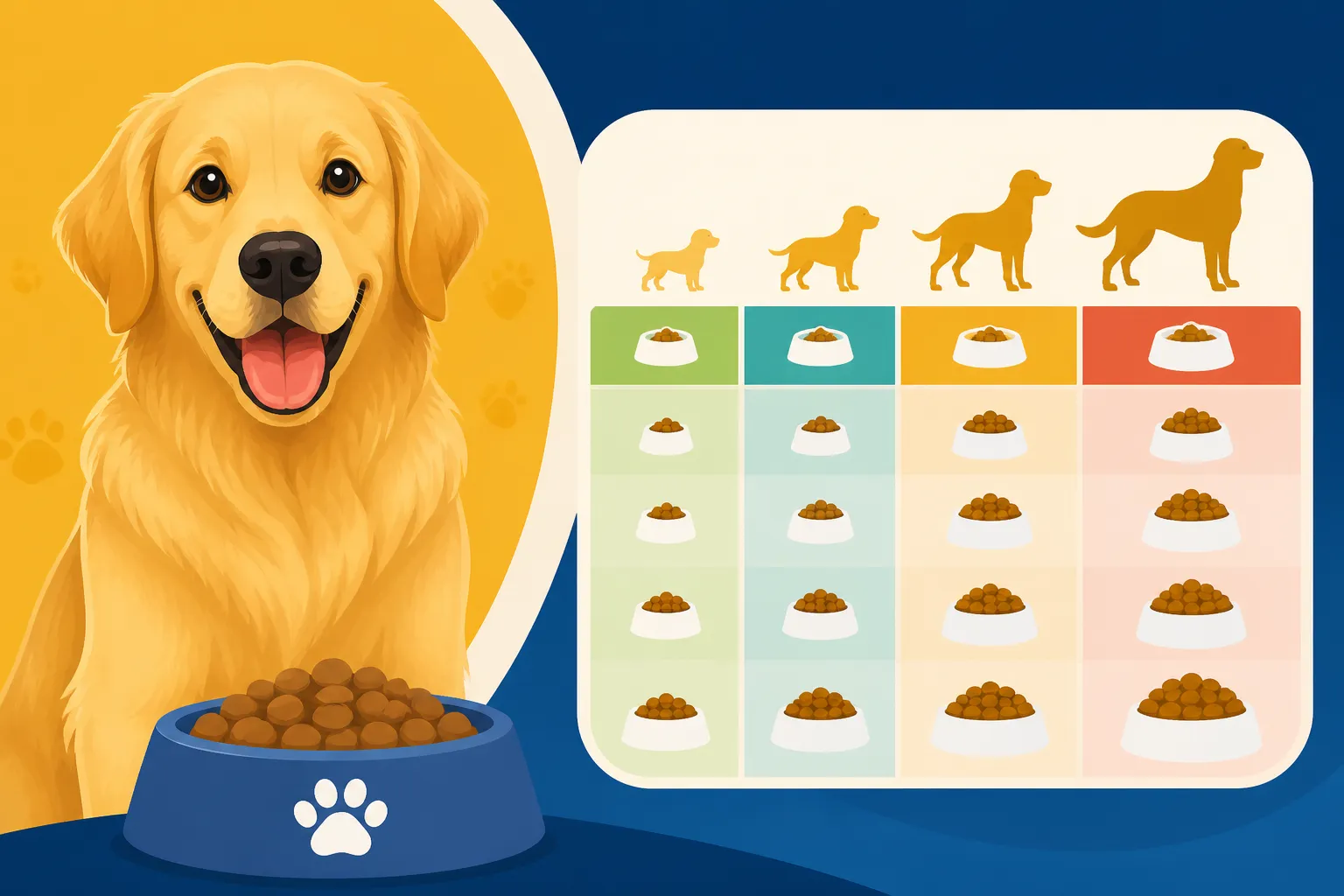
Golden Retriever Feeding Chart by Weight
It's incredibly common to feel overwhelmed when figuring out exactly how much food your beloved Golden Retriever needs. You want to make sure they're getting enough to thrive, but you're constantly worried about accidental overfeeding or underfeeding, especially with all the conflicting advice out there. This comprehensive guide will walk you through understanding Golden Retriever feeding needs by weight, from puppyhood through their senior years, ensuring your furry friend stays healthy and happy.
Why a Feeding Chart Is More Than Just Numbers
You might have picked up a bag of dog food and seen a general feeding chart, often broken down by weight ranges. While these charts offer a starting point, they are rarely the whole picture for a breed like the Golden Retriever. Our Goldens are active, often prone to certain joint issues, and their metabolism can vary quite a bit, even among siblings. Relying solely on a generic guideline can lead to frustrations down the road.
The Pitfalls of "One Size Fits All" Feeding Guidelines
Imagine two Golden Retrievers, both weighing 65 pounds. One is a certified therapy dog who spends most of their day napping at home after a leisurely walk, while the other is a field trial champion who's out retrieving dummies for hours every single day. Do you honestly think these two dogs need the exact same amount of food? Of course not! Yet, a "one size fits all" feeding chart would tell you to feed them both the same. This is where the generic advice falls short. It doesn't account for individual activity levels, metabolism, age, or whether your Golden has a leaner, more athletic build versus a more substantial, show-line physique. You could be inadvertently underfeeding an active dog, leading to low energy and weight loss, or overfeeding a less active one, paving the way for unhealthy weight gain and potential joint stress.
Furthermore, different dog food brands have varying caloric densities. A cup of one premium kibble might have significantly more calories than a cup of a budget brand. If you switch foods and just follow the old cup measurement, you could be drastically altering their intake without realizing it. This is why a simple chart should always be a guide, not a rigid rule. It's designed for the average dog, and your Golden is anything but average—they are a unique, wonderful individual with their own specific needs.
Understanding Body Condition Scoring (BCS)
This is perhaps the most crucial tool in your feeding arsenal, even more important than any chart. Body Condition Scoring (BCS) is a universally recognized method for evaluating your dog's fat reserves and muscle mass. Instead of just looking at the number on the scale, BCS helps you assess if your Golden is at a healthy weight visually and by touch. A feeding chart might give you a quantity, but BCS tells you if that quantity is actually working for your dog.
To perform a BCS assessment, you'll need to feel your Golden's ribs. They should be easily palpable beneath a thin layer of fat, similar to the back of your hand. You shouldn't be able to see them protruding, nor should you have to press hard to feel them. Next, look at their waist: from above, your Golden should have a noticeable tuck behind their ribs. From the side, their abdomen should tuck up, not sag down. A Golden that is too thin might have ribs, hip bones, and vertebrae visible, with no fat covering, while an overweight Golden will have fat obscuring their ribs, no waist tuck, and possibly a broad, flat back.
A veterinarian will often give your dog a BCS score during check-ups, usually on a scale of 1 to 9, with 5 being ideal. Regularly checking your Golden's BCS will allow you to make small, timely adjustments to their food intake before any significant weight issues develop. If you find yourself unsure, a quick consult with your vet or a professional groomer can help you nail down your Golden's ideal body condition. This proactive approach helps to keep your Golden healthy and happy for years to come. For more detailed guidance, check out Golden Retriever Body Condition Scoring.
Golden Retriever Puppy Feeding: Building a Strong Foundation
Bringing home a Golden Retriever puppy is an exciting time, but it also comes with a lot of responsibility, especially when it comes to feeding. Those adorable, rapidly growing bundles of fluff have specific nutritional needs that differ significantly from adult dogs. Getting their diet right in these early months is paramount for their long-term health, particularly concerning their developing bones and joints.
Puppy Growth Stages and Nutritional Demands
Golden Retriever puppies grow incredibly fast, especially during their first year. From the moment you bring home your eight-week-old fluffball, they are laying down the foundation for their adult size and health. This rapid growth period demands a diet rich in high-quality protein for muscle development and precisely balanced calcium and phosphorus levels for strong, healthy bones. It's not just about how much food, but what kind of food.
For Golden Retrievers, it's crucial to select a large-breed puppy formula. These foods are specifically designed with lower fat and controlled calcium-to-phosphorus ratios to promote slower, more steady growth. Why is this important? Because rapid growth, often fueled by too much energy or improper mineral balance, can actually contribute to developmental orthopedic diseases like hip and elbow dysplasia, which Goldens are already predisposed to. A diet formulated for large breeds helps mitigate these risks by preventing your puppy from growing too quickly, allowing their skeletal system to mature at a healthier pace. You're not just feeding a puppy; you're building a strong, healthy adult Golden Retriever, one meal at a time. This careful management in the early stages can make a significant difference in their joint health down the line.
Age and Weight-Based Feeding for Puppies
When your Golden Retriever is a puppy, their feeding schedule and amounts will change quite a bit as they grow. Generally, puppies need to eat more frequently than adults because their stomachs are small and their energy demands are sky-high. An 8-week-old puppy might need four meals a day, gradually transitioning to three meals around 4-6 months, and then two meals a day by their first birthday.
Here's a sample feeding chart for Golden Retriever puppies, but remember, individual needs vary based on their specific growth rate, metabolism, and activity. Always start with the feeding guidelines on your large-breed puppy food bag and adjust based on your puppy's body condition. If you're unsure how much a Golden Retriever puppy needs, you can check out How Much to Feed a Golden Retriever Puppy.
| Puppy Age | Estimated Weight Range (lbs) | Daily Food Amount (cups) | Feeding Frequency |
|---|---|---|---|
| 8-12 Weeks | 15-25 | 2-3 | 3-4 times/day |
| 3-6 Months | 25-45 | 3-4 | 3 times/day |
| 6-9 Months | 45-65 | 3.5-5 | 2-3 times/day |
| 9-12 Months | 60-75+ | 4-6 | 2 times/day |
- Note: These are general guidelines. Always consult your vet and the specific instructions on your chosen large-breed puppy food. A "cup" refers to a standard 8-ounce measuring cup.
For example, a 4-month-old Golden weighing 35 pounds might start with 3.5 cups of food spread across three meals. If they are very active and seem a bit lean, you might slightly increase it. If they are looking a little plump, you'd slightly decrease it. The key is consistent monitoring and small adjustments. Remember, growing puppies should never be free-fed. You can learn more about this vital practice by reading Why Golden Retriever Puppies Should Not Free Feed.
Avoiding Overfeeding in Golden Retriever Puppies
It’s incredibly tempting to spoil your adorable Golden Retriever puppy with extra food, whether it’s a few extra kibble pieces in their bowl or a generous handful of treats. However, for a rapidly growing large breed like the Golden, overfeeding can have serious, long-term consequences that far outweigh the immediate joy of seeing them gobble down more food. The primary concern is the accelerated growth rate that too many calories can cause. When a Golden Retriever puppy grows too quickly, their bones and joints develop at an unnatural pace, which can put undue stress on their developing skeletal structure.
This accelerated growth is a known risk factor for hip and elbow dysplasia, conditions that Goldens are already genetically predisposed to. You might think a bigger, heavier puppy is a healthier puppy, but for Goldens, a slower, steady growth is actually ideal for joint health. Why Fast Growth Damages a Golden Retriever's Joints explains this in more detail, highlighting how crucial controlled nutrition is in puppyhood. It's a delicate balance; you want to provide sufficient nutrients for healthy development without pushing them to grow faster than their bodies are ready for. Stick to the recommended portions on large-breed puppy food bags, measure accurately, and keep treats to a minimum, ensuring they don't make up more than 10% of their daily caloric intake. It's an investment in their future mobility and comfort.
Transitioning to Adult Food and Maintenance Feeding
The transition from puppy to adult food is a significant milestone in your Golden Retriever’s life, usually happening around their first birthday. This isn't just about switching to a different bag of kibble; it reflects a shift in their nutritional needs as their rapid growth slows down and they settle into their adult metabolism. Getting this right is crucial for maintaining their health and ideal body weight for years to come.
When Your Golden Is Ready for Adult Kibble
Most Golden Retrievers are considered fully grown, or at least have finished their major growth spurts, by around 12 to 18 months of age. While they might continue to "fill out" and build muscle for another year or so, their bone growth typically plateaus. This is the ideal time to transition them from a large-breed puppy formula to a high-quality adult dog food. The exact timing can depend on their individual development. Some Goldens, especially males from show lines, might mature a little later, closer to 18 months, while leaner field line Goldens might be ready around 12 months.
A good indicator is when their growth plates have closed, which your vet can confirm with an X-ray if there are concerns, but usually, it's assessed by their overall body condition and age. The puppy "gangliness" starts to subside, and they begin to look more like a miniature adult. Continuing to feed puppy food for too long can lead to excessive calorie intake and weight gain, as puppy formulas are generally more calorically dense to support rapid growth. Conversely, switching too early might deprive a still-growing Golden of essential nutrients. When you're ready to make the switch, do it gradually over 7-10 days to avoid upsetting their digestive system. Blend a little bit of the new food with the old, slowly increasing the new food's proportion until they are fully transitioned. For a deeper dive into this timing, you can read When a Golden Retriever Moves to Adult Food.
Adult Golden Retriever Feeding Chart by Weight
Once your Golden Retriever reaches adulthood, typically around 12-18 months, their caloric needs will stabilize but still depend heavily on their individual activity level, metabolism, and build. An adult Golden Retriever who is active and healthy will generally thrive on two meals per day. This helps manage hunger and can even reduce the risk of bloat, a serious condition that deep-chested breeds like Goldens are susceptible to.
Here’s a general feeding chart for adult Golden Retrievers based on their ideal weight. Remember, these are starting points. Always refer to your dog food's specific guidelines and adjust based on your dog's Body Condition Score.
| Adult Weight (lbs) | Low Activity (cups/day) | Moderate Activity (cups/day) | High Activity (cups/day) |
|---|---|---|---|
| 55 | 2.5 – 3 | 3 – 3.5 | 3.5 – 4 |
| 60 | 2.75 – 3.25 | 3.25 – 3.75 | 3.75 – 4.25 |
| 65 | 3 – 3.5 | 3.5 – 4 | 4 – 4.5 |
| 70 | 3.25 – 3.75 | 3.75 – 4.25 | 4.25 – 4.75 |
| 75 | 3.5 – 4 | 4 – 4.5 | 4.5 – 5 |
| 80 | 3.75 – 4.25 | 4.25 – 4.75 | 4.75 – 5.25 |
- Note: These amounts are for a good quality dry kibble (around 350-400 calories per cup). If using wet food, fresh food like Ollie, or a raw diet, caloric density will vary greatly, so always follow that specific product's feeding guide. Split the daily amount into two meals. What a Golden Retriever Should Weigh at One Year can give you an idea of ideal weight ranges. Many Golden owners find that feeding twice a day works best, as detailed in Feeding an Adult Golden Retriever Twice a Day.
If your Golden is a healthy adult and at their ideal weight, these guidelines should help you maintain it. However, if you notice them gaining or losing weight, adjust their portions by about 10% and re-evaluate their BCS after a couple of weeks. Consistent observation is key.
The Impact of Activity Levels on Daily Portions
It's truly a game-changer when you realize how much your Golden Retriever's daily activity level should influence their food portions. You can have two Goldens of the exact same age and weight, but if one is a weekend warrior hitting the hiking trails and swimming in the lake, and the other is a beloved couch potato who enjoys short strolls around the block, their caloric needs will be vastly different. Ignoring this variable is a common reason why Goldens either become overweight or, less commonly, underweight.
A highly active Golden, perhaps one involved in dog sports like agility, field work, or long daily runs, will burn significantly more calories. Their body needs more fuel to sustain that energy output and to repair and build muscle. For these energetic Goldens, sticking to the lower end of a feeding chart for their weight simply won't be enough. They might need a cup or even two more per day than a less active dog to maintain their ideal weight and energy. Conversely, a Golden who lives a more sedentary life—common for older dogs or those in smaller living spaces—needs fewer calories. Continuing to feed them the same amount as an active dog is a direct path to weight gain, which puts unnecessary strain on their joints and overall health. It’s all about finding that sweet spot for your Golden’s unique lifestyle.
Special Considerations: Senior Goldens, Weight Management, and More
As our beloved Golden Retrievers age, their needs naturally evolve, and their diet is one of the first areas where adjustments become necessary. Similarly, weight management is a lifelong commitment, whether it's preventing obesity or helping an underweight dog thrive. These special considerations ensure your Golden receives tailored nutrition throughout their life.
Adjusting Portions for the Senior Golden Retriever
Watching our Goldens grey around the muzzle is bittersweet. As they enter their senior years, typically around 7-8 years old, their metabolism naturally slows down. They might not chase squirrels with the same gusto, or their daily walks become a bit shorter and slower. This decrease in activity, combined with a slower metabolism, means their caloric needs will drop significantly. Continuing to feed a senior Golden the same amount of food they ate as a spry adult is a recipe for unwanted weight gain.
Obesity in senior Goldens can exacerbate age-related issues like arthritis, make it harder for them to move comfortably, and increase the risk of other health problems. Many senior dog foods are formulated with fewer calories and often include joint-supporting ingredients like glucosamine and chondroitin. When transitioning your Golden to a senior formula, or simply adjusting their current food, aim to reduce their daily intake by 10-20% initially, then monitor their body condition closely. You might find you need to reduce it even further. It's often recommended to switch to a diet specifically formulated for older dogs. This ensures they get the right balance of nutrients while consuming fewer calories. Your vet can provide tailored advice on adjusting your senior Golden's diet. You can find more comprehensive advice on this topic in Feeding a Senior Golden Retriever.
Managing Weight: Underweight and Overweight Goldens
Weight management is a constant balancing act for Golden Retriever owners. Both underweight and overweight conditions can lead to health problems, but obesity is particularly prevalent and detrimental for Goldens, given their predisposition to joint issues.
For Overweight Goldens: If your Golden is carrying too many pounds (you can't easily feel their ribs, no waist tuck, or your vet has confirmed it), the first step is to accurately measure their food. Eyeballing it is a common culprit for overfeeding. Reduce their daily intake by 10-15% and switch to a high-quality, high-fiber, lower-calorie dog food if possible. Consider replacing some high-calorie treats with low-calorie options like plain green beans or small pieces of carrot. Increase their exercise gradually, ensuring it's appropriate for their current physical condition. Consistency is key, and weight loss should be slow and steady, about 1-2% of their body weight per week. Rapid weight loss can be unhealthy. Always consult your vet to rule out underlying medical conditions and to develop a safe weight loss plan. More details on tackling this can be found in Putting an Overweight Golden Retriever on a Diet.
For Underweight Goldens: While less common, some Goldens might be underweight due to high metabolism, intense activity, picky eating, or an underlying health issue. If your Golden is too thin (ribs, hip bones, and vertebrae are clearly visible with little to no fat cover), the first step is always a vet visit to rule out medical causes like parasites, digestive issues, or other illnesses. Once cleared medically, you can gradually increase their food intake. Start by adding an extra 10-15% to their current meals. You might also switch to a higher-calorie, nutrient-dense food. Consider adding calorie-dense toppers like plain cooked chicken, cottage cheese, or a high-quality canned food mixed with their kibble. Small, frequent meals can also help. Monitor their weight and body condition score weekly until they reach their ideal weight. Again, slow and steady is best to avoid digestive upset.
The Role of Treats and Supplements in Daily Intake
It's hard to resist those soulful Golden Retriever eyes when they're begging for a treat, isn't it? But those little gestures of love can quickly add up and dramatically impact their daily caloric intake, often without owners realizing the full extent. Treats, even small ones, are not calorie-free. A few larger biscuits can easily equal a significant portion of their main meal. This is especially critical for Goldens prone to weight gain or those already on a weight management plan.
As a general rule, treats should never make up more than 10% of your Golden Retriever's daily caloric intake. If you're using treats for training, choose small, low-calorie options, or even use pieces of their regular kibble. Consider healthy human-food alternatives like small bits of cooked chicken, plain carrots, or apple slices. These are often lower in calories and free from artificial additives. You can gain more insight into appropriate treat portions by reading How Many Treats a Golden Retriever Can Have.
Supplements are another area where intentions can sometimes override practicality. While some supplements, like fish oil for coat health or glucosamine for joint support, can be beneficial, they also contribute to the overall nutritional profile and, in some cases, calorie count. Always discuss any supplements with your veterinarian before adding them to your Golden's diet. Your vet can help determine if a supplement is truly necessary, recommend appropriate dosages, and ensure it won't interact negatively with their current diet or any medications. It's about a holistic approach, where every component of their diet works together for their optimal health, rather than adding things on a whim.
Choosing the Right Food and Feeding Practices
Beyond just how much to feed, what you feed your Golden Retriever and how you feed them are equally vital for their long-term health and well-being. The dog food market is a maze of options, and establishing good feeding habits from the start can prevent many common issues.
Deciphering Dog Food Labels for Your Golden
Walking down the dog food aisle can feel like navigating a foreign language, with buzzwords, claims, and ingredients lists that can make your head spin. But understanding a dog food label is crucial to ensuring your Golden Retriever is getting the proper nutrition. The first thing to look for is the AAFCO (Association of American Feed Control Officials) statement. This tiny paragraph, often found near the ingredient list, will tell you if the food is "complete and balanced" for a specific life stage, such as "for growth," "for maintenance," or "for all life stages." For your Golden puppy, you want a formula for "large breed growth" or "all life stages." For adults, "maintenance" or "all life stages" is fine. This statement assures you the food contains all the necessary nutrients in the correct proportions.
Next, glance at the ingredient list. Ingredients are listed by weight. Look for a high-quality protein source (like chicken, lamb, beef, or salmon meal) as one of the first few ingredients. Phrases like "chicken meal" are actually good, as they indicate concentrated protein without the water weight. Be wary of foods listing vague ingredients like "meat by-products" or excessive fillers like corn, wheat, or soy as the primary ingredients. You'll also want to understand the crude protein, fat, and fiber percentages. While specific percentages vary by life stage and activity, generally, Goldens thrive on moderate protein (25-30% for adults, slightly higher for puppies), moderate fat (12-18%), and a good fiber content (3-5%). Remember, marketing terms like "human-grade" or "holistic" are unregulated; the AAFCO statement and the actual ingredient list are what truly matter. Take the time to research brands and understand what you're putting into your Golden's bowl. You can learn more about specific things to look for in Reading a Dog Food Label for a Golden Retriever. Many pet owners find reliable brands and product information on sites like Chewy or Amazon, which often include detailed ingredient lists and customer reviews.
Wet, Dry, Fresh, or Raw: Exploring Food Types
The debate over dog food types can be intense, and it seems like there's a new trendy diet popping up every other week. For your Golden Retriever, understanding the pros and cons of each main type can help you make an informed decision that aligns with your lifestyle and their health needs.
Dry Kibble is by far the most popular and convenient option. It's cost-effective, easy to store, and helps keep teeth cleaner due to its abrasive texture. High-quality dry kibble from reputable brands offers complete and balanced nutrition. The downside can be lower moisture content, which means you need to ensure your Golden always has access to fresh water.
Wet Food is highly palatable due to its strong aroma and high moisture content, which can be beneficial for hydration. It often comes in cans or pouches. However, it's typically more expensive per serving, doesn't offer the dental benefits of kibble, and once opened, needs refrigeration. Some owners use wet food as a topper to entice picky eaters or to add variety.
Fresh Food, such as that offered by services like Ollie, has gained popularity. These diets are typically gently cooked and delivered fresh to your door. Proponents suggest they are more palatable, digestible, and contain fewer artificial ingredients. They can be a great option for Goldens with sensitivities or those who thrive on a less processed diet. The primary drawbacks are usually higher cost and shorter shelf life.
Raw Diets (BARF – Biologically Appropriate Raw Food or PMR – Prey Model Raw) involve feeding raw meat, bones, organs, and sometimes vegetables. Advocates claim it mimics a dog's ancestral diet and offers benefits like shinier coats, cleaner teeth, and better digestion. However, raw feeding requires extensive research to ensure nutritional completeness and safety (handling raw meat correctly is crucial to prevent bacterial contamination for both dog and human). It's not a diet to jump into without consulting a vet or a qualified canine nutritionist.
Ultimately, the "best" food type is the one that provides complete and balanced nutrition for your individual Golden Retriever, that they thrive on, and that fits your budget and lifestyle. Many Golden owners successfully use a combination of these options, such as kibble with a wet food topper.
Essential Feeding Habits for Golden Retriever Health
Beyond the food itself, establishing consistent and healthy feeding habits is paramount for your Golden Retriever's well-being. These practices can significantly impact their digestion, prevent behavioral issues, and even mitigate health risks.
First and foremost, consistency is key. Feeding your Golden at the same times each day, typically twice a day for adults, helps regulate their digestive system and reduces anxiety around meal times. They learn to expect food at specific intervals, which creates a sense of security and structure.
Secondly, use a slow feeder bowl if your Golden tends to gobble their food down too quickly. Goldens, like many deep-chested breeds, are at a higher risk of bloat (gastric dilatation-volvulus), a life-threatening condition often exacerbated by eating too fast. A slow feeder bowl forces them to eat more deliberately, which aids digestion and reduces the amount of air they swallow, thereby lowering the risk of bloat. There are many effective and affordable options available on Amazon or Chewy. For more details, see Slow Feeder Bowls for a Fast-Eating Golden.
Thirdly, ensure constant access to fresh, clean water. Hydration is just as important as food. A Golden Retriever's thick coat and active nature mean they can get dehydrated quickly, especially during play or warmer weather. Replace their water frequently and clean their bowl daily to prevent bacterial buildup.
Lastly, create a quiet, designated feeding area. This helps your Golden feel secure and allows them to eat without distraction or competition, especially important in multi-pet households. Avoid feeding them immediately before or after strenuous exercise, as this can also increase the risk of bloat. Give them about an hour to digest before or after intense activity. By integrating these simple but effective habits into your daily routine, you're not just feeding your Golden; you're nurturing their overall health and peace of mind.
Disclaimer
This article is for general informational purposes only and does not constitute professional advice. Laws, prices and regulations vary by location and change over time. Consult a qualified professional for guidance on your specific situation.