Golden Retriever Ear, Paw and Nail Care
As a Golden Retriever owner, you quickly learn that their boundless energy and loving nature come with a certain amount of maintenance. One area that often gets overlooked until there's a problem is the routine care of their ears, paws, and nails. These aren't just cosmetic concerns; neglected grooming in these crucial areas can lead to painful infections, mobility issues, and significant discomfort for your beloved companion. This comprehensive guide is here to walk you through everything you need to know to keep your Golden's ears clean, paws healthy, and nails properly trimmed, ensuring they stay happy, comfortable, and active for years to come.
Why Ear, Paw, and Nail Care Are So Crucial for Golden Retrievers
It’s easy to think of grooming as just brushing and an occasional bath, but for a Golden Retriever, the details truly matter. Their unique physical characteristics make them particularly susceptible to issues if these areas aren't given consistent attention. Understanding why this care is so vital is the first step in establishing a routine that benefits their long-term health and happiness.
Floppy Ears: A Haven for Infection
Golden Retrievers are famous for their beautiful, long, floppy ears. While adorable, this ear type creates a warm, moist, and dark environment that's an absolute paradise for bacteria and yeast. Unlike dogs with upright ears, which allow for better airflow, a Golden's ears trap moisture and debris, making them highly prone to infections. Think about how much your Golden loves to swim, or just how often they get a good soaking in the rain – all that moisture gets trapped, creating a perfect breeding ground for trouble.
Beyond just water, pollen, dirt, and even tiny grass seeds can make their way into the ear canal and get stuck, irritating the sensitive skin and leading to inflammation. If left unchecked, this irritation can quickly escalate into a full-blown ear infection, which is incredibly uncomfortable and painful for your dog. They might shake their head constantly, scratch at their ears, or even cry out when you touch them. Regular cleaning isn't just about preventing a mess; it's about actively preventing serious health problems that can sometimes require extensive veterinary treatment. Understanding the risk is the first step in being proactive, and it's why routines are so important. Ear Infections in Floppy-Eared Goldens are a common headache for many owners.
Active Paws: Prone to Wear and Tear
Golden Retrievers are active dogs. Whether they’re fetching a ball in the park, romping through the woods, or simply enjoying a long walk around the neighborhood, their paws bear the brunt of their daily adventures. These hardworking paws are constantly exposed to various surfaces, temperatures, and potential hazards, making them highly susceptible to injury and irritation. From hot pavement in the summer to icy sidewalks and harsh de-icing chemicals in the winter, their paw pads face an onslaught of environmental challenges.
Beyond the elements, sharp objects like thorns, glass shards, or even rough gravel can cause cuts, punctures, or abrasions. Allergens in the grass or irritants from cleaning products can also lead to itchy, inflamed paw pads, causing your Golden to lick and chew excessively. This constant licking can further worsen the problem, introducing bacteria and potentially leading to secondary infections between their toes or on their pads. Regularly inspecting and caring for their paws is paramount to ensuring their comfort and mobility, allowing them to continue their favorite activities without pain or hindrance.
Fast-Growing Nails: Impacting Gait and Comfort
A Golden Retriever’s nails grow continuously, much like our own fingernails. If not trimmed regularly, they can become excessively long, leading to a host of problems that impact their comfort, posture, and overall joint health. When nails are too long, they push against the ground as your dog walks, forcing their toes upwards and causing an unnatural distribution of weight on their paw. This can lead to discomfort, pain in the paw, and even affect their entire gait, potentially contributing to long-term issues like arthritis or exacerbating existing conditions like hip and elbow dysplasia.
Imagine trying to walk comfortably in shoes that are too small and push your toes back constantly; that's what long nails feel like for your Golden. Furthermore, overgrown nails are more prone to snagging and tearing, which can be incredibly painful, bleed profusely, and even require veterinary attention. The quick, which is the blood vessel and nerve supply within the nail, also grows longer with the nail, making it harder to trim without causing pain or bleeding if left for too long. Consistent, proper nail trimming is a fundamental part of responsible Golden Retriever ownership. It’s not just about aesthetics; it’s about preventing pain and preserving healthy joint function.
A Deep Dive into Golden Retriever Ear Care
Golden Retriever ears are one of their most endearing features, but they also require diligent care to prevent common, often painful, problems. Ignoring them is a recipe for trouble, so let's get into the specifics of keeping them clean and healthy. It's a bit more involved than a quick wipe, but it's well worth the effort for your dog's comfort.
Understanding the Golden's Ear Anatomy
To effectively care for your Golden’s ears, it helps to understand a little bit about their unique structure. Unlike humans, whose ear canals go directly inwards, a dog’s ear canal takes an L-shape turn. It starts vertically and then makes a sharp horizontal turn towards the eardrum. This design, especially combined with a heavy, floppy ear flap that covers the opening, creates a deep, dark, and poorly ventilated environment. This is precisely why moisture, dirt, and debris can get trapped so easily, and why air circulation is so limited.
The skin lining a Golden's ear canal is also very sensitive and can easily become irritated by excess moisture, allergens, or the buildup of wax and dirt. If this delicate skin becomes inflamed, it can swell, further narrowing the canal and trapping even more moisture and debris. This creates a perfect incubator for opportunistic bacteria and yeast, which are naturally present in small numbers but can quickly overgrow in such conditions. Knowing this anatomy helps us understand why Cleaning a Golden Retriever's Ears Correctly is not just a superficial task, but a crucial preventive measure to maintain a healthy ear environment.
The Art of Cleaning Golden Retriever Ears
Cleaning your Golden's ears should be a regular part of your grooming routine, especially if they love to swim or are prone to allergies. Aim for a gentle cleaning every week or two, or more frequently if advised by your vet. The key is to be gentle and use the right products. Start by gathering your supplies: a veterinarian-approved ear cleaning solution (avoid harsh chemicals or homemade concoctions unless specifically recommended by your vet), cotton balls or gauze pads (not Q-tips, as these can push debris deeper and damage the eardrum), and plenty of treats for positive reinforcement. You can find a good selection of specialized ear cleaners and cotton pads on sites like Chewy or Amazon.
To clean, gently pull the ear flap up and outward to expose the ear canal. Apply a generous amount of the ear cleaning solution into the canal until it's visibly full, but don't force it. Then, gently massage the base of the ear for about 20-30 seconds. You'll likely hear a squishing sound as the solution works its way down. This massaging action helps to break up wax and debris. After massaging, let your Golden shake their head—this is normal and helps to expel the loosened material. Finally, use cotton balls or gauze wrapped around your finger to gently wipe away any visible solution and debris from the outer ear and the accessible parts of the ear canal. Remember, never insert anything deep into the ear canal, as this can cause injury. If you encounter resistance, pain, or notice a foul odor, stop immediately and consult your veterinarian.
Recognizing and Addressing Ear Infections
Despite your best efforts, your Golden Retriever might still develop an ear infection. Being vigilant and recognizing the signs early can prevent a minor issue from becoming a severe, painful condition. Common signs of an ear infection include frequent head shaking, persistent scratching at the ears, a foul odor emanating from the ear, redness or swelling around the ear canal opening, or discharge (which can be brown, yellow, or black). You might also notice your Golden tilting their head or showing sensitivity and pain when their ear is touched. Some dogs become withdrawn or irritable due if they're in discomfort.
If you suspect an ear infection, it is crucial to schedule a veterinary visit promptly. Do not attempt to treat an ear infection yourself with old medications or home remedies, as this can often make the problem worse or mask underlying issues. Your veterinarian will be able to properly diagnose the type of infection (bacterial, yeast, or both) and prescribe the appropriate medication, which may include ear drops, oral antibiotics, or anti-inflammatory drugs. They can also check for foreign bodies, ear mites, or other conditions. Early intervention is key to effective treatment and preventing chronic ear problems. If left untreated, severe ear infections can lead to hearing loss or even spread to the middle or inner ear, causing more serious complications. In some cases, chronic ear issues may point to broader health concerns like Golden Retriever Skin, Ear and Allergy Problems or even Golden Retriever Hypothyroidism Symptoms Owners Notice.
Comprehensive Golden Retriever Paw Care
Your Golden Retriever’s paws are their primary mode of transportation, their connection to the world, and they take a beating every single day. Keeping them in tip-top shape is essential for their overall comfort and mobility, especially considering how active these dogs tend to be. This section covers everything you need to know about protecting those precious paws.
Inspecting and Cleaning Paws Regularly
Regular paw inspection and cleaning are fundamental components of proactive Golden Retriever care. Ideally, you should aim to do a quick check after every walk or outdoor adventure, and a more thorough cleaning at least once a week. This routine allows you to catch minor issues before they escalate and ensures their paws stay free from irritants. When inspecting, gently spread your Golden’s toes apart and look closely at the pads, between the pads, and around the nails. What are you looking for? Keep an eye out for cuts, scrapes, thorns, foxtails, burrs, tiny pieces of gravel, or any foreign objects lodged in the paw. Also, check for redness, swelling, blisters, dryness, cracking, or any unusual discharge.
For cleaning, a simple wipe down with a damp cloth is usually sufficient for everyday dirt. If your Golden has stepped in something sticky or irritating, a gentle paw wash with warm water and a mild, dog-specific soap can be helpful. Pay close attention to the hair growing between their paw pads. This hair can collect dirt, debris, and moisture, leading to matting and skin irritation. Regularly trimming this hair flush with the paw pads helps keep the area cleaner and drier, reducing the risk of issues. Trimming a Golden Retriever's Paw Hair is a simple task that makes a big difference in hygiene and comfort.
Addressing Common Paw Problems
Even with diligent care, Golden Retrievers can encounter a few common paw problems. One frequent issue is cracked or dry paw pads, especially in extreme weather conditions. These can be painful and lead to limping or reluctance to walk. For mild cases, applying a dog-specific paw balm can help moisturize and heal the pads. You can find various options for paw balms on Chewy or Amazon. However, if cracks are deep, bleeding, or accompanied by limping, a vet visit is warranted to rule out infection or more serious injury.
Another common concern is irritation or allergies between the toes, often manifested by excessive licking or chewing of the paws. This can be caused by environmental allergens (like pollen), food allergies, or even fungal infections. If you notice persistent licking or redness, try rinsing their paws with cool water after outdoor excursions to remove allergens. For chronic or severe cases, consult your veterinarian to determine the underlying cause and appropriate treatment, which might involve antihistamines, medicated soaks, or dietary changes. Infections between the toes, often bacterial or fungal, can also occur, presenting as redness, swelling, and sometimes pustules. These require veterinary diagnosis and specific medication.
Protecting Paws in Different Climates
Golden Retrievers are adaptable, but their paws aren't invincible, especially when exposed to extreme weather. In winter, icy sidewalks, snow, and de-icing salts can be incredibly harsh on paw pads. Salts and chemicals can cause irritation, cracking, and even chemical burns, while ice can lead to painful ice balls forming between their toes. Consider using dog boots for protection during walks in snowy or treated areas. If boots aren't an option, apply a protective paw wax or balm before going out, and always wipe your Golden's paws thoroughly with a damp cloth when you return home to remove any residual salts or chemicals. Paw Balm and Salt for a Golden Retriever in Winter can be a real lifesaver.
Summer brings its own set of challenges, primarily hot pavement. Asphalt and concrete can heat up to dangerously high temperatures, easily burning a Golden’s paw pads. A good rule of thumb is: if it's too hot for your bare hand, it's too hot for your dog's paws. Walk your Golden in the early morning or late evening when surfaces are cooler, or choose grassy areas and trails. Again, paw balm can provide a protective barrier against heat. Be mindful of sand at the beach too, which can get incredibly hot. Always ensure your Golden has access to cool, shaded areas and fresh water to prevent overheating during warmer months, as their paw pads play a role in dissipating heat.
Mastering Golden Retriever Nail Trimming
If there’s one grooming task that strikes fear into the hearts of many dog owners, it’s nail trimming. The dreaded “quick” and the potential for pain and bleeding can make it a daunting experience for both you and your Golden. However, mastering this skill is non-negotiable for your dog's health and comfort.
The Importance of Regular Nail Trims
As we touched on earlier, regularly trimming your Golden Retriever's nails is about much more than just aesthetics. Long nails can cause significant discomfort, alter their natural gait, and contribute to long-term joint problems. When a Golden's nails are too long, they hit the ground before their paw pads do, pushing the nail back into the nail bed or forcing their toes to splay. This creates an unnatural pressure on the toe joints and can lead to pain, soreness, and even changes in the bone structure of the foot over time. Think of it like walking in ill-fitting shoes all day, every day – it’s simply not comfortable or healthy.
Moreover, long nails can make it difficult for your Golden to get proper traction on smooth surfaces, increasing their risk of slips and falls, which can be particularly concerning for older dogs or those with existing joint issues like Golden Retriever Arthritis and Joint Decline. Overgrown nails are also more likely to snag on carpets or rough terrain, leading to painful tears or even avulsions (where the nail is ripped off completely). The frequency of trimming depends on your dog's activity level and nail growth rate, but a good general guideline is every 2-4 weeks. If you can hear your Golden’s nails clicking on the floor, they’re definitely too long. How Often a Golden Retriever Needs Nails Trimmed will vary, but consistency is key.
Tools and Techniques for Nail Trimming
Choosing the right tools and understanding proper technique can make a world of difference in your nail trimming experience. There are two main types of clippers: scissor-style and guillotine-style. Many Golden Retriever owners find scissor-style clippers, especially the larger, heavy-duty ones, easier to handle for their dog's strong nails. A good quality pair of clippers from a pet supply store like Chewy or Amazon will make the job much easier and safer. You should also have styptic powder on hand (Kwik Stop is a popular brand) in case you accidentally cut into the quick. This powder will quickly stop any bleeding.
To trim, hold your Golden's paw firmly but gently. Identify the quick – on light-colored nails, it's the pinkish part you can see inside the nail. On dark nails, it's much harder to see, so you'll need to trim in small increments. Only cut the very tip of the nail, just before the quick, at a slight angle. If you're unsure, it's always better to take off too little than too much. For dark nails, look at the underside; as you trim, you'll see a small grey or black dot appear in the center of the cut surface just before you hit the quick. If you do accidentally nick the quick, don't panic. Apply styptic powder firmly to the bleeding nail and hold pressure for a few seconds. Offer immediate praise and a high-value treat, and perhaps call it a day for that paw to minimize stress.
Desensitizing Your Golden to Nail Care
Many Golden Retrievers develop an aversion to nail trimming early on, often because of a bad experience or simply a lack of positive introduction. If your Golden is a drama queen when the clippers come out, don't despair – you can desensitize them, though it takes patience and consistency. The key is to associate nail care with positive experiences, not fear. Start small: simply touching their paws and toes, then immediately giving a treat and praise. Do this several times a day for a few days, gradually increasing the duration of the paw handling.
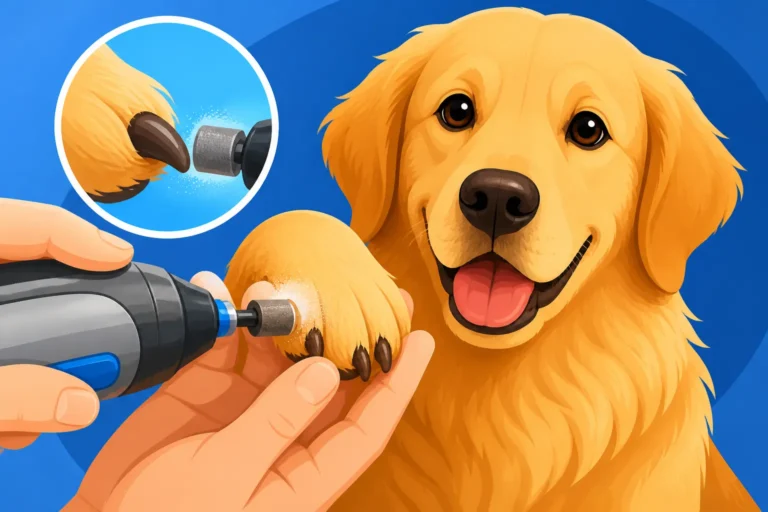
Once they're comfortable with paw touching, introduce the clippers (or a Dremel tool if you prefer that method). Don't trim yet. Just show them the clippers, let them sniff them, and immediately give a treat. Repeat this. Then, touch the clippers to their paw, then a treat. Next, touch the clippers to a nail without actually clipping, followed by a treat. Slowly build up to clipping one nail, then two, always ending on a positive note with praise and treats. If using a Dremel, also get them used to the sound and vibration before touching it to their nails. Never force the issue or reprimand them for being scared. The goal is to make them see nail time as "treat time" rather than "torture time." This slow, positive reinforcement method is detailed more specifically in Nail Trimming a Golden Retriever Who Hates It and can truly transform your Golden's attitude toward this essential task.
Establishing a Routine for Lifelong Comfort
The magic word in Golden Retriever care is "routine." Consistency is not just helpful; it's absolutely crucial for maintaining their health and preventing problems. When you integrate ear, paw, and nail care into a regular schedule, it becomes less of a chore and more of a natural part of their well-being.
Creating a Weekly Grooming Schedule
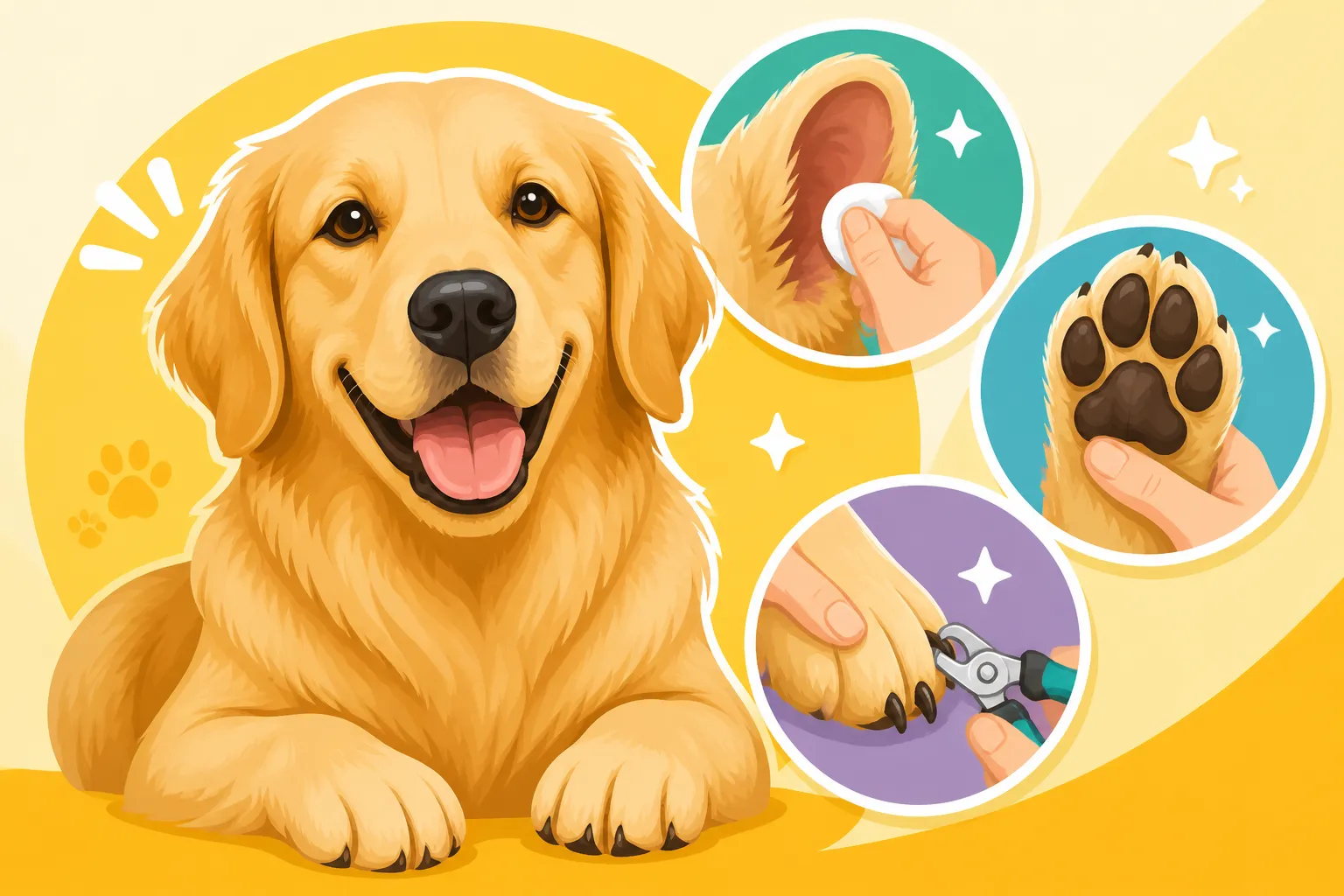
Establishing a consistent grooming schedule is the best way to ensure all aspects of your Golden's ear, paw, and nail care are addressed without becoming overwhelming. Aim for a weekly check-in session that covers all these areas. For example, dedicate a quiet evening once a week to "grooming night." During this time, you can do a thorough ear check and cleaning, inspect each paw for any issues, trim paw hair, and assess nail length. If the nails need trimming, do it then. If not, at least you’ve checked.
A routine not only keeps your Golden healthy but also helps them become accustomed to being handled. This familiarity can significantly reduce stress and anxiety during grooming sessions over time. Mark these sessions on your calendar or set a reminder on your phone to keep yourself accountable. This consistent effort will pay dividends in preventing infections, discomfort, and costly veterinary visits down the line. It's an investment in your Golden's long-term comfort and happiness, providing a predictable rhythm to their care.
Making Grooming a Positive Experience
No one wants to battle their Golden Retriever every time it’s time for a nail trim or ear cleaning. The key to successful, stress-free grooming sessions lies in making them as positive and enjoyable as possible. This starts with a calm environment. Choose a time when you and your Golden are relaxed, not rushed. Have all your tools ready, along with a generous supply of their favorite high-value treats. A quiet room away from distractions works best.
Throughout the entire process, use a soothing voice, offer constant praise, and dole out treats frequently. Even if you're only managing to trim one nail, celebrate that success! If your Golden shows signs of stress or fear, take a break and resume later or another day. Short, frequent sessions are far more effective than long, traumatic ones. Consider pairing grooming with an activity your Golden loves, like a short play session afterwards. By associating grooming with positive rewards and gentle handling, you can transform it from a dreaded event into a tolerable, or even enjoyable, routine for your beloved companion.
When to Seek Professional Help
While routine home care is incredibly important, there are definitely times when it's best to call in the professionals. If you notice persistent redness, swelling, discharge, a foul odor from the ears, or if your Golden is constantly shaking their head or scratching, it’s time for a veterinary appointment. These are clear signs of a potential infection or underlying issue that requires medical diagnosis and treatment. Similarly, if you find deep cuts, punctures, persistent lameness, or severe irritation on their paws, a vet visit is essential.
For nail care, if you're truly uncomfortable or fear cutting the quick, your groomer or vet clinic can trim your Golden's nails for you. This is especially helpful if your dog has dark nails where the quick is hard to see, or if they have become extremely overgrown, in which case a vet may need to sedate them for a safe trim. A professional groomer can also provide tips and demonstrations, helping you build confidence. Don't feel like you've failed if you need to rely on professionals – sometimes, it's the safest and most effective option for your Golden's well-being. Vet Costs for a Golden Retriever Ear Infection can be significant, so early intervention is always better.
Common Mistakes to Avoid in Ear, Paw, and Nail Care
Even with the best intentions, it's easy to fall into common traps when it comes to grooming. Being aware of these pitfalls can save your Golden Retriever unnecessary discomfort and you a lot of stress (and potentially vet bills!). Avoiding these mistakes is just as important as knowing what to do.
Over-Cleaning or Using Harsh Products
It's tempting to think that more cleaning equals better hygiene, but with Golden Retriever ears, over-cleaning can actually do more harm than good. Excessive cleaning can strip the delicate skin inside the ear canal of its natural protective oils, leading to dryness, irritation, and inflammation. This inflamed skin then becomes more susceptible to infections, creating a vicious cycle. Furthermore, using harsh chemicals, alcohol-based solutions, or human ear cleaning products can be highly irritating and damaging to a dog's sensitive ear tissues.
Always use a veterinarian-approved, pH-balanced ear cleaning solution specifically formulated for dogs. These solutions are designed to gently dissolve wax and dry out the ear canal without causing irritation. For paw care, avoid using human soaps or detergents on their pads, as these can be too harsh and dry out the sensitive skin. Stick to plain warm water or a mild, dog-specific paw wash when necessary. If you’re ever unsure about a product, consult your vet before applying it to your Golden.
Ignoring Subtle Signs of Discomfort
Golden Retrievers are notoriously stoic, often hiding pain or discomfort until it becomes severe. This trait, while admirable, can make it challenging for owners to spot emerging problems in their ears, paws, or nails. Ignoring subtle signs – a slight head tilt, a fleeting scratch behind the ear, a momentary limp after getting up, or an increase in paw licking that seems insignificant – can allow minor issues to escalate into painful conditions.
Pay close attention to changes in behavior or posture. Is your Golden shaking their head a little more often? Are they hesitant to jump onto the couch? Are they licking their paws more after walks? Do their nails seem to catch on the carpet more frequently? These small clues are your Golden's way of telling you something isn't quite right. Early detection and intervention are key to effective treatment. If you observe any persistent subtle signs, don't just hope they'll go away; investigate further, and if you can't find an obvious cause, schedule a visit with your veterinarian.
Delaying Professional Veterinary Consultations
One of the biggest mistakes owners make is delaying a veterinary visit when they suspect a problem. Whether it's a persistent ear discharge, a bleeding paw injury, or a severely overgrown nail that's causing pain, waiting it out rarely leads to a better outcome. Ear infections, for instance, can quickly become chronic if not treated properly, leading to deeper infections or even affecting hearing. Paw injuries can become infected, and severely long nails can cause irreversible changes to their gait and joint health.
Your veterinarian has the expertise, diagnostic tools, and medications to properly assess and treat these conditions. They can identify the specific type of infection, remove foreign bodies from paws, or address ingrown nails safely. While vet visits come with costs, often addressing an issue early is far less expensive (and less painful for your Golden) than treating a chronic, advanced problem that has been neglected. Prioritizing timely professional care for ear, paw, and nail issues is a fundamental aspect of responsible Golden Retriever ownership, contributing significantly to their long-term health and quality of life. Remember, good nutrition, such as that provided by companies like Ollie that focus on fresh, whole ingredients, can also play a role in supporting overall health, including skin and coat health, which indirectly benefits ears and paws.
The Connection Between Overall Health and Grooming
While we've focused on specific care for ears, paws, and nails, it's vital to remember that these are not isolated body parts. They are intrinsically linked to your Golden Retriever's overall health and well-being. A holistic approach to care means understanding how diet, environment, and general veterinary oversight all play a role in keeping these sensitive areas healthy. When one aspect of their health is off, it often manifests in symptoms that you might notice in their ears, paws, or nails.
Dietary Impact on Skin and Coat Health
What your Golden Retriever eats directly impacts the health of their skin, coat, and consequently, their ears and paws. A diet lacking in essential nutrients, particularly omega-3 fatty acids, can lead to dry, flaky skin, dull fur, and a compromised skin barrier. This weakened barrier can make them more susceptible to skin irritations, allergies, and infections, which often manifest in the ears and paws. For example, a Golden with food allergies might exhibit chronic ear infections or persistent paw licking and chewing as their primary symptoms.
Conversely, a high-quality, balanced diet rich in appropriate proteins, healthy fats, vitamins, and minerals supports a strong immune system and a robust skin barrier. This helps their body naturally fight off environmental allergens and prevents the overgrowth of yeast and bacteria. If your Golden is prone to ear or paw issues, evaluating their diet with your veterinarian's guidance might be a crucial step. Ensuring they get all the necessary nutrients helps keep their skin supple, their coat healthy, and their ears and paws less prone to problems.
Environmental Factors and Their Influence
Your Golden Retriever's environment plays a significant role in the health of their ears, paws, and nails. We've already touched on weather extremes, but there's more to consider. Exposure to environmental allergens like pollen, dust mites, or certain grasses can trigger allergic reactions that lead to itchy skin, inflamed paws, and chronic ear infections. If your Golden is frequently battling these issues, try to identify and minimize exposure to potential triggers. This might involve wiping their paws after walks, regular bathing with a hypoallergenic shampoo, or using air purifiers indoors.
The cleanliness of your home environment also matters. Regular vacuuming and cleaning can reduce dust and dander, benefiting Goldens with environmental sensitivities. Furthermore, ensuring a clean, dry living space helps prevent the spread of fungal and bacterial infections that could affect paws. For Goldens who love the outdoors, be vigilant about checking them for burrs, ticks, or plant awns that can lodge in their ears or between their toes. A clean and controlled environment supports a healthier external body, reducing the burden on their immune system and contributing to healthier ears, paws, and nails.
Regular Vet Check-ups Reinforce Good Habits
Even with the most diligent home grooming routine, regular veterinary check-ups are indispensable for maintaining your Golden Retriever's health, including their ears, paws, and nails. During these visits, your vet will perform a thorough physical examination, which includes inspecting these areas. They can spot subtle signs of trouble that you might miss, such as early stages of an ear infection, developing cysts between paw pads, or potential underlying conditions indicated by nail health.
Your veterinarian can also provide professional advice tailored to your Golden's specific needs, breed predispositions, and lifestyle. They can recommend the best ear cleaners, paw balms, or nail trimming techniques, and discuss preventative measures like specific allergy medications or supplements if needed. These check-ups are also an opportunity to discuss any changes you've noticed or ask questions about your grooming routine. Think of your vet as your partner in keeping your Golden Retriever in peak condition. Their expertise reinforces your good habits and provides a crucial safety net for addressing any health concerns that arise, ensuring your Golden remains comfortable and active for many happy years. Why Goldens Need Vet Visits Twice a Year is a testament to the importance of proactive care for these wonderful dogs.
| Component | Frequency Recommended | Key Actions | Warning Signs to Watch For | Tools/Products |
|---|---|---|---|---|
| Ears | Weekly-Bi-Weekly | Lift flap, inspect, apply vet-approved cleaner, massage, wipe debris. | Head shaking, scratching, foul odor, redness, discharge. | Dog-specific ear cleaner, cotton balls/pads, treats. |
| Paws | Daily after walks | Inspect pads and between toes for cuts, foreign objects, irritation. Trim paw hair. Clean as needed. | Limping, excessive licking/chewing, redness, swelling, cracks, blisters. | Damp cloth, mild dog-safe soap (if needed), paw balm, blunt-tip scissors for hair, treats. |
| Nails | Every 2-4 Weeks | Trim tips, avoiding the quick. Monitor length (no clicking on floor). | Clicking on floor, splaying toes, painful tears, limping. | Dog nail clippers (scissor/guillotine), Dremel, styptic powder, treats. |
Disclaimer
This article is for general informational purposes only and does not constitute professional advice. Laws, prices and regulations vary by location and change over time. Consult a qualified professional for guidance on your specific situation.