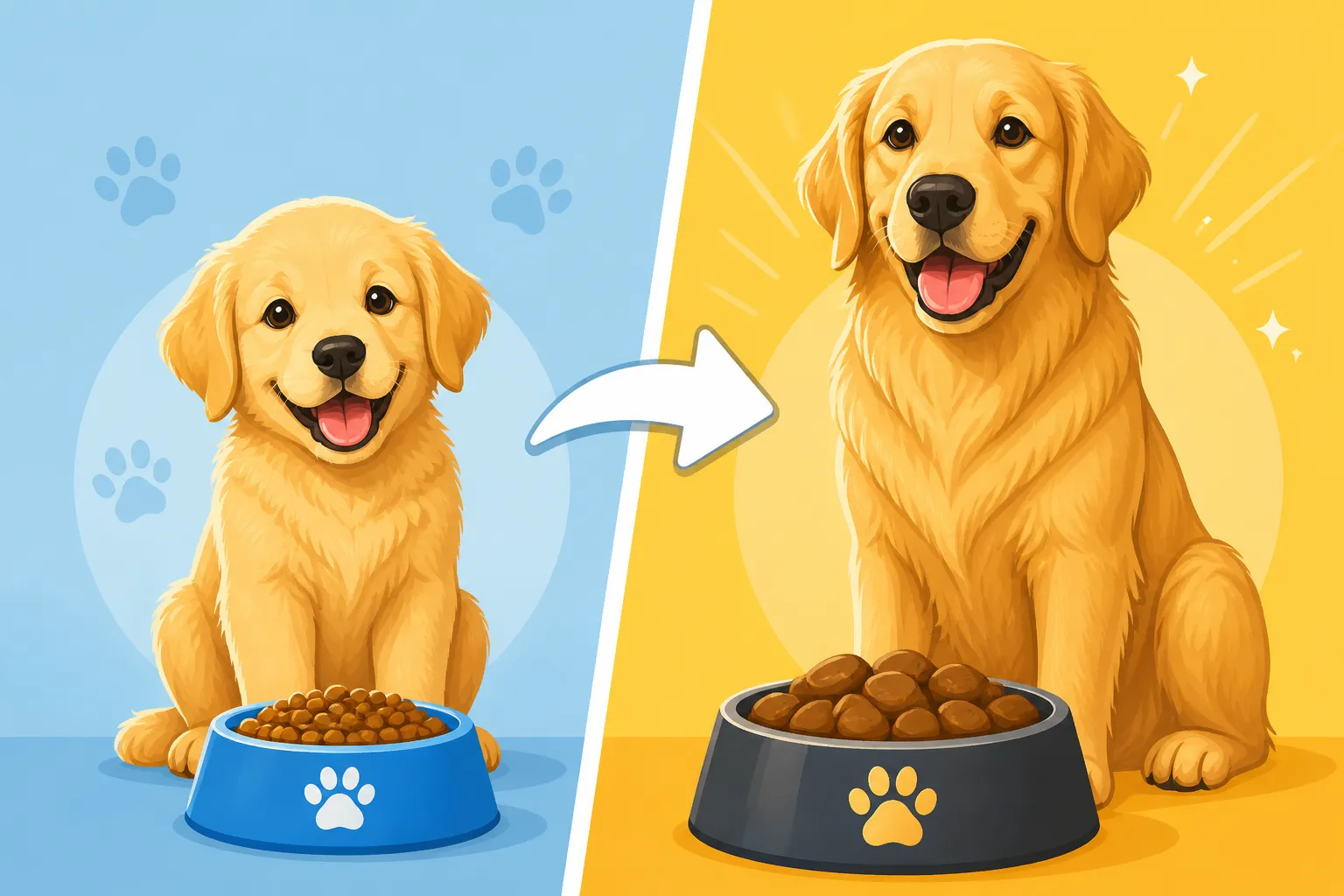
When a Golden Retriever Moves to Adult Food
One of the trickiest balancing acts for any Golden Retriever parent is figuring out exactly when to switch their beloved, rapidly growing puppy from that specially formulated puppy chow to adult dog food. It’s a decision fraught with good intentions but also a lot of uncertainty, because getting it wrong can have real consequences for your Golden's long-term health, especially their developing joints. This guide aims to take the guesswork out of that transition, walking you through the signs, the timing, and the best practices for ensuring your Golden continues to thrive as they mature.
Understanding Your Golden Retriever's Growth Journey
Bringing home a Golden Retriever puppy is a whirlwind of joy, sharp teeth, and astonishingly fast growth. One minute they're a tiny fluffball; the next, they're practically a small horse. But this rapid development isn't just about getting bigger; it's a complex biological process that requires careful nutritional support. Understanding the nuances of your Golden's growth journey is paramount to knowing when and how to adjust their diet.
The Critical Puppy Growth Phase
From the moment they arrive, Golden Retriever puppies are on a fast track. Their bones are lengthening, their muscles are developing, and their organs are maturing at an incredible rate. During this initial phase, typically up to about 12-16 months, their nutritional needs are uniquely high. They require more calories, more protein, and a very specific balance of minerals, particularly calcium and phosphorus, to support this intense growth without overdoing it.
It’s often a surprise to new owners just how delicate this rapid growth can be. While it might seem intuitive to feed a growing puppy as much as they want, or to give them extra calcium, doing so can actually be detrimental. Overfeeding, especially with too much calcium, can lead to skeletal issues like osteochondritis dissecans (OCD) or exacerbate conditions like hip and elbow dysplasia later in life. Their growth plates, the soft areas at the ends of their long bones, are particularly vulnerable during this time. Why Fast Growth Damages a Golden Retriever's Joints delves deeper into these critical developmental concerns. The goal of large-breed puppy food isn't to make them grow faster, but to help them grow steadily and at a controlled pace, allowing their musculoskeletal system to develop properly.
Signs of Approaching Adulthood
As your Golden Retriever puppy matures, you'll start to notice a shift from explosive growth to a more gradual "filling out" phase. This isn't just about their height anymore; it's about their overall development. Typically, a Golden Retriever will reach most of their adult height by 10-12 months, but they continue to gain muscle mass and fill out in chest and bone density for several more months, often until they are 18-24 months old.
Observing your dog's physical development is key. Are they still growing taller by the week, or has their height seemed to plateau? Are they starting to look more like a lean, lanky teenager and less like an oversized toddler? Their energy levels might also start to stabilize, moving from frantic, endless puppy energy to a more sustained, but still enthusiastic, adult vigor. Behavioral maturity also plays a role, though this can vary widely. While they might still have their goofy puppy moments, you might notice more focus, less incessant chewing on inappropriate items, and an increased ability to settle. You can explore When a Golden Retriever Reaches Full Height for more insight into their physical development timeline. Paying attention to these subtle changes will give you a good indication that their puppyhood, from a physiological perspective, is winding down.
Why Timing the Switch Matters So Much for Goldens
The decision of when to transition your Golden Retriever from puppy food to adult food isn't just a casual one. For a large breed like the Golden, the timing can profoundly impact their long-term health, particularly their bones and joints. This isn't about rushing them into adulthood, nor is it about keeping them a "puppy forever" by extending their specialized diet. It's about meeting their changing nutritional demands at precisely the right moment to support optimal health and prevent future problems.
The Risks of Switching Too Early
It might be tempting to switch your Golden to adult food early, especially if they seem huge for their age, or if you're trying to save a bit of money, as adult food can sometimes be slightly less expensive. However, transitioning a Golden Retriever too early can pose significant risks. Puppy foods are calorie-dense and rich in nutrients specifically designed for rapid growth. If your Golden is still in a critical growth phase, an early switch to adult food might mean they're not getting enough of these essential building blocks.
More critically, a premature switch could disrupt the delicate balance of calcium and phosphorus. While adult foods contain these minerals, puppy formulas, particularly those designed for large breeds, are carefully formulated to deliver precise amounts that support controlled bone development. Too little of these crucial minerals in the early stages could hinder bone mineralization, while an imbalance can contribute to developmental orthopedic diseases. The wrong balance of nutrients during this critical window when growth plates are still open can predispose them to lifelong joint issues. Understanding Calcium Levels in Golden Retriever Puppy Food is really important here, as even slight variations can make a big difference for large, fast-growing breeds. Ensuring your Golden gets the proper nutrition during their growth phase is one of the best investments you can make in their long-term soundness.
The Downsides of Staying on Puppy Food Too Long
On the flip side, keeping your Golden Retriever on puppy food for too long also carries its own set of problems. Once your Golden has reached their mature height and their growth plates have closed (typically between 12-18 months, depending on the individual), their nutritional needs shift. They no longer require the same high calorie count or the intense concentration of certain minerals that puppy food provides.
Continuing to feed puppy food past this point significantly increases the risk of obesity. Puppy food is naturally higher in calories to fuel growth, and feeding that to a dog whose growth has plateaued means they're taking in more energy than they're expending, leading to excess weight. Obesity is a major concern for Golden Retrievers, as it puts undue stress on their joints, exacerbates conditions like hip and elbow dysplasia, and can shorten their lifespan. You can read more about Overfeeding a Golden Retriever Puppy and its impact. Furthermore, prolonged exposure to the higher calcium levels in puppy food can actually be detrimental to adult bones, potentially contributing to conditions like hypertrophic osteodystrophy (HOD) in susceptible individuals, even if their growth plates have closed. It’s all about finding that sweet spot where their diet perfectly matches their physiological stage.
The Golden Age: When to Make the Transition
So, what's the magic number? When exactly should you make the leap? This is where many Golden Retriever parents feel the most confusion, often hearing conflicting advice from well-meaning friends or even different online sources. The truth is, there isn't one single, universal date on the calendar for every Golden. However, there are very clear guidelines that, when combined with your individual dog's development and your vet's advice, will lead you to the right decision.
Age Guidelines for Large Breeds
For large and giant breeds like Golden Retrievers, the consensus generally points to a later transition compared to smaller dogs. While a Chihuahua might be ready for adult food at 9 months, a Golden Retriever typically needs more time. Most experts recommend transitioning a Golden Retriever between 12 and 18 months of age.
Why this wide range? Because every dog is an individual! Factors like genetics, overall health, and even whether they're from a field line (often leaner, mature slightly faster) or a show line (tend to be stockier, fill out later) can influence their development. A Golden who is 12 months old and already looks quite filled out might be ready, whereas a lanky, still-growing 15-month-old might benefit from a few more months on a large-breed puppy formula. The key is that they should have reached their full adult height and the majority of their muscle and bone development. It's not just about age, but about maturity. This longer transition period ensures their musculoskeletal system, which carries a lot of weight, has ample time to develop robustly without being pushed too hard or missing out on vital nutrients.
Consulting Your Veterinarian
While general age guidelines are helpful, the most personalized and accurate advice will always come from your veterinarian. They have a comprehensive understanding of your Golden’s specific growth curve, health history, and any predispositions. During your regular check-ups, especially after your Golden reaches around 9-10 months of age, your vet will be assessing their body condition, weight, and overall development.
Don't hesitate to bring up the topic of food transition during these visits. Your vet can physically examine your Golden, feel their joints, check their body condition score, and confirm if their growth plates have likely closed. They can offer insights based on their breed-specific knowledge and their observations of your individual dog. For example, if your Golden is particularly active, or if they have a family history of joint issues, your vet might recommend a slightly different timing or a specific type of adult food. Regular veterinary visits are crucial not just for vaccinations and parasite prevention, but for these important discussions about diet and developmental milestones. Why Goldens Need Vet Visits Twice a Year underscores the value of these ongoing professional insights into your dog's well-being. Think of your vet as your most trusted partner in ensuring your Golden's optimal health.
| Age Range (Months) | Developmental Stage | Dietary Recommendation | Key Considerations |
|---|---|---|---|
| 2-12 | Rapid Puppy Growth | Large Breed Puppy Food | Controlled growth, calcium/phosphorus balance, joint development |
| 12-18 | Transition Window | Gradual Switch to Adult | Monitoring growth plate closure, body condition, vet consultation |
| 18+ | Adult | High-Quality Adult Food | Weight management, energy needs, long-term health |
The Art of the Smooth Transition
Once you've determined that your Golden Retriever is ready for adult food, the next step is implementing the change. This isn't a "cold turkey" situation. Abruptly switching foods can lead to digestive upset, which manifests as anything from mild gas and bloating to full-blown diarrhea or vomiting. Nobody wants to clean up those messes, and more importantly, it's uncomfortable for your dog. A gradual approach is key to a smooth, stress-free transition for their sensitive digestive system.
The Gradual Mixing Method
The best way to transition your Golden from puppy to adult food is by slowly introducing the new food over a period of about 7 to 10 days. This allows their digestive system, including the beneficial bacteria in their gut, to adapt to the new ingredients and nutrient profile.
Here’s a typical schedule to follow:
- Days 1-2: Mix about 75% of their old puppy food with 25% of the new adult food.
- Days 3-4: Adjust the ratio to 50% old food and 50% new food.
- Days 5-6: Shift to 25% old food and 75% new food.
- Days 7-10: By this point, your Golden should be comfortably eating 100% of the new adult food.
During this process, always keep an eye on their stool quality and overall demeanor. If you notice any signs of digestive upset, slow down the process. You might need to hold at a certain ratio for a few extra days until their system settles before moving to the next step. Every dog is different, and some may need a slower, 14-day transition. Patience is your best friend here. For more details on avoiding tummy troubles, check out Switching a Golden Retriever's Food Without Upset.
Monitoring for Digestive Upset and Pickiness
Even with a gradual transition, some Golden Retrievers might experience minor digestive issues. Keep a close watch for changes in stool consistency (too soft, too hard, or diarrhea), increased gas, vomiting, or a sudden decrease in appetite. If these symptoms are severe or persist for more than a couple of days, it's a good idea to contact your vet. It could indicate that the new food doesn't agree with them, or there might be an underlying issue.
Occasionally, you might encounter a picky eater. While Golden Retrievers aren't typically known for being finicky, a change in food texture, smell, or taste could make some hesitate. If your Golden is showing reluctance to eat the new food, try making the transition even slower. You could also try warming the food slightly or adding a little low-sodium chicken broth (ensure no onion or garlic) to make it more appealing. Avoid immediately switching to another brand if they seem to dislike the first one, as this can create a cycle of pickiness. Give them time to adjust, and remember that a healthy dog won't starve themselves.
Adjusting Feeding Amounts
Once you've successfully transitioned to adult food, don't just keep feeding the same volume you did with puppy food. Adult formulas often have a different calorie density. Puppy foods are typically richer in calories per cup to support rapid growth, so adult food might require a slightly larger volume, or, more commonly, a slightly smaller volume if the adult food is also dense.
Always refer to the feeding guidelines on the new adult food bag. These guidelines usually provide a daily amount based on your dog's weight and activity level. Start with the lower end of the recommended range, divide it into two meals (as Feeding an Adult Golden Retriever Twice a Day generally recommends for adults), and then monitor your Golden's body condition. You should be able to feel their ribs easily without seeing them, and they should have a discernible waist when viewed from above. Adjust the amount up or down as needed to maintain a healthy weight. Remember, the goal isn't to make them chunky; it's to keep them lean and healthy. How Much an Adult Golden Retriever Eats Daily offers more detailed information on determining appropriate portion sizes for your mature Golden.
Choosing the Right Adult Food for Your Golden
With countless brands and formulas lining the shelves or popping up in your online feed, choosing the right adult food for your Golden Retriever can feel overwhelming. It’s not just about picking something that says "adult dog food" on the label; it's about selecting a formula that truly supports their health, energy levels, and breed-specific needs for years to come. This is where a little research and label literacy really pay off.
Key Nutritional Considerations
When evaluating adult dog food for your Golden, think of it as building a strong foundation for their health. Here's what to look for:
- High-Quality Protein: Look for a named meat source (e.g., chicken, lamb, salmon) as the first ingredient. Protein is essential for maintaining muscle mass, which is particularly important for an active breed like the Golden. A protein content of around 22-26% is often suitable for adult Goldens. Best Protein Percentage for a Golden Retriever offers a deeper dive into this.
- Moderate Fat: Healthy fats provide energy and support skin and coat health. A fat content around 12-16% is generally appropriate for an adult Golden with a moderate activity level.
- Complex Carbohydrates: Ingredients like sweet potatoes, brown rice, barley, or oats provide sustained energy and fiber for digestive health.
- Essential Fatty Acids: Look for sources like flaxseed, fish oil (omega-3s), or chicken fat (omega-6s) to support their glorious coat and joint health.
- No Excessive Calcium: Unlike puppy food, adult food doesn't need super-high calcium levels. Excessive calcium in adult dogs can contribute to health issues over time.
Always scrutinize the ingredient list. Avoid foods with vague "meat meal" or excessive fillers like corn or wheat as the primary ingredients. Understanding Reading a Dog Food Label for a Golden Retriever will empower you to make informed choices.
Large Breed Adult Formulas
While your Golden is no longer a puppy, large-breed adult formulas can still be a fantastic choice. These foods are often formulated with ingredients that support joint health, such as glucosamine and chondroitin, which are beneficial for a breed prone to hip and elbow dysplasia. They also tend to have a slightly lower calorie density per cup compared to standard adult formulas, helping to prevent obesity, which is a major concern for Goldens.
The kibble size in large-breed formulas is also typically larger, encouraging your Golden to chew their food rather than inhaling it. This can be helpful for digestion and potentially reduce the risk of bloat, a life-threatening condition for deep-chested breeds. While not strictly necessary, a large-breed adult formula can offer an extra layer of tailored support for your Golden's unique physiological needs.
Navigating Food Brands and Types
The market is flooded with options, from traditional dry kibble to fresh, raw, and home-cooked diets. Each has its pros and cons, and what works best for one Golden might not be ideal for another, or for your budget and lifestyle.
- Dry Kibble: This is the most common and often most economical choice. High-quality kibbles offer complete and balanced nutrition, and many reputable brands cater specifically to large breeds. Brands found on platforms like Chewy offer a vast selection, allowing you to compare ingredients, reviews, and prices easily. When selecting kibble, look for those that meet AAFCO (Association of American Feed Control Officials) nutritional adequacy statements for "maintenance" or "all life stages" (though "all life stages" should be carefully considered, ensuring it's not too calorie-dense for an adult).
- Fresh Food Subscriptions: Services like Ollie provide pre-portioned, human-grade fresh meals delivered to your door. These can be highly palatable and offer excellent digestibility. While often more expensive, many owners report improvements in coat health, energy levels, and even a reduction in allergy symptoms. If you're considering this, remember to factor in the commitment and cost.
- Wet Food/Canned Food: Can be a good option for picky eaters or to add moisture to the diet. It's often more expensive per serving than kibble and higher in calories, so use it as a topper or treat rather than a sole diet unless specifically recommended by your vet. You can often find a good selection of quality wet foods on platforms like Amazon.
- Raw or Home-Cooked Diets: These require significant research and often veterinary nutritional guidance to ensure they are complete and balanced. Without proper formulation, they can lead to serious nutrient deficiencies or excesses. If you choose this path, consult with a board-certified veterinary nutritionist.
Ultimately, the best food for your Golden is one they thrive on, maintains a healthy weight, keeps their coat shiny, and prevents digestive upset. Don't be afraid to read reviews, compare brands, and even ask for samples when available.
Beyond the Food Bowl: Ongoing Adult Nutrition
Transitioning to adult food is a significant milestone, but it's just the beginning of a lifetime of responsible nutrition for your Golden Retriever. Their dietary needs will continue to evolve, albeit more subtly, as they move through different stages of adulthood. Maintaining their health goes beyond the type of food; it encompasses portion control, monitoring body condition, and understanding how treats and supplements fit into the bigger picture.
Maintaining a Healthy Body Condition
Once your Golden is on adult food, your new mission is to keep them at an ideal, lean body weight. This is hands-down one of the most impactful things you can do for their long-term health, joint integrity, and overall lifespan. An overweight Golden is a Golden heading towards accelerated arthritis, increased risk of certain cancers, diabetes, and a host of other health problems.
You should regularly assess your Golden's body condition score. This involves both visual inspection and tactile examination. When you look at your Golden from above, they should have a visible waist or "tuck" behind their ribs. From the side, their abdomen should tuck up slightly, not hang down. When you run your hands along their sides, you should be able to easily feel their ribs, but not see them protruding. If you have to press hard to feel them, or if there's no waist, your Golden is likely carrying too much weight. Conversely, if ribs are sharply visible, they might be too thin. Adjust their food intake (and increase exercise, if safe and appropriate) based on these assessments. Your vet can show you how to accurately Checking a Golden Retriever's Body Condition Score at home. It's a skill every Golden owner should master.
Treats, Supplements, and Hydration
Even with a perfect adult diet, treats, supplements, and water play crucial roles in your Golden's overall nutrition.
- Treats: Treats are wonderful for training, bonding, and just spoiling your Golden. However, they are also a sneaky source of extra calories. Aim for treats that are small, low-calorie, and healthy. Think single-ingredient options like dehydrated sweet potato, small pieces of cooked chicken, or purpose-made training treats. Remember the "10% rule": treats should make up no more than 10% of your Golden's daily caloric intake. This helps prevent weight gain and ensures they're still getting the bulk of their nutrition from their balanced dog food. For ideas on healthy treat options and portion control, see How Many Treats a Golden Retriever Can Have.
- Supplements: While a high-quality, balanced adult dog food should provide all the necessary nutrients, some Golden Retriever owners consider supplements, especially for joint health. Glucosamine and chondroitin are popular choices for supporting cartilage and joint function, which can be particularly beneficial for a breed prone to hip and elbow issues as they age. Omega-3 fatty acids (from fish oil) are also commonly given for their anti-inflammatory properties and benefits for skin and coat. Before adding any supplement to your Golden's diet, always consult your veterinarian. They can help you determine if a supplement is necessary, recommend appropriate dosages, and ensure it won't interact negatively with any other medications or conditions.
- Hydration: Water is often overlooked but is absolutely vital for every bodily function. Always ensure your Golden Retriever has access to fresh, clean water throughout the day. If they're a particularly active dog, or if the weather is warm, they'll need even more. Encourage drinking by having multiple water bowls around the house and taking water with you on walks or outings. Proper hydration aids digestion, helps regulate body temperature, and keeps their kidneys functioning optimally.
By continuing to be mindful of these aspects long after the puppy food is gone, you'll ensure your Golden Retriever enjoys a vibrant, healthy, and happy life well into their golden years.
Disclaimer
This article is for general informational purposes only and does not constitute professional advice. Laws, prices and regulations vary by location and change over time. Consult a qualified professional for guidance on your specific situation.