Feeding a Senior Golden Retriever
It's heartbreaking to watch your beloved Golden Retriever start to slow down, their once boundless energy giving way to more naps and a slower gait. One of the biggest worries for us Golden parents as our furry family members age is how to keep them healthy and comfortable, and a huge part of that is their diet. You might be struggling with a once-eager eater who's now picky, or a senior who's packing on pounds even though they seem less active. This comprehensive guide will walk you through everything you need to know about feeding your senior Golden Retriever, ensuring they get the right nutrition to thrive in their golden years.
Understanding Your Senior Golden's Changing Nutritional Needs
As our Golden Retrievers transition from spirited adults to wise seniors, their bodies undergo significant changes. What once fueled their endless games of fetch and exuberant swims might now contribute to weight gain and discomfort. It's a natural progression, but it means their dinner plate needs a thoughtful re-evaluation.
Metabolic Slowdown and Activity Level
One of the most immediate and noticeable changes in an aging Golden is a slowdown in metabolism. Think of it like this: their internal engine isn't revving as high as it used to. This means they simply don't burn calories as efficiently. Combine this with a natural decrease in activity — fewer long runs, more leisurely strolls, and certainly more napping on the couch — and you have a recipe for easy weight gain if their diet isn't adjusted.
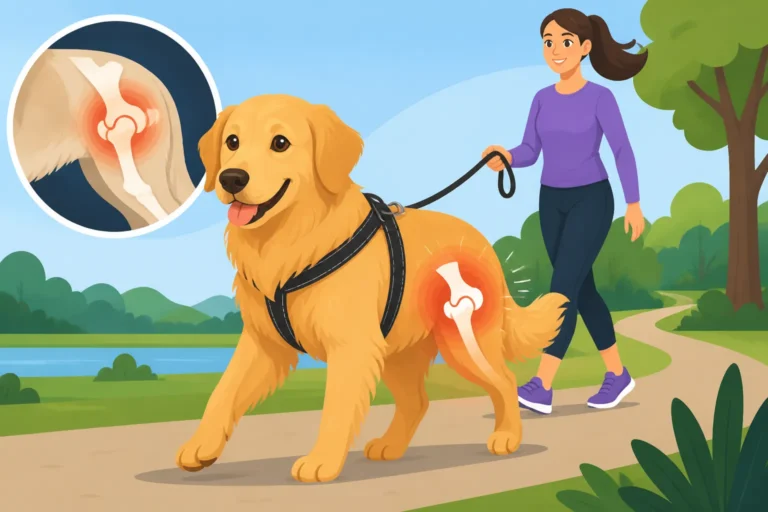
Many of us, out of habit or love, continue to feed our senior Goldens the same amount of food they ate as younger adults. The problem is, those extra calories, day after day, add up quickly. A few pounds might not seem like much on a large breed, but for a Golden already facing potential Golden Retriever Arthritis and Joint Decline, even a small amount of excess weight can dramatically increase pressure on their joints, exacerbating pain and accelerating degenerative issues. It's a tough balance because we want to see them enjoy their food, but we also have to prioritize their long-term comfort and mobility.
Common Senior Golden Health Concerns
Beyond just slowing down, senior Goldens are often contending with a variety of age-related health issues that their diet can profoundly impact. Arthritis is almost a given for many large breeds as they age, making movement painful. Dental disease becomes more prevalent, making chewing uncomfortable or even impossible. Internal organs, like the kidneys and liver, might not function with the same robust efficiency, meaning they need a diet that supports rather than stresses these vital systems. Hypothyroidism in Golden Retrievers is another condition that can affect metabolism and weight, making dietary adjustments even more critical.
Additionally, cognitive decline, sometimes referred to as canine cognitive dysfunction, can begin to manifest, affecting everything from their sleep patterns to their appetite. A diet rich in antioxidants and specific fatty acids might offer some support here. Certain dietary components can help manage inflammation for arthritic joints, while others can be gentler on aging kidneys. Ignoring these underlying health factors when choosing food for your senior Golden is a missed opportunity to truly support their well-being. This is why discussions with your veterinarian about their specific health profile are so crucial; they can help guide you toward foods formulated to address these common senior challenges.
Weight Management: The Senior Tightrope Walk
Maintaining a healthy weight for your senior Golden Retriever is, quite honestly, a tightrope walk. On one side, you have the very real danger of obesity, which puts immense strain on joints, heart, and other organs, significantly impacting their quality of life. An overweight senior Golden is an uncomfortable one, often less willing to move, which then feeds into a cycle of further weight gain and reduced mobility. We often underestimate just How Extra Weight Shortens a Golden Retriever's Life.
On the other side of the tightrope is the risk of undernourishment or unintended weight loss, especially if your Golden develops a health condition that affects appetite or nutrient absorption, or if you cut their food too drastically without professional guidance. The goal isn't just to make them "skinny" but to ensure they maintain a lean, muscular body condition that supports their frame without unnecessary bulk. It requires consistent monitoring, understanding portion control, and being flexible with your approach. This delicate balance means every meal becomes a part of their overall health strategy, a deliberate choice to help them stay as active and comfortable as possible for as long as possible.
Choosing the Right Senior Dog Food for Your Golden
Walking down the dog food aisle can feel overwhelming at any stage of your dog's life, but when you're specifically looking for a senior formula, the choices can seem even more daunting. It's not just about grabbing a bag that says "senior" on it; it's about understanding what your aging Golden truly needs.
Key Nutritional Requirements for Older Goldens
As your Golden Retriever enters their senior years, their nutritional needs shift considerably from their adult days. First and foremost, protein remains incredibly important, perhaps even more so. While some older theories suggested lower protein for aging kidneys, current research indicates that high-quality, easily digestible protein is essential for maintaining lean muscle mass. Losing muscle can lead to weakness and further mobility issues, especially for a large breed like a Golden. Look for identifiable meat sources like chicken, beef, or lamb as the first ingredient.
Fat content should generally be moderate. While puppies need more fat for energy and growth, and very active adults can burn through it, a senior Golden with a slower metabolism and reduced activity doesn't need as much. Too much fat can lead to weight gain, which as we discussed, is detrimental to their joints. However, healthy fats, particularly omega-3 fatty acids (DHA and EPA), are crucial for cognitive function, reducing inflammation (great for arthritis!), and maintaining healthy skin and a shiny coat.
Fiber is also important for digestive health, helping to keep bowel movements regular and preventing constipation, which can be a common issue in older dogs. Beyond the macros, focus on a diet rich in antioxidants (from fruits and vegetables) to combat cellular damage, and consider foods fortified with glucosamine and chondroitin to support joint health. Calcium and phosphorus ratios also need to be balanced to support bone health without stressing kidneys. The ideal food will strike a careful balance, providing nutrient density without excessive calories.
Deciphering Senior Dog Food Labels
Navigating dog food labels can feel like trying to solve a puzzle, but it's a critical skill when selecting food for your senior Golden. Don't just look for the word "senior" splashed across the front of the bag; dig deeper. Start with the ingredient list. The first few ingredients are the most abundant. You want to see whole, identifiable protein sources, not vague "meat meals" or excessive fillers. Good examples include "deboned chicken," "lamb meal," or "salmon." Avoid corn, soy, and wheat as primary ingredients, especially if your Golden has any sensitivities.
Next, examine the Guaranteed Analysis. This panel tells you the minimum percentages of crude protein and crude fat, and maximum percentages of crude fiber and moisture. For a senior Golden, you're generally looking for:
- Protein: At least 25-30% on a dry matter basis to support muscle maintenance.
- Fat: Around 10-15% (dry matter basis) to provide energy without excess calories.
- Fiber: Around 3-5% for digestive health.
You might also look for specific additives like chondroitin sulfate and glucosamine, often listed towards the bottom, indicating joint support. Some brands, like those found on Chewy, provide very detailed nutritional breakdowns right on their product pages, making it easier to compare. Remember, a label's claims should always be backed up by the actual ingredient list and guaranteed analysis. If a food seems too good to be true, it probably is.
Comparing Different Senior Food Formulations
The market offers a wide array of food formulations, and what works best for your senior Golden will depend on their specific needs, preferences, and any health conditions.
-
Dry Kibble: This is the most common and often most economical choice. Look for high-quality kibbles specifically formulated for senior large breeds, which will typically have appropriate protein, fat, and fiber levels. Many reputable brands offer such formulas. If your senior Golden has dental issues, you can soften kibble with warm water or low-sodium broth. When browsing options on Amazon or Chewy, read reviews from other Golden Retriever owners to get an idea of palatability and how well dogs tolerate specific formulas.
-
Wet Food (Canned or Pouched): Wet food is excellent for seniors who have dental problems, reduced appetite, or need extra hydration. Its higher moisture content makes it easier to chew and swallow, and its aroma can be more enticing for a picky eater. However, it's often more expensive per serving than kibble. You can use it as a topper to make kibble more appealing or feed it as a standalone meal.
-
Fresh Food Diets: Brands like Ollie provide fresh, human-grade food that is gently cooked and delivered to your door. These diets can be highly palatable and digestible, often a godsend for senior Goldens with sensitive stomachs or very particular tastes. The higher moisture content also aids hydration. While they tend to be more expensive, many owners report significant improvements in coat, energy, and overall well-being. The precise, customized portioning can also be a huge benefit for weight management.
-
Homemade Diets: If you're considering a homemade diet for your senior Golden, it's absolutely crucial to work with a board-certified veterinary nutritionist. Crafting a balanced diet that meets all the complex nutritional needs of an aging dog is incredibly difficult and doing it improperly can lead to serious deficiencies or excesses. While the idea of providing fresh, whole ingredients is appealing, the risks of imbalance are too great to attempt without expert guidance. A properly formulated homemade diet can be fantastic, but an improperly formulated one can cause more harm than good.
| Food Type | Pros | Cons | Best For |
|---|---|---|---|
| Dry Kibble | Economical, easy to store, can help clean teeth, wide variety of formulas. | Can be less palatable, lower moisture content, may be hard for dogs with dental issues. | Seniors with good dental health, owners on a budget, those who prefer convenience. Can be softened for easier eating. |
| Wet Food | Highly palatable, high moisture content (good for hydration), easy to chew, softer texture for dental problems. | More expensive, shorter shelf life once opened, can lead to less dental cleaning action. | Picky eaters, seniors with dental pain or missing teeth, dogs needing increased hydration, those with sensitive stomachs who do better with easily digestible, moist food. |
| Fresh Food | Highly palatable, human-grade ingredients, nutrient-dense, easily digestible, customizable. | Highest cost, requires refrigeration, may be less convenient for travel. | Seniors with very sensitive stomachs, severe picky eaters, dogs needing optimal nutrition support for specific health issues, owners willing to invest more in diet. |
| Homemade | Full control over ingredients, highly palatable. | Extremely difficult to balance nutritionally, high risk of deficiencies without expert guidance. | Only recommended under the strict supervision and formulation of a board-certified veterinary nutritionist for specific health needs that cannot be met by commercial diets. Not for casual DIY. |
Ultimately, the best choice is one your Golden thrives on, enjoys eating, and is appropriate for their individual health status. Don't be afraid to try samples or transition slowly between foods until you find the perfect fit.
Adjusting Feeding Schedules and Portions for Optimal Health
Just like with us humans, as Goldens age, how much they eat and when can be just as important as what they eat. Their systems become a bit more sensitive, their energy levels fluctuate, and their digestive tracts may not be as robust as they once were.
Portion Control: Less Is Often More
This is perhaps the hardest pill to swallow for many Golden Retriever owners, myself included. It goes against every fiber of our being to cut back on something our beloved dog clearly enjoys. But when it comes to a senior Golden, often, less food is actually more beneficial. Their metabolic slowdown and decreased activity mean their caloric needs drop significantly. Continuing to feed them the same amount they ate as a five-year-old will inevitably lead to unhealthy weight gain, exacerbating joint pain and potentially leading to other serious health issues like diabetes or heart disease.
The exact amount will vary based on their size, current weight, activity level, and the caloric density of their food, but a general rule of thumb is that a senior dog might need 20-30% fewer calories than their adult counterpart. This isn't a hard and fast rule, but it gives you a starting point. It's not about starving them; it's about providing the right amount of fuel for their current life stage. You might be surprised at how much their "normal" portion actually exceeds their needs. This is where your veterinarian becomes your absolute best resource. They can help you calculate an appropriate caloric intake and guide you on portion sizes. Without careful Golden Retriever Weight and Joint Damage is a real risk.
Feeding Frequency and Routine
While two meals a day is standard for most adult Goldens, seniors often benefit from a different approach. Instead of two large meals, consider offering three smaller meals throughout the day. This can be particularly helpful for a few reasons:
- Easier Digestion: Smaller, more frequent meals are often easier on an aging digestive system, reducing the likelihood of stomach upset, gas, or bloating.
- Stable Blood Sugar: For dogs prone to blood sugar fluctuations, multiple smaller meals can help keep levels more stable throughout the day.
- Appetite Stimulation: If your senior Golden has a reduced appetite, offering smaller, more frequent meals can be less overwhelming than a large bowl, encouraging them to eat more consistently.
- Mental Enrichment: Meal times are often a highlight of a dog's day. Adding an extra meal can provide additional mental stimulation and something to look forward to.
Establishing a predictable routine is also vital. Dogs thrive on routine, and knowing when their next meal is coming can reduce anxiety and aid digestion. Try to feed them at roughly the same times each day. If you work, this might mean an early morning, an afternoon check-in from a dog walker or family member, and an evening meal. Consistency is key to both their physical and mental well-being in their senior years.
Monitoring Weight and Body Condition
This is an ongoing task that requires your vigilance. It's not enough to just guess your Golden's weight; you need to actively monitor it. The easiest way to do this at home is through regular Body Condition Scoring (BCS). You should be able to:
- Feel their ribs: Gently run your hands along their sides. You should be able to feel their ribs without pressing hard, but they shouldn't be visibly prominent or covered by a thick layer of fat. Feeling a Golden Retriever's Ribs the Right Way is crucial to get this right.
- Observe their waist: When looking down at your Golden from above, you should see a distinct waistline tucked in behind their ribs. It shouldn't be a straight line from chest to tail, nor should it be severely cinched.
- Check their abdominal tuck: When looking at them from the side, their belly should tuck up slightly from their chest towards their hind legs.
Weighing your Golden regularly (perhaps once a month at your vet's office or on a large scale at home if you have one) is also incredibly helpful. Track their weight over time. Are they creeping up? Time to slightly reduce portions. Are they losing weight unintentionally? Time for a vet visit to rule out underlying health issues, as unexpected weight loss can be a symptom of more serious conditions like cancer. Screening an Older Golden Retriever for Cancer is often part of routine senior care. Your vet can give you specific guidance on what your Golden's ideal weight range should be and help you adjust their diet accordingly. This proactive approach ensures you catch any issues early and maintain their optimal body condition for a comfortable senior life.
Addressing Common Eating Challenges in Older Goldens
Aging brings with it a host of challenges, and your Golden Retriever's eating habits are no exception. What used to be a joyful, unthinking gulp of kibble can become a slow, painful, or even unenthusiastic process. Understanding these challenges can help you address them with empathy and practical solutions.
Dental Issues and Eating Discomfort
One of the most common, and often overlooked, reasons a senior Golden might stop eating enthusiastically is dental pain. Imagine trying to chew crunchy kibble with a throbbing toothache or inflamed gums. It's simply not pleasant. Dental disease is rampant in older dogs, leading to painful infections, loose teeth, and even bone loss in the jaw. If your Golden is approaching their bowl hesitantly, dropping food, chewing on one side of their mouth, or suddenly preferring softer foods, dental issues should be one of the first things you consider.
The solution here isn't just to switch to wet food, though that can provide immediate relief. It's crucial to get their teeth checked by a vet. A professional dental cleaning, which often involves anesthesia to properly scale below the gumline and extract any diseased teeth, can dramatically improve their quality of life. While the cost of a Golden Retriever Dental Cleaning Costs can be a concern, the relief it brings is immeasurable. Once their mouth is healthy, they might return to eating kibble with gusto, or at least be more comfortable eating whatever food you provide. In the meantime, softening kibble with warm water or offering paté-style wet food can make meal times much less painful.
Appetite Changes and Picky Eating
It's common for senior Goldens to experience changes in appetite. Some might become voracious eaters as their metabolism slows, always seeming hungry. Others, however, might become surprisingly picky or just lose interest in food. This can be incredibly frustrating and worrying for owners. Reduced appetite can stem from many factors: dulled senses of smell and taste, underlying health issues (like kidney disease or cancer), discomfort from arthritis making it hard to stand at the bowl, or even side effects from medications.
If your senior Golden is suddenly turning up their nose at their usual food, first, rule out medical causes with your vet. Once health issues are addressed, you can try various strategies to entice them:
- Warm it up: Gently warming wet food or kibble moistened with broth can release aromas, making it more appealing.
- Add palatable toppers: A dollop of plain yogurt (if they tolerate dairy), a sprinkle of cooked chicken, or a little low-sodium broth can make a meal irresistible. Many owners find success with adding a bit of fresh food, like that from Ollie, as a topper.
- Offer variety: While consistency is good, sometimes a change in flavor or protein source can spark their interest.
- Different bowl types: If joint pain makes bending difficult, try a raised food bowl to reduce strain on their neck and joints.
- Patience: Don't hover, but give them time to eat. Sometimes, a calm, quiet mealtime environment is all they need.
Always remember that sudden or significant appetite loss warrants an immediate vet visit, as it can be a critical symptom of a serious condition.
Digestive Sensitivities and Upset Stomachs
An aging digestive system can be more delicate. You might notice your senior Golden experiencing more frequent bouts of gas, loose stools, or even vomiting, especially after eating certain foods or ingredients. Their gut microbiome, the balance of good and bad bacteria, can shift with age, making them more prone to digestive upset. Additionally, their ability to produce digestive enzymes might decrease, making certain foods harder to break down.
If your Golden is showing signs of digestive sensitivity, consider the following:
- Easily digestible formulas: Look for senior dog foods that are marketed as "sensitive stomach" or "limited ingredient" diets, as these often contain fewer common allergens and simpler ingredients.
- Probiotics: Introducing a good quality probiotic supplement, or feeding foods fortified with them, can help restore balance to their gut. Probiotics for a Golden Retriever's Digestion can be a game-changer for some seniors.
- Slow, gradual food transitions: If you decide to change their food, do so very slowly over 7-10 days, gradually mixing the new food with the old, to avoid shocking their system.
- Smaller, more frequent meals: As mentioned earlier, this can be easier on their digestive tract than one or two large meals.
- Avoid table scraps: While tempting, human foods, especially rich or fatty ones, can wreak havoc on a sensitive senior stomach. Stick to approved, dog-safe treats in moderation.
Monitoring their stool quality is a good indicator of digestive health. Any persistent diarrhea, vomiting, or blood in the stool should always prompt a call to your veterinarian.
Supplements and Hydration for Senior Golden Retrievers
As our Goldens age, their bodies often need a little extra help to keep everything running smoothly. While a good diet is the foundation, certain supplements and a strong focus on hydration can make a real difference in their comfort and quality of life.
Beneficial Supplements for Aging Joints and Cognition
When your Golden Retriever reaches their senior years, their joints are usually the first thing to show signs of wear and tear. This is where supplements can step in to provide targeted support.
- Glucosamine and Chondroitin: These are probably the most well-known joint supplements. Glucosamine helps maintain cartilage, while chondroitin gives cartilage elasticity and helps inhibit the enzymes that destroy it. Together, they can reduce pain and improve mobility for dogs with arthritis. Many senior dog foods now include these, but often not in therapeutic doses, so additional supplementation might be necessary.
- Omega-3 Fatty Acids (EPA and DHA): Found in fish oil, these powerful anti-inflammatory agents are fantastic for joint health, reducing the pain and stiffness associated with arthritis. But their benefits don't stop there. Omega-3s are also crucial for brain health and cognitive function, supporting vision, and promoting a healthy skin and coat. Look for high-quality fish oil supplements that specify EPA and DHA content.
- MCT Oil (Medium-Chain Triglyceride Oil): Derived from coconut oil, MCT oil can be beneficial for senior Goldens experiencing cognitive decline. It provides an alternative fuel source for the brain, and some studies suggest it can help improve cognitive function and reduce symptoms of canine cognitive dysfunction.
- Antioxidants: Vitamins E and C, as well as compounds found in blueberries, spinach, and other fruits and vegetables, help combat oxidative stress and cellular damage that accumulates with age. A good senior dog food should contain a robust blend of these, but some specific supplements can provide an extra boost.
- Probiotics: As discussed, an aging gut can become sensitive. Probiotics help maintain a healthy balance of gut bacteria, aiding digestion and nutrient absorption.
Before starting any new supplement regimen, always have a conversation with your veterinarian. They can help you determine which supplements are appropriate for your Golden's specific health needs and ensure proper dosing. You can explore a variety of Joint Supplements for a Golden Retriever and other options online at retailers like Chewy or Amazon.
The Critical Role of Hydration
It's easy to overlook, but adequate hydration is absolutely critical for senior Golden Retrievers. Older dogs are more prone to dehydration for several reasons: they might not feel as thirsty, some medications can increase fluid loss, and kidney function can decline, requiring more water to process waste. Dehydration can exacerbate existing health problems, lead to constipation, make them feel lethargic, and even contribute to organ stress.
Here are ways to encourage your senior Golden to drink more:
- Multiple Water Bowls: Place several bowls of fresh, clean water around your home, including in their favorite resting spots.
- Water Fountains: Some dogs prefer the running water from a pet fountain, which can entice them to drink more.
- Add Water to Food: Moisten their kibble with warm water or low-sodium chicken broth. If you're feeding wet or fresh food, that naturally provides more hydration.
- Ice Cubes: Many Goldens love to crunch on ice cubes, which can be a fun way to get extra fluid into them.
- Flavor Their Water: A splash of bone broth (ensure it's dog-safe and low sodium) can make plain water more appealing.
Always monitor their water intake, especially during warmer months. If your Golden seems excessively thirsty or is barely drinking at all, contact your vet, as these can be signs of underlying health issues like diabetes or kidney disease.
When to Consult Your Vet About Diet
While this guide offers a lot of general advice, the most important piece of guidance for feeding your senior Golden Retriever is this: always consult with your veterinarian. They are your primary partner in managing your dog's health. You should reach out to them if:
- Your Golden has a specific health condition: If they have kidney disease, heart disease, diabetes, cancer, or severe arthritis, their dietary needs will be very specific and require a prescription or specialized diet.
- You notice significant weight changes: Unexplained weight loss or rapid weight gain should always be investigated.
- There are persistent digestive issues: Chronic vomiting, diarrhea, or constipation are not normal and need veterinary attention.
- Your Golden is refusing to eat: A prolonged lack of appetite is a red flag.
- You're considering a homemade diet: As mentioned, this requires expert formulation to be safe and balanced.
- You want to introduce new supplements: Your vet can advise on efficacy, dosing, and potential interactions with medications.
Regular vet check-ups, ideally Why Goldens Need Vet Visits Twice a Year as they age, are essential for monitoring their overall health and tailoring their diet as their needs evolve. A senior blood panel, which your vet will likely recommend as part of their senior wellness exam, can provide crucial insights into organ function and overall health status, guiding dietary recommendations. What a Golden Retriever Senior Blood Panel Covers can help pinpoint issues that diet can support. Don't hesitate to lean on their expertise; they are there to help you ensure your beloved Golden enjoys their golden years with optimal health and comfort.
Disclaimer
This article is for general informational purposes only and does not constitute professional advice. Laws, prices and regulations vary by location and change over time. Consult a qualified professional for guidance on your specific situation.