Treats That Fit a Golden Retriever’s Calories
It’s a common scenario for Golden Retriever parents: you look into those soulful eyes, see that wagging tail, and suddenly, that extra treat just has to happen. We’ve all been there! But those seemingly innocent little rewards can really add up, potentially impacting your beloved Golden's health and longevity. This guide is all about navigating the world of dog treats, helping you choose options that fit your Golden Retriever’s caloric needs without sacrificing their joy or your bond.
The Hidden Impact of Treats on Your Golden's Waistline
It's easy to dismiss treats as minor additions to your dog's diet, especially when they're small. However, even tiny treats carry calories, and for a breed like the Golden Retriever, known for its hearty appetite and predisposition to certain health issues, those calories can quickly contribute to weight gain if not managed carefully. Understanding this often overlooked aspect of canine nutrition is crucial for their long-term well-being.
Why Calorie Counting Matters for Goldens
Golden Retrievers are a magnificent breed, but they are also prone to gaining weight, which can exacerbate or even cause significant health problems. Conditions like hip and elbow dysplasia, which are already prevalent in the breed, can be made much worse by carrying extra pounds. Imagine the stress on joints that are already struggling when they have to bear an additional five, ten, or even twenty pounds. It's a cruel reality that many Golden owners face. Excess weight also puts a strain on their cardiovascular system, increases the risk of certain cancers, and can even shorten their lifespan. This isn't just about aesthetics; it's about their quality of life and how long they get to be by your side. Every calorie, whether from a meal or a treat, contributes to their overall energy intake, and when that intake consistently exceeds their energy expenditure, weight gain is the inevitable outcome. Keeping track of their overall caloric intake, including treats, becomes a vital part of preventative care. Neglecting this simple step can lead to a cascade of expensive vet visits and a diminished life for your cheerful companion.
The Slippery Slope of "Just One More"
The emotional bond we share with our Golden Retrievers is powerful, and it often manifests in giving treats as expressions of love, comfort, or reward. Who can resist those pleading eyes when you’re enjoying a snack? The problem is that "just one more" quickly becomes a pattern. A small piece of cheese here, a bite of chicken there, and a few store-bought biscuits for good behavior throughout the day – it all adds up. These seemingly insignificant additions can easily push your Golden past their daily caloric needs, especially if their main meals aren't adjusted accordingly. Before you know it, what started as loving gestures has contributed to an unhealthy weight. This insidious creep of extra calories is often the biggest culprit behind canine obesity. It's not usually one big splurge, but rather the accumulation of many small, well-intentioned but ultimately uncounted additions. It takes discipline and awareness to break this cycle, but the health benefits for your Golden are immeasurable. You can learn more about this by reading How Extra Weight Shortens a Golden Retriever's Life.
Deciphering Treat Labels and Nutritional Content
When you're standing in the pet store aisle, surrounded by colorful bags and enticing claims, it can feel overwhelming to choose the right treat. Many treats are marketed with buzzwords like "natural" or "gourmet," but these don't always translate to healthy choices that align with your Golden's dietary needs. Learning to read and understand treat labels is a superpower that every Golden owner should possess.
Understanding Calorie and Ingredient Lists
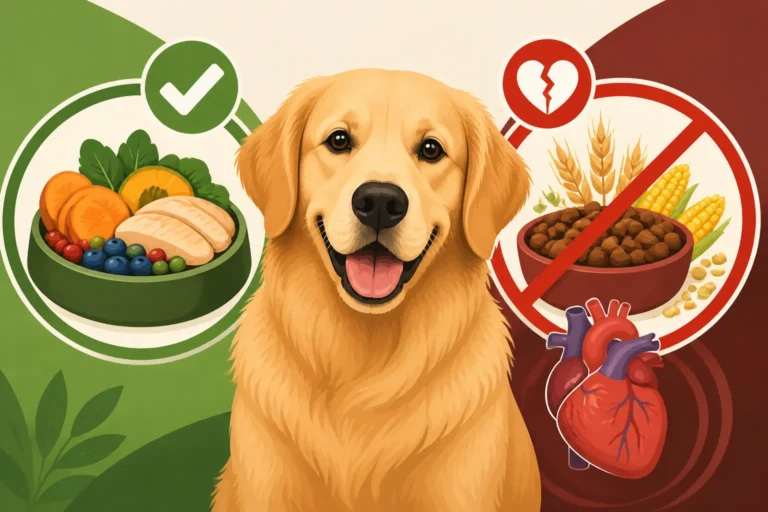
Just like human food, dog treat labels contain valuable information if you know where to look. The first thing you should always seek out is the calorie count. Unfortunately, not all manufacturers make this prominent, or they list it in obscure measurements. Look for "kcal per treat" or "kcal per 100g." Without this number, you're essentially guessing. Beyond calories, the ingredient list is paramount. Avoid treats with a long list of unpronounceable chemicals, artificial colors, and excessive fillers like corn, wheat, and soy. Prioritize treats where the first few ingredients are whole, identifiable protein sources like chicken, beef, or salmon, followed by healthy vegetables or fruits. Many commercial treats, even those labeled for dogs, are surprisingly high in sugar and unhealthy fats, which offer little nutritional value and pack on the pounds. A treat might look small, but if it's made primarily of rendered animal fat and corn syrup, its caloric density will be through the roof. Educating yourself on Reading a Dog Food Label for a Golden Retriever can help you apply the same critical eye to treats.
High-Value Treats Versus Everyday Rewards
Not all treats are created equal, and understanding the difference between "high-value" and "everyday" rewards can dramatically improve your training efforts and calorie management. High-value treats are those irresistible items your Golden would do almost anything for – think small pieces of cooked chicken, cheese, or specialized training treats with an intense aroma. These are best reserved for challenging training situations, recall practice in distracting environments, or vet visits where you need maximum cooperation. Because they are so potent, you only need tiny amounts.
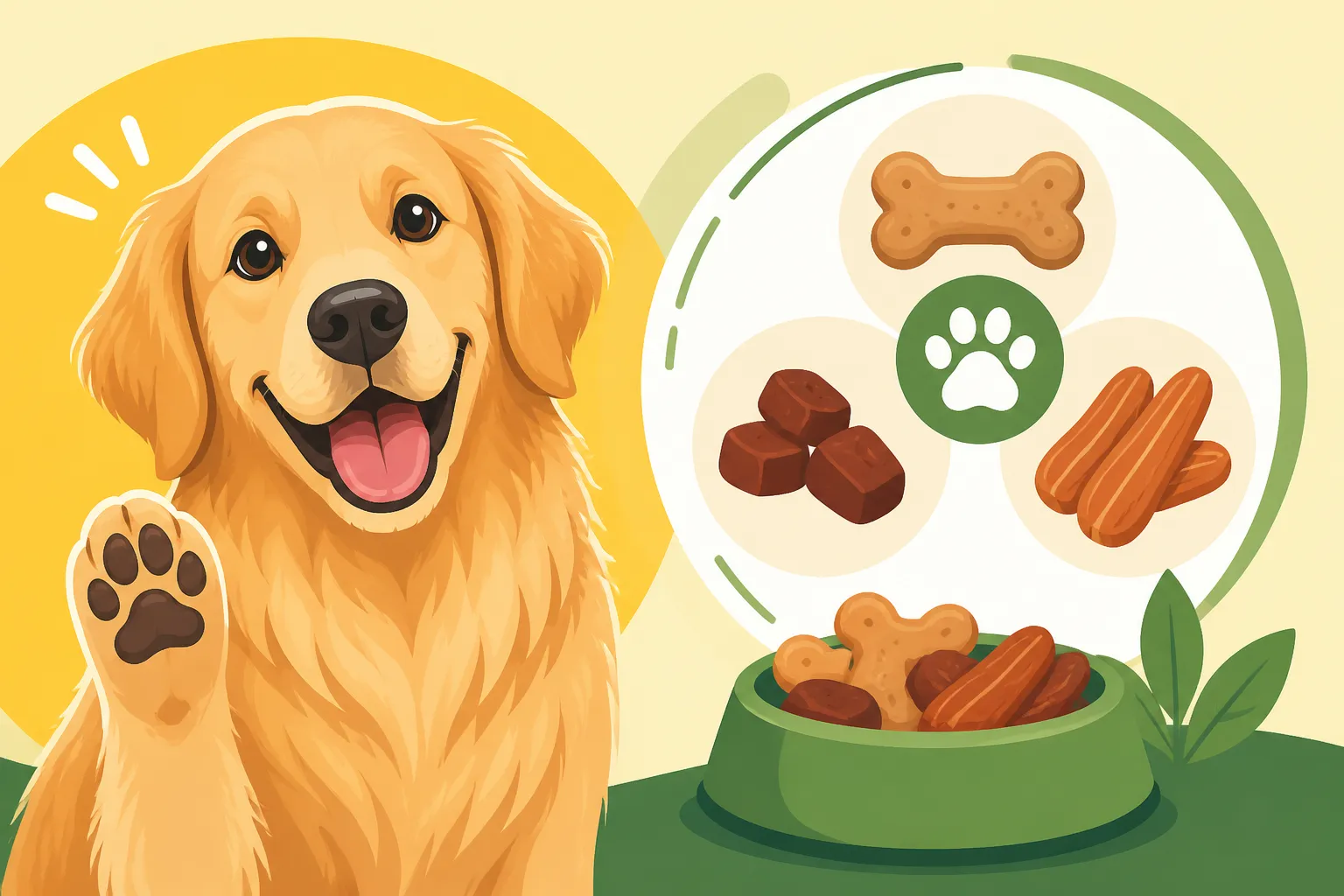
Everyday rewards, on the other hand, should be much lower in calories and can be used more frequently throughout the day for basic obedience, potty training, or just showing affection. These might include small kibble pieces from their regular meal portion, tiny crunchy biscuits, or even bits of plain air-popped popcorn. The key is to keep them small and calorie-conscious. By differentiating between these two categories, you ensure that your Golden remains highly motivated for important tasks without accumulating excessive calories from constant snacking. For instance, a quick stop at Chewy's website will show you countless options, but knowing which are high-value versus everyday can save you a lot of confusion and calorie overloads.
Smart Strategies for Choosing Low-Calorie Treats
It might seem daunting to find treats that are both appealing to your Golden and align with a calorie-conscious diet, but it's absolutely achievable. The trick is to broaden your definition of what a "treat" can be and to prioritize ingredients that offer nutritional benefits without unnecessary empty calories. This approach benefits not only your Golden's waistline but their overall health too.
Single-Ingredient and Whole Food Options
One of the simplest and most effective ways to provide healthy, low-calorie treats is to turn to single-ingredient or whole food options. These eliminate guesswork about hidden sugars, fats, and fillers. Think about fresh vegetables and fruits! Many Golden Retrievers adore crunchy carrots, crisp green beans, apple slices (without seeds), or even small cubes of sweet potato. These are packed with vitamins, fiber, and moisture, and their calorie count is significantly lower than most commercial biscuits. Dehydrated meats, often found at pet stores or online at places like Amazon, are another excellent choice. Look for single-ingredient jerky made from chicken, beef, or fish with no added salt, sugar, or preservatives. These are usually high in protein and can be broken into tiny pieces, stretching their value and reducing caloric impact. Just be sure to check that the ingredients list contains only the protein and nothing else. These natural options are often more satisfying for your Golden and provide beneficial nutrients rather than just empty calories.
Commercial Low-Calorie Treat Brands
The pet food industry has recognized the growing concern about canine obesity, and many brands now offer specific "light" or "low-calorie" treat options. When considering these, always double-check the label for the calorie count per treat and the ingredient list, even if it claims to be low-calorie. Some popular brands focus on using high-fiber ingredients to create a sense of fullness with fewer calories. Others rely on leaner protein sources. Brands like Zuke's Mini Naturals, Wellness Soft Puppy Bites (often suitable for adults in moderation), or even smaller versions of popular biscuits can be good choices. It’s important to remember that "low-calorie" is relative, so portion control is still key. Even a small number of these treats can add up if given excessively. Many of these brands also offer smaller-sized treats, which are perfect for quick rewards during training sessions, allowing you to give multiple rewards without going overboard. You might also find subscription services like Ollie, which often focus on fresh, whole ingredients, can provide calorie-controlled options if you're looking for a more holistic approach to your Golden's diet.
Here's a quick comparison of some common treat types and their typical calorie ranges:
| Treat Type | Calorie Range (per piece/serving) | Key Benefits/Considerations |
|---|---|---|
| Raw Carrot Stick | ~10-25 kcal | High fiber, dental benefits, good for chewing |
| Green Beans (steamed) | ~5-10 kcal | Very low calorie, good for adding volume to meals |
| Apple Slices (no seeds) | ~15-30 kcal | Sweet, fibrous, good source of vitamins |
| Commercial Low-Calorie Bite | ~3-10 kcal | Convenient, specific for training, variety of flavors |
| Dehydrated Chicken Jerky | ~20-50 kcal | High protein, single ingredient, often easily breakable |
| Plain Air-Popped Popcorn | ~1-2 kcal (per kernel) | Very low calorie, good for high-volume rewards |
| Small Kibble Piece | ~1-5 kcal | Can use from daily food allotment, familiar flavor |
Note: Calorie counts are approximate and vary by specific product, size, and preparation. Always check the label of commercial treats.
DIY and Homemade Treat Ideas
For those who enjoy a bit of kitchen creativity, making your own Golden Retriever treats is a fantastic way to control ingredients and calories precisely. You can bake healthy biscuits using whole wheat flour, pumpkin puree, eggs, and a touch of peanut butter (ensure it's xylitol-free!). By making them yourself, you can cut them into very small, bite-sized pieces, perfect for training. Another simple idea is freezing pureed pumpkin or plain yogurt in ice cube trays for a refreshing, low-calorie summer treat. You can even create frozen "pup-sicles" with diluted chicken broth and a few bits of chopped vegetables.
For a more savory option, consider baking thin slices of sweet potato until crispy, or dehydrating small pieces of lean meat yourself. The possibilities are vast, and your Golden will appreciate the homemade touch. Not only does this allow you to avoid unwanted additives, but it can also be a more cost-effective solution in the long run. Plus, the process itself can be a fun activity! Just remember to research which human foods are safe for dogs before experimenting.
Incorporating Treats Responsibly into Your Golden's Diet
Choosing the right treats is only half the battle; the other half is integrating them smartly into your Golden Retriever's daily routine without disrupting their overall nutritional balance. This requires a bit of planning and a consistent approach, but it’s well worth the effort for their long-term health.
The 10% Rule: A Golden Guideline
A widely accepted guideline in canine nutrition is the "10% rule." This suggests that treats should make up no more than 10% of your Golden Retriever's total daily caloric intake. This rule helps ensure that the vast majority of their nutrition comes from a balanced, complete dog food, preventing them from filling up on less nutritionally dense treats. To implement this, you'll need to know your Golden's ideal daily calorie requirement, which your vet can help you determine based on their age, weight, activity level, and health status.
Once you have that number, calculate 10% of it. For example, if your Golden needs 1500 calories per day, only 150 calories should come from treats. This might sound like a lot, but you'd be surprised how quickly those "just one more" moments add up. By sticking to this rule, you can still enjoy giving your Golden those happy moments without compromising their diet. It requires a conscious effort, perhaps even measuring out their daily treat allowance in the morning, but it's a small price to pay for a healthy companion. This is especially important for Golden Retriever Weight and Joint Damage, where every calorie counts.
Adjusting Meal Portions for Treats
To truly adhere to the 10% rule and prevent weight gain, it's essential to account for treat calories by reducing the amount of their regular dog food. This is often the step many owners miss. If you give your Golden 100 calories worth of treats throughout the day, you should subtract 100 calories from their main meals. This ensures their total daily caloric intake remains consistent. Many commercial dog foods provide calorie counts per cup or gram, making this adjustment easier.
For instance, if your Golden normally eats two cups of kibble a day, and you've given them a few calorie-dense training treats, you might reduce their dinner by a quarter of a cup. It's a simple mathematical adjustment that can make a huge difference in managing their weight. Think of treats not as extra food, but as a portion of their daily food allotment, just in a different, more exciting form. This method ensures that their primary nutrition comes from their balanced dog food, while still allowing for the joy of treats. For practical guidance on daily feeding, refer to Feeding an Adult Golden Retriever Twice a Day.
Non-Food Rewards for Training and Affection
While food treats are powerful motivators, they aren't the only way to reward your Golden Retriever. In fact, relying solely on food can sometimes lead to begging behavior or an over-reliance on external motivators. Incorporating non-food rewards can be incredibly beneficial for calorie control and strengthening your bond. Goldens are highly intelligent and eager to please, often responding just as well to praise, petting, or a quick game.
For example, a vigorous "Good boy!" followed by a scratch behind the ears can be a fantastic reward for a successful "sit" command. A favorite squeaky toy or a quick game of fetch can be a perfect reinforcement for recall. These types of rewards offer mental stimulation and physical activity without adding a single calorie. This is particularly useful when you're working on longer training sessions or if your Golden is on a weight management plan. Learning how to properly provide Mental Enrichment for a Bored Golden Retriever can open up a whole new world of non-food rewards. Varying your rewards keeps your Golden engaged and prevents them from becoming solely fixated on food, promoting a more balanced and joyful relationship.
Special Considerations for Golden Retrievers
Golden Retrievers, with their specific breed characteristics and common health predispositions, require a tailored approach to treats and overall caloric intake. What works for a tiny terrier might not be appropriate for a robust Golden, especially when considering their growth phases, senior years, and inherent health risks.
Managing Weight for Joint Health
As mentioned earlier, Goldens are notoriously susceptible to joint issues like hip and elbow dysplasia. Maintaining an ideal body weight is perhaps one of the most critical factors in managing and preventing the severity of these conditions. Every extra pound your Golden carries puts undue stress on their developing or aging joints, accelerating wear and tear and increasing pain. This means that treats, while a source of joy, must be meticulously managed to prevent weight gain.
If your Golden is diagnosed with, or at risk for, joint problems, working closely with your vet to establish a precise calorie target is crucial. This will involve carefully monitoring both their meal portions and their treat intake. Choosing Low Calorie Treats for an Overweight Golden becomes paramount, and opting for supplements like glucosamine and chondroitin, often given as chewable treats, will need to be factored into their daily calorie budget. Remember, a lean Golden is a more comfortable, active, and ultimately happier Golden, enjoying their walks and playtime without the added burden on their frame. Consistent monitoring of your Golden Retriever Body Condition Scoring is a visual reminder of their progress.
Treats for Puppies Versus Seniors
A Golden Retriever's life stage significantly impacts their caloric needs and the type of treats best suited for them. Golden Retriever puppies are bundles of energy, but their joints are still developing. While they need sufficient calories for rapid growth, overfeeding them (even with treats) can lead to too-rapid growth, which can actually increase the risk of developmental orthopedic issues. So, while puppies might be highly motivated by treats for training, these treats need to be small, soft, and factored into their overall daily intake. Puppy-specific treats are often formulated with appropriate nutrients, but human food treats should be introduced with extreme caution and only if they are confirmed safe and given in tiny quantities. For more information, check out Signs You Are Overfeeding a Golden Retriever Puppy.
Senior Golden Retrievers, on the other hand, typically have lower energy requirements as their metabolism slows down and their activity decreases. They are more prone to weight gain, and extra pounds can exacerbate age-related conditions like arthritis. For seniors, treats should be even lower in calories and often softer, to accommodate any dental issues. Nutrient-dense treats that support joint health or cognitive function might be beneficial, but again, moderation is key. When Feeding a Senior Golden Retriever, treats should be considered as part of their reduced daily caloric allowance to prevent unnecessary weight gain and support their overall well-being in their golden years.
Dealing with a Golden's Insatiable Appetite
It's no secret that many Golden Retrievers have a seemingly endless capacity for food. Their cheerful, always-hungry demeanor is part of their charm, but it can make calorie management challenging. If you have a Golden who acts perpetually starved, even after a meal, it's easy to fall into the trap of overfeeding treats. To combat this, focus on providing treats that offer bulk and satisfaction without excessive calories.
High-fiber vegetables like green beans, celery, or carrots can be excellent choices because they fill the stomach and provide a satisfying crunch with minimal calories. Incorporating puzzle toys or slow feeder bowls for their regular meals can also extend eating time, making them feel more satisfied. You can even use some of their daily kibble allowance as "treats" for training throughout the day. This leverages their love for food in a controlled manner. If you're consistently battling a Golden's demanding appetite, discussing it with your veterinarian can be helpful. They might recommend specific dietary adjustments or strategies to help your Golden feel more satiated. Remember, their happiness isn't solely tied to a full treat pouch, but rather to a balanced diet and a healthy, active life with you. If your Golden is struggling with weight, reading Putting an Overweight Golden Retriever on a Diet can provide valuable strategies.
Disclaimer
This article is for general informational purposes only and does not constitute professional advice. Laws, prices and regulations vary by location and change over time. Consult a qualified professional for guidance on your specific situation.