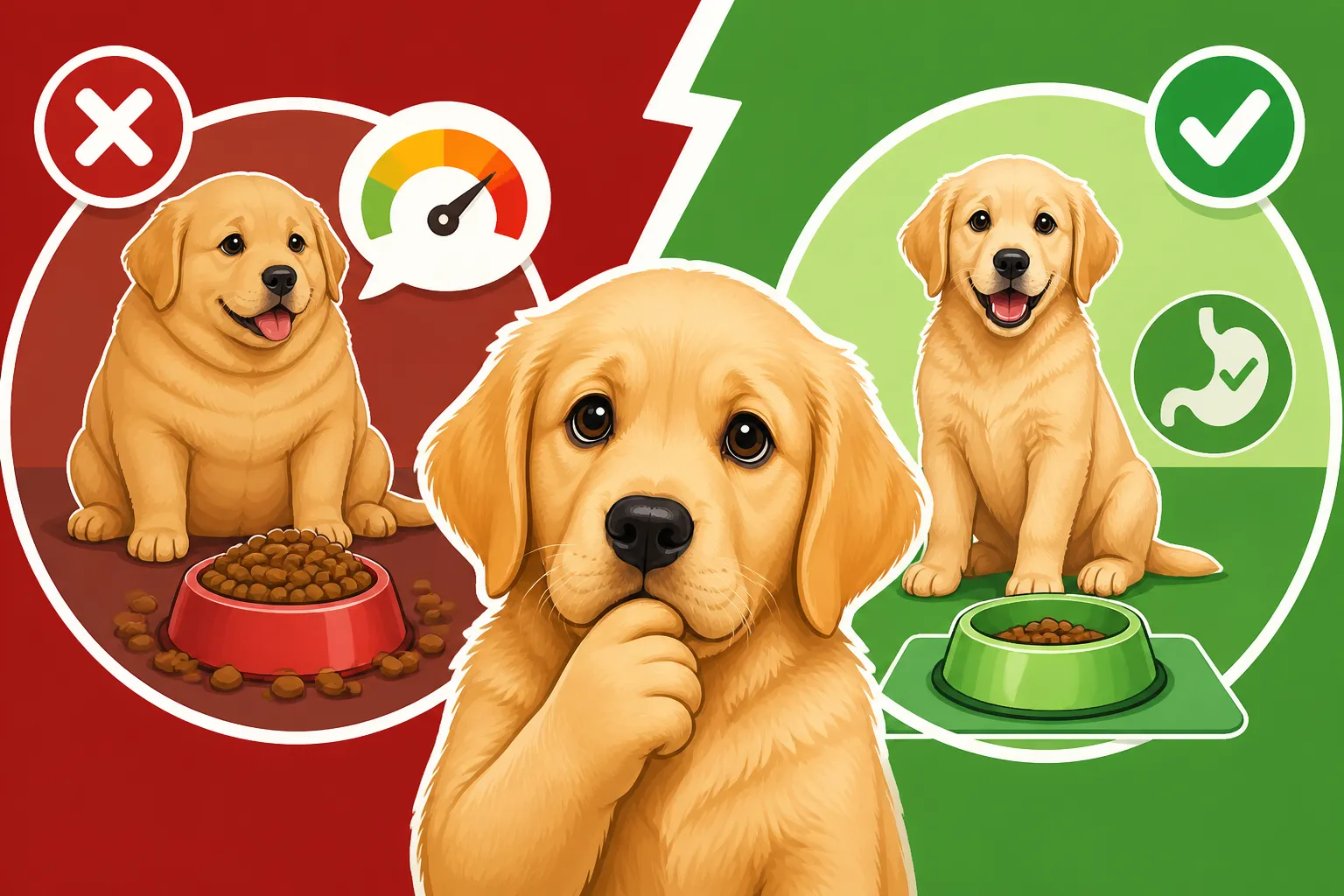
Why Golden Retriever Puppies Should Not Free Feed
It's so tempting, isn't it? You get a bouncy, adorable Golden Retriever puppy, and all you want to do is make their life as easy and happy as possible. For many new puppy parents, especially if you're juggling work or a busy family life, the idea of "free-feeding" – just leaving a bowl of kibble out all day for your puppy to graze on whenever they please – sounds like a perfect solution. It seems convenient, hassle-free, and ensures your little furball never goes hungry. But when it comes to a Golden Retriever puppy, this seemingly simple approach can actually create a surprising number of challenges and even pose serious risks to their health and development. This guide will explain exactly why free-feeding isn't the best choice for your growing Golden and how a structured mealtime routine offers far more benefits.
Why Free-Feeding Isn't Just Inconvenient, It's Risky for Golden Puppies
The allure of free-feeding is strong – an always-full bowl, no strict meal times, and theoretically, a less stressed puppy. However, for a Golden Retriever puppy, a breed prone to certain growth-related issues and with a notoriously enthusiastic appetite, this method often backfires in ways that can affect their immediate well-being and long-term health.
The Hidden Dangers of Overconsumption and Rapid Growth
Golden Retrievers, bless their hearts, are usually not self-regulators when it comes to food. Give them an endless supply, and many will treat it like a challenge, eating far more than their growing bodies truly need. This isn't just about gaining a few extra puppy pounds; it's about something much more serious: the potential for accelerated or uneven growth.
Puppies, especially large breeds like Goldens, have delicate growth plates in their bones that are still fusing. Excessive calories and too-rapid weight gain can put immense stress on these developing joints, increasing the risk of orthopedic problems like hip and elbow dysplasia later in life. Imagine a construction project where the foundation is rushed and overloaded before the concrete is fully set – it's a recipe for instability. Similarly, a Golden Retriever puppy growing too quickly because of constant access to food can develop skeletal issues that are painful and expensive to manage. We've talked extensively about Why Fast Growth Damages a Golden Retriever's Joints and it's a critical point to understand for this breed. Furthermore, the balance of nutrients, particularly calcium and phosphorus, needs to be carefully monitored in large breed puppy foods, and free-feeding can disrupt this delicate balance if the puppy overeats or if the wrong food is chosen, leading to skeletal deformities. This is why understanding Calcium and Phosphorus in a Golden Puppy's Food is so vital.
Disrupting Potty Training and Routine Establishment
One of the cornerstones of successful puppy parenthood is establishing a consistent routine, and feeding times are intrinsically linked to potty breaks. When your Golden Retriever puppy free-feeds, their eating schedule becomes erratic, which in turn makes their elimination schedule unpredictable.
Think about it: if they nibble throughout the morning, then gorge in the afternoon, their need to go outside will be all over the map. This makes it incredibly difficult to anticipate when they need to relieve themselves, leading to more accidents in the house and prolonging the potty training process. A structured feeding schedule means predictable "ins," which lead to predictable "outs." This predictability is your best friend when you're trying to teach your puppy to do their business outside. You'll also find that establishing a solid Potty Training Schedule for a Golden Puppy is almost impossible without a consistent feeding schedule. For a Golden puppy, routine provides comfort and security, and free-feeding undermines that entirely, making it harder for them to settle into your home's rhythm.
Masking Illness and Undermining Behavioral Training
Another significant drawback of free-feeding is that it can make it harder to spot early signs of illness. A sudden loss of appetite is often one of the first indicators that a dog isn't feeling well, whether it's an upset stomach, an infection, or something more serious.
If your puppy always has food available, you might not notice for hours, or even a full day, that they haven't eaten much. By the time you do realize it, their condition might have worsened. With scheduled meals, you immediately see if they're not eating with their usual enthusiasm, allowing you to contact your vet promptly. This quick detection can make a real difference in treatment outcomes. Beyond health, free-feeding also removes a powerful training motivator: hunger. Food is a fantastic reward for good behavior, helping you teach everything from basic commands like "sit" and "stay" to more complex tasks. A puppy who is always full has less incentive to work for treats or kibble, making training sessions less effective and potentially frustrating for both of you.
The Undeniable Benefits of a Structured Mealtime Routine
Switching from free-feeding to scheduled meals might seem like more work upfront, but the long-term benefits for your Golden Retriever puppy's health, training, and your overall household harmony are truly invaluable.
Optimal Growth and Weight Management for Lifelong Health
Scheduled feeding allows you, the owner, to be in complete control of your puppy's caloric intake. This is absolutely crucial for a growing Golden Retriever. By measuring out specific portions, you can ensure they receive the right amount of nutrients for steady, healthy growth without putting undue strain on their developing joints.
Your veterinarian can help you determine the ideal weight and growth curve for your individual puppy, which you can then maintain with precise feeding. This controlled approach helps prevent the rapid weight gain that contributes to orthopedic issues and sets the stage for a healthy adult weight, reducing the risk of obesity, a common problem in Goldens that can lead to a host of other health issues, including Golden Retriever Weight and Joint Damage and even shorten their lifespan. Remember, a fit puppy often grows into a fit adult, and those healthy habits start at the food bowl. Regularly checking your puppy's body condition by feeling their ribs will become second nature when you're managing their weight proactively.
Enhancing Potty Training and Behavioral Development
Consistency is key in puppy raising, and scheduled meals provide the perfect framework. With fixed meal times, you'll quickly learn your puppy's elimination schedule. Approximately 15-30 minutes after eating, most puppies need to go outside. This predictability empowers you to take them out proactively, preventing accidents and reinforcing appropriate potty habits.
A consistent routine also helps with crate training. A puppy fed on a schedule is more likely to settle down in their crate after meals, knowing they'll have another opportunity to eat later. This structure helps reduce anxiety and fosters a sense of security. Beyond potty training, scheduled meals make your Golden Retriever puppy far more food-motivated for training. When food isn't constantly available, those delicious kibbles or training treats become high-value rewards. This makes teaching commands like "sit," "stay," "come," and even more advanced behaviors much easier and more enjoyable. You'll find yourself able to work through Teaching a Golden Retriever to Come When Called or Loose Leash Walking With a Golden Retriever with greater success when your puppy is eager to earn their next reward.
Fostering a Stronger Bond and Identifying Health Changes Early
Mealtime isn't just about sustenance; it's a powerful bonding opportunity. Hand-feeding a portion of your puppy's meal, making them sit before you put the bowl down, or simply being present during their meals reinforces your role as their provider and leader. This ritual strengthens the trust and connection between you and your Golden.
Furthermore, as mentioned before, scheduled feeding allows for immediate detection of appetite changes. If your puppy suddenly turns their nose up at a meal or eats significantly less than usual, it's a red flag that something might be off. Catching these subtle signs early means you can contact your vet sooner, potentially leading to quicker diagnosis and treatment. In a free-feeding scenario, this early warning system is lost. This vigilance is crucial, especially for Goldens who are prone to certain health conditions that might first manifest as a change in appetite. Observing their eagerness at meal times also gives you a snapshot of their general enthusiasm and health.
Implementing and Sticking to a Scheduled Feeding Plan
Now that you're convinced that scheduled feeding is the way to go, let's talk about how to actually put it into practice and maintain it consistently. It's simpler than you might think, and the benefits will quickly become apparent.
Determining the Right Portions and Frequency
The first step is figuring out how much and how often to feed your Golden Retriever puppy. Generally, young puppies (8-12 weeks) do best with three meals a day. As they grow older (around 4-6 months), many transition to two meals a day, which is typically maintained throughout their adult life.
The exact portion size will depend on several factors: your puppy's age, their current weight, their anticipated adult weight, their activity level, and the specific brand of large breed puppy food you're using. Always start by consulting the feeding guidelines on the back of your chosen dog food bag. These typically provide a daily total, which you then divide by the number of meals. For example, if the bag recommends 3 cups a day for a puppy your age and weight, you'd feed 1 cup three times a day. However, these are just guidelines. Your vet is your best resource for personalized advice. During your puppy's initial check-ups, discuss their ideal growth rate and adjust food portions accordingly. A lean puppy is a healthy puppy, so err on the side of slightly less rather than more, as long as they are still growing steadily. We have a detailed guide on How Much a Golden Retriever Puppy Eats at Eight Weeks that can help you gauge initial amounts.
| Age of Golden Retriever Puppy | Recommended Daily Meal Frequency | Key Considerations for Portions |
|---|---|---|
| 8-12 Weeks | 3-4 meals per day | Rapid growth, small stomach, energy needs, potty training |
| 3-6 Months | 3 meals per day | Continued growth, increased activity, solidifying routine |
| 6-12 Months | 2-3 meals per day | Approaching adult size, managing growth rate, calorie needs |
| 12+ Months (Adult) | 2 meals per day | Maintaining healthy weight, activity level, joint health |
Essential Tools and Strategies for Success
To make scheduled feeding a breeze, a few simple tools and strategies can make all the difference. First, invest in a reliable measuring cup specifically for dog food. Don't eyeball it – consistency in portion size is paramount.
Second, consider a slow-feeder bowl. Golden Retrievers are notorious for wolfing down their food, which can lead to indigestion and even a dangerous condition called bloat. A slow feeder, easily found on Amazon or Chewy, forces them to eat more slowly, making mealtime a calmer, safer experience. Third, establish specific meal times and stick to them as religiously as possible. For instance, 7 AM, 12 PM, and 5 PM. Life happens, so a little flexibility is okay, but aim for consistency. During these meal times, ensure a quiet, calm environment where your puppy can eat without interruption. After meals, it's immediately outside for a potty break, reinforcing the connection. Fourth, if your Golden puppy tends to get frantic around food, teach them to sit and wait patiently for their bowl to be placed down. This small act reinforces impulse control and good manners, which are incredibly important for this breed's generally enthusiastic nature.
Transitioning from Free-Feeding (If Applicable)
If you've already started free-feeding and realize it's not working, don't despair! You can absolutely transition your Golden Retriever puppy to a scheduled feeding plan. The key is to do it gradually and with patience.
Start by picking up the food bowl after about 15-20 minutes, whether your puppy has finished eating or not. Do this for a few days for each mealtime you're introducing. Your puppy might resist at first, and that's okay. They'll quickly learn that food is available at specific times, and if they don't eat it, it disappears until the next scheduled meal. They won't intentionally starve themselves. During this transition, ensure fresh water is always available. You might also notice a bit of increased begging or whining, but consistency is your ally here. Don't give in to demands for food outside of meal times; instead, offer affection or a chew toy. Over a week or two, your Golden will adjust to the new routine, and you'll begin to see the benefits of their predictable schedule. If you have any concerns about your puppy’s eating habits or health during this transition, don't hesitate to reach out to your veterinarian.
Addressing Common Concerns and Myths About Scheduled Feeding
It's natural to have questions and even some misconceptions when changing a routine, especially when it comes to something as fundamental as feeding your beloved Golden Retriever puppy. Let's tackle some of the common worries.
"My Puppy Is Always Hungry!" Understanding Golden Appetites
Many Golden Retriever owners will tell you that their dog acts like they're starving, no matter how recently they've eaten. This isn't just puppy behavior; Goldens often maintain a robust appetite throughout their lives. It's part of their charming, food-loving personality! But here's the crucial distinction: acting hungry doesn't mean they are truly starving or not getting enough nutrition.
What often looks like hunger is actually a combination of strong food drive, learned behavior (if they've been given food for begging in the past), and sometimes just boredom. If your Golden Retriever puppy is on a vet-approved large breed puppy food, being fed the correct, measured portions for their age and activity level, and maintaining a healthy body condition, then their "hunger" is usually more about desire than need. Instead of giving in, redirect that energy. Offer a puzzle toy, go for a short training session using a few pieces of their mealtime kibble, or initiate playtime. This teaches them that food isn't the only source of satisfaction and reinforces that you're in charge of resources.
Balancing Convenience and Your Puppy's Needs
Let's be real: scheduled feeding does require more conscious effort than simply topping off a bowl. In our busy lives, adding another timed task can feel daunting. However, the initial investment in establishing this routine pays dividends in a well-adjusted, healthy Golden Retriever puppy.
Consider the time you save by avoiding constant potty accidents to clean up, fewer vet visits for upset stomachs from overeating, and more effective training sessions. Many owners find ways to integrate feeding into their daily flow. For example, preparing daily portions in advance in airtight containers or using an automatic feeder for one meal (though always present for others for observation). You can purchase a large bag of quality large breed puppy food, such as those available on Chewy, and portion it out. While free-feeding seems convenient in the short term, it often leads to more long-term issues that require far more time and energy to correct. The health benefits, training advantages, and peace of mind from knowing you're doing the best for your Golden far outweigh the minor inconvenience of scheduling meals.
When Flexibility is Okay (and When it's Not)
While consistency is key, life happens, and a little flexibility won't derail your entire feeding plan. If you're running a bit late one day, or if you need to adjust a mealtime by an hour for a special outing or vet appointment, your Golden Retriever puppy will be fine. The aim isn't robotic adherence but rather a predictable rhythm that they can rely on.
However, where flexibility should generally be avoided is during critical developmental periods, such as early puppyhood when potty training and foundational behavioral lessons are being established. At these times, routine provides immense security and clarity for your puppy. As your Golden gets older and their routine is firmly ingrained, they become more adaptable. You'll likely transition your Golden Retriever to adult food around 12-18 months of age, and while meal frequency generally stays at two times a day, their specific needs might change. Always consult your vet if you plan significant changes to their diet or schedule. Sticking to a consistent scheduled feeding plan ensures your Golden Retriever puppy grows into a happy, healthy, and well-behaved companion for years to come.
Disclaimer
This article is for general informational purposes only and does not constitute professional advice. Laws, prices and regulations vary by location and change over time. Consult a qualified professional for guidance on your specific situation.