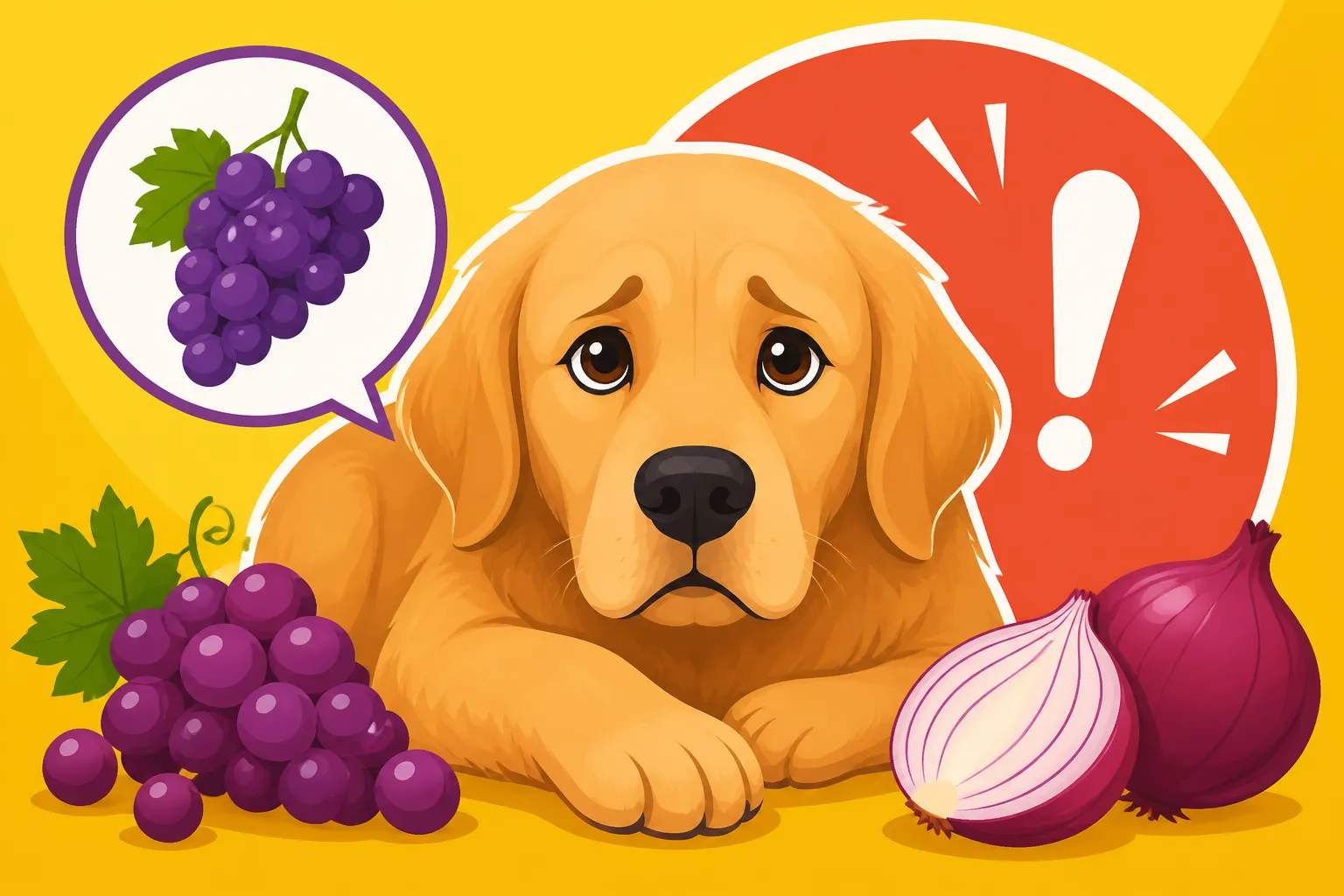
Grapes, Onions and Golden Retriever Emergencies
Oh, the sheer panic that grips your heart when you realize your beloved Golden Retriever might have eaten something truly dangerous from your kitchen! It's a gut-wrenching moment, a rush of fear and confusion. We've all been there, standing in the kitchen, staring at an empty bag or a suspiciously clean floor where food once was, wondering if that innocent snack for us could be deadly for them. This guide is here to walk you through the very real dangers of grapes, onions, and other common household foods that can turn into a serious emergency for your Golden, and most importantly, what you need to do immediately if the unthinkable happens.
The Hidden Dangers in Your Kitchen: Grapes and Onions
It’s astonishing how many foods we consider perfectly safe, even healthy, for humans can be outright toxic to dogs. Golden Retrievers, with their notoriously indiscriminate appetites and their loving, curious natures, are particularly prone to getting into things they shouldn't. They’re often right underfoot, waiting for a dropped morsel, or using those clever paws to open pantry doors. Understanding why certain foods are toxic is the first step in preventing an emergency.
Why Grapes and Raisins Are So Toxic
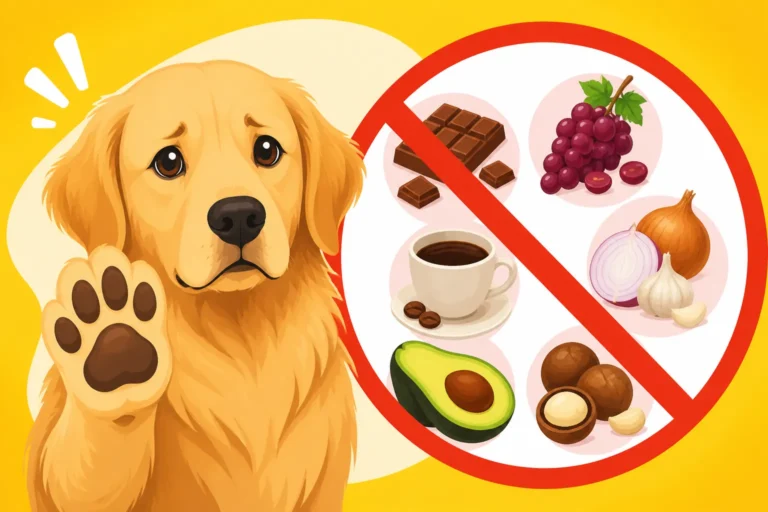
Grapes and raisins are one of those infuriating mysteries in veterinary medicine because while we know they are highly toxic to dogs, the exact mechanism of their toxicity isn't fully understood. What we do know is that ingestion can lead to acute kidney failure, and it can happen with even a small amount. We're not talking about a dog needing to eat a whole vineyard; some dogs have shown severe reactions from just a few grapes or raisins.
Imagine you're having a snack, maybe a handful of raisins with your oatmeal or a cluster of fresh grapes, and a single one tumbles to the floor. Your Golden, with their lightning-fast reflexes and vacuum-cleaner mouth, might snatch it up before you even register it fell. Or perhaps a child, meaning well, offers a "treat" to their furry best friend. It’s these seemingly innocent moments that can escalate into a dire situation. Symptoms can start within hours, manifesting as vomiting, diarrhea, lethargy, decreased appetite, and abdominal pain. As the kidney damage progresses, you might see increased thirst and urination, followed by a decrease in urine production if the kidneys start to shut down. This isn't something that passes on its own; it requires immediate and aggressive veterinary intervention.
The Onion Family: Garlic, Leeks, and Chives Too
The onion family, which includes onions, garlic, leeks, and chives, contains compounds called N-propyl disulfide. These compounds are problematic for dogs because they can cause oxidative damage to red blood cells, leading to a condition called hemolytic anemia. Essentially, these substances trick your Golden’s body into thinking its own red blood cells are foreign invaders, leading to their destruction. This reduces the oxygen-carrying capacity of the blood, making your dog weak and potentially leading to organ damage.
Unlike grapes, where even a tiny amount can be dangerous, onion toxicity often depends on the amount ingested relative to the dog's body weight, and sometimes it's cumulative. However, Goldens are large dogs, and they can certainly consume enough to cause significant problems. Think about how many dishes contain onions or garlic: pasta sauces, stir-fries, stews, roasted vegetables, even some baby food. If your Golden manages to raid the kitchen trash or gets into leftovers, they could be consuming a toxic dose without you realizing it until later. The tricky part with onion toxicity is that symptoms might not appear immediately. It can take a few days for the damage to become evident, which means by the time you notice your Golden is lethargic, weak, has pale gums, or is experiencing increased heart rate, the anemia could be well-advanced. This latency is why swift action and awareness are so crucial.
What to Do in a Golden Retriever Emergency
That moment of realization, when you know or strongly suspect your Golden has eaten something toxic, is terrifying. Your mind races, you might feel a wave of guilt or helplessness. But this isn't the time for blame; it's the time for action. Remaining calm and acting decisively can make all the difference for your dog.
Immediate Steps After Ingestion
The absolute first thing you need to do is contact your veterinarian, or if it's after hours, your nearest emergency veterinary clinic. Don't waste time trying to "wait and see" or searching online for home remedies. Time is of the essence, especially with toxins like grapes. Be prepared to provide as much information as possible:
- What was ingested? Be specific (e.g., "a handful of red grapes," "two slices of raw onion," "a whole tray of garlic bread").
- How much was ingested? Estimate to the best of your ability.
- When was it ingested? Give an approximate time.
- How is your Golden acting now? Are they showing any symptoms?
Crucially, do NOT induce vomiting at home unless specifically instructed to do so by a veterinary professional. While inducing vomiting can be life-saving in some situations, it can also be dangerous depending on the substance ingested (e.g., if it's corrosive or could cause aspiration pneumonia). Your vet will guide you on whether it's appropriate and how to do it safely if necessary. They might advise you to come in immediately so they can induce vomiting in a controlled environment and administer other treatments like activated charcoal, which helps prevent absorption of toxins. Having your vet's number, as well as the number for a 24-hour emergency clinic, prominently displayed or saved in your phone is a vital part of Building a First Aid Kit for a Golden Retriever.
Veterinary Care and Prognosis
Once you arrive at the veterinary clinic, the medical team will assess your Golden's condition. For recent ingestions (typically within 1-2 hours), the vet will likely induce vomiting. They might use medications such as apomorphine to safely and effectively empty your dog's stomach. After vomiting, activated charcoal might be administered to absorb any remaining toxins in the digestive tract.
For grape and raisin toxicity, especially if kidney damage is suspected or developing, your Golden will likely need intravenous fluids to help flush the kidneys and support their function. Blood tests will be performed to monitor kidney values (BUN, creatinine, phosphorus) and electrolyte levels. Your dog might need to stay at the clinic for several days for continuous monitoring and fluid therapy.
In cases of onion family toxicity, the vet will monitor your Golden for signs of hemolytic anemia. This includes regular blood counts (Packed Cell Volume/PCV) to see if red blood cell levels are dropping. If the anemia becomes severe, your Golden might require a blood transfusion to stabilize them. Oxygen therapy may also be necessary if they are struggling to breathe due to low red blood cell count. Supportive care, including IV fluids and medications to protect the stomach, will also be part of the treatment plan.
The prognosis depends heavily on how quickly the toxic food was identified and treated, as well as the amount consumed and your dog's individual sensitivity. Early intervention significantly improves the chances of a full recovery. However, these emergencies can lead to substantial Golden Retriever Emergency Vet Bills, making preparation for such incidents an important aspect of Golden ownership.
Preventing Future Toxic Food Scares
The best emergency is the one that never happens. Proactive measures are key to keeping your Golden Retriever safe from accidental toxin ingestion. Goldens are intelligent and food-motivated, so you need to be one step ahead of them at all times!
Golden-Proofing Your Home and Diet
Securing your home means thinking like a Golden Retriever. Where would they look for food?
- Secure Food Storage: Keep all human food, especially known toxins like grapes, raisins, onions, garlic, chocolate, and xylitol-containing products, in cabinets or containers that your Golden cannot access. Childproof latches can be your best friend. Don't leave groceries unattended on counters, even for a moment.
- Trash Management: Invest in a sturdy, Golden-proof trash can with a secure lid. Many a Golden has learned how to open pedal-operated bins or even pull bags out of open cans.
- Countertops and Tables: Be diligent about clearing plates and wiping down surfaces immediately after meals. A Golden will not hesitate to clear the table if given the chance.
- Educate the Household: Ensure every family member, especially children and guests, understands what foods are dangerous for your Golden. Teach children not to share their snacks with the dog, and always ask them to put away their food when they’re done. This is crucial as Golden Retriever Stealing Food From Children is a common behavior.
- Compost Piles: If you have a compost pile or bin, make sure it's inaccessible to your dog. Rotting food can also contain molds and bacteria that are highly toxic.
- Avoid Table Scraps: While it's tempting to share a bit of your meal, it's best to avoid giving table scraps altogether. This helps prevent your Golden from developing a habit of begging or expecting food from your plate, which increases the risk of them ingesting something harmful. Plus, many Foods That Are Dangerous for Golden Retrievers are hidden in our everyday meals. It's often safer and healthier to stick to their Human Foods Safe for a Golden Retriever list for occasional treats.
Smart Snacking for Your Golden
Instead of human foods, focus on providing your Golden with healthy, safe treats specifically designed for dogs. There's a vast world of options out there that your Golden will love and that won't put their health at risk.
- Vet-Approved Dog Treats: Look for treats made with wholesome, identifiable ingredients. Brands you might find on Chewy or Amazon often offer transparent ingredient lists. Always double-check the label for any hidden ingredients that could be harmful.
- Fresh Food Services: If you're concerned about hidden ingredients in traditional kibble or commercial treats, consider options like fresh food delivery services. For instance, services like Ollie provide gently cooked, human-grade meals that clearly list all ingredients, ensuring you know exactly what your Golden is eating.
- Puzzle Toys and Chews: Beyond treats, mental enrichment is vital for a Golden Retriever. Puzzle Feeders That Occupy a Golden Retriever can dispense small, safe treats and keep your dog engaged, turning mealtime into a stimulating activity rather than just a quick gulp. Long-lasting chews (ensure they are appropriate for your Golden's size and chewing style) can also satisfy their urge to chew safely.
- Safe Fruits and Vegetables: A few slices of apple (no seeds!), carrots, green beans, or blueberries make excellent, low-calorie, and safe treats for Goldens. These can be great for training or just as a healthy snack.
Being vigilant and making these small adjustments to your daily routine can significantly reduce the risk of a toxic food emergency. Your Golden Retriever relies on you to keep them safe, and by understanding these dangers, you're doing just that.
Here's a quick overview of some common household foods toxic to dogs:
| Toxic Food Item | Primary Toxin/Effect | Common Symptoms | Urgency |
|---|---|---|---|
| Grapes & Raisins | Unknown compound, causes acute kidney failure | Vomiting, diarrhea, lethargy, loss of appetite, abdominal pain, increased thirst | HIGH |
| Onions, Garlic, Leeks, Chives | N-propyl disulfide, causes hemolytic anemia | Vomiting, diarrhea, lethargy, pale gums, rapid breathing, weakness | Moderate-High |
| Chocolate | Theobromine, affects heart, CNS, GI | Vomiting, diarrhea, hyperactivity, tremors, seizures, heart arrhythmias | HIGH |
| Xylitol | Rapid insulin release, causes hypoglycemia & liver failure | Vomiting, lethargy, loss of coordination, seizures, liver damage | HIGH |
| Alcohol | Ethanol, causes central nervous system depression | Vomiting, diarrhea, incoordination, tremors, coma, death | HIGH |
| Avocado | Persin (in large amounts, primarily in leaves/skin/pit) | Vomiting, diarrhea (GI upset) in some sensitive dogs | Low-Moderate |
| Macadamia Nuts | Unknown toxin, affects locomotion and GI | Weakness, tremors, vomiting, fever, depression (usually resolves in 24-48 hours) | Moderate |
| Yeast Dough | Rising dough expands, produces ethanol | Bloating, severe abdominal pain, vomiting, disorientation, alcohol poisoning | HIGH |
| Coffee/Caffeine | Methylxanthines, similar to chocolate | Restlessness, hyperactivity, tremors, elevated heart rate, seizures | HIGH |
This table is not exhaustive but covers some of the most common and dangerous items you might have in your home. Always err on the side of caution and contact your vet if you suspect your Golden has ingested anything potentially harmful.
Disclaimer
This article is for general informational purposes only and does not constitute professional advice. Laws, prices and regulations vary by location and change over time. Consult a qualified professional for guidance on your specific situation.