Trimming a Golden Retriever’s Paw Hair
If you're a Golden Retriever owner, you've likely experienced the frustration of your beloved companion slipping on hardwood floors like a cartoon character, or dragging half the backyard's mud and burrs indoors. That fluffy hair between their paw pads, while adorable, can become a real magnet for trouble and discomfort. This guide is here to walk you through the essential steps and tips for safely and effectively trimming your Golden Retriever's paw hair, making their daily life (and yours) a lot cleaner and safer.
Why Your Golden Retriever Needs Paw Hair Trims
It might seem like a purely cosmetic thing, something just for show dogs, but trimming the hair on your Golden Retriever's paws, especially between their pads, is actually a crucial part of their overall health and well-being. It’s not just about aesthetics; it’s about their comfort, safety, and hygiene. Ignoring this often-overlooked grooming task can lead to a whole host of problems that are easily preventable.
Preventing Slips and Falls
Think about walking on a slick floor in fuzzy socks – that's essentially what your Golden Retriever is experiencing when the hair between their paw pads gets too long. These tufts of hair reduce the natural traction their paw pads are designed to provide. Their pads are like the grippy treads on a tire, but when obscured by hair, they can't do their job effectively. This becomes particularly problematic on smooth surfaces like hardwood, tile, or laminate flooring, which are common in many homes.
A Golden Retriever, especially an older one or a puppy still learning their balance, can easily lose their footing and slide. A seemingly harmless slip can lead to painful strains, sprains, or even more serious injuries like torn ligaments or joint damage. If your Golden is already predisposed to conditions like Golden Retriever Arthritis and Joint Decline or Golden Retriever Hip and Elbow Dysplasia Explained, preventing these slips becomes even more critical. Imagine the stress on already compromised joints as they try to regain balance on a slippery surface. Regular paw pad trims ensure maximum contact between their natural paw pads and the ground, giving them the grip they need to move confidently and safely around your home. For more on keeping their paws secure, you might be interested in Slippery Floors and a Golden Retriever's Paws.
Combating Mats and Debris
Golden Retrievers are renowned for their beautiful, flowing double coats, and their paw hair is no exception. While soft and lovely, this hair acts like a broom, sweeping up everything they walk through. Mud, dirt, burrs, foxtails, tiny pebbles, even sticky sap or spilled food – it all gets trapped in the long hair between their pads. Over time, this trapped debris, combined with moisture, can lead to painful matting. Mats between the paw pads are incredibly uncomfortable, pulling on the skin with every step. They can also create perfect breeding grounds for bacteria or fungi, leading to infections.
Beyond the discomfort, these mats can make walking excruciating, causing your Golden to alter their gait, which then puts undue stress on other joints and muscles. You might notice them licking their paws excessively, limping, or being reluctant to walk. Regular trimming helps keep their paws clean and reduces the surface area for debris to cling to, making your life easier too – fewer muddy paw prints on your floors! It’s a simple preventative measure that saves your Golden a lot of pain and keeps your home cleaner.
Improving Paw Health and Comfort
Untrimmed paw hair isn't just a nuisance; it's a genuine health concern. Beyond mats and slips, excessive hair can trap moisture, especially after walks in dewy grass, rainy weather, or after a swim. This creates a warm, damp environment, which is the perfect breeding ground for yeast and bacterial infections, leading to skin irritations, redness, itching, and foul odors. These are all signs of potential Golden Retriever Skin, Ear and Allergy Problems that could be exacerbated by neglected paw hygiene.
Furthermore, long hair can make it difficult for your Golden's paws to "breathe" and can hinder the natural spreading of their toes, which is essential for balance and impact absorption. It can also interfere with proper nail growth and observation; sometimes, a nail might grow so long it curls into the pad, hidden by the hair, causing severe pain. By keeping the paw hair trimmed, you allow for better air circulation, reduce moisture buildup, and enable you to easily inspect their paw pads and nails for any cuts, punctures, or abnormalities. It simply makes for a healthier, happier, and more comfortable Golden Retriever.
Gathering Your Golden Retriever's Paw Grooming Toolkit
Before you dive into trimming your Golden's paw hair, preparation is key. Having the right tools on hand and creating a calm environment will make the experience much smoother for both of you. Don't just grab any old scissors; your Golden's delicate paw pads require specific, safe tools.
Essential Trimming Tools
Choosing the right tools is paramount for safety and efficiency. You have a couple of options, and each has its pros and cons.
- Small, Blunt-Nosed Scissors: These are often the safest choice for beginners, especially around delicate paw pads. Look for grooming scissors specifically designed for pets, with rounded tips to minimize the risk of accidental nicks. They give you precise control, which is great for working slowly and carefully. You can find excellent blunt-nosed scissors on Chewy or by checking reviews on Amazon.
- Small Electric Trimmers/Clippers: These can be very effective and sometimes less intimidating for dogs than scissors, as there's no "scissoring" motion. Opt for quiet, cordless models that are specifically designed for trimming around paws or faces. The smaller size allows for better maneuverability between pads. While they might be a bit more of an upfront investment, they can make the process quicker and less stressful once your Golden is accustomed to them.
- Styptic Powder: This is an absolute must-have for any dog grooming kit. Even the most careful groomer can accidentally nick a quick (the blood vessel in the nail) or a paw pad. Styptic powder will quickly stop minor bleeding. Keep it within arm's reach. You can easily add it to your next order from Chewy or Amazon.
- High-Value Treats: Positive reinforcement is your best friend. Have plenty of your Golden's favorite treats ready to reward cooperation.
- Non-Slip Mat: A rubber bath mat or a yoga mat provides traction on smooth floors, preventing slips and making your Golden feel more secure during the trim.
- Comb or Slicker Brush: Useful for brushing out any tangles before you start, which makes trimming easier and safer.
Here's a quick comparison of the main trimming tools:
| Tool Type | Pros | Cons | Best For |
|---|---|---|---|
| Blunt-Nosed Scissors | Precise control, quiet, good for delicate areas, inexpensive | Can be slow, higher risk of nicks if not careful | Beginners, anxious dogs, very dense paw hair |
| Small Electric Clippers | Quick, even trim, often less intimidating, lower nick risk (if used correctly) | Initial cost, some noise/vibration (can scare some dogs) | Experienced groomers, calm dogs, routine maintenance |
Setting Up a Safe and Calm Environment
Before you even touch a paw, set the stage for success. Choose a quiet time when your Golden Retriever is relaxed, perhaps after a good walk or playtime when they're a little tired. A calm environment means fewer distractions and less anxiety.
- Location, Location, Location: Find a well-lit area where you can comfortably sit or kneel. If you have a grooming table with a non-slip surface, great! Otherwise, use a non-slip mat on the floor or a sturdy, elevated surface (like a table you can lift your dog onto, always ensuring it's safe and secure). The goal is to minimize movement and make it easy for you to access their paws without awkward bending or straining.
- Minimize Distractions: Turn off the TV, put away noisy toys, and ensure children or other pets won't interrupt. This is focused time for you and your Golden.
- Positive Association: Bring out the tools, but don't use them yet. Let your Golden sniff the scissors or clippers. Offer a treat. The idea is to build a positive association with these objects before they ever touch their fur. This step is crucial for desensitization, especially if your Golden is new to grooming.
Desensitizing Your Golden to the Process
Many Golden Retrievers aren't born loving paw handling. For some, it can be a source of anxiety. If your Golden is squirmy or pulls away, don't force it. Take your time with desensitization.
Start by simply touching and holding their paws for brief periods, several times a day, always pairing it with praise and a high-value treat. Gradually increase the duration. Once they're comfortable with that, introduce the tools. Let them see and sniff the scissors or clippers. Turn the clippers on (away from them) so they can hear the sound without feeling the vibration. Offer treats generously throughout this process.
When you're ready to actually trim, start with just one paw, or even just a few snips, and then stop, praise, and give a jackpot of treats. Build up slowly over several sessions. The goal is to make it a positive, manageable experience, not a wrestling match. This patience now will pay dividends for years of stress-free grooming. This is similar to the approach you'd take for Nail Trimming a Golden Retriever Who Hates It. Remember, consistency is key; short, frequent sessions are far better than long, infrequent, and stressful ones.
A Step-by-Step Guide to Trimming Golden Retriever Paw Hair
Now that you're prepared and your Golden Retriever is (hopefully!) relaxed, it's time to get down to business. Taking it slow and being methodical will ensure a safe and effective trim.
The "Scoop" Method for Between the Pads
This is where much of the trouble-making hair resides. The goal is to trim the hair even with the paw pads, allowing the pads to make full contact with the ground.
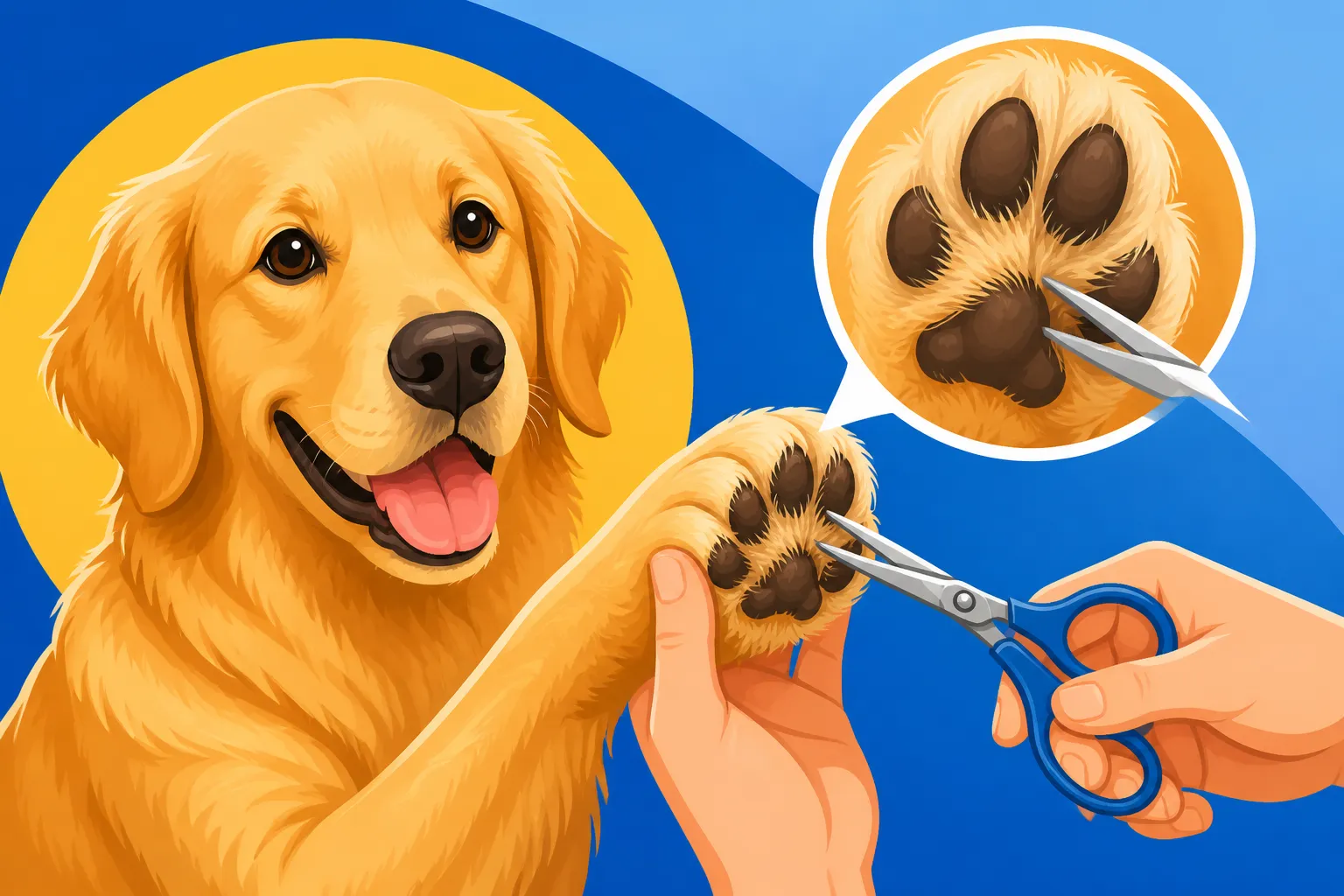
- Gently Hold the Paw: Take one of your Golden's paws firmly but gently in your non-dominant hand. Spread their toes slightly so you can clearly see the pads. Make sure your Golden is comfortable and not pulling away. If they start to get squirmy, take a break, offer a treat, and try again.
- Identify the Hair to Trim: You'll see tufts of hair growing up between the main paw pads and the smaller toe pads. This is the hair you want to shorten.
- Using Scissors (The Scoop): If using blunt-nosed scissors, gently push the paw pad down with your thumb to expose the hair between the pads. Carefully "scoop" the hair upwards from the center, away from the pad, and trim it level with the pads. Always point the scissor tips away from the pads and never cut blindly. Work slowly, taking small snips at a time. Think of it like a tiny hedge trimmer for their paws. Be extra cautious not to cut into the webbing between their toes.
- Using Clippers: If using small electric clippers, gently spread the toes and carefully guide the clipper blade across the hair, working with the natural direction of the hair growth. Again, aim to trim the hair flush with the paw pads. The small size of these trimmers makes it easier to navigate the contours of the paw. Always ensure the blade is cool to the touch before and during use, as they can heat up.
Remember, less is more when you're starting out. You can always trim a little more if needed, but you can't put hair back! Continue this process for all four paws, making sure to periodically check your work by having your Golden stand to see how much hair is still touching the ground.
Trimming Around the Paw Perimeter
Once the hair between the pads is neat, you'll want to tackle any excessive hair that extends beyond the perimeter of their paw pads. This is often where burrs and other large debris get caught.
- Set the Paw Down Naturally: Have your Golden Retriever stand or sit in a natural position with their paw flat on the ground.
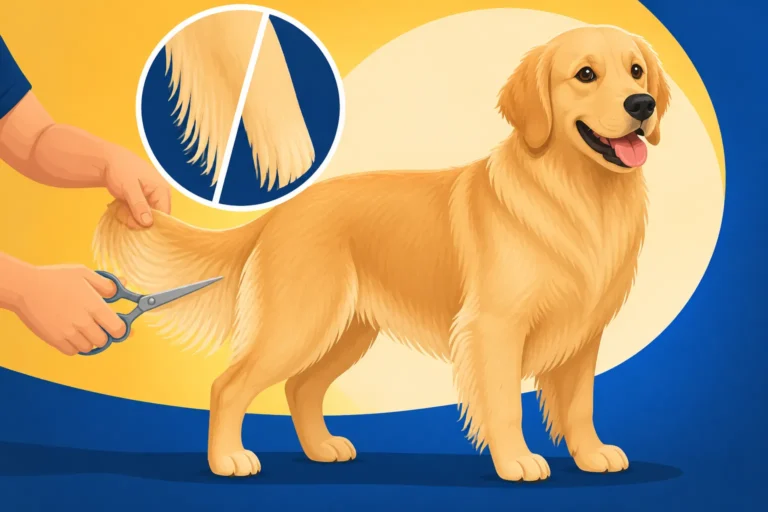
- Trim Around the Edges: Carefully trim any long hair that extends past the edges of their paw pads. You're aiming to create a neat, rounded "cat paw" appearance, where the fur is flush with the pad. Imagine drawing a circle around the paw pad and trimming everything outside that line.
- Address the Top of the Paw: Check for any overly long hair on the top of their paw, particularly around the toes, that might be collecting debris or looking untidy. Gently comb this hair forward and trim any excess that is significantly longer than the rest of the fur, making sure not to take off too much of their lovely feathering that protects their joints. Don't go crazy here; a little neatening is all that's usually needed. For general coat care, you might find tips in Grooming a Golden Retriever's Double Coat helpful.
- Check for Dewclaws: If your Golden has dewclaws, remember to check the hair around them too, as it can sometimes mat or grow long enough to catch. Always be extremely cautious around dewclaws as they can be easily injured.
After you've trimmed around the entire paw, gently lift it and check your work from all angles. Are there any straggly bits you missed? Does it look even? Consistency helps prevent future issues.
Post-Trim Care and Reward
You've done it! Now it's time for some essential aftercare and, of course, a well-deserved celebration.
- Clean Up: Gently brush away any loose hair from their paws and surrounding leg. You might even give them a quick wipe down with a damp cloth if there's a lot of loose fur.
- Inspect Paws: Give their newly trimmed paws a thorough inspection. Look for any nicks, redness, or signs of irritation. If you find any minor cuts, apply styptic powder as needed. This is also a good opportunity to check their nails and trim them if necessary. How Often a Golden Retriever Needs Nails Trimmed might provide more context here.
- Generous Rewards: This is crucial! End every grooming session on a positive note. Offer lavish praise, plenty of their favorite treats, and maybe even a quick game of fetch (if their paws are not sensitive). You want your Golden to associate paw trims with positive experiences, making the next session easier. This reinforces their cooperation and builds trust. Consider making it a ritual, like a treat puzzle after the trim, available from Chewy.
By following these steps, you'll not only keep your Golden Retriever looking tidy but, more importantly, ensure their paws are healthy, comfortable, and ready for all their adventures!
Troubleshooting Common Paw Trimming Challenges
Even with the best intentions and tools, trimming your Golden Retriever's paw hair can present some hurdles. It’s totally normal to face challenges, especially if your dog is not used to being handled or if you're new to the task. Don't get discouraged! With patience and the right approach, most issues can be overcome.
Dealing with a Fearful or Squirmy Golden
This is perhaps the most common challenge, and it requires a delicate touch. A fearful or squirmy Golden isn't being "bad"; they're likely anxious or uncomfortable. Forcing the issue will only make future sessions harder and erode trust.
- Patience is a Virtue: If your Golden starts pulling their paw away, whining, or trying to nip, stop immediately. Do not scold them. Instead, calmly put the tools down.
- Re-desensitize and Condition: Go back to basics. Spend short, frequent sessions (5-10 minutes, several times a day) simply handling their paws, touching their pads, and spreading their toes, always rewarding with high-value treats and praise. Don't even bring out the clippers or scissors for a few days, maybe even a week, until they are truly comfortable with just the handling.
- Introduce Tools Gradually (Again): Once paw handling is a non-issue, reintroduce the tools. Let them sniff the scissors. Turn the clippers on near them (but not touching) and give treats. Progress slowly to touching the outside of their paw with the tool, then turning it on and briefly touching it to their fur (still not trimming), always rewarding.
- One Paw, One Snip at a Time: When you finally attempt to trim, aim for just one paw. If they tolerate that, you're done for the session. If they only tolerate one snip, then that's enough! Build up duration and coverage over many sessions.
- Extra Hands: Sometimes, having a second person to gently hold your Golden or distract them with treats can make a huge difference, especially if your dog is particularly wiggly.
- Professional Help: If despite your best efforts, your Golden is genuinely terrified or aggressive during grooming, consider enlisting the help of a professional groomer or a certified positive reinforcement dog trainer. They have techniques and experience to handle fearful dogs safely and effectively. Sometimes, it's worth the investment to avoid turning grooming into a traumatic experience. For advice on finding good trainers, see Choosing a Trainer for a Golden Retriever.
Accidentally Nicking a Paw Pad
It happens to the best of us, especially when working with sensitive areas and a wiggling dog. The paw pads are surprisingly tough, but the skin around and between them is thin and can bleed quite a bit when cut. Don't panic!
- Immediate Action: If you make a nick, quickly grab your styptic powder. Apply a generous pinch directly to the cut and hold firm pressure for a minute or two until the bleeding stops. You might need to reapply if it starts bleeding again.
- Clean and Observe: Once the bleeding has stopped, gently clean the area with a mild antiseptic designed for dogs (check your Building a First Aid Kit for a Golden Retriever contents). Keep a close eye on the paw over the next few days for any signs of infection like redness, swelling, pus, or if your Golden is constantly licking the area.
- Prevention for Next Time: Remind yourself to slow down. Ensure you have good lighting. Use blunt-nosed scissors or small clippers. Always make sure you can clearly see the hair you are cutting and that no skin is in the way. If your dog is moving too much, it's better to stop and resume later.
- When to Call the Vet: For deep cuts, excessive bleeding that won't stop, or any signs of infection, a vet visit is absolutely necessary. Don't hesitate to reach out to your veterinarian.
Keeping Up with Regular Maintenance
The trick to easy paw trims is consistency. Don't wait until the hair is severely matted or causing problems.
- Establish a Schedule: Depending on how fast your Golden's hair grows and their activity level, you'll likely need to trim their paw hair every 2-4 weeks. Mark it on your calendar or set a reminder on your phone. Regular, short maintenance sessions are far less stressful and time-consuming than infrequent, extensive overhauls.
- Incorporate into Routine: Try to combine paw trims with other routine grooming tasks, like nail trims or a quick brush. This helps your Golden see it as part of a normal routine.
- Observe and Adapt: Pay attention to your Golden. Are they slipping more? Are they licking their paws? These are signs it's time for a trim, even if it's not on your exact schedule. Their needs might change with seasons (e.g., more debris in spring/fall) or activity levels.
- Benefits of Regularity: Not only does regular maintenance prevent significant issues, but it also keeps your Golden more accustomed to the process. If it's a routine, it becomes less of a "big deal" for them, leading to calmer, quicker sessions. This regular attention to their paws also makes it easier to spot other potential problems early, like developing Golden Retriever Hot Spots and What Causes Them or injuries you might otherwise miss.
By addressing these common challenges head-on and integrating paw hair trimming into your Golden Retriever's regular grooming routine, you'll ensure their comfort, safety, and overall well-being.
Disclaimer
This article is for general informational purposes only and does not constitute professional advice. Laws, prices and regulations vary by location and change over time. Consult a qualified professional for guidance on your specific situation.