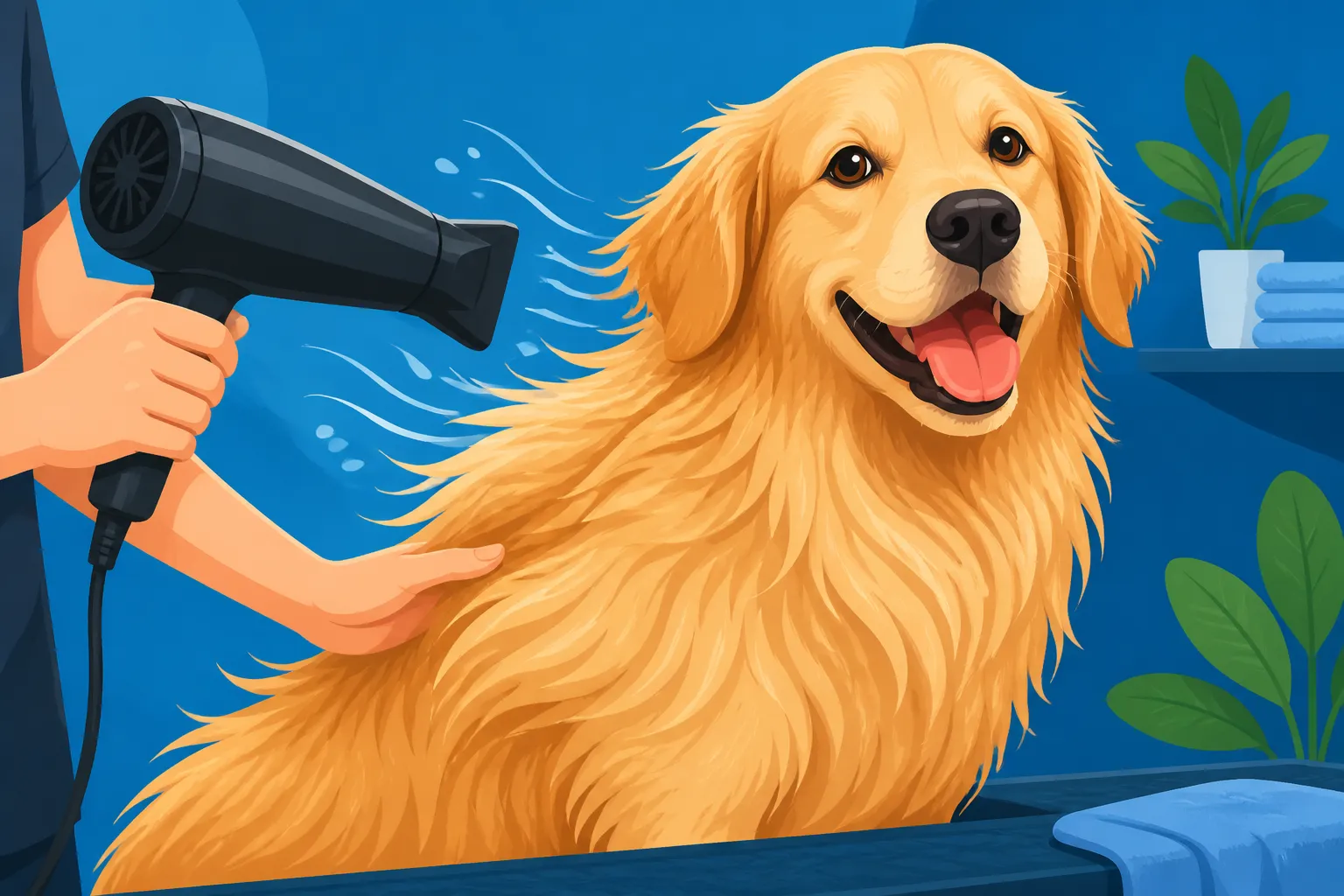
Drying a Golden Retriever’s Thick Coat
If you're a Golden Retriever parent, you know the struggle: bath time is over, your beautiful, happy dog is sparkling clean, and then the real work begins. You grab what feels like a dozen towels, rub, pat, and squeeze, only to find an hour later that your Golden is still damp to the bone, with that tell-tale "wet dog" smell already starting to creep in. It’s frustrating, and honestly, a little overwhelming to get that thick, luxurious coat truly dry. This guide is here to walk you through exactly why drying a Golden Retriever's coat is such a monumental task and, more importantly, how to do it efficiently, effectively, and in a way that keeps your beloved companion healthy and happy.
The Unique Challenge of a Golden Retriever's Double Coat
Golden Retrievers are undeniably stunning, and a huge part of their appeal is that glorious, flowing coat. But what makes it so beautiful is also what makes it such a pain to dry. Their coat isn't just one layer; it's a meticulously designed, natural garment built for function, especially for working in water. Understanding this unique structure is the first step to conquering the post-bath battle.
Understanding the Golden's Waterproof Outer Layer
Think of your Golden Retriever's outer coat as a natural raincoat. These are the longer, coarser hairs, often referred to as "guard hairs." Their job isn't just to look pretty; it's to repel water, mud, and debris, protecting the delicate undercoat and skin beneath. When your Golden takes a dip in the lake or even just gets caught in a downpour, these guard hairs work hard to keep moisture from penetrating too deeply. They're slightly oily, which further aids in water resistance.
This water-repellent quality is fantastic for keeping your Golden comfortable in various weather conditions, a testament to their heritage as retrieving dogs often working in marshy, wet environments. However, it also means that when you're trying to dry them, water tends to sit on top of and within this layer, rather than quickly evaporating. Just rubbing with a towel can often push water deeper into the coat or simply spread it around, leaving the underlying layers still soaking wet. It's like trying to dry a waterproof jacket with a towel – it just doesn't absorb everything.
The Dense, Insulating Undercoat
Beneath those protective guard hairs lies the real water-holding champion: the Golden Retriever's dense, fluffy undercoat. This soft, woolly layer acts as insulation, keeping them warm in winter and helping to regulate their body temperature in summer. It's incredibly thick, especially around the neck, chest, and hindquarters, and it's designed to trap air, which is great for warmth but terrible for quick drying.
When your Golden gets wet, this undercoat becomes saturated like a sponge, holding onto moisture right against their skin. Because the guard hairs act as a barrier, air can't easily circulate through to the undercoat to help it dry naturally. This creates a warm, damp environment that can persist for hours, even after you think you've done a decent job of towel drying. You might touch your Golden's topcoat and feel it's dry, but if you dig down to the skin, you'll often find it's still clammy and cool. This lingering dampness is not just uncomfortable for your dog; it's a breeding ground for a host of unwelcome problems.
The Hidden Dangers of an Improperly Dried Golden
Leaving your Golden Retriever damp after a bath or a swim might seem harmless enough, especially if you're tired of the drying process. However, that lingering moisture trapped in their thick double coat can lead to several uncomfortable and potentially serious health issues. As a veteran Golden parent, I've learned these lessons the hard way, and trust me, preventing them is far easier than treating them.
The Scourge of Hot Spots
Perhaps the most common and miserable consequence of an undried Golden is the dreaded hot spot. These aren't just minor irritations; they are acute moist dermatitis lesions, which basically means a rapidly spreading, intensely itchy, and often painful skin infection. They start small, perhaps from an insect bite, a scratch, or simply constant dampness. When the skin stays wet, bacteria that normally live harmlessly on the skin's surface can multiply rapidly. Your Golden, feeling itchy, will lick, chew, and scratch the area incessantly, further irritating the skin, breaking the surface, and accelerating the infection.
One day you might see a small red patch, and within hours, it can explode into a weeping, oozy, raw sore, often with hair loss around it. The heat and moisture trapped in their thick coat create the perfect incubator for these infections. Hot spots are incredibly uncomfortable for your dog, often requiring veterinary attention, antibiotics, and anti-inflammatory medications. They can take weeks to heal and are a clear signal that the skin environment was compromised, often due to persistent dampness. Prevention, by thoroughly drying, is key to avoiding these painful episodes. Golden Retriever Hot Spots and What Causes Them offers more in-depth information.
Fungal and Bacterial Skin Infections
Beyond hot spots, prolonged dampness in a Golden Retriever's coat significantly increases the risk of other fungal and bacterial skin infections. Yeast infections, for example, thrive in warm, moist, dark environments. You might notice a yeasty smell, often described as like corn chips or stale bread, coming from their skin or ears. The skin can become greasy, red, and flaky, and your Golden will be constantly scratching or rubbing themselves against furniture trying to relieve the itch.
Bacterial dermatitis can also manifest as pustules, scabs, or widespread redness and hair loss. The double coat, while protective, also makes it difficult for air to circulate, creating pockets of moisture that become perfect breeding grounds. This is particularly true in areas where the coat is densest or where there's skin-on-skin contact, like the armpits or groin. These infections can range from mild annoyances to severe conditions requiring medicated shampoos, oral medications, and a trip to the vet. That persistent "wet dog" smell, even days after a bath, is often a warning sign that bacteria or yeast are having a party in their damp undercoat.
Matting and Skin Irritation
While not strictly an infection, matting caused by a damp coat can lead to significant skin irritation and discomfort. Golden Retrievers have long, feathery hair, especially on their legs, chest, and tail. When this hair gets wet and isn't thoroughly brushed and dried, it can tangle and mat together. As the mats tighten, they pull on the skin, causing pain and restricting movement. These tight mats can also trap even more moisture and debris against the skin, creating an ideal environment for the hot spots and infections mentioned earlier.
Imagine wearing a wet sweater that slowly shrinks and pulls tighter and tighter on your skin, never fully drying. That's what some mats can feel like for your Golden. Regularly brushing your Golden, especially when damp, is crucial to prevent this. Leaving damp mats can lead to severe discomfort, and in some cases, professional grooming intervention might be needed to shave out the mats, which can be a stressful experience for your dog and reveal irritated skin underneath. Learning How Often to Brush a Golden Retriever and Trimming the Feathering on a Golden Retriever can help prevent these issues.
Tools and Techniques for a Faster, Safer Dry
Okay, so we know why drying is critical. Now, let's talk about how to tackle that magnificent Golden coat without spending your entire evening on it, and without causing your dog undue stress. The right tools and techniques can make all the difference, turning a chore into a manageable routine.
Towel Drying: Beyond the Basic Rub
Most of us grab a regular bath towel and start rubbing vigorously, right? While it feels intuitive, this can actually be counterproductive for a Golden's coat. Rubbing can tangle their long hair, creating mats and making subsequent brushing harder. It also tends to just push water around rather than truly absorbing it.
The key to effective towel drying is blotting and squeezing.
- Initial Shake: Let your Golden do their natural full-body shake outside or in a designated splash zone. This gets off a surprising amount of water.
- Microfiber Power: Ditch the old cotton bath towels for dedicated microfiber pet towels. These are far more absorbent and designed to wick away moisture efficiently. You can find excellent options on Chewy or Amazon.
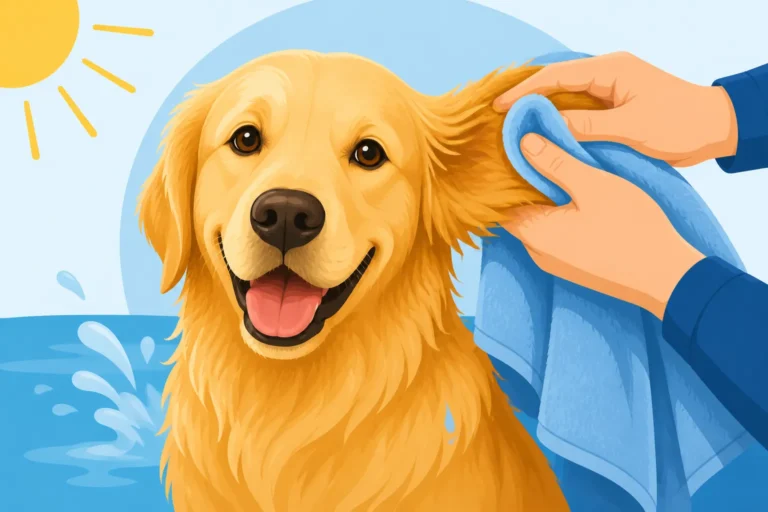
- Squeeze, Don't Rub: Gently press and squeeze sections of your Golden's coat with the microfiber towel. Start from the head and work your way down. Focus on the feathering, tail, and dense areas like the ruff and hindquarters.
- Wrap and Wait (Optional): For very wet Goldens, you can try wrapping them in a large, absorbent towel for 5-10 minutes, allowing the towel to soak up water. Just make sure they're comfortable and supervised.
This initial towel-drying phase is about getting as much bulk water off as possible before moving to more intensive methods.
The Power of the Pet Dryer
This is where the real drying magic happens for a Golden Retriever. Forget your human hair dryer – it's too hot, too weak, and can easily burn your dog's skin. A dedicated pet dryer (also known as a force dryer or high-velocity dryer) is an absolute game-changer.
Here's why they're essential:
- Powerful Airflow, Controlled Heat: Pet dryers push a large volume of air, but crucially, they often have little to no heat or only very low, safe heat settings. It's the sheer force of the air that blasts water out of the coat, not intense heat that could damage skin or hair.
- Reaches the Undercoat: The powerful airflow separates the guard hairs, allowing the air to penetrate deep into that dense undercoat, drying it from the skin out.
- Reduces Drying Time Dramatically: What might take hours of air drying or towel rubbing can be accomplished in 30-60 minutes with a good pet dryer.
When using a pet dryer:
- Start Low and Slow: Always begin on the lowest power setting to acclimate your dog to the noise and sensation. Use praise and treats generously.
- Keep it Moving: Never hold the nozzle in one spot for too long. Keep it moving over your Golden's body to prevent skin irritation.
- Work in Sections: Start with areas your dog tolerates best, often the back or sides, then move to more sensitive spots like the belly, feet, and face.
- Brush While You Dry: As you dry, use a slicker brush or an undercoat rake to gently brush through the coat. This helps separate the hairs, allowing the air to reach all the way to the skin. This step is critical for preventing mats and ensuring thorough drying. Which Brush Works on a Golden Retriever's Coat can help you choose the right tool.
Many reputable pet supply stores and online retailers like Chewy and Amazon offer a range of pet dryers suitable for home use.
Air Drying and Fan Assistance
While a pet dryer is ideal, sometimes you just can't use it, or your Golden might be particularly anxious about it. Air drying alone, especially for a Golden, is usually insufficient and can lead to the problems we discussed earlier. However, you can assist the air-drying process to make it safer.
- Warm, Ventilated Area: If air drying, ensure your Golden is in a warm, draft-free room with good air circulation.
- Fans: Position a regular household fan (or multiple fans) a safe distance from your Golden to help circulate air around their body. Again, focus on separating the coat with gentle brushing periodically.
- Outdoor Option (Carefully): On warm, sunny, breezy days, a supervised outdoor air dry can be an option, but be vigilant. Never leave your dog unsupervised, and ensure they don't roll in dirt or mud. Always check that the undercoat is fully dry before bringing them back inside, especially if it's cooling down.
Remember, true air drying for a Golden still requires frequent brushing to break up the coat and allow air to reach the skin. This method often takes a very long time to get them completely dry, increasing the risk of skin issues. Use it as a last resort or in conjunction with thorough towel drying, not as your primary method.
Grooming During the Drying Process
Integrating brushing into your drying routine is not just helpful; it's essential for a Golden Retriever.
- Initial Brush-Out: Before even getting wet, give your Golden a thorough brush to remove loose hair and tangles. This allows water and shampoo to penetrate better, and it means fewer tangles to deal with when drying.
- Brush During Towel Dry: As you're blotting and squeezing with towels, take moments to gently brush through sections of the coat. This helps separate the wet clumps of hair.
- Brush During Force Drying: This is the most crucial time to brush. As the high-velocity air blows, use your slicker brush to continually brush the coat, lifting the hairs and allowing the air to hit the skin. Work in small sections, ensuring each area is completely dry from root to tip before moving on. Pay special attention to areas prone to matting and densest undercoat.
By brushing as you dry, you're not only speeding up the process but also preventing mats and ensuring that no damp spots are missed, keeping your Golden's skin healthy and their coat gleaming. Bathing a Golden Retriever includes more tips on pre-bath grooming.
Making the Drying Routine Stress-Free for Your Golden
For many Golden Retrievers, bath time might be a splashy good time, but the drying process, especially with a noisy pet dryer, can be a source of anxiety. It's crucial to approach this part of grooming with patience and positive reinforcement to ensure it's a calm, comfortable experience for your dog. A relaxed Golden will cooperate much more readily, making the whole process quicker and less stressful for everyone involved.
Desensitization and Positive Reinforcement
If your Golden is new to a pet dryer or shows signs of fear, desensitization is key. You can't just blast them with air and expect them to be okay.
- Introduce the Dryer Gradually: Start by simply having the dryer in the room while it's off. Let your Golden sniff it, investigate it. Give them treats and praise for calm behavior.
- Sound Association: Turn the dryer on the lowest setting, away from your dog, for just a second or two. Immediately give a high-value treat (like a small piece of cheese or a delicious training treat from Ollie) and lots of verbal praise. Repeat this many times over several sessions, gradually increasing the duration the dryer is on. The goal is for them to associate the sound with good things.
- Air Sensation: Once they're comfortable with the sound, start directing the air away from them at first, then briefly onto their hindquarters or back (areas they might be less sensitive to). Keep the setting low. Again, immediate treats and praise. Build up the duration and proximity very slowly.
- Practice Short Sessions: Don't try to dry your entire Golden in the first few sessions. Aim for 5-10 minute sessions focused on positive experiences. End on a good note, even if they're not fully dry.
Remember, consistency is vital. Always be calm and positive. Never force the dryer on a scared dog, as this can create a negative association that's very difficult to overcome.
Creating a Dedicated Drying Zone
Having a specific, comfortable area for drying can help your Golden understand the routine and feel more secure.
- Warm and Safe: Choose a warm, draft-free room, like a bathroom or laundry room. Make sure the floor isn't slippery. A non-slip bath mat or an old towel laid down can provide stability.
- Elevated Surface (Optional but Recommended): If your Golden is comfortable with it, a grooming table can save your back and make it easier to reach all parts of their coat. Ensure the table has a non-slip surface and a grooming arm for safety (never leave your dog unattended on a table). For smaller Goldens or puppies, even a sturdy, low bench can work.
- Minimized Distractions: Turn off loud TVs or radios. If other pets are a distraction, ensure they are in another room. A quiet environment helps your Golden focus on you and the drying process.
- Comfort Items: Have their favorite blanket or a cozy bed nearby for after the drying session, so they know they'll have a comfortable place to relax.
The Importance of Patience and Consistency
Drying a Golden Retriever's thick coat is a marathon, not a sprint, especially when you're training a puppy or an anxious adult. Your patience is their comfort.
- Breaks are Okay: If your Golden becomes agitated, take a short break. Offer a drink of water, a quick stretch, or a moment of calm petting, then resume if they're ready.
- Routine: Dogs thrive on routine. Try to dry them at roughly the same time and in the same way after every bath or swim. This predictability reduces anxiety.
- Don't Rush: Rushing often leads to sloppy drying, leaving damp spots that can cause problems, or it can make your Golden more resistant next time. Plan enough time for the process.
- Puppies Learn Early: If you have a Golden Retriever puppy, start desensitization and positive reinforcement early. Short, positive experiences with the dryer will build confidence and make future drying sessions much easier. The First Vet Visit for a Golden Retriever Puppy or Puppy Classes Worth It for a Golden Retriever are good times to discuss grooming and training.
By consistently using positive reinforcement, creating a safe space, and exercising endless patience, you can transform the daunting task of drying your Golden Retriever's coat into a manageable, even enjoyable, part of their care routine.
Here’s a quick overview of common drying tools and their suitability for Golden Retrievers:
| Drying Tool | Pros | Cons | Best Use for Golden Retrievers |
|---|---|---|---|
| Cotton Bath Towel | Easily accessible, low cost | Low absorbency for thick coats, can rub hair into mats | Initial light blotting, clean-up of splashes |
| Microfiber Towel | Highly absorbent, wicks water effectively, relatively soft | Still requires effort for deep undercoat, multiple towels needed | Excellent for initial bulk water removal, post-swim quick dry |
| Human Hair Dryer | Convenient if no other option | DANGEROUS (too hot, can burn skin), weak airflow, loud | Never recommended for dogs due to heat risk |
| Dedicated Pet Dryer (Force Dryer) | Powerful airflow penetrates undercoat, fast drying, safe (low/no heat), prevents mats | Can be noisy (requires desensitization), initial cost, takes practice | Highly recommended for thorough and efficient drying of the double coat |
| Stand Dryer | Hands-free operation, good for grooming tables | Bulky, higher cost, still requires dog acclimation | Professional grooming, or for owners with grooming tables |
| Air Drying (Unassisted) | No tools needed, quiet | Ineffective for Goldens, leads to hot spots/infections, very slow | Not recommended as primary method for full drying |
| Fan Assisted Air Drying | Helps circulate air, quiet | Slow, still risky for undercoat dampness if not brushed constantly | Supplemental drying, or for initial stages with constant brushing |
Disclaimer
This article is for general informational purposes only and does not constitute professional advice. Laws, prices and regulations vary by location and change over time. Consult a qualified professional for guidance on your specific situation.