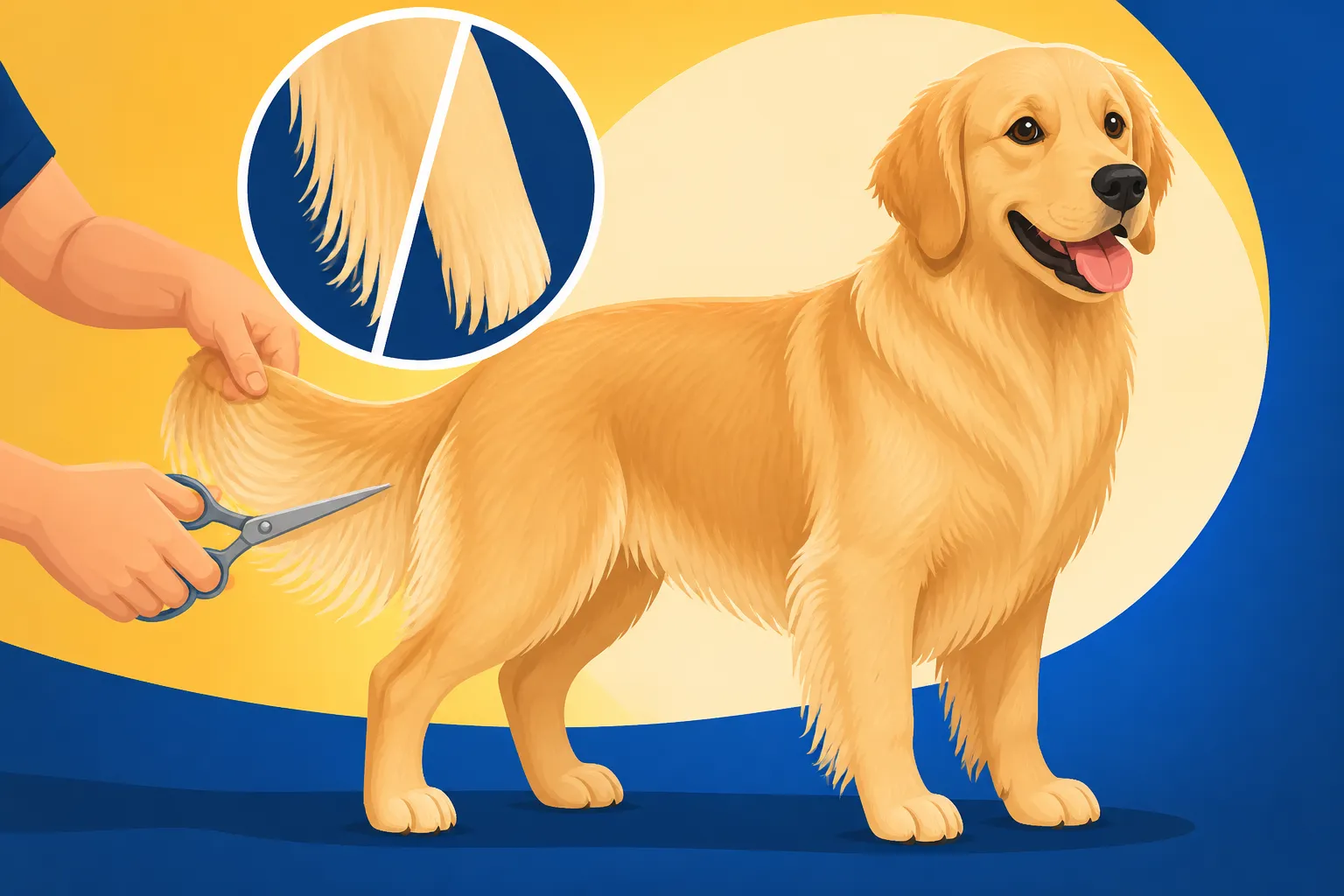
Trimming the Feathering on a Golden Retriever
If you've ever owned a Golden Retriever, you know their beautiful, flowing "feathering" is both a blessing and, let's be honest, a bit of a curse sometimes. That long, silky hair on their legs, chest, and tail can easily become a tangled, dirt-collecting mess, turning your perfectly groomed companion into a scruffy, matted magnet for debris. This guide is all about tackling that exact problem, giving you the confidence and the step-by-step instructions to trim your Golden's feathering effectively and safely, keeping them looking neat, comfortable, and healthy without ruining their natural good looks.
Why Trimming Feathering is More Than Just About Looks
It's easy to think of grooming as purely cosmetic, especially when you see those stunning, flowing coats at dog shows. But for our everyday Golden Retrievers, maintaining their feathering isn't just about winning ribbons; it's about their comfort, hygiene, and overall well-being. Leaving those longer hairs untended can lead to a host of issues that are not only uncomfortable for your dog but can also become a headache for you.
Mats and Hygiene Concerns
The beautiful feathering on a Golden Retriever's ears, chest, armpits, and behind their legs are prime real estate for mats. These mats aren't just unsightly; they can pull on your dog's skin, causing irritation and even painful sores. If left unchecked, mats can become tight enough to restrict blood flow and even trap moisture, leading to skin infections. Imagine trying to walk with a constant tugging sensation under your arms or behind your knees – that’s what severe matting feels like. Beyond the discomfort, long feathering, especially around the belly and hindquarters, can become soiled with urine, feces, or mud, leading to hygiene nightmares and unpleasant odors. Keeping these areas trimmed short makes cleanup significantly easier and reduces the likelihood of these messy situations. Regular brushing helps, but strategic trimming provides a crucial layer of preventative care.
Keeping Paws and Legs Tidy
Golden Retrievers are adventurers, and their feathery paws and leg furnishings are like little mops, picking up every bit of dirt, mud, burr, and leaf they encounter on their explorations. Untrimmed hair between their paw pads can lead to slippery footing on smooth floors, accumulate debris, and even harbor ice balls in winter, causing discomfort and potential injury. Long leg feathering, particularly on the back of their front and rear legs (often called "furnishings" or "pants"), trails through everything your dog walks through. A good trim around the feet and lower legs significantly reduces the amount of grime they track into your home, saving you countless hours of sweeping and mopping. It also makes it easier for you to inspect their paws for injuries or foreign objects after a walk, which is important for their paw health. Trimming a Golden Retriever's Paw Hair is a separate, but related, skill that greatly contributes to their overall cleanliness and comfort.
Aesthetics and Breed Standard
While our primary focus is on health and comfort, there's no denying that a well-groomed Golden Retriever just looks magnificent. The breed standard calls for a coat that is "rich, lustrous, golden of various shades," with "moderate feathering." This means a natural look, not a shaved one, but also not a wild, overgrown one. Strategic trimming enhances the natural lines of your Golden, making their coat appear tidier and more defined without altering their characteristic appearance. It cleans up the "fringes" that can become straggly and uneven, creating a polished look that still celebrates their glorious Golden coat. Whether you're preparing for a dog show or just want your furry family member to look their best for a walk in the park, a thoughtful trim makes all the difference.
Essential Tools for Grooming Golden Retriever Feathering
Before you even think about picking up shears, it's crucial to have the right tools at hand. Using dull scissors or the wrong type of comb can make the process frustrating for both you and your Golden, potentially leading to discomfort or an uneven trim. Investing in quality grooming equipment isn't just a luxury; it's a necessity for maintaining your Golden Retriever's coat properly and safely. You can often find many of these items readily available on sites like Amazon or at your local pet supply store.
Scissors and Shears
This is where your primary trimming work will happen. You'll want a few different types:
- Blunt-nosed/Safety Scissors: These are invaluable for sensitive areas like around the eyes or paw pads. Their rounded tips prevent accidental pokes or cuts if your Golden makes a sudden move. They are typically smaller and easier to maneuver in tight spaces. Always keep these clean and sharp to ensure a smooth cut and avoid pulling hair.
- Straight Shears (7-8 inches): A good quality pair of straight grooming shears will be your workhorse for most of the longer feathering on legs, chest, and tail. Look for sharp, stainless steel blades with a comfortable grip. Precision is key here, so avoid cheap, flimsy options.
- Thinning Shears (42-tooth or similar): These are a game-changer for blending. Thinning shears have one bladed edge and one comb-like edge, which allows them to remove only a portion of the hair with each cut, creating a natural, soft transition rather than a blunt line. They are perfect for softening the edges of trimmed feathering, especially around the ears and hocks, to avoid that "choppy" look. This tool is your secret weapon for making your home groom look professional.
Remember, sharp tools are safer tools. Dull blades can pull hair, causing pain and making your dog more resistant to future grooming sessions. Consider having them professionally sharpened periodically or replacing them when they lose their edge.
Combs, Brushes, and Rakes
Preparation is everything when it comes to trimming. You can't trim matted hair effectively or safely.
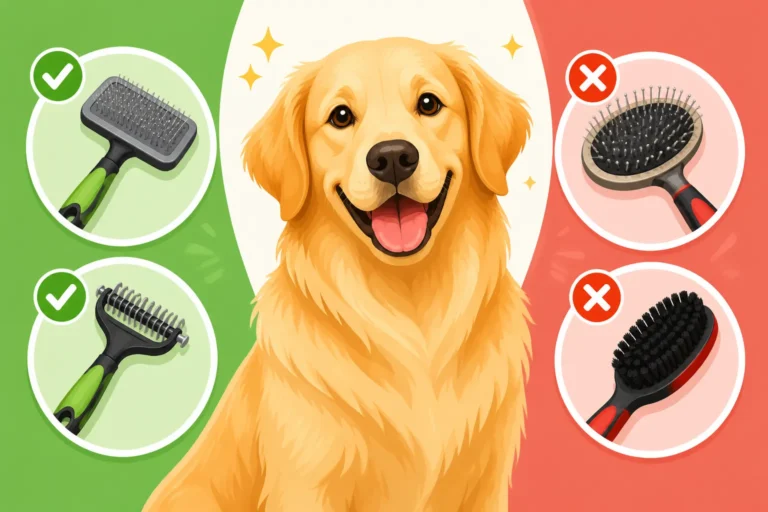
- Pin Brush: A good quality pin brush is excellent for general coat maintenance and for fluffing up the feathering before trimming. It helps to separate the longer hairs and get them standing out, making it easier to see what needs to be cut. Regular use of a pin brush is also key for general detangling and distributing natural oils.
- Metal Comb (Fine/Coarse Teeth): This is essential for getting down to the skin and checking for hidden mats. The coarse teeth can tackle larger tangles, while the fine teeth are perfect for smoothing and ensuring all hair is properly brushed out before trimming. It’s also invaluable for lifting the hair on the feet before scissoring.
- Undercoat Rake: While not directly used for trimming, an undercoat rake is vital for removing loose undercoat, which can contribute to matting in the feathering. Using it before a trim helps you see the true length of the hair and prevents you from trimming dead hair that would shed out anyway. Undercoat Rakes and Deshedding a Golden are fundamental to maintaining their double coat.
It’s a good idea to have a small spray bottle with water or a detangling spray on hand. Lightly misting the feathering can help calm static and make it easier to comb through, especially if the hair is prone to tangling.
Grooming Table and Restraints
While not strictly mandatory for a quick trim, a stable grooming table can make a world of difference, especially for longer sessions. It elevates your dog to a comfortable working height, saving your back, and often comes with a grooming arm and loop to gently secure your dog. This prevents them from walking off mid-trim and helps keep them still, reducing the risk of accidental nicks. If you don't have a grooming table, a sturdy, non-slip surface like a kitchen counter (with a mat for grip) or even a sturdy outdoor picnic table can work. Always ensure your dog is secure and won't slip or fall. For dogs who are particularly wiggly or nervous, having another person gently hold and reassure them can be incredibly helpful. You might also want to have some high-value treats (perhaps some freeze-dried chicken from Ollie) ready to reward cooperation and create a positive association with grooming.
Step-by-Step Guide to Trimming Your Golden's Feathering
Now that you're armed with the right tools, let's get into the nitty-gritty of how to approach trimming each area of your Golden Retriever's feathering. Remember, the goal is to enhance their natural beauty and improve hygiene, not to drastically change their look. Always err on the side of caution; you can always trim more, but you can't put hair back!
Ears: The "Invisible" Trim
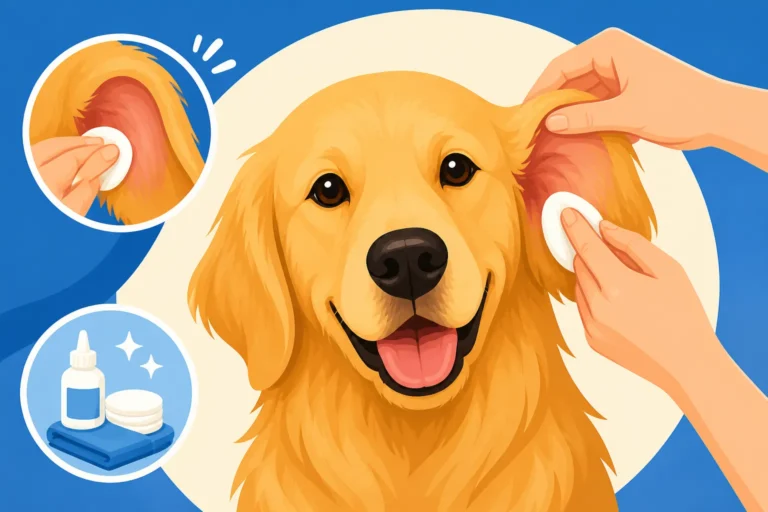
The feathering on a Golden's ears can get quite long, collecting debris and creating a warm, moist environment that can sometimes contribute to ear infections if air circulation is poor. The goal here is a tidy, natural look, not a stark cut.
First, thoroughly brush out the ear feathering with your pin brush and then comb through with a metal comb, checking for any mats behind the ear or at the base. Gently hold the ear leather to keep it flat. Using your straight shears, trim the longer wisps of hair that fall below the bottom edge of the ear leather. Imagine drawing an invisible line along the bottom curve of the ear and trimming just to that line. For a more natural blend, use your thinning shears to soften the edges, working from the outside in, never cutting straight across the top layer of hair. Focus on thinning the bulk underneath the visible feathering to improve air circulation and reduce matting without taking away the iconic "fringe." You want the feathering to still look full, but neat. Ear Infections in Floppy-Eared Goldens can be more common with excessive hair, so this trim helps.
Feet and Paws: The "Cat Foot" Look
The hair on a Golden's feet, especially between the pads and around the edges, can get quite shaggy. This accumulates dirt, can cause slipping, and just looks untidy. Our aim is the "cat foot" – a compact, rounded appearance that keeps the foot clean and functional.
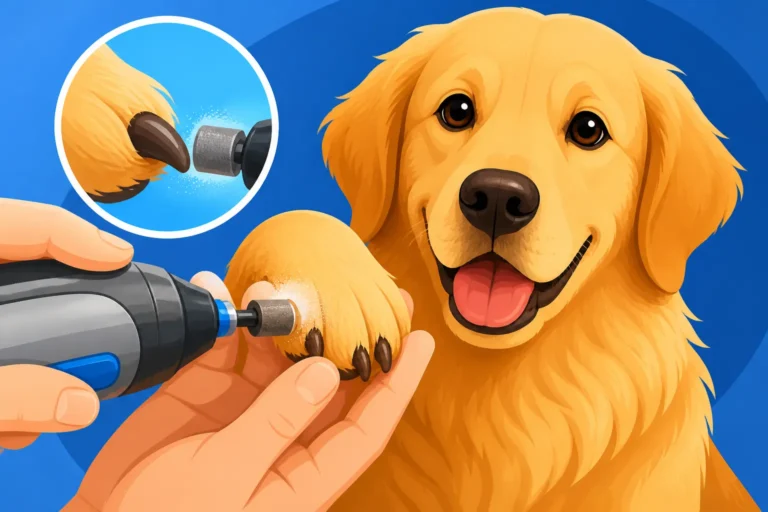
Start by carefully trimming the hair between the paw pads using blunt-nosed safety scissors. Point the scissors towards the floor, being extremely cautious not to cut the pads themselves. This is often easier with your dog lying down or sitting, so you can clearly see the underside of their paw. Next, stand your Golden on a flat surface. Using your straight shears, carefully trim the hair that extends beyond the natural outline of their paw, rounding the foot. Comb the hair downwards first, then trim in short, precise snips, following the curve of the paw. Use your thinning shears to blend any harsh lines around the top of the foot where the feathering meets the shorter coat. Don't forget the hair on the back of the hocks, which can also become long and unruly, forming messy "pants" that drag on the ground. Trim these to a neat, manageable length that follows the natural line of the leg. This process greatly contributes to reducing the dirt and debris they track into your home.
Legs and Hocks: Blending it In
The feathering on the back of the front legs and the "pants" on the back of the hind legs can grow quite long, often becoming a focal point for tangles and dirt. The trick here is to shorten and tidy without making it look chopped.
Begin by thoroughly brushing and combing all the leg feathering downwards and outwards, ensuring there are no mats or tangles. For the front legs, gently lift the leg and use your straight shears to trim the longest hairs that extend well past the elbow, maintaining a natural flow. You want to reduce the bulk and length without eliminating the feathering entirely. Focus on removing the straggly ends. For the hind legs, the "pants" can get very full. Comb the hair down and use your straight shears to trim the ends that touch or drag on the ground, aiming for a length that clears the floor by about an inch or two. The most important step for both front and hind legs is blending. After trimming the length, go back with your thinning shears. Hold them parallel to the leg and make several passes, especially where the feathering meets the shorter coat on the thigh or upper leg. This will soften any harsh lines and create a much more natural, feathered appearance. The goal is a gradual transition, making the trim look seamless and intentional.
Tail: The Flag and the Flask
A Golden Retriever's tail is often described as a "flag" – a beautiful, flowing plume. We want to maintain that flag-like appearance while keeping it clean and manageable. The base of the tail, sometimes called the "flask," also needs attention.
Start by brushing the tail feathering thoroughly, ensuring it's free of tangles. Hold the tail up straight, parallel to their back. Using your straight shears, trim the longest hairs that extend beyond the natural outline of the tail, particularly the very tip. You want to create an even, fan-like shape, often tapering slightly from the base to the tip. Don't cut too much off the length, as this can dramatically alter the Golden's characteristic tail set. Instead, focus on tidying the sides and bottom. Once you've established the general shape, use your thinning shears to soften any blunt lines and create a natural, flowing look, especially along the edges. For the base of the tail (the "flask"), gently comb the hair forward and away from the body. Using your thinning shears, or carefully with blunt-nosed scissors, trim any excessive hair that grows around the anus, ensuring this area is clean and clear for hygiene. This will prevent fecal matter from clinging to the hair and reduce the risk of matting in this sensitive area. This simple maintenance step makes a big difference in daily cleanliness.
Here's a quick summary of the different areas and their grooming approach:
| Area to Trim | Primary Tool(s) | Key Goal | Avoid |
|---|---|---|---|
| Ears | Straight shears, Thinning shears | Tidy, natural edge; improved airflow | Choppy lines, removing all feathering |
| Paw Pads | Blunt-nosed scissors | Clear hair between pads; prevent slipping | Cutting skin/pads, leaving long tufts |
| Feet/Paws | Straight shears, Thinning shears | "Cat foot" look; round and neat | Uneven edges, leaving hair splayed out |
| Legs/Hocks | Straight shears, Thinning shears | Reduce bulk, remove straggly ends, blend | Blunt cuts, making legs look "shaved" |
| Tail (Flag) | Straight shears, Thinning shears | Even, fan-like shape; natural flow | Shortening too much, uneven tip |
| Tail (Flask) | Blunt-nosed scissors, Thinning shears | Hygienic, clear around anus | Cutting skin, leaving long hair |
Tips for a Stress-Free Grooming Session and Common Mistakes to Avoid
Grooming your Golden Retriever's feathering doesn't have to be a battle. With the right approach and a little patience, it can even become a bonding experience. However, there are common pitfalls that many owners encounter. Being aware of these can help you navigate your grooming sessions more smoothly and achieve better results.
Patience and Positive Reinforcement
The most important tool you have isn't your shears; it's your attitude. If you approach grooming with stress and impatience, your Golden will pick up on it, and the session will likely be difficult for everyone. Start with short, positive sessions, especially when your Golden is a puppy. Even if you only get one paw trimmed, end on a good note with praise and a high-value treat. Best Treats for Training a Golden Retriever are excellent for this purpose. Gradually increase the duration as your dog becomes more comfortable. Talk to your Golden in a calm, soothing voice throughout the process. Associate grooming with positive experiences by offering rewards, gentle petting, and happy encouragement. If your dog is getting stressed or antsy, take a break. Push too hard, and you risk creating a negative association that makes future grooming sessions even more challenging. Remember, consistency is key – regular, short sessions are much better than infrequent, marathon struggles.
Avoiding Over-Trimming or "Choppy" Cuts
One of the biggest fears for Golden Retriever owners, and rightly so, is taking off too much hair or leaving their dog with an unnatural, choppy appearance. Golden Retrievers are meant to have flowing feathering, not a severe, barber-shop cut. The key is to trim in small increments. Always start by taking off less than you think you need, then step back, assess, and if necessary, take a little more. When using straight shears, avoid cutting straight across the top layer of hair. Instead, use them to snip off the very ends of the longest hairs, or use a "point cutting" technique where you hold the scissors perpendicular to the hair and snip upwards into the ends, which creates a softer, more natural finish. This is where thinning shears truly shine. They allow you to remove bulk and soften lines without leaving a stark, blunt edge. If you're unsure, watch some grooming tutorials or even ask a professional groomer for a quick demonstration on your own dog. It's better to maintain their natural look than to regret a drastic cut.
Regular Maintenance Schedule
Trimming your Golden's feathering isn't a one-and-done task. Their hair grows, and daily life ensures they'll pick up new dirt and tangles. Establishing a regular grooming routine is paramount. For general tidiness and hygiene, a light trim of the feet, ears, and tail every 4-6 weeks might be sufficient for many Goldens. Dogs with particularly fast-growing coats or those who spend a lot of time in muddy or brushy environments might need more frequent attention. In between trims, daily or every-other-day brushing is crucial, especially focusing on areas prone to matting like behind the ears, in the armpits, and on the longer leg feathering. How Often to Brush a Golden Retriever really depends on their coat type and lifestyle, but it's always more often than you think. This consistent care will prevent serious mats from forming, make the actual trimming sessions quicker and easier, and keep your Golden looking and feeling great year-round. Don't forget their overall Grooming a Golden Retriever's Double Coat needs, which include regular bathing and deshedding, all of which contribute to the health and appearance of their feathering.
Disclaimer
This article is for general informational purposes only and does not constitute professional advice. Laws, prices and regulations vary by location and change over time. Consult a qualified professional for guidance on your specific situation.