Ear Cleaner Safe for a Golden Retriever
Oh, the infamous Golden Retriever ear! If you've ever found yourself staring into those beautiful, floppy ears, wondering what concoction is truly safe to use to keep them clean and healthy, you are definitely not alone. It's a common frustration for Golden owners because our beloved pups are just so susceptible to ear troubles, and the sheer number of products out there can be overwhelming. This guide is going to walk you through exactly what to look for and what to avoid in an ear cleaner, how to use it properly, and when it’s time to call in the professionals, ensuring your Golden's ears stay as happy and healthy as possible.
Why Golden Retrievers Are Prone to Ear Issues
It’s not just bad luck that our Goldens often end up with ear problems; it’s largely down to their unique anatomy and lifestyle. Understanding why they’re so susceptible is the first step in preventing those uncomfortable, itchy, and sometimes painful infections.
The Anatomy of a Golden's Ear
Think about those gorgeous, velvety ears on your Golden. While they are undeniably charming, they also act like perfect little greenhouses for moisture and debris. The ear canal itself is L-shaped, meaning it takes a turn after the initial opening. This design, combined with the floppy ear flap covering the opening, significantly reduces airflow into the canal. What does reduced airflow mean? A warm, moist environment. This is exactly what yeast and bacteria absolutely adore.
Beyond the shape, Goldens also have a fair bit of hair inside their ear canals, which can further trap wax, dirt, and moisture. This dense fur, coupled with their love for swimming and rolling in anything delightfully smelly, means their ears are constantly battling against becoming a swampy breeding ground for microorganisms. It's a constant management game, and knowing this helps us appreciate why regular, safe cleaning is so important.
Common Culprits Behind Ear Problems
So, what exactly sets up shop in that warm, moist environment? Often, it's a combination of factors. The most common culprits are bacteria and yeast, particularly a type of yeast called Malassezia. These opportunistic microorganisms are often present in small numbers in a healthy ear, but when the conditions are just right – excessive moisture, trapped debris, or an underlying issue – they can multiply rapidly, leading to an infection.
But it's not always just about dirt and water. Many Golden Retrievers suffer from allergies, whether they are environmental (pollen, dust mites) or food-related. Golden Retriever Food and Skin Allergies can manifest as inflammation and itchiness in the ears, which then makes them more prone to secondary bacterial or yeast infections. When your Golden is constantly scratching or shaking their head, they're not just uncomfortable; they're also creating micro-traumas in the ear canal that make it even easier for infections to take hold. Sometimes, foreign bodies like grass awns or foxtails can also sneak into the ear canal, causing severe irritation and requiring immediate veterinary attention. These aren't always visible from the outside, which is why a vet visit is crucial if you suspect something serious.
Understanding Safe Ear Cleaners for Your Golden
With so many products lining the shelves, how do you choose an ear cleaner that’s actually beneficial and won’t cause more harm than good? It comes down to understanding the ingredients and knowing when to seek professional advice for prescription-strength solutions.
Key Ingredients to Look For
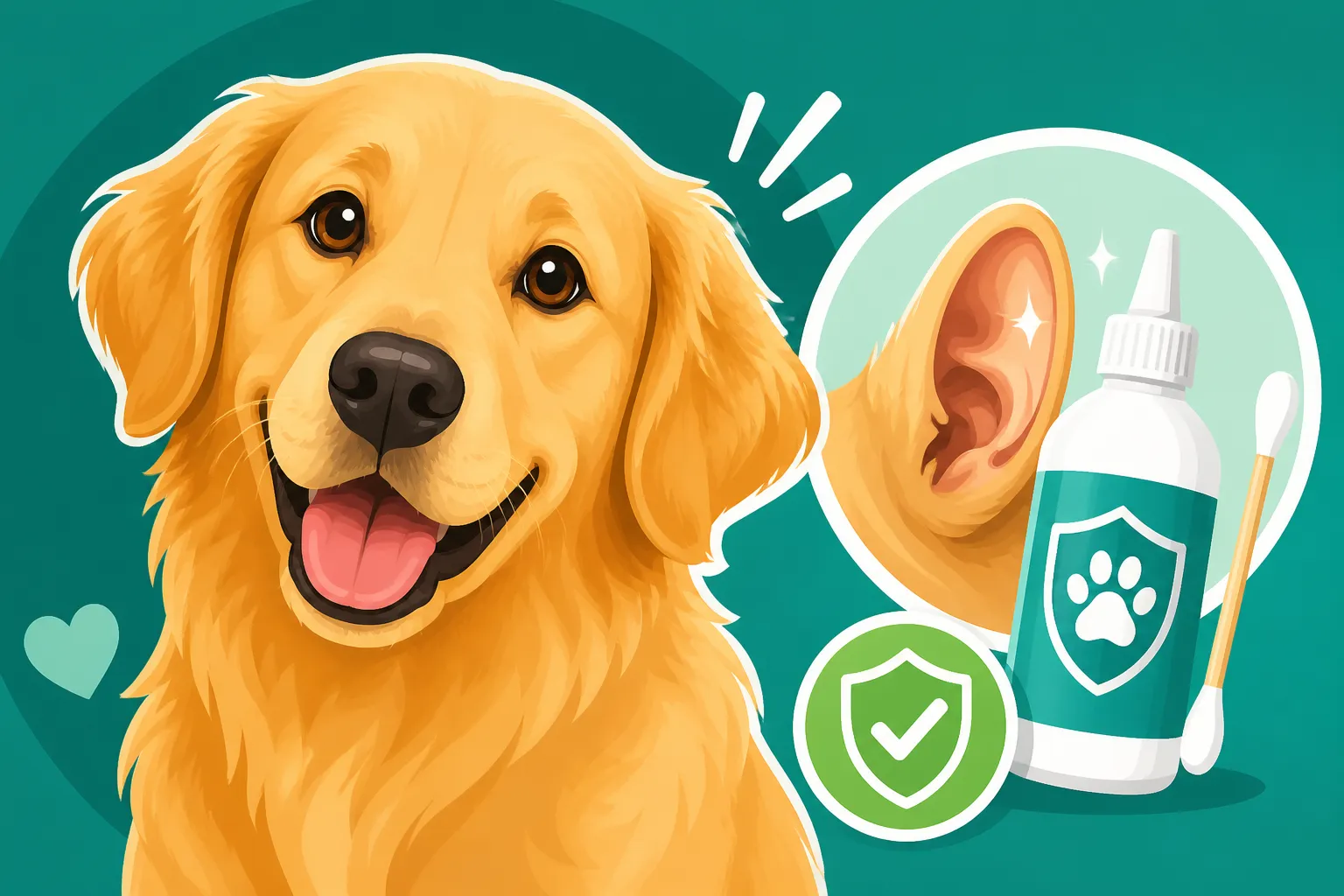
When you're sifting through options at your local pet store or browsing online retailers like Chewy or Amazon, there are a few active ingredients that signal a safe and effective ear cleaner designed for routine maintenance.
- Antiseptics: Ingredients like chlorhexidine or ketoconazole are fantastic for gently controlling bacterial and yeast populations. They work by disrupting the cell walls of these microorganisms, helping to keep their numbers in check without being overly harsh. These are particularly helpful if your Golden is prone to recurrent infections, as they provide a mild, preventative antimicrobial action.
- Drying Agents: Since moisture is such a big problem for Goldens, a good ear cleaner often contains drying agents. Boric acid and salicylic acid are common examples. They help to create an acidic environment in the ear that discourages bacterial and yeast growth, and they also gently dry out the ear canal after cleaning, which is especially important if your Golden loves to swim. These are usually in low concentrations to be effective without causing irritation.
- Soothing Agents: Look for ingredients like aloe vera, witch hazel, or colloidal oatmeal. These can help reduce inflammation and soothe irritated skin within the ear canal, making the cleaning process more comfortable for your Golden. They also help to prevent the ear from becoming overly dry or flaky. A well-formulated cleaner balances these active ingredients with soothing ones to ensure optimal ear health.
Ingredients to Absolutely Avoid
Just as important as knowing what to look for is knowing what to steer clear of. Some common household items or ingredients found in poorly formulated pet products can be incredibly damaging to your Golden's sensitive ear canals.
- Alcohol: While it might seem like a good disinfectant, alcohol is highly irritating and drying. It can strip the delicate skin in the ear canal of its natural protective oils, leading to redness, inflammation, and even pain. Using alcohol can make an already irritated ear much worse and is definitely not recommended.
- Hydrogen Peroxide: Similar to alcohol, hydrogen peroxide can cause significant irritation. It also creates a bubbling action that, while seemingly effective, can actually push debris further down the ear canal or damage the delicate tissues. It’s too harsh for routine ear cleaning in dogs.
- Harsh Detergents or Fragrances: Many inexpensive cleaners use strong detergents or artificial fragrances to mask odors. These can trigger allergic reactions or chemical burns in sensitive ears. Always opt for cleaners that are fragrance-free or use natural, mild scents that are known to be safe for canine skin.
- Undiluted Essential Oils: While some essential oils have antimicrobial properties, they are extremely potent and can be toxic if ingested or applied undiluted. Even diluted, they can cause severe irritation or allergic reactions in dogs. Stick to professionally formulated pet ear cleaners. Always consult your vet before considering any alternative remedies.
Over-the-Counter Versus Prescription Cleaners
Deciding between an over-the-counter (OTC) cleaner and a prescription-strength solution often depends on the state of your Golden's ears. OTC cleaners, with the ingredients we discussed earlier, are generally excellent for routine maintenance and preventing issues in healthy ears. If your Golden is prone to wax buildup, swims frequently, or just needs regular upkeep, a good quality OTC cleaner found at retailers like Chewy is usually perfect.
However, if your Golden is showing signs of an active ear infection – redness, swelling, foul odor, excessive discharge, or pain – an OTC cleaner is simply not enough, and in some cases, can make things worse. Signs a Golden Retriever Is in Pain often include head shaking, pawing at the ear, or reluctance to have their head touched. In these situations, your veterinarian will likely prescribe a specific medicated ear cleaner or drops. These prescription formulas contain stronger concentrations of antibiotics, antifungals, or anti-inflammatory agents tailored to combat the specific type of infection present. Self-treating an infection with an inappropriate cleaner can delay proper treatment, allow the infection to worsen, or even lead to complications like a ruptured eardrum.
The Proper Technique for Cleaning Your Golden's Ears
Once you've got the right cleaner, knowing how to use it effectively is key. This isn't just about squirting some liquid in there; it's a gentle, methodical process that should ideally be a positive experience for your Golden.
Gathering Your Supplies
Before you even call your Golden over, get everything ready. This makes the process smoother and less stressful for both of you. You'll need:
- Your vet-approved or safe over-the-counter ear cleaner: Make sure it's at room temperature; cold liquid in the ear can be startling.
- Plenty of cotton balls or cotton pads: Avoid cotton swabs (Q-tips) as they can push debris further into the ear canal and potentially damage the eardrum.
- A soft towel: Essential for wiping up any excess cleaner and for giving your Golden a comforting hug afterward.
- High-value treats: Make this a positive experience! Treats will help your Golden associate ear cleaning with good things, especially if you start early when they are a puppy. Even if you're cleaning a senior Golden's ears, positive reinforcement is always valuable.
- Gloves (optional): If your Golden has an active infection and there's a lot of discharge, gloves can keep your hands clean.
Choose a calm environment with good lighting, perhaps in the bathroom or outdoors where any splashes won't be an issue. If your Golden is a nervous Nellie, starting with just handling their ears gently and rewarding them before you even introduce the cleaner can build trust.
Step-by-Step Cleaning Process
Now for the main event. Remember to be gentle and patient.
- Position your Golden: Have your Golden sit or lie down comfortably. A second person to help hold them still and offer treats can be incredibly helpful.
- Lift the ear flap: Gently lift your Golden's ear flap to expose the opening of the ear canal. If there's a lot of hair, you might need to carefully hold it back.
- Apply the cleaner: Hold the nozzle of the ear cleaner just above the opening of the ear canal. Squeeze a generous amount of cleaner into the ear canal until it's full. Don't be shy – the liquid needs to reach deep into the canal to do its job.
- Massage the base of the ear: This is a crucial step! Gently massage the base of your Golden's ear, just below the opening, for about 30 seconds. You should hear a squishing sound, which means the cleaner is breaking up wax and debris. Your Golden might enjoy this, or they might try to pull away. Keep it gentle and reassuring.
- Allow head shaking: After massaging, let your Golden shake their head. This helps to dislodge the loosened debris and cleaner from deep within the ear canal. Stand clear, as this can get messy!
- Wipe the outer ear: Use a fresh cotton ball or pad to gently wipe away any excess cleaner and visible debris from the outer part of the ear flap and the entrance to the ear canal. Wipe only what you can see; never insert anything deep into the ear canal. Repeat this step with fresh cotton balls until no more dirt or wax comes out.
- Reward! Lavish your Golden with praise and treats! Make it a celebration. This reinforces the positive association with ear cleaning.
A helpful tip is to always clean one ear thoroughly before moving on to the next. This allows you to focus and give each ear the attention it needs. You can watch videos online for demonstrations, but remember that Cleaning a Golden Retriever's Ears Correctly is all about gentle care and patience.
How Often and When to Clean
The frequency of ear cleaning for your Golden Retriever really depends on their individual needs and lifestyle. For most Goldens with healthy ears, a routine cleaning every 1-2 weeks is usually sufficient for maintenance. This helps prevent wax buildup and keeps the ear environment unfavorable for unwanted guests.
However, certain situations warrant more frequent cleaning:
- After swimming or baths: If your Golden is a water lover (and most are!), their ears should be cleaned or at least dried thoroughly every single time they go for a swim or get a bath. Trapped moisture is the number one enemy!
- During allergy season: If your Golden suffers from seasonal allergies, you might notice their ears become itchier or produce more wax. Cleaning more frequently during these times can help manage the irritation.
- If prone to infections: Goldens with a history of recurrent ear infections may benefit from more frequent cleaning, perhaps even weekly, as a preventative measure, always in consultation with your vet.
It's important not to over-clean healthy ears, as this can sometimes lead to irritation by disrupting the natural balance. If you're seeing signs like redness, odor, or excessive scratching between routine cleanings, it's not a sign to clean more, but a sign that it's time for a vet visit.
| Ingredient Type | Safe Examples | Unsafe Examples | Purpose / Why to Use/Avoid |
|---|---|---|---|
| Antiseptics | Chlorhexidine, Ketoconazole | N/A (safe when correctly formulated) | Controls bacteria & yeast; preventative action for infections. |
| Drying Agents | Boric Acid, Salicylic Acid | Alcohol, Hydrogen Peroxide | Reduces moisture, discourages microbial growth; prevents irritation. |
| Soothing Agents | Aloe Vera, Witch Hazel, Colloidal Oatmeal | Harsh Fragrances, Undiluted Essential Oils | Calms inflammation, reduces itching, prevents dryness. |
| Solvents | Propylene Glycol, Dioctyl Sodium Sulfosuccinate | N/A | Helps dissolve and break down ear wax and debris for easier removal. |
When to Call the Vet About Ear Problems
Regular cleaning is a fantastic preventative measure, but it's crucial to know when ear issues escalate beyond routine maintenance and require professional medical attention. Ignoring signs of an infection can lead to chronic problems and greater discomfort for your Golden.
Recognizing Signs of Infection or Pain
Your Golden Retriever can't tell you in words when their ears hurt, but they'll definitely show you through their behavior and the appearance of their ears. It’s important to distinguish between a little wax and a full-blown problem. If you notice any of the following, it’s time to call your vet:
- Excessive scratching or rubbing: If your Golden is constantly pawing at their ear, rubbing their head against furniture, or scooting their head on the floor, it’s a big red flag.
- Frequent head shaking: While a little shake after a swim is normal, persistent head shaking is a common sign of discomfort or pain.
- Redness or swelling: A healthy ear canal should be pale pink. If you see visible redness, inflammation, or swelling in the ear flap or canal, an infection is likely brewing.
- Foul odor: Ear infections, especially yeast infections, often produce a distinct, unpleasant smell that you might notice even without getting close to the ear.
- Discharge: Any discharge that isn't light, yellowish wax is concerning. Look for dark brown, yellow, green, or black discharge, especially if it's thick, pus-like, or bloody.
- Pain on touch: If your Golden flinches, whimpers, or acts aggressively when you try to touch or examine their ear, they are likely in pain. This can also be a sign of something more serious, like a ruptured eardrum or a deep infection.
- Reluctance to chew or open mouth wide: Sometimes, severe ear pain can radiate to the jaw, making eating or yawning uncomfortable.
- Changes in behavior: A typically happy, energetic Golden might become lethargic, withdrawn, or irritable if they're in pain from an ear infection. Golden Retriever Hypothyroidism Symptoms Owners Notice can also sometimes mimic these general signs of discomfort, so a vet check-up is always best.
Don't wait to see if it gets better on its own. Early intervention can prevent minor issues from becoming complicated, painful, and expensive. For instance, Vet Costs for a Golden Retriever Ear Infection can vary widely depending on the severity and how long it's been left untreated.
The Dangers of Self-Treating Infections
It's tempting to try and fix things yourself when you see your Golden in discomfort, but attempting to self-treat an active ear infection with inappropriate products or methods can be genuinely dangerous. Without a proper diagnosis from a veterinarian, you don't know what kind of infection you're dealing with (bacterial, yeast, mites, or a combination), or if there's an underlying issue like a foreign body or a ruptured eardrum.
Using the wrong cleaner or medication can:
- Worsen the infection: Some products can irritate already inflamed tissue, making the infection harder to clear.
- Mask symptoms: You might temporarily alleviate some surface symptoms, delaying a correct diagnosis and allowing the underlying problem to fester.
- Push debris deeper: Improper cleaning techniques, especially using cotton swabs, can push bacteria, yeast, and debris further down the ear canal, complicating treatment.
- Damage the eardrum: Some ingredients, or forceful application, can damage a delicate or already compromised eardrum, potentially leading to hearing loss or inner ear infections.
- Cause pain: Applying harsh substances to an already sensitive and painful ear will only increase your Golden's suffering and make them more resistant to future ear care.
Your vet has the tools and expertise to properly examine the ear canal (often using an otoscope), take samples for microscopic examination, and accurately diagnose the problem. They can then prescribe the precise medication needed, whether it's an antibiotic, antifungal, anti-inflammatory, or a combination. Sometimes, a Golden's ear problems stem from wider health issues, like allergies, and the vet can help formulate a comprehensive plan. Remember, maintaining your Golden's health means being vigilant and knowing when to seek professional help. Their comfort and long-term well-being depend on it.
Disclaimer
This article is for general informational purposes only and does not constitute professional advice. Laws, prices and regulations vary by location and change over time. Consult a qualified professional for guidance on your specific situation.