Whether Chlorine Pools Hurt a Golden’s Coat
There's nothing quite like seeing your Golden Retriever absolutely light up at the sight of a swimming pool. Their love for water is legendary, and many of us are lucky enough to have a pool in the backyard or access to one through friends or family. But as much as we adore watching them splash and retrieve toys, a common worry starts to creep in: is all that chlorine bad for their beautiful coat and sensitive skin? This guide will dive deep into exactly what chlorine can do to your Golden, how to minimize any potential damage, and what steps you can take to keep them healthy and happy after every dip.
Understanding Chlorine's Impact on a Golden Retriever's Coat and Skin
It’s easy to think of a pool as just fun, but for your Golden, it’s a whole different environment than a lake or river. The chemicals, specifically chlorine, are there to keep the water sanitary for us, but they aren't always kind to canine biology. A Golden Retriever's coat, with its dense double layer, and their skin, which is naturally balanced, can react quite strongly to repeated chlorine exposure. It’s not just a superficial issue; it can go deeper than you might realize.
How Chlorine Strips Natural Oils
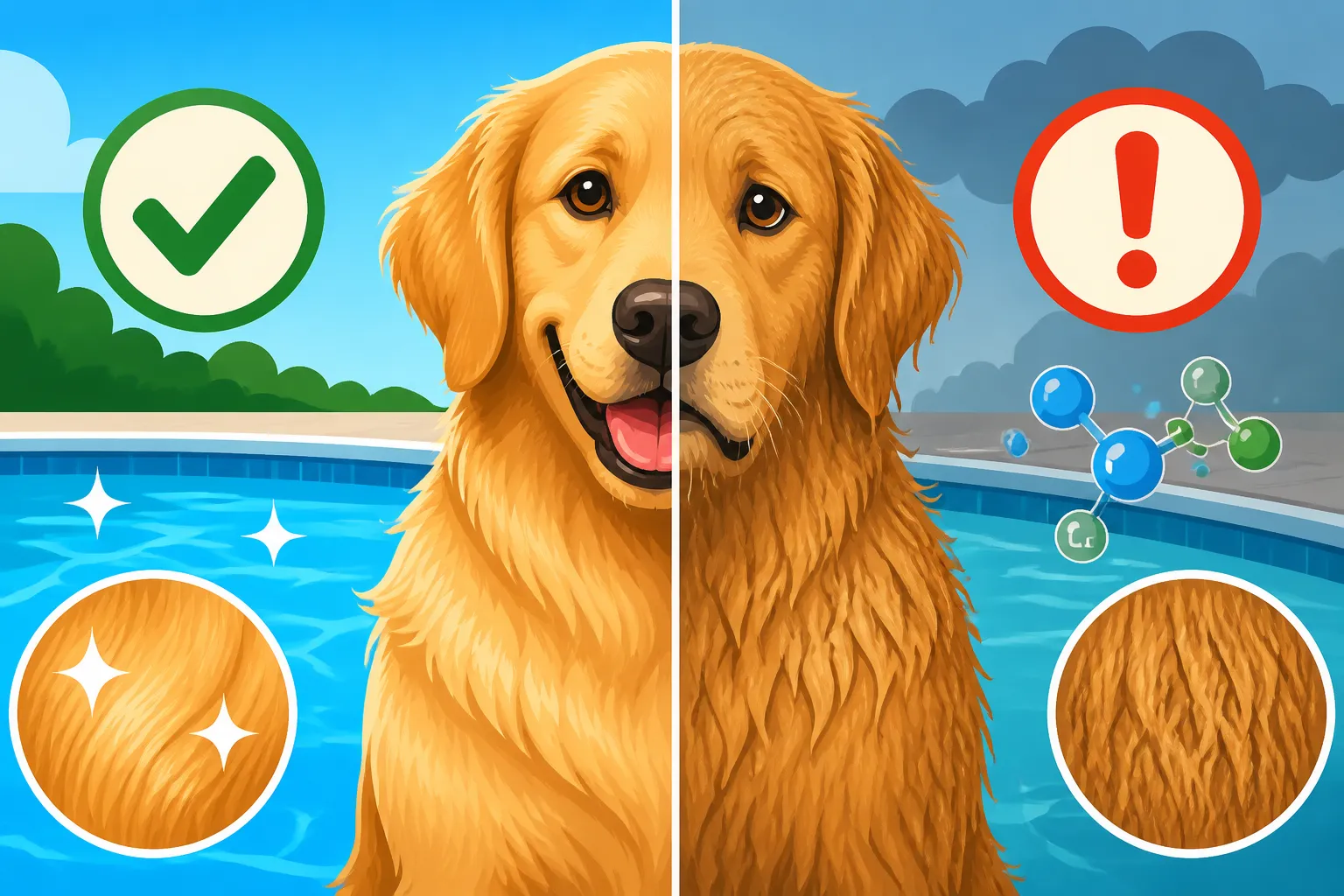
Imagine showering with harsh soap every day without moisturizing – that's a bit like what chlorine does to your Golden's coat. Their skin naturally produces oils that coat each hair shaft, providing a protective barrier against the elements and contributing to that lovely, healthy sheen we all admire. This natural sebum helps keep their coat water-resistant and shiny. When your Golden takes a dip in a chlorinated pool, the chlorine acts as a powerful stripping agent, dissolving and washing away these essential oils.
Over time, with frequent swimming, this stripping effect accumulates. You might start to notice their coat feels coarser, looks duller, and generally less vibrant. It’s not just an aesthetic concern; these oils are crucial for coat health and skin protection. Without them, the hair can become brittle, more prone to breakage, and less able to protect the underlying skin. It's a frustrating cycle, especially when your Golden just loves to swim, and you want to encourage that joyful activity without causing long-term damage.
Potential for Skin Irritation and Dryness
Beyond the coat itself, your Golden's skin is also highly susceptible to chlorine's drying effects. Just like human skin can get dry and itchy after swimming in a chlorinated pool, a Golden's skin can react even more intensely. When those protective natural oils are stripped away, the skin is left vulnerable. This can lead to a host of uncomfortable issues, from general dryness and flakiness to more pronounced irritation.
You might observe your Golden scratching or licking themselves more frequently after swimming, especially around their armpits, belly, and inner thighs – areas where their fur is thinner and the skin is more exposed. In some cases, prolonged exposure without proper care can even lead to red patches, rashes, or hot spots. These secondary skin problems can quickly escalate, causing significant discomfort for your beloved companion. It’s a real bummer when something meant to be fun ends up causing such an irritating problem, and it requires a proactive approach to keep their skin healthy. If you notice persistent itching or redness, it's a good idea to consider exploring Golden Retriever Skin, Ear and Allergy Problems for more insights into potential triggers and treatments.
Discoloration of Lighter Coats
This is perhaps one of the most visible and often surprising effects for Golden Retriever owners: the dreaded green tint. If your Golden has a particularly light, creamy, or pale golden coat, you might notice their beautiful fur taking on an unsightly greenish hue after repeated swims. While it’s tempting to blame the chlorine directly, the green color isn't actually from the chlorine itself. Instead, it's typically caused by copper that's present in the pool water.
Many pool algaecides contain copper, and copper pipes in the filtration system can also leach the metal into the water. When this copper oxidizes due to the chlorine and then comes into contact with your Golden's hair, it can bind to the hair shaft, resulting in that greenish discoloration. It's not harmful to their health, but it certainly isn't the rich, golden hue you strive for! It can be a real headache, especially if you're trying to keep their coat pristine, and can feel like an uphill battle.
Pre-Swim Preparations to Protect Your Golden
Prevention is always better than cure, especially when it comes to safeguarding your Golden's magnificent coat and sensitive skin from the effects of chlorine. Just a few simple steps before they even dive in can make a huge difference in mitigating damage. It's about creating a barrier and minimizing absorption, making every swim a little safer and less impactful on their overall health and appearance.
Rinsing Before the Dip
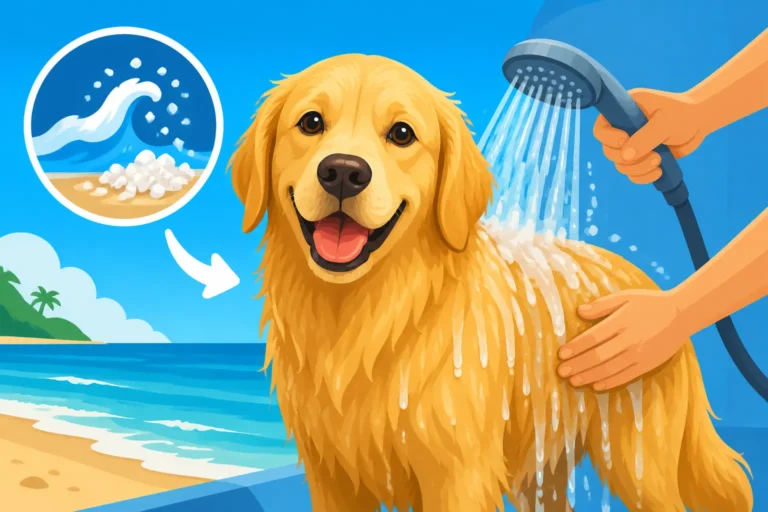
This might sound counter-intuitive, but one of the most effective ways to protect your Golden's coat from chlorine is to rinse them thoroughly with fresh water before they enter the pool. Think of it like a sponge: a dry sponge will soak up a lot of liquid, but a wet sponge won't absorb nearly as much. The same principle applies to your Golden's fur.
By saturating their coat with clean, tap water, you fill up the hair shafts and hydrate the skin. This significantly reduces the amount of chlorinated water their fur can absorb, acting as a natural buffer. It means less chlorine, and therefore less of those oil-stripping chemicals, can penetrate and cause damage. A quick spray with the garden hose or a few minutes under a showerhead is all it takes. Make it part of your routine, and your Golden will quickly learn that a pre-swim rinse is just part of the fun. This simple habit can go a long way in preventing issues down the line.
Applying a Protective Conditioner or Oil
For an extra layer of defense, especially if your Golden is a frequent swimmer or has a particularly sensitive coat, consider applying a leave-in conditioner or a small amount of dog-safe oil to their fur before they jump in. There are specific spray-on, leave-in conditioners designed for dogs that can create a protective barrier, sealing in moisture and creating a slick surface that chlorinated water struggles to penetrate.
Look for products that are formulated with natural oils like coconut or argan oil, or those that specifically mention "swim protection." You can find these easily on platforms like Chewy or Amazon, often under grooming supplies. Just a light mist or a few drops rubbed into their coat, focusing on the feathering and drier areas, can make a noticeable difference. It helps to lock in moisture, further prevents the chlorine from stripping natural oils, and can even help to repel some of the copper that causes green discoloration. It's a small step that adds substantial protection, ensuring their coat remains softer and healthier, even after a refreshing dip.
Checking Pool Chemical Levels
While rinsing and conditioning are vital, another crucial pre-swim step involves the pool itself. Regularly checking and maintaining balanced chemical levels in your pool is not only good for human swimmers but also immensely beneficial for your Golden. Over-chlorination or imbalances in pH can exacerbate the drying and irritating effects on their skin and coat.
Ideally, you want to ensure your pool's chlorine levels are within the recommended range and that the pH is balanced. If the water is overly chlorinated, it will be much harsher on your Golden’s fur and skin, stripping more oils and increasing the risk of irritation. Testing your pool water regularly with a home test kit can give you peace of mind. If you find the levels are consistently too high, you might consider adjusting your pool maintenance schedule or consulting a pool professional. A well-maintained pool is a healthier environment for everyone, including your furry family member, and reduces the chemical burden on their sensitive system.
Post-Swim Care for Chlorine Exposure
The fun doesn't stop once your Golden hops out of the pool; in fact, the real work for coat and skin health begins then. Proper post-swim care is non-negotiable if you want to prevent dryness, irritation, and discoloration. It's all about diligently removing the chlorine and restoring the natural balance of their skin and coat. Neglecting these steps can lead to a cycle of discomfort and damage that's far harder to reverse.
Thorough Rinsing and Bathing
As soon as your Golden finishes their swim, a thorough rinse with fresh, clean water is absolutely essential. This isn't just a quick spray; you need to make sure you're getting all the chlorinated water out of their dense double coat. Pay particular attention to their underbelly, legs, and the thicker feathering on their tail and chest, as these areas tend to trap water.
For frequent swimmers, or if you notice their coat feeling particularly dry or showing signs of discoloration, a full bath with a dog-specific shampoo is highly recommended. You don't necessarily need to bathe them after every single swim if they're just taking a quick dip, but a good shampooing after extended pool time or every few days of swimming can prevent buildup. Choose a gentle, moisturizing shampoo designed for dogs, ideally one that's pH-balanced and formulated to restore moisture. If your Golden is showing signs of skin irritation, you might even look for a soothing or hypoallergenic formula. This critical step actively washes away chlorine residues and copper particles, preventing them from sitting on the skin and coat and causing problems. Regular bathing, when done correctly with the right products, is a cornerstone of Grooming a Golden Retriever's Double Coat.
Using Dog-Specific Shampoos and Conditioners
Picking the right products for your Golden is crucial. Human shampoos and conditioners are formulated for human skin pH and hair types, which are very different from a dog's. Using human products can further strip your Golden's natural oils and irritate their skin, making chlorine damage worse. Instead, invest in high-quality, dog-specific shampoos and conditioners.
Look for moisturizing or hydrating formulas that contain ingredients like oatmeal, aloe vera, or natural oils such as coconut, argan, or shea butter. A good conditioner is especially important after shampooing to help replenish moisture, detangle their coat, and restore that protective barrier. Apply the conditioner generously, especially to the ends of their feathering, and let it sit for a few minutes before rinsing thoroughly. Many excellent options are available from reputable pet suppliers, whether you prefer to shop in-store or through online retailers like Chewy or Amazon. Consistent use of appropriate products is key to managing a healthy coat after pool exposure, and can significantly reduce the likelihood of issues like Shampoo for a Golden Retriever With Itchy Skin or general dryness.
Drying the Coat Completely
After rinsing or bathing, ensure your Golden's coat is thoroughly dried, especially if they have a thick undercoat. Leaving a damp coat can create a perfect breeding ground for bacteria and yeast, leading to skin infections, hot spots, and that unpleasant "wet dog" smell, all of which are common issues for Goldens. Their dense fur traps moisture, so simply letting them air dry often isn't enough, particularly in humid conditions.
Use absorbent towels to blot as much water as possible. For quicker and more effective drying, a high-velocity dog dryer can be a game-changer. These dryers push air rather than heat, quickly separating the fur and pushing out moisture without damaging their skin or coat. If you don't have a dedicated dog dryer, a regular hairdryer on a cool or low-heat setting, held at a safe distance, can also work. Pay special attention to their ears, armpits, and groin area, which are prone to moisture retention. Ensuring they are completely dry, especially after swimming, is a vital part of Drying a Golden Retriever's Thick Coat and prevents a host of skin and ear problems down the line. Don't forget their floppy ears either; proper ear care, including drying, is important to prevent issues like Ear Infections in Floppy-Eared Goldens.
When to Consult Your Vet or a Professional Groomer
Even with the best preventative and post-swim care, sometimes issues can arise, or you might find yourself struggling to manage your Golden's coat and skin health. Knowing when to seek professional help is crucial to prevent minor problems from escalating into more serious conditions that cause prolonged discomfort for your dog. Your veterinarian and a skilled professional groomer are invaluable resources in these situations.
Persistent Skin Issues and Irritation
If, despite your diligent efforts with rinsing, bathing, and moisturizing, your Golden continues to exhibit signs of persistent skin irritation, it's time to involve your veterinarian. This includes ongoing scratching, licking, redness, flaky skin, the appearance of rashes, or developing hot spots that don't resolve with immediate care. These symptoms can indicate a more significant problem than simple chlorine dryness.
Your vet can assess the severity of the irritation, rule out other underlying causes like allergies or parasites, and prescribe appropriate treatments. They might recommend medicated shampoos, topical creams, or even oral medications to address inflammation or secondary infections. Ignoring persistent skin issues can lead to chronic discomfort, hair loss, and deeper skin infections that are much harder to treat. Remember, your vet is your first line of defense for any health concern beyond basic maintenance, and they can provide tailored advice for your Golden's specific needs.
Coat Changes and Damage Beyond Simple Dryness or Tint
While a little dryness and the occasional green tint are common, some coat changes warrant professional attention. If you notice significant hair loss, brittle fur that breaks easily, a dull or greasy coat that doesn't improve with regular grooming, or if the green discoloration becomes severe and resistant to specialized shampoos, it's worth consulting both your vet and a professional groomer.
A groomer experienced with Golden Retrievers can offer specialized treatments, such as deep conditioning masks or clarifying washes that are safe for dogs, to help restore coat health and address discoloration. They can also advise on proper brushing techniques and product choices tailored to your Golden's coat type and condition. Your vet can investigate if the coat changes are indicative of an underlying health issue, such as Hypothyroidism in Golden Retrievers or nutritional deficiencies, which can sometimes manifest through poor coat quality. Working with both professionals ensures a holistic approach to tackling coat damage, getting your Golden's magnificent fur back to its best.
| Action Category | Pre-Swim Care | Post-Swim Care |
|---|---|---|
| Preparation | Thoroughly rinse with fresh water | Rinse immediately after swimming |
| Apply dog-specific leave-in conditioner/oil | Bathe with dog-specific shampoo and conditioner | |
| Check pool chemical levels for balance | ||
| Products | Protective sprays, natural oils | Moisturizing, pH-balanced dog shampoo/conditioner |
| Drying | (N/A) | Thoroughly towel dry, use dog dryer if possible |
| Focus Areas | Coat saturation, moisture barrier | Remove chlorine, replenish moisture, prevent infections |
| Why It Helps | Minimizes chlorine absorption, protects oils | Prevents dryness, irritation, and discoloration |
Ultimately, enjoying the pool with your Golden Retriever doesn't have to come at the expense of their health and appearance. With a bit of foresight and consistent care, you can ensure they continue to splash and play to their heart's content, emerging from every swim with a healthy, beautiful coat and comfortable skin. It's all about being a proactive and loving pet parent, providing the care they need to thrive in all their water adventures.
Disclaimer
This article is for general informational purposes only and does not constitute professional advice. Laws, prices and regulations vary by location and change over time. Consult a qualified professional for guidance on your specific situation.