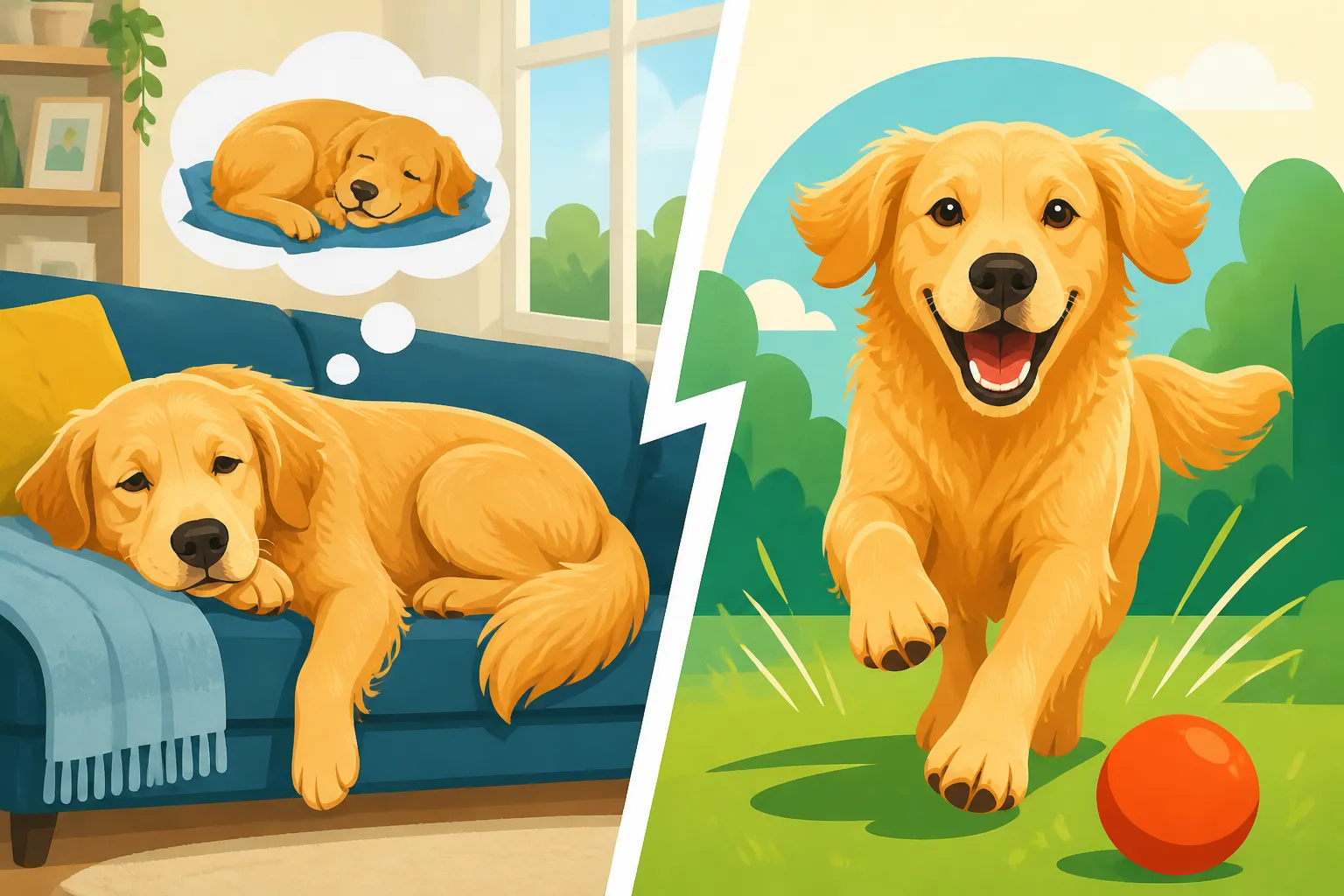
Whether Golden Retrievers Are Lazy Indoors
It's a common thought that many Golden Retriever owners, or even prospective owners, have: "Are Golden Retrievers lazy indoors?" You might see those serene photos of Goldens curled up by a fireplace and imagine a calm, perpetually lounging companion. The reality, however, is a bit more nuanced than a simple yes or no. This guide will dive deep into the true nature of a Golden Retriever's energy, what "lazy indoors" really means, and how to ensure your beloved companion is happy, healthy, and well-adjusted both inside and outside your home.
The Energetic Heart of a Golden Retriever: Understanding Their Drive
Let's be clear from the outset: Golden Retrievers are not inherently lazy. This breed was developed for a demanding job – retrieving game for hunters, often over varied terrain and through water. That heritage is deeply ingrained in their DNA, manifesting as a high degree of intelligence, athleticism, and a strong desire to work and please. Expecting a Golden to be a couch potato without adequate outlets for these traits is often a recipe for frustration for both dog and owner.
Bred for Action: A Look at Their Working History
Think about the origins of the Golden Retriever. They weren't bred to be lap warmers or decorative ornaments. They were bred by Lord Tweedmouth in the Scottish Highlands to be sturdy, intelligent gundogs capable of retrieving ducks, geese, and other fowl. This required endurance, a keen nose, a "soft mouth" (so as not to damage the retrieved game), and an unwavering loyalty to their handler. These traits translate today into dogs that need a purpose, whether it's retrieving a tennis ball, learning complex tricks, or simply going on long, adventurous walks. Their physical build, with powerful legs and a dense, water-resistant double coat, is designed for activity, not for endless naps. It’s why you see them excelling in everything from agility to search and rescue, and why their Golden Retriever Temperament and What to Expect includes being active and eager.
The Spectrum of Energy: Puppy Zoomies to Adult Vigour
A Golden Retriever's energy levels do change throughout their life, but rarely do they become truly "lazy" in the way some people might imagine.
- Puppyhood (0-1 year): Golden Retriever puppies are, to put it mildly, bundles of exuberant energy. They are curious, playful, and seem to have an endless capacity for zoomies, chewing, and exploring. They require frequent, short bursts of activity and mental stimulation, along with plenty of naps, of course. During this stage, owners often report their puppies seeming almost frantic indoors if not properly managed. It's vital to provide appropriate outlets and begin training early. You might even notice your Golden Retriever Puppy Sleep and Night Crying is tied to their energy levels.
- Adolescence (1-2.5 years): This is often the most challenging phase. Goldens are physically mature but mentally, they're still teenagers. They have immense energy and can test boundaries. If they haven't learned an "off switch" or aren't getting enough exercise, this is when destructive behaviors, excessive barking, or a seemingly hyperactive disposition indoors can emerge. They might appear to be "lazy" in that they sleep a lot after a burst of energy, but they're quickly ready for the next adventure. Many Goldens go through a Golden Retriever Chewing Through Adolescence phase, which is often a sign of boredom or underexercise.
- Adulthood (2.5-8 years): A well-exercised and mentally stimulated adult Golden Retriever can be wonderfully calm indoors. They might enjoy lounging by your feet, following you from room to room with a favorite toy in their mouth, or simply napping. However, this calmness is typically earned. After a good run, a long walk, or a training session, they are more than happy to relax. Without it, their pent-up energy can manifest as restlessness, attention-seeking behaviors, or even destructive tendencies. You'll definitely notice How a Golden Retriever's Energy Changes at Three, but it doesn't disappear.
- Seniority (8+ years): As Goldens age, their energy naturally wanes. They'll nap more, move a bit slower, and might not be up for long hikes anymore. This reduced activity is normal, but it's important to differentiate natural aging from discomfort or illness. Even senior Goldens still enjoy gentle walks, mental games, and plenty of interaction. More on that in Caring for a Senior Golden Retriever.
Decoding "Lazy": When a Golden Seems Calm Versus Genuinely Lacking Energy
The perception of a Golden Retriever being "lazy indoors" can stem from several factors. Sometimes, it's a testament to good training and sufficient exercise. Other times, it's a misinterpretation of a dog who is actually bored, underexercised, or even unwell. It’s important to understand the difference.
The Art of the "Off Switch": Learned Calmness vs. Inactivity
A truly "calm" Golden Retriever indoors isn't usually born that way; they're made that way through consistent training and meeting their needs. This is what trainers call an "off switch." It means the dog understands that when they are inside, especially after activity, it's time to settle down. This doesn't mean they're lazy; it means they've learned appropriate house manners.
For example, my Golden, Daisy, knows that after her morning run, a good chew toy on her bed is a perfect way to wind down. She'll happily lie there for an hour, gnawing away, seeming utterly relaxed. But if she hadn't had that run, she'd be bringing me every toy in the house, nudging my hand, or pacing restlessly. The calmness isn't laziness; it's contentment after her needs have been met.
On the other hand, true inactivity might be a sign of something less positive. If a Golden is consistently uninterested in interaction, even when you offer a favorite toy or a gentle walk, it could be a red flag. We’ll discuss that more later.
Is it Boredom, Lack of Exercise, or Something More?
This is where many owners scratch their heads. Is my Golden calm because they're well-adjusted, or are they just… bored? The distinction is crucial.
- Boredom: A bored Golden Retriever might seem lazy because they're not actively tearing up the house, but their "laziness" could manifest as excessive napping during the day, a general lack of enthusiasm, or subtle destructive behaviors like chewing on furniture or digging in the yard. They might also engage in self-soothing behaviors like excessive licking. Think of it like a child who is bored: they might slump around listlessly, but that doesn't mean they don't have energy; it means their environment isn't stimulating them.
- Lack of Exercise: This is perhaps the most common reason a Golden might appear "lazy" or, conversely, overly hyper indoors. If a Golden isn't getting enough physical activity, that pent-up energy has to go somewhere. They might pace, bark excessively, jump on people, or become destructive. After a burst of frantic energy, they might collapse into a deep sleep, leading an owner to think, "Oh, they're just lazy," when in reality, they're simply exhausted from an adrenaline spike and haven't had a proper, consistent energy outlet. A Daily Walk Length for a Golden Retriever that is insufficient will lead to this.
- Something More: Sometimes, a sudden decrease in energy or an uncharacteristic reluctance to move could signal a health issue. Goldens are prone to certain conditions, and changes in energy levels are often one of the first indicators that something is amiss. This is especially true if their "laziness" is accompanied by other symptoms like changes in appetite, limping, or behavioral shifts. Signs a Golden Retriever Is in Pain can be subtle.
Here’s a quick comparison to help you differentiate:
| Behavior Trait | "Good Calm" (Needs Met) | "Bad Calm" (Bored/Underexercised/Unwell) |
|---|---|---|
| Response to Interaction | Eager, happy to engage when called or offered a game. | Indifferent, slow to respond, seems "put out" to move. |
| Body Language | Relaxed, soft eyes, gentle tail wag, easily settles. | Restless (pacing, sighing), dull eyes, tense posture, or overly sleepy. |
| Activity Level | Energetic outdoors, enjoys walks/play, settles quickly indoors. | Reluctant to go out, short bursts of destructive energy, then crashes. |
| Appetite | Normal, enthusiastic eater. | Picky, unusually ravenous (stress eating), or disinterest in food. |
| Chewing Habits | Chews appropriate toys with focus. | Destructive chewing on furniture, shoes, or inappropriate items. |
| Overall Demeanor | Content, happy, well-behaved. | Whiny, anxious, easily startled, or withdrawn. |
Cultivating Calmness: Meeting Your Golden's Needs for a Well-Adjusted Dog
The good news is that with the right approach, your Golden Retriever can absolutely be a calm and relaxed companion indoors. It's all about understanding and consistently meeting their fundamental needs for physical exercise, mental stimulation, and a predictable routine. Think of it as investing in their well-being, which pays off in a happier, better-behaved dog.
Beyond the Daily Walk: The Power of Physical Activity
While a daily walk is a good start, for many Goldens, it's simply not enough. These are dogs built for endurance and movement. To achieve that coveted indoor calm, you need to adequately burn off their physical energy outdoors.
- Variety is Key: Don't just stick to the same route every day. Mix it up! Go for brisk walks in the park, throw a frisbee in an open field, or let them swim in a safe body of water. Swimming is fantastic low-impact exercise for Goldens and helps them burn energy without stressing their joints.
- Intensity Matters: A leisurely stroll where your Golden sniffs every blade of grass is important for mental enrichment, but it often won't tire them out physically. Aim for at least one session of higher-intensity exercise each day, whether that's a vigorous game of fetch, a run (once their growth plates are closed and with vet approval), or playing with other dogs. Consult resources like Exercise a Golden Retriever Needs Each Day for specific recommendations.
- Consistency: Golden Retrievers thrive on routine. Try to provide consistent exercise at roughly the same times each day. This helps regulate their energy levels and signals to them when it's time for high-energy activity and when it's time to settle.
Engaging Minds: Mental Stimulation for a Content Canine
Physical exercise is crucial, but a Golden Retriever's intelligent mind also needs a workout. A mentally tired dog is often just as calm as a physically tired one, sometimes even more so.
- Puzzle Toys and Food Dispensers: These are lifesavers for keeping a Golden occupied indoors. Instead of simply putting their food in a bowl, make them work for it. There are countless options available on Chewy, from simple Kongs that can be stuffed with peanut butter and frozen to more complex feeder toys that require problem-solving. This taps into their natural foraging instincts and can provide a good 20-30 minutes of focused activity. Check out articles like Mental Enrichment for a Bored Golden Retriever for more ideas.
- Training Sessions: Even if your Golden knows all the basic commands, short, fun training sessions several times a day can be incredibly stimulating. Teach them new tricks, practice advanced obedience, or even try scent work games. These activities build their confidence, reinforce your bond, and make them think. Think of it as a brain game that leaves them pleasantly fatigued. Resources like Training a Golden Retriever From Puppy to Adult can give you great starting points.
- Enrichment Walks: Let your Golden sniff! While a brisk walk burns calories, an "enrichment walk" where they can thoroughly investigate interesting smells engages their brain and nose, which is incredibly tiring for them. Let them choose where to sniff within reason, and allow them time to process the olfactory information.
Establishing Routines and a Peaceful Home Environment
Even with plenty of exercise and mental stimulation, a Golden Retriever needs structure and a calm environment to truly learn to relax indoors.
- Consistent Schedule: Goldens thrive on predictability. A consistent schedule for feeding, potty breaks, exercise, and quiet time helps them understand what to expect and when. This reduces anxiety and encourages them to settle when it's not "playtime."
- Designated "Quiet Zones": Give your Golden a specific place where they can go to relax undisturbed, like a crate with a comfy bed or a dog bed in a quiet corner. This teaches them that this spot is for calm, quiet time. Providing a long-lasting chew or a puzzle toy on their special bed can reinforce this.
- Teaching an "Off" Command: While not a literal "off switch," you can train your Golden to settle on command. Start in a quiet environment, reward them for lying down calmly, and gradually introduce distractions. This helps them learn to downregulate their excitement.
- Appropriate Chew Toys: Golden Retrievers love to chew. Providing a variety of safe, durable chew toys is essential, especially when they are young and going through their The Golden Retriever Teething Timeline. This redirects their natural chewing instincts away from your furniture and shoes, allowing them to self-soothe and expend some mental energy. Many quality, long-lasting options are available through retailers like Chewy.
When "Low Energy" Becomes a Concern: Recognizing Red Flags
While we've discussed how a calm Golden can be a sign of a well-adjusted dog, it's crucial to distinguish this from true lethargy or a sudden lack of energy, which can be a significant indicator of underlying health issues. As owners, we spend so much time with our dogs that sometimes subtle changes can go unnoticed, but they are often the first clues that something is amiss.
Differentiating Age-Related Slowing from Illness
It's a natural part of life: as our Golden Retrievers get older, they will slow down. They won't bound with the same enthusiasm they once did, their naps will get longer, and their interest in prolonged play might wane. This is a normal part of the aging process. However, it's a common mistake to attribute all changes in energy to "just getting old."
- Normal Senior Slowing: A senior Golden might still enjoy a walk, but it will be shorter and slower. They might be less inclined to play fetch for an hour but will still happily retrieve a few tosses. Their overall demeanor remains positive, they eat well, and they are still engaged with the family. They might have a bit more trouble getting up after a long nap, but once moving, they are generally comfortable. This is a good time to consider supplements for joint health, and your vet may recommend specific brands available at places like Chewy.
- Signs of Illness: True lethargy, on the other hand, is a more dramatic and concerning shift. This isn't just "slowing down"; it's a profound lack of energy, often accompanied by other symptoms. For example, if your senior Golden suddenly refuses to go for walks, struggles significantly to stand up, shows a loss of appetite, or seems generally withdrawn and uninterested in things they once loved, it's time to call the vet. These can be signs of anything from arthritis and joint pain (very common in Goldens, see Golden Retriever Arthritis and Joint Decline) to more serious conditions like hypothyroidism or even Cancer in Golden Retrievers and Why the Breed Is Hit Hardest.
Key Signs That Warrant a Vet Visit
Never hesitate to contact your veterinarian if you notice a significant or sudden change in your Golden Retriever's energy levels. They can't tell us what's wrong, so it's up to us to be vigilant. Here are some key signs that a low-energy state might indicate a medical problem:
- Sudden or Drastic Change: Your Golden has always been energetic, and suddenly, they're sleeping all day and showing no interest in their usual activities. This is a clear red flag.
- Loss of Appetite or Thirst Changes: If they refuse food or water, or their consumption changes significantly, coupled with low energy, it's concerning.
- Reluctance to Move or Pain Signs: They struggle to get up, limp, avoid stairs, or vocalize when touched. Quiet Signs a Golden Retriever Is Hurting can be very subtle.
- Other Symptoms: Vomiting, diarrhea, coughing, sneezing, changes in urination, or any new lumps or bumps alongside low energy are all reasons for immediate veterinary attention.
- Behavioral Changes: Uncharacteristic aggression, withdrawal, or an unusual clinginess could be linked to physical discomfort or illness.
- Fever or Elevated Body Temperature: This often accompanies infections.
A proactive approach to your Golden's health, including regular vet check-ups, is the best way to catch potential issues early. Your vet can perform diagnostics like blood work or imaging to rule out medical causes for changes in energy. It's always better to be safe than sorry when it comes to the health of our beloved companions.
Disclaimer
This article is for general informational purposes only and does not constitute professional advice. Laws, prices and regulations vary by location and change over time. Consult a qualified professional for guidance on your specific situation.