Golden Retriever Puppy Sleep and Night Crying
Bringing a new Golden Retriever puppy home is an exhilarating experience, full of wagging tails and tiny kisses, but it often comes with a significant challenge: those first few nights of endless crying. It’s completely heartbreaking to hear your little furry friend whimpering and howling, and it leaves many new puppy parents feeling exhausted, frustrated, and wondering if they’re doing something wrong. This comprehensive guide is here to walk you through exactly why your Golden Retriever puppy might be crying at night and, more importantly, how to establish routines and implement strategies that will lead to more peaceful, quiet nights for everyone.
Understanding Why Your Golden Retriever Puppy Cries at Night
It’s easy to feel like your puppy is deliberately trying to keep you awake, but their crying is almost always a plea for something, a natural response to a very big, scary change in their little world. Understanding the root causes of their nighttime vocalizations is the first step toward finding a solution that works for both of you.
The Instinct to Seek Comfort and Security
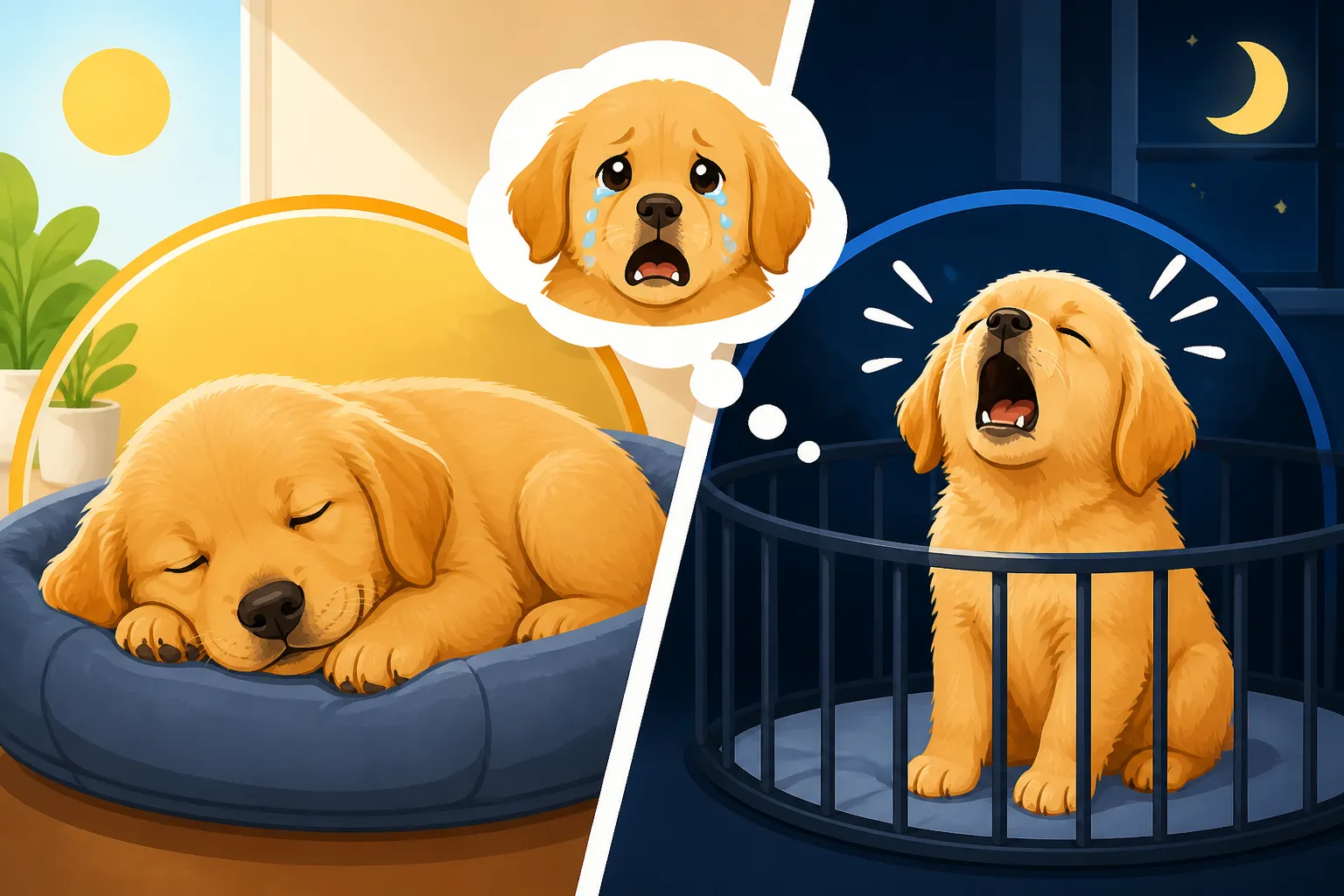
Imagine being suddenly removed from everything you've ever known – your littermates, your mom, the familiar smells and sounds of your birth home – and dropped into a strange new place, alone. That's precisely what your Golden Retriever puppy experiences when they come home. For the first eight weeks or so, they've been constantly surrounded by their family, relying on their warmth and presence for safety and comfort.
Suddenly, they are in a quiet, unfamiliar space, often alone in a crate or bed. Their instincts tell them that being alone is dangerous, a primal fear passed down from their wild ancestors. Crying is their only way to call for help, to signal that they are vulnerable and need their "pack" – which is now you – to provide that missing security. It’s not manipulation; it’s instinct. This profound shift is often the biggest reason behind those initial nights of distress. They simply miss the physical contact and reassurance of their littermates piled together.
Physiological Needs: Potty Breaks and Hunger Pangs
Beyond emotional comfort, your tiny Golden Retriever puppy has very real and frequent physical needs. Their little bladders are simply not developed enough to hold it for an entire night, especially not for eight hours straight. Expecting a young puppy to sleep through the night without a potty break is setting both of you up for failure and frustration.
Similarly, puppies are growing at an incredible rate, which means they need frequent meals and can genuinely get hungry even a few hours after their last meal. While you generally don't want to encourage eating in the middle of the night, if they're genuinely hungry due to growth spurts or an early last meal, they will certainly let you know. A cold, empty belly can feel quite unsettling to a small puppy, adding to their overall discomfort and driving them to cry. Addressing these basic physiological needs proactively is crucial.
Discomfort, Temperature, and Unfamiliar Surroundings
Puppies are sensitive creatures, and any physical discomfort can trigger nighttime crying. Is their crate too hard? Is it too cold in the room? Too warm? Does their bed smell unfamiliar, or perhaps even have lingering odors from their journey that are unsettling? These small details can make a big difference.
A new environment also brings new sounds and smells. While you might be used to the creaks of your house or the distant traffic, these can be alarming to a puppy. They might hear a noise you don't even register and become scared. The sheer newness of everything can be overstimulating during the day and then frighteningly quiet and lonely at night. It's like trying to sleep in a completely unfamiliar hotel room in a foreign city – even as an adult, it can be tough to settle down.
Setting Up for Sleep Success: The Golden Retriever Puppy Edition
Once you understand why your puppy is crying, you can start to implement strategies that address those specific needs. The goal is to make their sleeping arrangements as comfortable, safe, and reassuring as possible, replicating some of the conditions they experienced with their littermates.
The Crate: A Den of Safety, Not a Jail Cell
For Golden Retrievers, a crate is an invaluable tool for both house training and fostering a sense of security at night. However, it's critical that the crate is introduced as a positive, safe den, not a place of punishment. When you first bring your puppy home, keep the crate near you, ideally in your bedroom for at least the first few nights. This proximity helps immensely with their instinctual need for company. They can hear, smell, and even see you, which provides immense comfort.
The crate itself should be appropriately sized – large enough for them to stand, turn around, and lie down comfortably, but not so large that they can designate one corner as a potty area. Many crates come with dividers, allowing you to expand the space as your puppy grows. Make it cozy: a soft bed or blanket (something machine washable is a must!), perhaps a safe chew toy, and even a t-shirt that smells like you. This creates a welcoming, private space that your puppy will choose to go into, rather than resent. For finding suitable crates and beds, online retailers like Amazon offer a vast selection, often with customer reviews that can guide your choice.
Establishing a Consistent Bedtime Routine
Dogs, especially Golden Retrievers who thrive on routine, do incredibly well when they know what to expect. A consistent bedtime routine signals to your puppy that it's time to wind down and prepare for sleep. This routine should ideally start about an hour or two before you want them to settle down for the night.
Think about what relaxes them. Maybe it’s a final play session, followed by a quiet chew toy, a gentle cuddle, or even a short grooming session. Make sure their last meal and water are several hours before bedtime to minimize middle-of-the-night potty breaks. About 15-30 minutes before bed, take them out for a final potty trip. Use a consistent command like "Go potty" and praise them heavily when they succeed. When you bring them back inside, keep things calm and quiet. A consistent, predictable sequence of events helps them mentally prepare for sleep, much like how a story and a warm bath prepare a child for bed. This routine helps build their confidence and reduces anxiety because they learn what's coming next.
Creating a Soothing Sleep Environment
Beyond the crate itself, the overall sleep environment can greatly influence your puppy’s ability to settle down. Consider placing a familiar-smelling item in the crate, like a blanket from their previous home or a towel that's been rubbed on their mom or littermates if you had the foresight to ask for one. Some owners find success with "snuggle puppies" – stuffed animals with a heartbeat sound and a warming pack, designed to mimic a littermate.
The room temperature should be comfortable, not too hot or too cold. Darkness is generally preferable, though a small night light might be comforting for some puppies. Minimize disruptive noises where possible, but also avoid making the environment too silent, as they'll need to learn to sleep through normal household sounds eventually. A white noise machine or a quiet fan can help mask sudden outdoor noises and provide a consistent, soothing background hum. The goal is to create a serene sanctuary where your Golden feels utterly safe and undisturbed.
Strategies for a Peaceful Night (and What to Do When They Cry)
Even with the best preparation, your Golden Retriever puppy is likely to cry those first few nights. How you respond in these moments is critical for teaching them independence and building good sleep habits.
Gradual Acclimation: Moving the Crate
For the first few nights, having the crate right next to your bed can be a lifesaver. Your puppy can hear you breathe, smell you, and feel your presence, which is immensely comforting. This immediate proximity can significantly reduce crying because they don't feel completely alone.
Once they've shown they can settle relatively well next to you, you can begin the gradual process of moving the crate. This might involve moving it a few feet away from your bed each night, then perhaps to a different part of the room, and eventually, to its permanent location, whether that's in another bedroom or a designated quiet area of the house. This phased approach prevents a sudden shock and allows your puppy to adjust incrementally, building their confidence in their own ability to be alone. Moving too quickly can undo all your hard work and trigger a return to intense crying. Crate Training a Golden Retriever Puppy delves deeper into making the crate a positive space.
The "Potty First, Then Back to Bed" Rule
When your Golden Retriever puppy cries in the middle of the night, your first assumption should always be that they need to go potty. Do not, under any circumstances, ignore this cry. A puppy that cries because they need to eliminate can quickly develop a negative association with their crate if forced to soil it.
When they cry, get up, quietly take them directly outside to their designated potty spot. Don't make it a fun time; no play, no excited voices. Keep lights dim, your interaction minimal, and speak in a low, soothing tone. Once they've relieved themselves (praise calmly but genuinely), bring them straight back inside and immediately put them back in their crate. Don't offer food, water, or extended cuddles, as this can inadvertently reward crying for attention. The message should be clear: "We go out to potty, then it's back to sleep." This consistency is key. For more on this, check out Overnight Potty Breaks for a Golden Puppy.
| Puppy Crying Scenario | Likely Cause | Recommended Action | What NOT to Do |
|---|---|---|---|
| Persistent, distressed cries | Potty need, loneliness | Quietly take outside for potty. Return immediately to crate. | Get angry, lavish attention, bring to your bed. |
| Whining that subsides | Testing boundaries, settling | Ignore if you've ruled out potty/discomfort. | Rush over, reinforce that crying gets immediate attention. |
| Barking/howling | Loneliness, boredom | Check needs, then ignore. Consider white noise, heartbeat toy. | Engage in a shouting match, let them out for play. |
| Crying immediately after crate | Protest, attention seeking | Rule out potty/discomfort, then ignore. | Let them out, give toys, treat it as play time. |
Comfort Items and White Noise: Mimicking the Litter
Remember that primal need for companionship? You can help replicate some of that comfort using various tools. A warm hot water bottle (safely wrapped in a towel) placed in the crate can mimic the warmth of a littermate. A ticking clock, often suggested by older trainers, can mimic a heartbeat, but a dedicated "snuggle puppy" toy with a real or simulated heartbeat is often more effective and safer. Some also come with a small packet that can be warmed to provide additional comfort.
Additionally, white noise can be a game-changer. The gentle, consistent hum of a white noise machine or even a fan can block out sudden household noises that might startle a sleeping puppy. It creates a steady auditory environment that can be incredibly soothing and help your puppy drift off and stay asleep. Just make sure the volume isn't too loud; a soft, consistent drone is all you need.
Common Mistakes New Owners Make (and How to Avoid Them)
The first few nights with a Golden Retriever puppy can be incredibly challenging, and it's easy to fall into traps that can unintentionally prolong the crying. Being aware of these common pitfalls can help you navigate this period more effectively.
Giving In to Crying for Attention
This is perhaps the biggest and most common mistake. When your puppy cries, and you rush to comfort them with cuddles, playtime, or food every single time, you are inadvertently teaching them that crying is the most effective way to get your attention. Your Golden Retriever puppy is smart, and they will quickly learn to use their voice to get what they want.
Once you’ve confirmed their basic needs are met (they’ve been out to potty, aren’t hungry or cold), then it’s crucial to let them self-soothe. This is easier said than done, as their cries can feel like daggers to your heart. However, consistency is paramount. If you give in even once after an hour of crying, you’ve essentially taught them that if they just cry longer, you will eventually cave. This can lead to longer, more intense crying jags in the future. It’s tough love, but it’s essential for teaching independence and a quiet night's sleep. Teaching a Golden Retriever to Sleep Through the Night goes into more detail on how to foster this self-reliance.
Punishing Crying or Creating Negative Crate Associations
It's tempting to get frustrated when you're sleep-deprived and your puppy is still crying. However, scolding, yelling at, or tapping on the crate is counterproductive and harmful. This will only create a negative association with the crate, making your puppy fearful of a space that should be their safe haven. If they see the crate as a place of punishment, they will be even more distressed when confined, intensifying their crying.
The crate should always be a positive place. Never use it for time-outs or discipline. Instead, if you're feeling overwhelmed, step out of earshot for a few minutes to compose yourself. If your puppy seems to be crying out of protest rather than need, try to ignore it, as difficult as it is. Remember, the goal is to build positive associations with sleep and their designated sleeping area.
Inconsistent Schedules and Lack of Routine
Golden Retrievers thrive on predictability, and puppies are no exception. A fluctuating bedtime, inconsistent feeding times, and random potty breaks throughout the night can confuse your puppy and make it harder for them to establish a healthy sleep-wake cycle. Their internal clock, much like ours, needs routine to function effectively.
Sticking to a strict schedule for feeding, potty breaks, play, and bedtime is incredibly important. Even on weekends, try to maintain a similar routine. If you allow them to stay up late one night, or get up at a different time the next, you're sending mixed signals. A consistent schedule helps regulate their bodily functions and teaches them when to expect certain things, including sleep. This consistency reduces anxiety and helps them understand what is expected of them, leading to calmer nights.
Moving Towards Independent Sleep and Preventing Regression
The journey to a full night's sleep for your Golden Retriever puppy is a process, not an overnight miracle. There will be bumps in the road, and it’s important to stay patient and proactive.
Building Alone-Time Tolerance During the Day
Nighttime crying is often rooted in a puppy's inability to cope with being alone. Therefore, building a strong foundation of alone-time tolerance during the day is crucial. Start with short periods, perhaps just five to ten minutes, leaving your puppy alone in their crate with a high-value, safe chew toy or a puzzle feeder filled with kibble. Kongs filled with peanut butter or yogurt and frozen can be a great way to occupy them for a good stretch. You can find many such enrichment toys on Amazon.
Gradually increase the duration of these alone times. Don't make a big fuss when you leave or return. The idea is to teach them that being alone is not a scary event and that you will always come back. This practice helps build their confidence and reduces the anxiety that often manifests as crying at night. Building Alone-Time Tolerance in a Golden Puppy offers more practical steps for this important training.
Recognizing and Addressing Separation Anxiety
While most nighttime crying in young puppies is due to adjustment, loneliness, or physiological needs, persistent and intense crying, especially if accompanied by destructive behavior, excessive drooling, or frantic attempts to escape the crate, could be signs of developing separation anxiety. This is more common as puppies get a little older, typically around 4-6 months, but can manifest earlier.
If you suspect separation anxiety, it's vital to address it promptly. This often requires a more structured approach than simply ignoring the crying. Consult with a professional dog trainer or behaviorist. Resources like the BAXTER & Bella online puppy school offer comprehensive modules on crate training and separation anxiety prevention that can be immensely helpful. They can guide you through desensitization techniques and counter-conditioning to help your Golden Retriever puppy feel secure and comfortable when left alone. Separation Anxiety Versus Boredom in a Golden Retriever clarifies the differences and treatment approaches.
Celebrating Milestones and Staying Patient Through Regressions
It's important to celebrate every small victory – a night with only one potty break, a full night of silence, or even just a shorter crying session. Acknowledge that you're both learning and growing. However, be prepared for regressions. Just like human toddlers, puppies can revert to old behaviors when stressed, over-tired, or during developmental stages like "teenagehood."
If your puppy suddenly starts crying again after a period of good sleep, re-evaluate: Are they sick? Do they need more exercise? Is their routine still consistent? Have there been any changes in the household? Often, a regression simply means you need to revisit the basics: reinforce the routine, ensure comfort, and be extra patient and consistent. It's a marathon, not a sprint, and your Golden Retriever puppy will eventually learn to love their bed and sleep soundly through the night with your consistent guidance and unwavering love.
Disclaimer
This article is for general informational purposes only and does not constitute professional advice. Laws, prices and regulations vary by location and change over time. Consult a qualified professional for guidance on your specific situation.