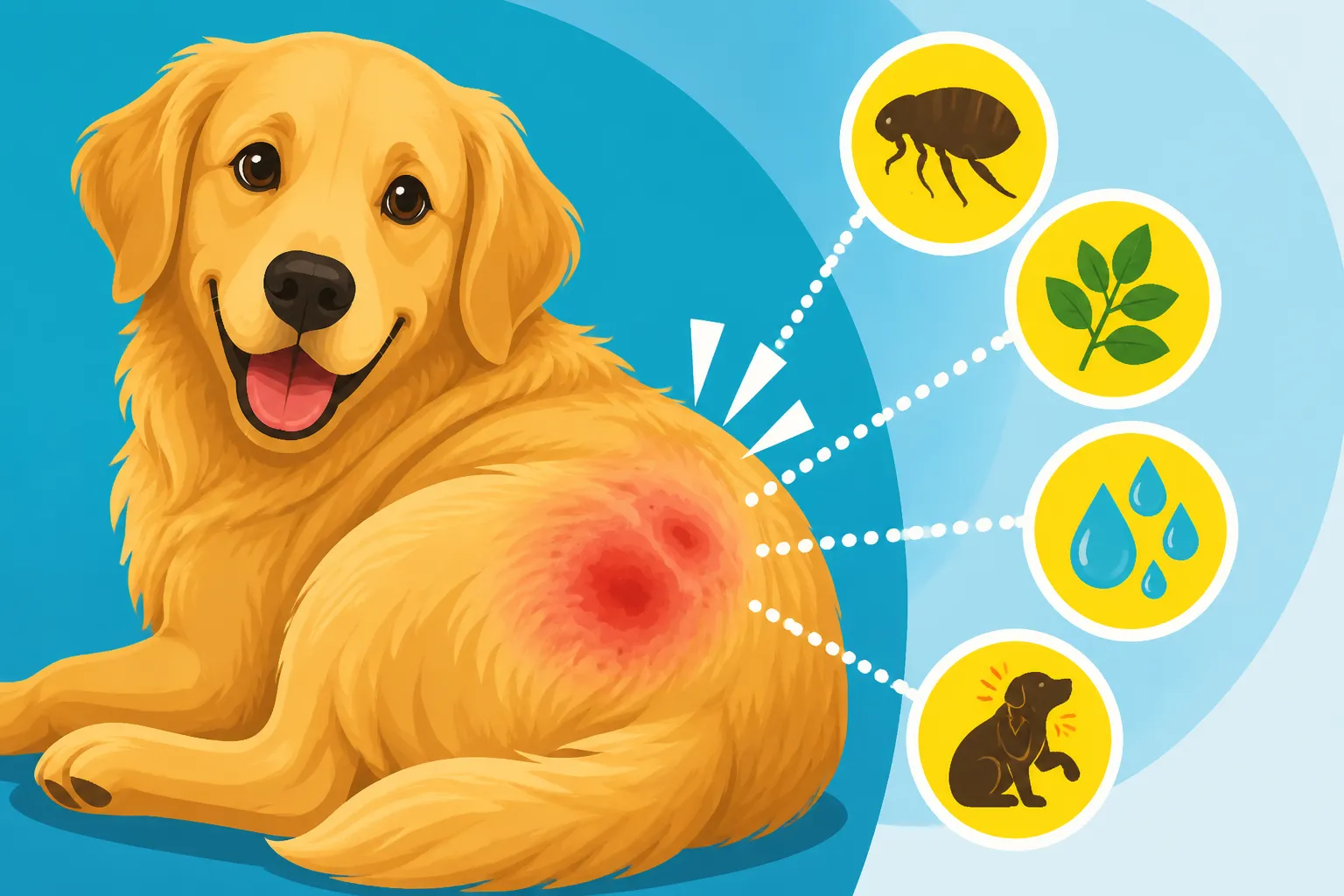
Golden Retriever Hot Spots and What Causes Them
There are few things as alarming for a Golden Retriever parent as finding a rapidly growing, oozing, and painfully red patch on their beloved dog's skin. These "hot spots," formally known as acute moist dermatitis, seem to appear out of nowhere, escalating from a tiny irritation to a significant problem overnight, causing immense discomfort for your furry friend. This guide will dive deep into what hot spots are, what triggers them, how to recognize them quickly, and most importantly, how to manage and prevent these frustrating skin lesions.
Understanding Hot Spots on Golden Retrievers
When you discover a hot spot on your Golden Retriever, it’s not just a surface irritation; it’s a localized skin infection that has erupted quickly and can be incredibly painful. The speed at which they develop can be truly shocking, leaving owners feeling helpless as they watch their dog suffer.
What Exactly is a Hot Spot?
Imagine a small itch or irritation – perhaps from a bug bite, a burr, or even just persistent dampness. A Golden Retriever, being a dog with a strong desire to relieve discomfort, will instinctively lick, chew, or scratch at that spot. This seemingly innocent act, however, is where the trouble begins. The trauma from the licking breaks the skin's protective barrier, introducing bacteria from the dog's mouth and environment. This creates a perfect storm: a warm, moist, damaged area where bacteria can multiply at an astonishing rate.
The term "hot spot" itself describes the inflamed, red, raw, and often oozy appearance of these lesions. They usually have a distinct, often circular or oval shape, with matted hair around the edges. The skin underneath is typically bright red, swollen, and can be covered in a sticky discharge. This discharge often dries into a crust, further trapping moisture and bacteria, perpetuating the cycle of irritation and infection. It's a localized explosion of infection and inflammation, and it smells terrible, too, thanks to the bacterial overgrowth.
The Rapid Development of Lesions
One of the most frustrating aspects of hot spots is their incredibly rapid onset. You might notice your Golden is fine in the morning, only to find a quarter-sized angry red lesion by lunchtime, which has expanded to the size of a golf ball by evening. This isn't an exaggeration; they truly can grow that fast. The constant licking, chewing, and scratching by your Golden only exacerbates the issue, spreading the bacteria and deepening the infection. What starts as a minor irritant quickly becomes an open wound, and the intense itch drives your dog to continue irritating it, creating a vicious cycle that's hard to break without intervention.
The moist environment created by the discharge and constant licking prevents the skin from healing, and the warmth of your dog's body only encourages bacterial proliferation. This rapid development is why quick identification and action are paramount. Delaying treatment, even by a few hours, can mean the difference between a small, manageable lesion and a widespread, deeply infected sore requiring more intensive veterinary care.
Why Golden Retrievers Are So Prone
Golden Retrievers, with their beautiful, dense double coats, are unfortunately prime candidates for hot spots. This isn't just bad luck; it's a combination of their genetics, coat type, and often their lifestyle. Their thick undercoat, designed to keep them warm and protect them, also becomes a fantastic incubator for moisture and bacteria when it gets wet and doesn't dry thoroughly. Think about a hot, humid summer day after a swim; if that undercoat stays damp, it's an invitation for trouble.
Beyond their coat, many Golden Retrievers are also predisposed to various allergies, which are often the initial spark for a hot spot. Whether it's environmental allergens like pollen, grass, or dust mites, or food sensitivities, an itchy Golden is a scratching Golden, and scratching inevitably leads to skin damage. Their loving and sometimes obsessive nature can also contribute; if they find a spot that provides even momentary relief through licking, they might not stop, turning a minor itch into a full-blown hot spot very quickly. This predisposition makes understanding "Golden Retriever Skin, Ear and Allergy Problems" crucial for any owner.
Primary Causes of Hot Spots in Golden Retrievers
Hot spots rarely appear without an underlying trigger. Identifying this root cause is essential for effective treatment and, more importantly, for preventing recurrence. Without addressing the primary issue, hot spots can become a chronic, frustrating problem for both you and your Golden.
Allergies: The Usual Suspect
For many Golden Retrievers, allergies are the silent culprit behind recurring skin issues, including hot spots. Whether it's atopy (environmental allergies), food allergies, or contact dermatitis, the fundamental problem is an immune system overreacting to otherwise harmless substances. This overreaction manifests as intense itchiness, leading your Golden to scratch, chew, and lick themselves incessantly.
Environmental allergies are incredibly common. Pollen from trees, grasses, and weeds, dust mites in the home, or even mold spores can cause widespread skin irritation. This generalized itchiness might lead your Golden to focus on a particular spot, like their hip or cheek, igniting a hot spot. Golden Retriever Paw Licking and Seasonal Allergies discusses how these environmental factors often trigger discomfort. Food allergies, while less common than environmental ones, can also cause persistent itching. Certain protein sources like chicken, beef, or dairy, or even grains, can trigger an allergic reaction in some dogs. If you suspect food allergies, an elimination diet can be very helpful, as detailed in Running an Elimination Diet for an Itchy Golden. The constant itch from allergies compromises the skin barrier, making it easier for bacteria to take hold once your Golden starts irritating the area.
Parasites: Fleas, Ticks, and Mites
Don't underestimate the power of tiny creatures to cause massive problems. Fleas, ticks, and various mites are notorious for triggering hot spots in Golden Retrievers. Even a single flea bite can cause an allergic reaction in a flea-sensitive dog, leading to intense itching that quickly escalates into a hot spot. The most common areas for flea-induced hot spots are around the base of the tail, inner thighs, and neck.
Ticks, while primarily vectors for disease, can also cause localized irritation that a dog might lick at, creating a wound. Mites, such as Sarcoptes (scabies) or Cheyletiella ("walking dandruff"), are microscopic terrors that burrow into or live on the skin, causing severe, generalized itchiness. This intense, widespread irritation often drives a dog to chew and scratch at specific areas, making them ripe for hot spot development. Regular, effective parasite control is not just about preventing diseases; it's a crucial line of defense against hot spots. Products discussed in Flea and Tick Products Safe for Goldens are essential for year-round protection.
Moisture Trapping in Their Thick Coat
The Golden Retriever's glorious double coat is a marvel of nature, providing insulation and protection. However, it also presents a significant challenge when it comes to moisture management. If your Golden loves to swim, gets caught in the rain, or even just takes a long drink of water and dribbles on their chest, that moisture can get trapped deep within their undercoat, especially if the air circulation is poor.
This damp, warm environment is a perfect breeding ground for bacteria and yeast, which thrive in such conditions. Combine this with the natural body heat of your Golden, and you have a literal Petri dish on their skin. The trapped moisture irritates the skin, leading to an initial itch that, when scratched or licked, breaks the skin and opens the door for infection. Areas like behind the ears, under the chin, the armpits, and around the tail are particularly vulnerable as they tend to stay damp longer and are often overlooked during drying. This makes thorough drying after any water exposure an absolute necessity.
Environmental and Behavioral Triggers
Beyond the direct causes, several environmental factors and behavioral patterns can significantly increase a Golden Retriever's risk of developing hot spots. These are often the "straw that breaks the camel's back," turning a minor irritation into a full-blown skin crisis.
Humidity and Heat
Summer, while often a favorite season for outdoor adventures with your Golden, is also prime hot spot season. The combination of high humidity and heat creates an environment where skin issues flourish. Hot, muggy weather can make a Golden Retriever's already thick coat feel oppressive, trapping heat and moisture against their skin. This perpetual dampness creates an ideal breeding ground for the bacteria and yeast that lead to hot spots. Imagine wearing a wet sweater in hot weather; it's uncomfortable, and the skin underneath gets macerated. The same principle applies to your Golden's coat.
Furthermore, high temperatures can exacerbate allergies, making your dog itchier than usual. The increased sweating and oil production from the skin in warmer weather can also contribute to a greasy, irritated coat that's more susceptible to bacterial overgrowth. Areas that are difficult to dry fully, like the dense fur around their neck, under their belly, or deep within their "feathering," are particularly vulnerable when humidity is high. Keeping your Golden cool and ensuring their coat is dry are crucial steps during warmer months.
Boredom, Stress, and Self-Trauma
Sometimes, a hot spot isn't just about an external irritant; it can be rooted in your Golden Retriever's emotional state. Goldens are intelligent, sensitive, and thrive on companionship and activity. A bored or stressed Golden can develop obsessive behaviors, including compulsive licking or chewing. This is a form of self-trauma, where the dog creates an irritation by repeatedly focusing on a spot, even if there wasn't an initial physical trigger.
For example, a Golden left alone for long periods without adequate mental or physical stimulation might turn to excessive licking as a coping mechanism. Changes in routine, separation anxiety, or even generalized anxiety can manifest as these compulsive behaviors. The constant licking creates friction, saliva introduces bacteria, and the skin barrier is quickly compromised, leading to a hot spot. It's a sad cycle where the dog tries to self-soothe but only makes things worse. Addressing their mental well-being and ensuring they get plenty of enrichment, as discussed in Mental Enrichment for a Bored Golden Retriever, can be a vital part of hot spot prevention.
Poor Grooming Habits
Proper grooming is more than just making your Golden look good; it's a critical component of their skin health. Neglecting regular grooming can directly contribute to hot spot development, especially for a breed with such a substantial coat. A matted coat, for instance, is a disaster waiting to happen. Mats trap moisture, dirt, and debris against the skin, creating perfect conditions for bacterial growth and irritation. These matted areas become localized humidity chambers.
Infrequent bathing or, conversely, bathing without thoroughly drying can also be problematic. While How Often to Bathe a Golden Retriever provides guidance, the key is the drying process. If the thick undercoat isn't completely dry after a bath or a swim, moisture lingers, leading to skin maceration and bacterial proliferation. Similarly, not brushing regularly means dead undercoat can accumulate, preventing air circulation and trapping moisture. Techniques for Brushing a Golden Retriever's Coat Properly and using Undercoat Rakes and Deshedding a Golden are not just for shedding management; they're essential for skin health, allowing the coat to breathe and reducing the likelihood of moisture-induced hot spots. Neglecting their ears, too, can lead to infections that your Golden will scratch at, sometimes leading to hot spots around the ear flap or neck. Cleaning a Golden Retriever's Ears Correctly is important here.
Recognizing the Early Signs and Rapid Progression
Early detection is your best weapon against hot spots becoming a full-blown crisis. Golden Retrievers are masters at hiding discomfort, but if you know what to look for, you can intervene before the situation spirals out of control.
Subtle Changes in Behavior
Your Golden Retriever might not scream "I have a hot spot!" but they will give you subtle clues if you're paying attention. The first sign often isn't visual; it's behavioral. You might notice an increase in licking, chewing, or scratching a specific area of their body, more intensely or frequently than usual. Perhaps they're constantly bothering their hip, their flank, or behind an ear. This focused attention on one spot, even if you can't see anything yet, is a major red flag.
They might also become restless, pacing, or unable to settle down because of the incessant itching. Some Goldens might even seem withdrawn or a little grumpy if the pain and irritation are significant. They might flinch or whine when you try to touch the affected area. Don't dismiss these changes as just "being a dog." If your Golden is fixated on a particular spot, investigate. Often, the skin damage is hidden beneath their thick fur, and you won't see it until you part the hair. Catching it when it's just a mild irritation can save a lot of pain and a trip to the emergency vet.
Visual Clues Under the Fur
Finding a hot spot early often requires a bit of detective work. You can't just glance at your Golden; you need to get your hands on them, part their fur, and really examine their skin, especially in areas prone to dampness or irritation. Start by gently running your hands over their entire body daily, feeling for any bumps, scabs, or areas of tenderness or excessive warmth.
When you suspect a spot, part the fur carefully. What you might initially see is just matted fur, often sticky or damp. Underneath this, you'll discover the classic hot spot: a raw, red, inflamed, moist lesion. It might be oozing a clear, yellowish, or pus-like discharge. The hair around the lesion will likely be matted to the skin by this exudate. The skin itself will appear angry, swollen, and can be quite painful to the touch. The rapid progression means that what starts as a tiny red bump can become a large, oozing wound in mere hours. Regular grooming sessions are perfect opportunities for these skin checks, allowing you to catch problems while they are still small.
The Smell You Can't Ignore
While visual signs are crucial, sometimes your nose will tell you there's a problem before your eyes do. Hot spots have a very distinct, often unpleasant odor. This smell is a tell-tale sign of bacterial and sometimes yeast infection thriving on the skin. It can be described as yeasty, musky, or even foul, indicating an active infection beneath the matted fur. If you're petting your Golden and catch an unusual smell coming from a particular area, especially if accompanied by any licking or scratching, it's time to investigate thoroughly.
This odor is a strong indicator that the hot spot has progressed beyond a simple irritation and is now a full-blown infection. It's a signal that the bacterial load is significant and medical intervention is likely needed to clear it up. Trust your instincts – if something smells "off," there usually is something off. This is a sign to skip the "wait and see" approach and take action, even if you haven't yet clearly seen the lesion.
Initial At-Home Care and When to See the Vet
Discovering a hot spot can be stressful, but knowing how to react immediately can make a significant difference in your Golden Retriever's comfort and recovery time. While some minor hot spots can be managed at home, understanding when professional veterinary help is essential is paramount.
First Aid Steps at Home
When you spot a hot spot, immediate action is crucial to halt its rapid progression. The very first step is to carefully trim the hair around and within the hot spot. This is vital for several reasons: it removes the matted, bacteria-laden hair, allows the skin to breathe, helps any topical treatments penetrate, and makes it easier to keep the area clean and dry. Use blunt-nosed scissors or electric clippers with a guard, being extremely careful not to cut the irritated skin. This can be painful, so a second person to help distract or gently restrain your Golden can be very useful.
Once the hair is trimmed, gently clean the area. You can use a mild antiseptic solution, like a diluted povidone-iodine solution (to the color of weak tea) or chlorhexidine rinse (often available at pet stores). Avoid alcohol, which can sting and dry out the already sensitive skin. Pat the area dry thoroughly with a clean cloth or paper towel. The goal is to keep the area as clean and dry as possible to discourage bacterial growth. Preventing further licking is also key, which often means an Elizabethan collar (E-collar or "cone of shame") will be necessary. This might be inconvenient, but it's non-negotiable for healing.
Over-the-Counter Options
For very small, superficial hot spots caught early, there are some over-the-counter topical treatments that can offer relief. Look for sprays or creams containing hydrocortisone to reduce inflammation and itching, and antiseptics like chlorhexidine or benzalkonium chloride to kill bacteria. Brands like Zymox or Vetericyn are often recommended for their gentle yet effective formulations. Some products may also contain lidocaine to provide a numbing effect, which can help break the itch-lick cycle. Always read labels carefully and ensure the product is safe for dogs.
However, be cautious. Many human topical creams are not suitable for dogs, and some can even be toxic if licked. The effectiveness of OTC treatments hinges on consistent application and preventing your Golden from licking the product off. Again, an E-collar is usually necessary. If you've tried these for a day or two and see no improvement, or if the hot spot continues to grow, it's time to seek veterinary attention. This table summarizes common causes and what you might see:
| Cause | Common Location(s) | Appearance | Associated Symptoms |
|---|---|---|---|
| Allergies | Flanks, hips, inner thighs, paws, ears, face | Red, inflamed, oozy, crusty | Intense generalized itching, ear infections, paw licking |
| Fleas/Parasites | Base of tail, inner thighs, neck | Highly localized, red, often scabby | Flea dirt, visible fleas/ticks, obsessive scratching |
| Moisture/Humidity | Neck, behind ears, under chin, armpits, tail base | Raw, wet, oozing, foul-smsmelling | Matted hair, damp coat, seasonal occurrence |
| Boredom/Stress | Legs, paws, flank (areas easily reached) | Self-inflicted, often symmetric, thickened skin (chronic) | Licking at nothing, anxiety, destructive behavior |
| Poor Grooming/Mats | Areas with dense, matted fur (armpits, behind ears) | Irritated skin under mats, potentially infected | Unkempt coat, tangles, tenderness when brushed |
When a Vet Visit Becomes Critical
While home care can be a good first response, many hot spots, especially those on Golden Retrievers, require professional veterinary intervention. You should absolutely see a vet if:
- Rapid Progression or Large Size: If the hot spot is growing quickly, is larger than a quarter, or has multiple lesions.
- Deep Infection or Pus: If the area is oozing thick pus, has a very foul odor, or the skin appears deeply damaged.
- Severe Pain: If your Golden is extremely painful, refuses to let you touch the area, or is showing signs of systemic illness (lethargy, fever).
- No Improvement: If after 24-48 hours of diligent home care, the hot spot isn't showing signs of improvement or is worsening.
- Recurring Hot Spots: If your Golden gets hot spots frequently, it signals an unaddressed underlying cause that needs diagnosis.
A vet can properly diagnose the extent of the infection, often prescribe oral antibiotics to clear up the bacterial infection, anti-inflammatory medications (like steroids) to reduce pain and swelling, and stronger topical treatments. They can also help identify and address the underlying cause, whether it's allergies, parasites, or another issue. Don't hesitate to visit your vet. While vet bills can be a concern, comprehensive pet insurance plans, like those offered by Healthy Paws, can significantly ease the financial burden of unexpected health issues like recurrent hot spots or more serious conditions such as Cancer in Golden Retrievers and Why the Breed Is Hit Hardest. Considering the frequency of vet visits needed for conditions like hot spots, understanding Why Goldens Need Vet Visits Twice a Year is also important.
Preventing Future Hot Spots
The best treatment for hot spots is prevention. Given how uncomfortable and frustrating they are, investing time in preventive measures is always worthwhile for your Golden Retriever. This involves a multi-pronged approach, focusing on grooming, allergy management, and parasite control.
Consistent Grooming and Drying Routines
Regular, thorough grooming is perhaps the most critical preventive measure for Golden Retrievers. Their beautiful double coat needs diligent care to prevent moisture trapping and matting. This means brushing your Golden several times a week, and especially after outdoor adventures, to remove loose hair, dirt, and debris. Pay particular attention to areas prone to matting like behind the ears, armpits, and their "feathering" on legs and tail. This helps maintain good air circulation against the skin.
After any bath, swim, or getting caught in the rain, drying your Golden Retriever completely is non-negotiable. Towel drying is a start, but for their thick undercoat, a high-velocity dog dryer is ideal. If you don't have one, ensure you're spending ample time with towels and encouraging them to air dry in a warm, low-humidity environment. Focus on getting down to the skin. This diligent drying prevents the warm, damp conditions that bacteria and yeast love. Remember, a dry coat is a healthy coat. Proper coat maintenance, as described in Grooming a Golden Retriever's Double Coat, is foundational.
Effective Allergy Management
If your Golden Retriever is prone to hot spots, allergies are a likely culprit, and managing them effectively is crucial for prevention. This might involve a combination of strategies. For environmental allergies, regular bathing with a hypoallergenic shampoo can help wash away allergens from their coat. Your vet might also recommend antihistamines or omega-3 fatty acid supplements to support skin health and reduce inflammation. For more severe cases, prescription medications like Apoquel or Cytopoint can significantly reduce itching and improve quality of life.
If food allergies are suspected, working with your vet on an elimination diet and then a novel protein or hydrolyzed protein diet is key. This process, as mentioned in Running an Elimination Diet for an Itchy Golden, helps pinpoint and then avoid the specific dietary triggers. Managing allergies is often a lifelong commitment, but it's one that can drastically reduce the incidence of hot spots and improve your Golden's overall well-being. Finding a proactive veterinarian who understands "Golden Retriever Food and Skin Allergies" will be an invaluable partner in this journey.
Year-Round Parasite Control
It cannot be stressed enough: consistent, year-round parasite prevention is vital. Flea bites are a leading cause of the initial itch that can quickly escalate into a hot spot, especially for Golden Retrievers with flea allergy dermatitis. Ticks and mites also cause significant irritation. Don't wait until you see fleas or ticks; by then, the infestation is already established, and your Golden may already be suffering.
Consult your veterinarian about the best broad-spectrum parasite prevention for your specific area and your Golden's lifestyle. There are many effective options available, including oral medications and topical treatments, that protect against fleas, ticks, and often heartworms and intestinal parasites. Products like Bravecto, NexGard, Simparica, or Credelio are commonly prescribed. Even indoor dogs can get fleas, as parasites can hitchhike into your home on other pets or even on your clothes. Keeping your Golden on a consistent schedule, as outlined in Golden Retriever Vaccination Schedule for general health, and extending that to parasite control, will significantly reduce the risk of a hot spot developing from a pesky bite. And remember, when unforeseen issues like severe flea infestations or their resulting hot spots occur, having pet insurance from providers like Healthy Paws can provide financial assistance for treatments.
Disclaimer
The information provided in this guide is for informational purposes only and does not constitute veterinary medical advice. Always consult with a qualified veterinarian for any health concerns or before making any decisions about your Golden Retriever's medical care.