Getting an Overweight Golden Retriever Back Down
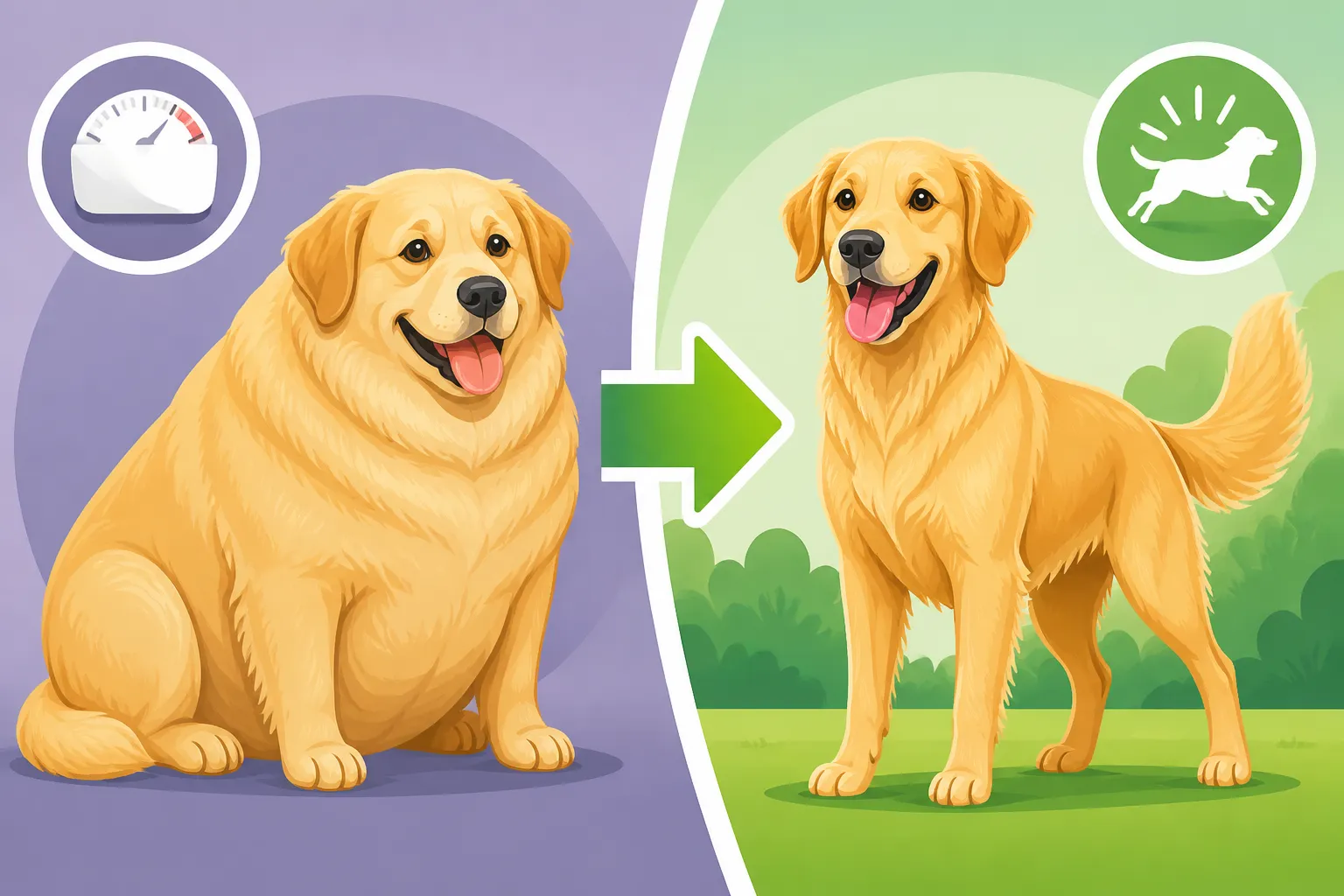
It’s truly disheartening to watch your once playful, energetic Golden Retriever start to slow down, pant heavily after short walks, or struggle to get up on the couch. Often, these subtle shifts are red flags signaling that your beloved companion has put on more weight than is healthy, and it's a frustration many of us face as our Goldens age or our routines change. This comprehensive guide will compassionately walk you through understanding why your Golden might be gaining weight, how to accurately assess their body condition, and most importantly, how to safely and effectively help them shed those extra pounds and reclaim their joyful, active life.
The Silent Dangers of Extra Weight for Your Golden Retriever
It’s easy to let a few extra pounds creep onto our Goldens. They’re masters of those soulful eyes at the dinner table, and their enthusiasm for treats can be incredibly hard to resist. But what might seem like a little extra fluff can actually have profound and serious health implications for your Golden Retriever, far beyond just slowing them down. This isn't just about aesthetics; it's about their quality of life and how long they can truly be with us.
How Excess Weight Strains Their Body
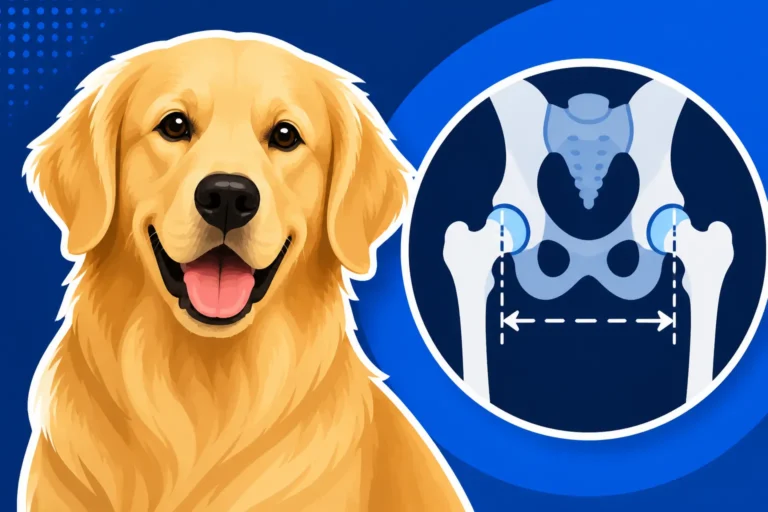
Every extra pound your Golden carries puts undue stress on their skeletal system, particularly their hips, elbows, and spine. This is especially critical for a breed already predisposed to conditions like hip and elbow dysplasia. Imagine carrying a backpack filled with bricks all day, every day – that's what those extra pounds feel like to your dog's joints. Over time, this constant pressure accelerates the wear and tear on cartilage, leading to inflammation and painful arthritis much earlier than it would otherwise develop. It’s a vicious cycle: pain leads to less movement, which leads to more weight gain, exacerbating the pain even further. We often see heartbreaking cases where what started as a slight weight issue turns into significant mobility problems, severely impacting a dog's ability to play, walk, and even just get comfortable. The long-term effects of this added strain can be devastating, significantly impacting a Golden's mobility and happiness. It’s a tough truth to face, but one that highlights the urgency of addressing weight concerns. You might want to learn more about Golden Retriever Weight and Joint Damage.
Increased Risk for Serious Health Conditions
Beyond joint problems, carrying excess weight significantly elevates your Golden Retriever's risk for a whole host of other serious health conditions. Obesity in dogs is linked to a higher incidence of heart disease, respiratory issues (making even mild exercise difficult), and certain types of cancer, which our breed is already tragically prone to. A heavier Golden is also at a greater risk for conditions like diabetes and pancreatitis, which can require lifelong management and costly veterinary care. Think about how much harder their heart has to work to pump blood through a larger body, or how their lungs struggle with the increased pressure on their chest cavity. Even something as common as heat intolerance becomes more dangerous for an overweight Golden, as their body struggles to regulate temperature. These are not minor concerns; they can dramatically shorten your Golden's time with you. This is why understanding How Extra Weight Shortens a Golden Retriever's Life is so crucial for every owner.
Accurately Assessing Your Golden's Body Condition
Before you can even begin to think about a weight loss plan, you need to know where your Golden stands. What might look "normal" to a loving owner can often be a few pounds overweight, especially given how common it is to see slightly hefty dogs around us. It’s not about comparing your Golden to a picture on a dog food bag; it’s about understanding their unique body structure.
The Importance of the Body Condition Score
Veterinarians use something called a Body Condition Score (BCS), typically on a 1-to-9 scale (with 1 being emaciated and 9 being morbidly obese, and 5 being ideal). This isn't just a number; it's a standardized way to assess how much fat your dog is carrying and helps guide conversations about their health. Many owners are surprised when their vet points out areas where their Golden is carrying extra weight, because they genuinely didn't realize it was a problem. A good BCS helps you visualize where your dog should be, and it's a fantastic tool to track progress.
Here’s a simplified breakdown to help you get started:
| Score | Description | Appearance for a Golden Retriever |
|---|---|---|
| 1-3 | Underweight | Ribs, spine, and pelvic bones very prominent. No fat visible or palpable. Severe waist tuck. Muscle loss evident. (Rarely seen in pet Goldens unless underlying illness). |
| 4 | Slightly Underweight | Ribs easily felt, minimal fat covering. Waist and abdominal tuck visible. |
| 5 | Ideal Weight | Ribs easily felt without excess fat covering. Waist observed behind ribs when viewed from above. Abdominal tuck present when viewed from side. Muscle mass is good. This is what you're aiming for! |
| 6 | Slightly Overweight | Ribs palpable with slight excess fat covering. Waist discernible but not prominent. Abdominal tuck still present, but less defined. Often described as "a little fluffy." |
| 7 | Overweight | Ribs difficult to feel under moderate fat covering. Obvious fat deposits over lumbar area and base of tail. Waist absent or barely visible. No abdominal tuck. Belly appears rounded. |
| 8-9 | Obese | Ribs very difficult to feel under heavy fat covering. Extensive fat deposits over chest, spine, and base of tail. Waist absent, prominent abdominal distention. Massive fat deposits on neck and limbs. Significantly reduced mobility. |
Hands-On Assessment: Feeling for Ribs and Waistline
Beyond just looking at your Golden, you need to get hands-on. Start by gently running your hands along their sides. Can you easily feel their ribs without pressing hard? If you have to really push to feel them, or if it feels like there's a thick cushion over them, your Golden is likely carrying too much weight. An ideal weight Golden will have ribs that feel like the back of your hand, not your knuckles (too thin) or your palm (too fat).
Next, look down at your Golden from above while they’re standing. Do they have a noticeable "waist" — an indentation between their rib cage and their hips? Or do they look more like a straight line or even wider at the hips? From the side, check for an abdominal tuck; their belly should gently slope upwards from their chest to their hind legs, not sag or hang low. These tactile and visual cues are key indicators. Learning how to accurately gauge Feeling a Golden Retriever's Ribs the Right Way is a skill every Golden owner should master. It's not about being harsh; it's about being observant and realistic for their health.
Crafting a Realistic Weight Loss Plan for Your Golden
Once you’ve identified that your Golden Retriever needs to shed some pounds, it’s time to put a plan into action. This isn't about crash dieting or extreme exercise, which can be dangerous for them. It's about making sustainable, healthy changes that will lead to gradual, lasting weight loss.
Dietary Adjustments: Quality Over Quantity
The cornerstone of any weight loss plan for a Golden Retriever starts in the food bowl. It’s not just about cutting back; it’s about making smart choices. Many owners inadvertently overfeed their Goldens, often by just a little bit each day, which accumulates over weeks and months. Start by accurately measuring your Golden's food. Don't guess. Use a dedicated measuring cup, not a coffee mug. Your veterinarian is your best resource here; they can calculate the precise caloric intake your Golden needs to safely lose weight, taking into account their current weight, ideal weight, and activity level. This might mean switching to a high-quality, lower-calorie "light" or "weight management" dog food. These formulas are designed to provide essential nutrients while reducing overall calories, and often include higher fiber content to help your dog feel fuller.
Beyond kibble, seriously re-evaluate treats. Those extra biscuits, cheese cubes, or pieces of human food add up quickly. Consider swapping high-calorie treats for healthier, low-calorie options like small pieces of plain cooked chicken, carrots, green beans, or blueberries. Make sure any human foods are safe for dogs. And don't forget training treats! If you're doing a lot of training, those tiny morsels can still contribute. Reducing or eliminating table scraps is also non-negotiable. It’s hard to resist their pleading eyes, but you’re doing them a disservice by giving in. Consistency is absolutely key here. Even small deviations can derail progress. For more specific guidance, discussing Golden Retriever Food and Skin Allergies with your vet can also help ensure their new diet doesn't trigger other sensitivities.
Increasing Activity Levels Safely
Exercise is the second pillar of weight loss, but it needs to be introduced gradually, especially if your Golden is significantly overweight or has existing joint issues. Jumping straight into intense runs can do more harm than good, potentially causing injury or exacerbating conditions like arthritis. Start with what they can comfortably do and build from there. Daily walks are a fantastic starting point. A brisk, consistent 20-30 minute walk, twice a day, can make a huge difference. As your Golden loses weight and their stamina improves, you can gradually increase the duration and intensity.
Consider activities that are gentle on their joints, such as swimming. Most Goldens adore water, and swimming provides an excellent full-body workout without the impact of running. Even playing fetch in a soft grass field for short periods can contribute to calorie burning. The key is consistency and making exercise fun, not a chore. If your Golden is showing signs of discomfort or pain during exercise, such as limping or lagging, stop and consult your vet. They might recommend supplements or pain management to help them move more comfortably. Understanding Daily Walk Length for a Golden Retriever and Exercise a Golden Retriever Needs Each Day will be instrumental in creating an appropriate plan. Remember, even short, frequent bursts of activity are better than none at all.
The Crucial Role of Your Veterinarian
Your veterinarian is your most important partner in your Golden Retriever’s weight loss journey. Before making any significant changes to their diet or exercise routine, schedule a check-up. Your vet will perform a thorough physical examination, assess their current Body Condition Score, and rule out any underlying medical conditions (like hypothyroidism, which can cause weight gain) that might be contributing to the problem. They can help you set realistic weight loss goals and a timeline, typically aiming for a safe loss of 1-2% of body weight per week.
Your vet can also provide a precise caloric target and recommend specific food types that are suitable for weight loss. They can suggest appropriate exercise levels based on your Golden's age, current fitness, and any existing health issues. Regular weigh-ins at the vet's office are also incredibly helpful for tracking progress and making necessary adjustments to the plan. Don't underestimate the value of these regular visits; they're not just for emergencies. In fact, Why Goldens Need Vet Visits Twice a Year is a great article that expands on the importance of these routine check-ups. Having an open dialogue with your vet ensures the plan is tailored, safe, and effective for your individual Golden. Plus, if any complications arise from their weight, such as exacerbated arthritis or new health issues, having pet insurance like a policy from Healthy Paws can provide immense financial relief, ensuring you can afford the best care without undue stress.
Maintaining a Healthy Weight for Life
Achieving a healthy weight for your Golden Retriever is a huge accomplishment, but the journey doesn't end there. Maintaining that ideal weight is a lifelong commitment, requiring continued vigilance and consistent healthy habits. It’s about building a lifestyle that supports their well-being for years to come.
Long-Term Dietary Strategies
Once your Golden reaches their ideal weight, your vet will help you transition them to a maintenance diet. This usually means gradually increasing their food intake slightly from the weight-loss portion, but it’s still critical to measure accurately and avoid overfeeding. Many people get complacent once the weight is off, and that’s when pounds can start to creep back on. Continue to be mindful of treats, opting for low-calorie options and factoring them into their daily caloric intake. If you're using training treats, consider very small, easily breakable ones or portions of their regular kibble.
Keep an eye on their body condition by regularly performing the rib and waistline checks. If you notice them starting to gain a little bit, it’s much easier to address a couple of pounds quickly than to let it snowball into a significant weight problem again. Think of it as a constant calibration, always adjusting slightly to keep them in that ideal range. This might mean adjusting the type of food, or seeking out options recommended by nutrition experts. Always remember the goal: helping your Golden live a long, happy life, and a significant part of that is maintaining their Golden Retriever Ideal Weight by Sex.
Sustaining an Active Lifestyle
An active lifestyle isn't just for weight loss; it’s essential for your Golden Retriever's overall physical and mental health. Continue with regular, engaging exercise sessions. This could mean varied walks in different locations, trips to a dog-friendly park (if they are well-socialized), or continued swimming. The beauty of a Golden at a healthy weight is that they can often enjoy a wider range of activities without pain or excessive fatigue.
For older Goldens, maintaining activity is even more crucial for managing conditions like Golden Retriever Arthritis and Joint Decline. This might mean shorter, more frequent walks, gentle swimming, or even canine physical therapy to keep their joints mobile. Remember, a fit Golden is a happy Golden. If you have an older companion, strategies for Slowing Arthritis Down in an Older Golden Retriever become vital. Staying active keeps their muscles strong, supports joint health, and provides valuable mental stimulation. If your Golden is diagnosed with a chronic condition related to their weight, having a robust pet insurance plan like those offered by Healthy Paws can be incredibly beneficial, helping to cover ongoing treatments and specialist visits.
Avoiding Common Pitfalls and Seeking Support
One of the biggest pitfalls in weight management is becoming complacent. Life gets busy, routines change, and it’s easy to slip back into old habits. Be aware of external factors: a new treat from a well-meaning neighbor, extra food during holidays, or a prolonged period of bad weather that limits outdoor activity. Have a plan for these eventualities. If you know a big family gathering is coming up, prepare healthy dog-safe snacks in advance. If winter weather limits walks, brainstorm indoor games and mental enrichment activities to keep them moving and engaged.
Don't be afraid to seek support. Your vet is always there, but you can also connect with other Golden Retriever owners who have been through similar journeys. Online forums or local dog groups can offer encouragement, share tips for healthy treats, or even organize group walks. Celebrating small victories along the way can also keep motivation high. It’s a marathon, not a sprint, and there will be ups and downs. But with consistent effort, informed choices, and the loving support of your vet and community, you can ensure your Golden Retriever enjoys a long, healthy, and happy life at their ideal weight.
Disclaimer
Please remember that the information provided in this guide is for general informational purposes only and does not constitute veterinary advice. Always consult with a qualified veterinarian regarding your Golden Retriever's specific health needs, weight management plan, and any medical conditions. They are the best resource for personalized care.