Ear Infections in Floppy-Eared Goldens
There's nothing quite as frustrating as watching your beloved Golden Retriever constantly shake their head, scratch at their ears, and generally look uncomfortable, all while a less-than-pleasant odor wafts from their sweet face. Ear infections are a recurring nightmare for many Golden owners, leading to endless vet visits and persistent worry. This comprehensive guide is here to shed light on why your floppy-eared friend seems to be a magnet for these issues, how to spot the early signs, and most importantly, how to effectively prevent and treat them.
Why Golden Retrievers Are Prone to Ear Infections
It often feels like Goldens have a target on their backs when it comes to ear infections, and it's not just bad luck. Their unique anatomy and lifestyle choices, like their undeniable love for water, set them up for these common ailments. Understanding these underlying factors is the first step toward better prevention.
The Anatomy of a Floppy Ear
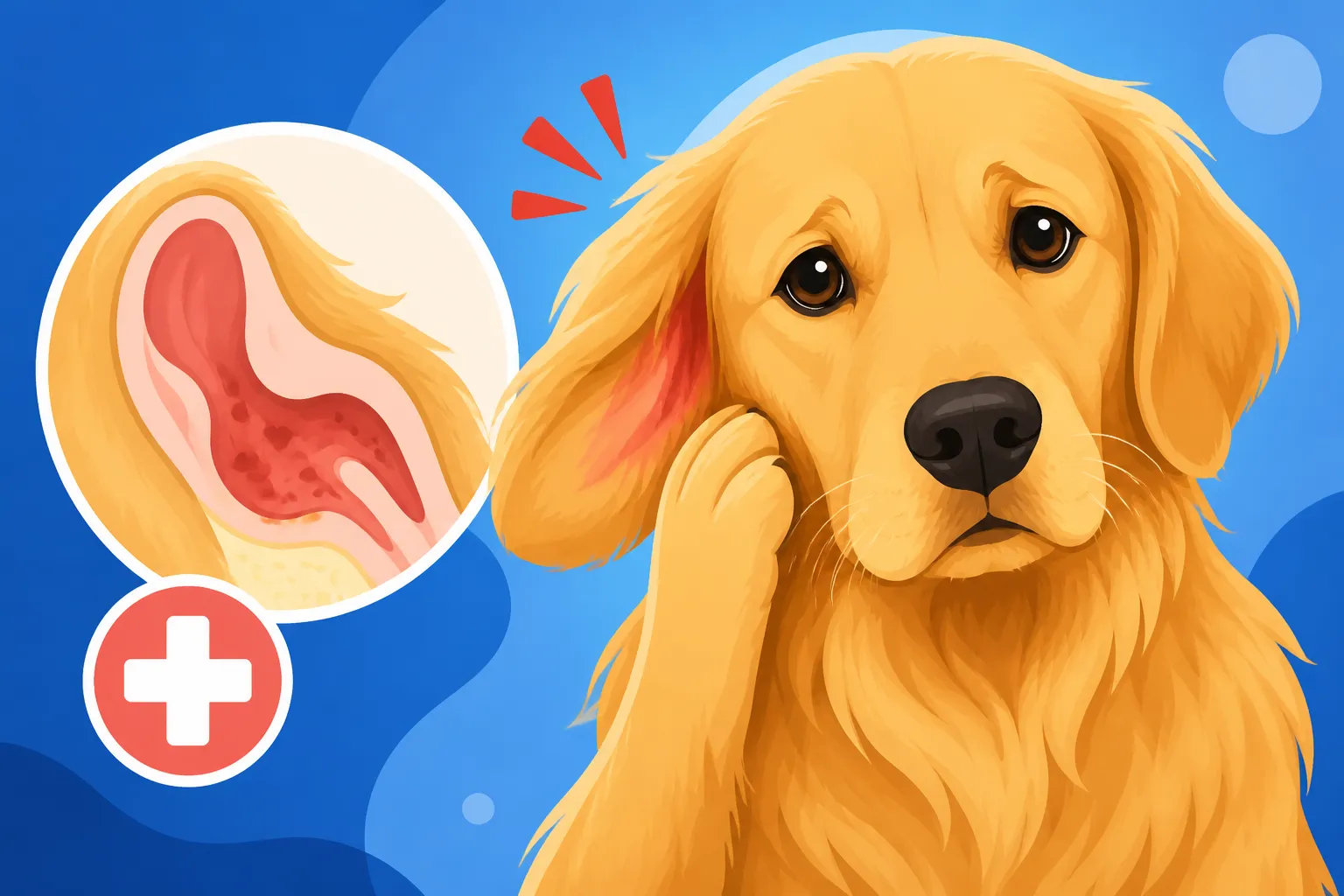
Take a moment to peek inside your Golden's ear (if they'll let you!). What you'll notice right away is that their ear canal isn't a straight shot like a human's. Instead, it makes an L-shaped bend, delving deep into the head before reaching the eardrum. This structure, combined with the heavy, floppy ear flap that covers the opening, creates a perfect storm for trouble.
This design severely limits airflow, turning the ear canal into a warm, dark, and often humid environment. Think of it like a miniature greenhouse, but instead of plants, it's cultivating an ideal breeding ground for bacteria and yeast. Without proper ventilation, moisture gets trapped, debris accumulates, and any minor imbalance can quickly escalate into a full-blown infection. It's a design flaw, in a way, that our sweet Goldens have to live with, making them more susceptible than breeds with upright ears.
Underlying Allergy Issues
For many Golden Retrievers, an ear infection isn't the primary problem; it's a secondary symptom of a much larger underlying issue: allergies. Just like people can get itchy eyes or a runny nose from allergens, dogs often manifest their allergies through their skin, and the lining of the ear canal is essentially specialized skin. When a Golden is exposed to something they're allergic to, whether it's pollen, dust mites, or a food ingredient, their immune system overreacts, causing widespread inflammation.
This inflammation within the ear canal makes the skin red, swollen, and itchy, changing the microenvironment and making it much easier for opportunistic bacteria and yeast to take hold and proliferate. You might find yourself constantly battling ear infections, only for them to return shortly after treatment, because the root cause – the allergy – hasn't been addressed. This is a common part of the broader issue of Golden Retriever Skin, Ear and Allergy Problems. Recognizing that recurrent ear infections are often a "canary in the coal mine" for allergies is crucial for long-term management.
Moisture and Water Exposure
If there's one thing most Golden Retrievers adore, it's water. Whether it's a romp in the lake, a swim in the ocean, a splash in the backyard kiddie pool, or even just a routine bath, Goldens are happiest when wet. While this enthusiasm for water is part of their charm and heritage, it's also a major contributing factor to their ear infection woes.
When water enters the ear canal and gets trapped, it creates a wonderfully moist environment where bacteria and yeast thrive. Even if your Golden doesn't swim, a humid day or inadequate drying after a bath can be enough to trigger an issue. This is especially true for dogs with already inflamed ear canals due to allergies. The water washes away beneficial cerumen (ear wax) and natural protective oils, leaving the ear canal vulnerable. This is why you'll find that many Goldens experience an increase in ear problems during swimming season or after they've had a particularly enthusiastic puddle-jumping session.
Recognizing the Signs of an Ear Infection in Your Golden
As a loving Golden owner, you know your dog's quirks and habits better than anyone. Being attuned to subtle changes in their behavior can be the key to catching an ear infection early, before it becomes a deeply painful and more complicated problem. Don't wait for obvious discharge; often, the first signs are behavioral.
Behavioral Clues
One of the most immediate and noticeable signs that something is amiss with your Golden's ears is a change in their behavior. You might start seeing them shake their head frequently, sometimes with such vigor that their floppy ears slap against their skull. This isn't just a quirky habit; it's often an attempt to dislodge foreign material or relieve discomfort deep within the ear. Similarly, persistent scratching at the affected ear, sometimes to the point of breaking the skin around the ear flap, is a red flag.
Beyond direct ear manipulation, you might observe your Golden rubbing their ears against furniture, the carpet, or even your leg, trying desperately to find relief from the itch or pain. If you try to touch their head or ears, especially near the base, they might flinch, whine, or even snap, which is completely out of character for such a normally tolerant breed. Some Goldens might even become more withdrawn, less playful, or irritable if the pain is significant. These are their ways of telling you, "Hey, something really hurts here!"
Physical Symptoms to Look For
While behavioral cues are often the first indicator, a quick visual and olfactory inspection can confirm your suspicions. Carefully lift your Golden's ear flap and take a good look and sniff. A healthy Golden Retriever ear should be clean, pale pink, and free of strong odors. When an infection is brewing, this changes dramatically.
You might see redness and swelling, particularly around the entrance to the ear canal, and sometimes even down the inside of the ear flap itself. The skin might appear thickened or crusty. Perhaps the most tell-tale sign is an unusual odor. A bacterial infection might smell foul or sour, while a yeast infection often has a distinctive "yeasty" or sweet smell, sometimes described as smelling like old bread or corn chips. Finally, inspect for discharge. This can vary in color and consistency: dark brown and waxy usually points to yeast or mites, while yellow or greenish, pus-like discharge is typically bacterial. Catching these physical signs early can help you seek treatment promptly, and learning how often Golden Retrievers get ear infections makes you a more vigilant owner.
Common Culprits: Bacteria, Yeast, and Mites
When your Golden develops an ear infection, it's usually caused by an overgrowth of microorganisms that are normally present in small numbers in the ear canal. The key is to figure out which specific culprit (or culprits) is causing the problem, as treatment strategies differ greatly. A proper diagnosis from your vet is essential here, as guessing can lead to prolonged discomfort and even resistance to medication.
Bacterial Infections
Bacterial ear infections, medically known as bacterial otitis externa, are very common in Golden Retrievers, especially when there's an underlying issue like allergies or excessive moisture. These infections often present with a noticeably strong, sometimes foul or pungent odor, and the discharge tends to be yellow, green, or thick and pus-like. Common bacteria involved include Staphylococcus and Pseudomonas. Pseudomonas infections, in particular, can be very painful and difficult to treat, sometimes requiring aggressive and long-term medication.
Treating bacterial infections effectively requires identifying the specific bacteria involved through cytology (looking at a swab under a microscope) or, in recurrent or resistant cases, a bacterial culture and sensitivity test. This test helps the vet determine which antibiotics will be most effective against that particular strain. Topical antibiotic drops are typically prescribed, but for severe or deep-seated infections, oral antibiotics might be necessary. It's crucial to complete the full course of medication, even if the ear looks better after a few days, to prevent recurrence and antibiotic resistance.
Yeast Infections
Yeast infections, caused by the organism Malassezia pachydermatis, are another frequent visitor in Golden Retriever ears. These infections often accompany bacterial infections, especially in allergic dogs. You'll likely notice a distinctive "yeasty" or sweet smell coming from the ear, often described by owners as smelling like corn chips or old socks. The discharge associated with yeast is typically dark brown, waxy, and sometimes appears crumbly, resembling coffee grounds.
Like bacteria, Malassezia yeast is a normal inhabitant of the ear, but when conditions are right – warm, moist, inflamed from allergies – it can overgrow. Treatment for yeast infections involves antifungal medications, usually in the form of topical ear drops or ointments. In severe cases, or if the infection is particularly stubborn, your veterinarian might prescribe oral antifungal medications. Identifying and addressing any underlying allergies is particularly important for preventing recurrent yeast infections, as they thrive on inflamed skin.
Ear Mites
While less common in adult Golden Retrievers who are well-cared for and on regular parasite prevention, ear mites (Otodectes cynotis) are a highly contagious and uncomfortable problem, especially for puppies or Goldens who have been in close contact with other infected animals. These tiny parasites live on the surface of the ear canal lining, feeding on skin debris and causing intense irritation.
The tell-tale sign of ear mites is often a dark, dry, crumbly discharge that looks very much like coffee grounds. Dogs with ear mites will typically scratch relentlessly at their ears, sometimes causing secondary bacterial infections due to trauma to the skin. Your veterinarian can easily diagnose ear mites by examining a sample of the ear discharge under a microscope. Treatment involves specific ear drops that kill the mites, and often a thorough cleaning to remove the debris. Because they are so contagious, all pets in the household usually need to be treated, and it's wise to ensure your Golden is on a comprehensive parasite preventative to avoid these pesky critters.
Diagnosis and Treatment from Your Veterinarian
When you suspect an ear infection, a trip to the veterinarian is non-negotiable. Trying to treat it yourself with home remedies can not only prolong your Golden's discomfort but also make the infection worse or mask the true underlying cause. A proper diagnosis is essential for effective treatment and long-term relief.
The Vet Examination and Diagnostics
Upon arrival, your vet will perform a thorough physical examination, paying special attention to your Golden's ears. They'll start by looking at the outer ear flap and the entrance to the ear canal. Next, they'll use an otoscope – a special instrument with a light and magnifying lens – to carefully look down into the ear canal and check the eardrum. This helps them assess the severity of inflammation, presence of discharge, and rule out foreign bodies or polyps.
The most crucial step in diagnosis is typically an ear cytology. This involves taking a small swab of the discharge from deep within the ear canal, rolling it onto a slide, staining it, and examining it under a microscope. This allows the vet to identify whether bacteria, yeast, or ear mites are present, and often gives clues as to the type of bacteria. For chronic or recurrent infections, especially those not responding to initial treatment, your vet might recommend a bacterial culture and sensitivity test. This test grows the bacteria in a lab and then tests different antibiotics against it to find the most effective one. Understanding these steps is key to managing Vet Costs for a Golden Retriever Ear Infection, as diagnostics are an important part of the overall expense.
Treatment Approaches
Once the culprit (or culprits) has been identified, your veterinarian will prescribe a specific treatment plan. The first step often involves a thorough ear cleaning, sometimes performed by the vet themselves, especially if there's a lot of debris or if your Golden is in significant pain. This removes the discharge and allows the medications to penetrate better.
Medications typically come in the form of topical ear drops or ointments, which contain antibiotics, antifungals, or anti-inflammatory steroids, often in combination. For severe infections, particularly those involving the middle ear or cases with a resistant bacterial strain, oral antibiotics or antifungals may be prescribed. It's incredibly important to follow your vet's instructions precisely regarding dosage and duration. Even if your Golden's ears look and smell better after a few days, finishing the entire course of medication is vital to completely clear the infection and prevent a quick relapse. Alongside treatment, your vet will discuss strategies for addressing any underlying causes, such as allergies, to minimize future occurrences.
Proactive Prevention Strategies
The old adage "an ounce of prevention is worth a pound of cure" couldn't be more true when it comes to Golden Retriever ear infections. While you can't completely eliminate the risk due to their ear anatomy and love for water, you can significantly reduce the frequency and severity of these frustrating issues with a consistent, proactive approach.
Routine Ear Cleaning Techniques
Establishing a routine ear cleaning schedule is one of the most effective preventive measures. The goal isn't to sterilize the ear, but to remove excess wax, debris, and moisture that can contribute to infection. Your veterinarian can recommend a high-quality, vet-approved ear cleaner, often one that contains drying agents to combat moisture. Avoid using alcohol, hydrogen peroxide, or other harsh chemicals, as these can irritate the delicate lining of the ear canal.
To clean your Golden's ears, gently pull back the ear flap, apply a generous amount of cleaner directly into the ear canal until it's full, and then massage the base of the ear for 20-30 seconds. You'll hear a squishy sound as the liquid breaks up debris. Allow your Golden to shake their head (have a towel ready!), and then use a cotton ball or gauze to gently wipe away any visible cleaner and debris from the outer ear and the folds of the ear flap. Never use cotton swabs deep inside the ear canal, as this can push debris further down or even damage the eardrum. For detailed guidance, check out our post on Cleaning a Golden Retriever's Ears Correctly. The frequency of cleaning depends on your individual dog – some might need it once a week, others every two weeks, or even monthly, especially if they have allergies or swim often.
Managing Moisture and Water Exposure
Given how much Goldens adore water, managing moisture in their ears is a constant battle. After any swimming session – whether in a lake, ocean, or even a pool – it's absolutely critical to thoroughly dry their ears. Use a soft towel or cotton ball to gently wipe out as much moisture as possible from the outer ear canal. You can also use an ear-drying solution specifically designed for dogs, often containing ingredients like boric acid or salicylic acid, which can help absorb residual moisture and slightly acidify the ear canal, making it less hospitable to yeast and bacteria.
During baths, you can place a large cotton ball just inside the ear canal to act as a barrier against water entering. Just remember to remove them immediately after the bath! Be mindful of high humidity days or walks in the rain, which can also contribute to moisture buildup. Consistent drying, particularly after wet activities, goes a long way in preventing those dreaded infections. We've got more tips in our guide on Drying a Golden Retriever's Ears After Swimming.
Addressing Allergies and Diet
As we've discussed, allergies are often the root cause of recurrent ear infections. If your Golden is plagued by chronic ear issues, it's essential to work with your vet to investigate potential allergies. This might involve an elimination diet if food allergies are suspected. This process involves feeding a novel protein or hydrolyzed protein diet for 8-12 weeks, strictly avoiding all other foods and treats, to see if symptoms improve. We have an in-depth article on Running an Elimination Diet for an Itchy Golden that can help guide you through this process.
For environmental allergies, management can involve regular bathing with medicated shampoos, topical wipes, or medications prescribed by your vet, such as antihistamines, steroids, or newer immunomodulatory drugs. Identifying and mitigating these allergic triggers can drastically reduce ear inflammation and, consequently, the frequency of infections. Many owners find that once they get their Golden's allergies under control, their ear problems become a thing of the past. Beyond food, environmental factors that cause issues can include things like Golden Retriever Paw Licking and Seasonal Allergies.
Regular Vet Check-ups
Even with the best preventive care at home, regular veterinary check-ups are paramount for your Golden Retriever's ear health. Your vet is trained to spot subtle signs of inflammation or early infection that you might miss, and they can address issues before they escalate into painful, full-blown problems. Many veterinarians recommend Why Goldens Need Vet Visits Twice a Year, especially as they get older, and ear health is a major component of these visits.
During these routine visits, your vet will visually inspect your Golden's ears and can perform a quick otoscopic exam if anything looks suspicious. This proactive approach allows for early intervention, often with simpler, less intensive treatments. If your Golden has a history of recurrent ear infections, these regular check-ups become even more critical, allowing your vet to monitor the ear canals and adjust preventive strategies as needed. Furthermore, underlying conditions like Hypothyroidism in Golden Retrievers can sometimes manifest with skin and coat issues, including recurrent ear infections, making comprehensive vet checks all the more important.
When to Consider Advanced Care or Surgical Options
For most Golden Retrievers, ear infections can be managed with diligent home care and veterinary treatment. However, some Goldens suffer from chronic, severe, or recurrent infections that seem impossible to beat. In these challenging cases, your vet might recommend advanced diagnostic tests, referral to a specialist, or even surgical intervention to provide lasting relief.
Chronic and Recurrent Infections
If your Golden is experiencing ear infections that don't respond to conventional treatments, keep recurring despite adherence to medication, or are getting progressively worse, it's a clear sign that a deeper investigation is needed. This is incredibly frustrating for both you and your dog, as the cycle of pain and treatment feels endless. In such scenarios, your primary veterinarian might suggest consulting with a veterinary dermatologist. These specialists have advanced training in skin and ear conditions and can often uncover underlying issues that a general practitioner might not have the tools or expertise to diagnose.
A dermatologist might recommend further diagnostics, such as allergy testing (either blood tests or intradermal skin testing), biopsies of the ear canal lining, or advanced imaging like CT scans or MRIs to look for problems deeper within the ear structure. They can also formulate more targeted, long-term management plans, which might include specific immunotherapies for allergies, novel medications, or specialized ear flushing procedures performed under sedation. Sometimes, chronic infections lead to significant scar tissue and narrowing of the ear canal, making it impossible for medications to reach the infection site effectively, which then points towards other solutions. When these chronic issues start to rack up vet bills, having a pet insurance plan like Healthy Paws can be incredibly helpful in managing the financial strain.
Total Ear Canal Ablation (TECA)
For a small percentage of Golden Retrievers who suffer from end-stage, chronic ear disease that is unresponsive to all other medical treatments, or where the ear canal is so damaged and painful that there is no other recourse, a surgical procedure called a Total Ear Canal Ablation (TECA) combined with Bulla Osteotomy might be considered. This is a major surgery and truly a last resort, but for dogs in constant, debilitating pain, it can be life-changing.
During a TECA, the entire ear canal – from the opening down to the eardrum – is surgically removed. The bulla (a bony chamber in the skull behind the eardrum) is also opened and cleaned. The procedure effectively eliminates the source of chronic infection and pain. While the dog will lose their hearing in the affected ear(s) (which is often already compromised due to chronic infection), the relief from pain is usually immense. Recovery involves careful post-operative care, pain management, and activity restriction, but once healed, Goldens who undergo TECA often experience a dramatic improvement in their quality of life. It's a big decision, one made only after extensive discussion with your veterinarian and a specialist, weighing the pros and cons, but for some, it's the only path to a pain-free existence.
Comparison of Common Ear Infection Symptoms
| Symptom | Bacterial Infection | Yeast Infection | Ear Mites |
|---|---|---|---|
| Odor | Strong, foul, pungent, sometimes cheesy | Yeasty, sweet, sometimes described as "corn chips" or "old socks" | Minimal odor, or secondary smell if bacterial infection also present |
| Discharge Appearance | Yellow, green, thick, pus-like | Dark brown, waxy, crumbly (like coffee grounds) | Dark, dry, crumbly (like coffee grounds), very little liquid |
| Itchiness | Moderate to severe, depends on inflammation and pain | Moderate to severe | Intense, often frantic scratching and head shaking |
| Redness/Swelling | Common, can be significant | Common, especially with chronic irritation | Mild to moderate, mostly from self-trauma |
| Pain | Often significant, especially when touched | Mild to moderate | Moderate to severe, especially with constant irritation |
| Common Causes | Allergies, moisture, foreign bodies, underlying health issues | Allergies, moisture, antibiotics disrupting normal flora | Contagious parasites, especially in puppies |
| Contagious? | Generally not (except for specific pathogens in rare cases) | No | Yes, highly contagious to other pets |
Disclaimer
The information provided in this article is for educational purposes only and is not intended to be a substitute for professional veterinary advice, diagnosis, or treatment. Always seek the advice of your veterinarian or other qualified animal health provider with any questions you may have regarding a medical condition. Never disregard professional veterinary advice or delay in seeking it because of something you have read in this article.