Reading an OFA Certificate for a Golden Retriever
Looking at an OFA certificate for the first time can feel like staring at a foreign language, filled with acronyms, grades, and numbers that don't immediately make sense. Many prospective Golden Retriever owners feel overwhelmed and even a little intimidated, wondering if they're truly understanding the health status of a potential puppy's parents. This guide is here to break down every section of an OFA certificate, helping you confidently interpret what it means for your Golden Retriever's future health.
Understanding What OFA Certification Means
The Orthopedic Foundation for Animals (OFA) is a not-for-profit organization dedicated to promoting the health and welfare of companion animals through a reduction in the incidence of genetic disease. For Golden Retrievers, a breed known for its susceptibility to certain hereditary conditions, OFA certification isn't just a fancy piece of paper; it's a critical tool in responsible breeding and a benchmark for predicting a healthier future for your furry family member.
Why OFA Matters for Golden Retrievers
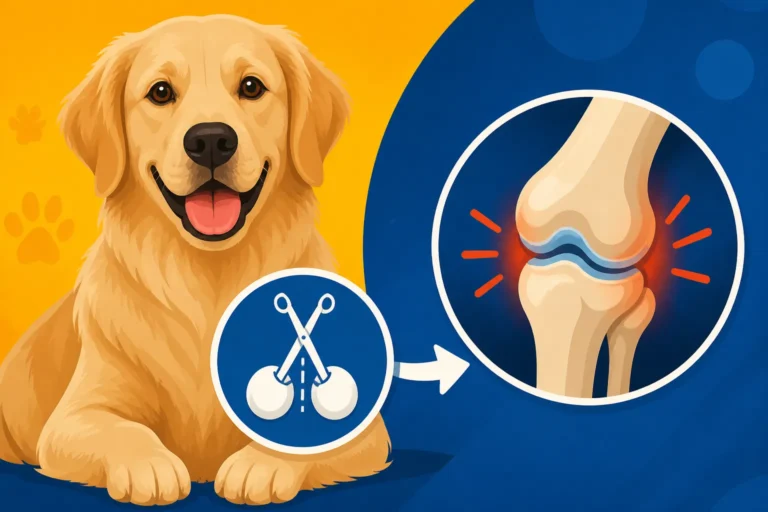
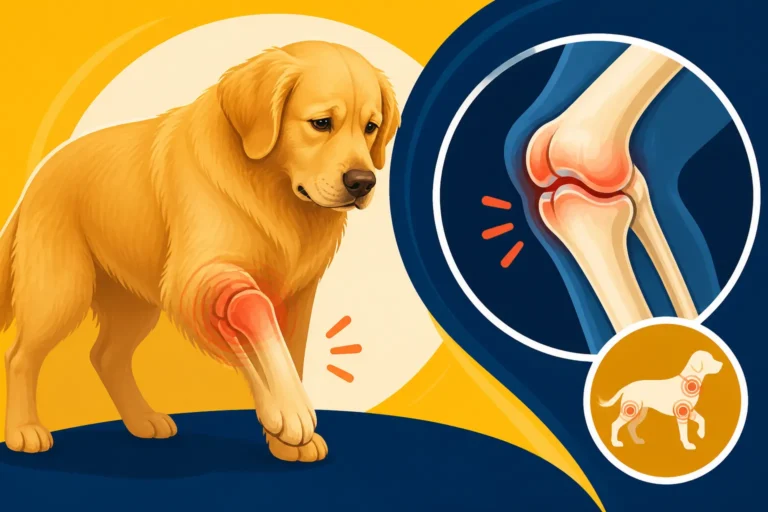
When you think about Golden Retrievers, two words often come to mind regarding health: hip and elbow dysplasia. These are debilitating genetic conditions where the hip or elbow joints don't form correctly, leading to arthritis, pain, and reduced mobility as the dog ages. Unfortunately, these conditions are quite prevalent in the breed, and the suffering they can cause is heartbreaking to witness. The OFA provides a standardized screening system to evaluate breeding dogs for these and other inherited diseases. By having parent dogs evaluated and certified, breeders aim to minimize the risk of passing these painful conditions down to their puppies.
Beyond the initial screening, OFA plays a vital role in data collection and research. Every certified dog’s results are entered into a publicly accessible database, allowing for transparency and informed decisions. When you see an OFA certificate, you're looking at a tangible commitment from a breeder to improve the breed's health. It indicates they’ve taken the necessary steps to assess their breeding stock, rather than just hoping for the best. Without this kind of systematic health screening, the incidence of conditions like hip and elbow dysplasia could be much higher, leading to more heartache and significant vet bills for unsuspecting families down the road. It’s truly one of the most important checks you can make when considering a puppy. If you want to dive deeper into these specific conditions, we have a detailed article on Golden Retriever Hip and Elbow Dysplasia Explained.
The Different OFA Certifications Beyond Hips and Elbows
While hip and elbow certifications often grab the most attention, OFA actually offers a comprehensive range of health clearances. A truly responsible Golden Retriever breeder will perform more than just hip and elbow evaluations. Think of it like a complete health check-up for the parents, not just focusing on the most common issues. These additional certifications address other hereditary diseases that Golden Retrievers can be prone to, giving you an even clearer picture of a puppy's potential health trajectory.
For instance, heart conditions, particularly subaortic stenosis, and various eye diseases like Progressive Retinal Atrophy in Golden Retrievers are also concerns within the breed. OFA provides modules for these clearances, too, involving evaluations by specialists. You might also see clearances for thyroid function or patellar luxation, although these are less common issues for Goldens compared to hips, elbows, eyes, and heart. The more clearances a breeder provides, the more dedicated they are to ensuring healthy puppies and protecting their buyers from unforeseen health challenges.
It's not just about addressing existing problems but proactively preventing them. When you’re looking at a potential puppy, always ask to see the full panel of health clearances for both parents, not just the hips and elbows. A breeder who proudly presents a complete set of OFA certificates for both parents is demonstrating their commitment to the breed's well-being and their integrity. We talk more about all the important screenings in our guide to Health Clearances a Golden Retriever Breeder Must Show.
Decoding the Hip and Elbow Sections
The hip and elbow sections are often the most scrutinized parts of an OFA certificate. This is where you’ll find the crucial evaluations regarding hip and elbow dysplasia, which are significant concerns for Golden Retrievers. Understanding these ratings requires a bit of specific knowledge, but once you grasp the basics, you’ll be much better equipped to assess a breeding dog's orthopedic health.
Interpreting Hip Ratings
OFA hip certifications use a seven-point scale, ranging from Excellent to Severe. This scale describes the conformation of the hip joint, specifically how well the "ball" (femoral head) fits into the "socket" (acetabulum). A tighter fit is generally considered healthier and less prone to developing degenerative joint disease.
Here’s a breakdown of what each rating means:
- Excellent: This is the highest and best rating. It means there is superior hip joint conformation with a deeply seated femoral head (the "ball" of the femur) and a very tight fit into the acetabulum (the hip socket). There’s virtually no space for subluxation.
- Good: Excellent hip joint conformation, but not as superior as "Excellent." There's still a good congruency between the femoral head and acetabulum, with minimal joint space. This is a highly desirable rating for breeding.
- Fair: Passable hip joint conformation. The hips are still considered within normal limits, but there might be slight irregularities or minor looseness that makes them less than ideal compared to "Good" or "Excellent." Many responsible breeders will still consider breeding dogs with "Fair" hips if all other clearances are exceptional and if paired with a dog with "Good" or "Excellent" hips. However, it's worth noting and discussing with the breeder. You can learn more about this specific rating in What Excellent, Good and Fair Mean on a Golden's Hips.
- Borderline: This rating is given when there's insufficient evidence to conclusively put the dog in a normal category (Fair, Good, Excellent) or a dysplastic category (Mild, Moderate, Severe). It usually suggests some mild joint laxity or transitional changes. The OFA often recommends re-evaluating the dog's hips at a later date, typically 6-12 months later, to see if the joint has settled. Dogs with Borderline hips are generally not recommended for breeding.
- Mild Dysplasia: Evidence of mild hip dysplasia. There's definite subluxation (partial dislocation) where the femoral head is partially out of the socket, and there may be early signs of degenerative joint disease. Dogs with this rating should absolutely not be bred.
- Moderate Dysplasia: Significant subluxation of the femoral head and acetabulum, with noticeable degenerative changes. These dogs will likely experience pain and mobility issues.
- Severe Dysplasia: Marked evidence of hip dysplasia, with significant subluxation, shallow acetabula, and extensive degenerative joint disease. These dogs often suffer greatly and require extensive veterinary care.
For breeding, you ideally want to see Excellent, Good, or Fair ratings. Anything Borderline or below indicates a risk of passing on hip dysplasia and should be avoided in a breeding program.
Let's put this into a handy table for quick reference:
| OFA Hip Rating | Interpretation for Breeding | Likelihood of Future Issues |
|---|---|---|
| Excellent | Ideal | Very Low |
| Good | Highly Desirable | Low |
| Fair | Acceptable, but discuss | Moderate |
| Borderline | Not Recommended | Moderate to High |
| Mild Dysplasia | Absolutely Not Recommended | High |
| Moderate Dysplasia | Absolutely Not Recommended | Very High, usually symptomatic |
| Severe Dysplasia | Absolutely Not Recommended | Extremely High, severe symptoms |
Remember, a Golden Retriever must be at least 24 months old for a final OFA hip certification. Any evaluation done before this age is considered a "preliminary" and is not a final certification, though it can give an early indication. This is a key point we cover in Why OFA Waits Until Two Years to Certify.
Understanding Elbow Ratings
Elbow dysplasia is another significant concern for Golden Retrievers, and the OFA also provides a standardized grading system for this condition. Unlike hip ratings which have several "normal" categories, elbow ratings are simpler: either normal or dysplastic to varying degrees.
The OFA elbow certification uses a three-grade scale for dysplasia, plus a normal category:
- Grade 0 (Normal): This is the ideal and only acceptable rating for breeding. It means there is no evidence of elbow dysplasia. The elbow joint is well-formed, and there are no signs of abnormal bone growth or joint incongruity.
- Grade I Elbow Dysplasia: This indicates mild elbow dysplasia. There might be minimal bone changes on the anconeal process (a specific part of the ulna bone in the elbow) or a slight step in the articular surface. While mild, it is still considered dysplastic, and dogs with this rating should not be bred.
- Grade II Elbow Dysplasia: This indicates moderate elbow dysplasia. There are more pronounced bone changes, such as clear osteophytes (bone spurs) or obvious incongruity of the joint. These dogs are very likely to experience pain and lameness.
- Grade III Elbow Dysplasia: This signifies severe elbow dysplasia. There are extensive degenerative changes, significant joint incongruity, and potentially secondary complications like joint effusion or severe arthritis. Dogs with Grade III elbow dysplasia often suffer from chronic lameness and pain.
For breeding purposes, a Golden Retriever should only have an OFA elbow rating of Grade 0 (Normal). Any other grade means the dog has elbow dysplasia and should not be part of a breeding program, regardless of how slight the changes might appear. The presence of elbow dysplasia, even mild, strongly indicates a genetic predisposition that can be passed on to offspring.
Just like with hips, the dog must be at least 24 months old for a final OFA elbow certification. Seeing "Grade 0" on both sides of the certificate (often listed as right elbow and left elbow) is what you want to find. If you're encountering a breeder who shows you anything other than a "normal" or "Grade 0" for elbows, it's a significant red flag.
Navigating the Other Health Clearances
While hips and elbows are major considerations, a truly thorough health screening for a Golden Retriever parent encompasses several other crucial areas. These additional clearances ensure that breeders are addressing a wider range of genetic predispositions in the breed, providing greater peace of mind for prospective puppy owners. Neglecting these other areas could still lead to heartbreak, even if the hips and elbows are perfect.
Eye Clearances and Companion Registry
Golden Retrievers are susceptible to a variety of inherited eye conditions that can range from mild irritations to complete blindness. This is why regular eye examinations by a board-certified veterinary ophthalmologist are absolutely essential for breeding dogs. These specialized vets use specific diagnostic tools to examine all parts of the eye.
The OFA doesn't directly certify eye health in the same way it does for hips and elbows. Instead, it serves as a central registry for the results of exams performed by the American College of Veterinary Ophthalmologists (ACVO). When you look at an OFA certificate for eyes, you'll see a notation that the dog has been examined by an ACVO ophthalmologist, and the results are registered with OFA.
Key things to look for:
- Annual Exams: Eye certifications are typically considered valid for only one year from the date of the exam. This is because some eye conditions can develop later in life. Therefore, you want to see that the breeding dog has current, annual clearances.
- Clear Results: The report should state that the dog is "clear" or "normal" for inherited eye diseases.
- Specific Conditions: Common Golden Retriever eye issues include progressive retinal atrophy (PRA), pigmentary uveitis, multifocal retinal dysplasia, and cataracts. The ophthalmologist's report will specifically note if any of these conditions are observed. A normal report means the dog is free from these and other listed conditions at the time of examination.
Finding a breeder who consistently updates their dogs' eye clearances annually is a strong indicator of their dedication to producing healthy puppies. It's a significant effort and expense, but one that directly benefits the longevity and quality of life of the puppies they produce. For more in-depth information, you can read our article on Golden Retriever Eye Disease and Pigmentary Uveitis.
Cardiac Clearances for Golden Retrievers
Heart health is another critical area for Golden Retrievers, particularly concerning a condition called subaortic stenosis (SAS). SAS is a hereditary narrowing of the aortic outflow tract from the left ventricle of the heart, which forces the heart to work harder to pump blood. In severe cases, it can lead to sudden death, even in young dogs, or progressive heart failure.
For cardiac clearances, you're looking for an evaluation performed by a board-certified veterinary cardiologist. A general practitioner vet can often detect heart murmurs, but only a specialist has the expertise and equipment (like echocardiograms) to definitively diagnose or clear a dog for SAS and other congenital heart defects.
What to look for on the OFA certificate for cardiac health:
- Cardiologist Exam: The certification should explicitly state that the examination was performed by a "Board-Certified Veterinary Cardiologist." This is crucial; a regular vet check for a murmur isn't sufficient for a breeding clearance.
- Normal/Clear Status: The result should indicate "Normal" or "Clear" for congenital heart disease, specifically mentioning SAS.
- Auscultation and Echo: Sometimes, the certificate might specify that the exam included auscultation (listening with a stethoscope) and an echocardiogram, especially if there was any question during a preliminary exam.
A clear cardiac certificate from a board-certified cardiologist means the breeding dog has been thoroughly checked for inherited heart conditions. This is paramount for Golden Retrievers, given the risk of conditions like SAS. It’s an evaluation that truly speaks to a breeder's commitment to avoiding devastating, often silent, health issues. Dive deeper into this topic with our guide on Subaortic Stenosis in Golden Retrievers.
Thyroid and Other Relevant Golden Retriever Clearances
Beyond the big four (hips, elbows, eyes, heart), there are other health clearances that are important for Golden Retrievers, though sometimes considered secondary in priority depending on the breeding lines. These include thyroid function and patellar luxation. While not all Golden Retrievers are routinely screened for everything, a comprehensive breeder will often address these too, adding another layer of security for puppy buyers.
Thyroid Certification:
Hypothyroidism, an underactive thyroid gland, is a relatively common endocrine disorder in Golden Retrievers. While often treatable with medication, it can lead to a range of symptoms including weight gain, lethargy, hair loss, and skin problems. It's also believed to have a genetic component. OFA offers a thyroid registry where results from specific blood tests (thyroid panels) are logged.
- Annual or Bi-Annual Testing: Thyroid levels can fluctuate, so regular testing is advised for breeding dogs.
- Normal Levels: The certificate should show normal thyroid hormone levels, indicating the dog is free from autoimmune thyroiditis.
- You can learn more about this condition in Hypothyroidism in Golden Retrievers.
Patellar Luxation:
While more common in smaller breeds, patellar luxation (slipped kneecap) can occasionally occur in Golden Retrievers. This condition involves the kneecap (patella) slipping out of its groove, causing lameness and pain. OFA also provides a registry for patellar examinations performed by a veterinarian.
- Normal Findings: The certificate should indicate "Normal" for patellar luxation, meaning the patellas are stable and do not slip.
When evaluating an OFA certificate, it's about looking at the complete picture. A breeder who goes the extra mile to provide a full panel of clearances, including thyroid and patellas, demonstrates an exceptional level of care and responsibility. It shows they are not just checking the boxes but truly striving to produce the healthiest puppies possible. This holistic approach significantly reduces the risk of encountering costly and heartbreaking genetic health issues in your new Golden Retriever. Even with the best screening, unexpected issues can arise, which is why having pet insurance from a provider like Healthy Paws can also offer significant financial protection.
Practical Tips for Verifying an OFA Certificate
Unfortunately, not everyone operates with integrity, and occasionally, falsified documents can surface. This is why knowing how to independently verify an OFA certificate is just as important as knowing how to read it. Taking a few extra minutes to cross-reference information can save you from potential heartache and significant financial strain down the road. You’re making a decade-plus commitment to this dog, and ensuring their parents’ health is properly documented is a non-negotiable step.
Cross-Referencing With the OFA Public Database
The single most important step you can take to verify an OFA certificate is to check it against the OFA's public online database. The OFA operates on a principle of transparency, making nearly all final certifications publicly accessible. This means you don't have to solely rely on the papers a breeder shows you; you can confirm their authenticity directly.
Here's how to do it:
- Go to the OFA Website: Navigate to OFA.org.
- Use the "Search OFA Database" Tool: On the homepage, there's usually a clear search function.
- Enter Dog's Information: You can search by the dog's full registered name, its OFA registration number (which will be on the certificate), or even its AKC registration number.
- Compare Results: Once you find the dog in the database, carefully compare all the information:
- Dog's Registered Name: Does it match exactly?
- Breed: Is it listed as a Golden Retriever?
- Date of Birth: Does it match the certificate?
- OFA Number: Does the number displayed on the website match the number on the paper certificate?
- Certification Dates: Do the dates of the clearances (especially for eyes and heart, which need annual renewal) align with what the breeder presented?
- Ratings: Most importantly, do the hip, elbow, eye, and cardiac ratings (and any others) match exactly what is on the physical certificate?
If any information doesn't match, or if you can't find the dog in the database at all for a final certification, it's a major red flag. This could indicate a mistake, or worse, that the certificate has been altered or is entirely fraudulent. Don't hesitate to ask the breeder for clarification and, if still unsure, walk away. This verification process is a crucial part of due diligence when choosing a puppy from a reputable breeder. We discuss this and other important steps in Finding a Reputable Golden Retriever Breeder.
Important Dates and Identification on the Certificate
Beyond just verifying the existence of a certificate, paying close attention to the details on the document itself is crucial. Each piece of information tells a story and can confirm the validity and appropriateness of the clearances for a breeding dog. It’s not just about seeing the "Excellent" or "Normal" label; it’s about ensuring that label applies to the correct dog at the correct time.
Here are the key identification and date-related details you should scrutinize:
- Dog's Full Registered Name: This is the official name of the dog as registered with the American Kennel Club (AKC) or other registering body. It should match any pedigree papers you are shown and what you find in the OFA database. Nicknames aren't acceptable for official documentation.
- AKC/OFA Registration Number: Each dog will have a unique AKC registration number and, once cleared, an OFA registration number. These are essential for cross-referencing in the database.
- Breed and Sex: Double-check that the breed is indeed "Golden Retriever" and the sex matches the dog in question.
- Date of Birth: This is critical, especially for hip and elbow clearances. For final OFA hip and elbow certifications to be valid for breeding, the dog must have been at least 24 months (two years) old on the date the X-rays were taken. If the date of birth shows the dog was younger than two years at the time of the hip/elbow exam, it’s a preliminary reading, not a final certification, even if it shows a good rating. While preliminary evaluations can be done earlier, a responsible breeder will only breed from dogs with final clearances.
- Date of Exam/Certification Date: For eye and cardiac clearances, you need to ensure these are current. Eye exams, for example, are typically only valid for one year. If a certificate shows an eye exam from two years ago, it's expired, and the dog needs a new one.
Understanding these details empowers you to ask informed questions and verify the legitimacy of the health claims made by a breeder. It's a layer of protection for you and ensures that you're supporting ethical breeding practices that prioritize the long-term health of these wonderful dogs.
Bringing a Golden Retriever into your life is a huge decision, and ensuring they come from healthy, well-screened parents is paramount. OFA certificates, when understood and properly verified, are your best allies in this process. They offer a transparent window into a breeding dog's genetic health, allowing you to make an informed choice that contributes to a long, joyful life with your new companion. Remember, a reputable breeder will always be happy to walk you through these certificates and answer any questions you have. Don’t be afraid to ask, because your Golden’s future health is worth every bit of scrutiny.
Disclaimer
Please remember that this article provides general information and should not be considered a substitute for professional veterinary advice. Always consult with a qualified veterinarian or specialist for any health concerns or before making decisions about your pet's care.