Managing Golden Retriever Hip Dysplasia Without Surgery
Hearing that your beloved Golden Retriever has hip dysplasia can feel like a punch to the gut. The immediate fear often jumps to invasive surgeries, weeks of difficult recovery, and astronomical vet bills. Many owners worry they won't be able to provide the best for their furry family member. But here's the reassuring truth: surgery isn't always the only or even the best first option, especially for Goldens, and there are many effective ways to manage hip dysplasia and give your dog a comfortable, happy life without going under the knife. This guide will walk you through practical, non-surgical approaches that can make a world of difference.
When Non-Surgical Management Becomes the Primary Option
The moment you hear "hip dysplasia," it's natural for your mind to race. Perhaps your vet has noticed a change in your Golden's gait, or maybe they've diagnosed it after an X-ray due to subtle signs you've picked up on, like a slight lameness after exercise or difficulty getting up. Understanding the grade of hip dysplasia and your dog's individual circumstances is crucial in deciding the best path forward. Not every case requires surgery, and for many Golden Retrievers, a well-structured non-surgical plan can provide excellent quality of life.
Understanding the Severity of Hip Dysplasia
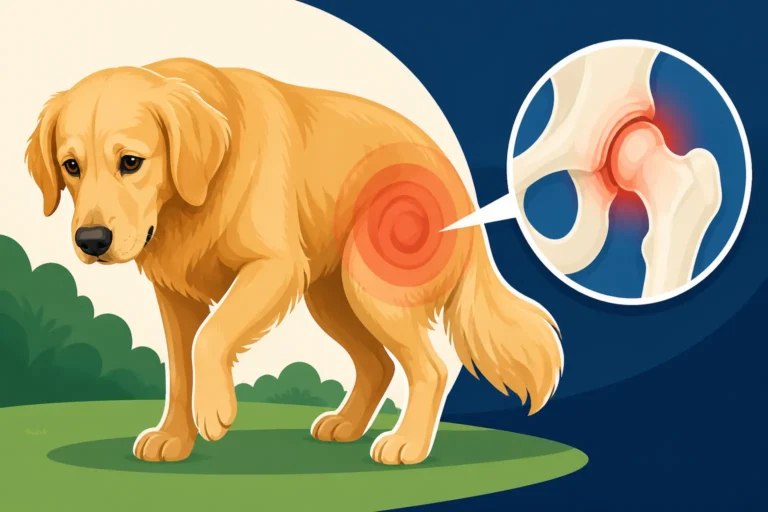
Hip dysplasia isn't a one-size-fits-all condition; it ranges from mild looseness in the joint to severe malformation with significant arthritis. When your veterinarian discusses the diagnosis, they'll often refer to radiographic findings, perhaps from an OFA or PennHIP evaluation, to grade the severity. A dog with mild to moderate dysplasia, or one with significant secondary arthritis, might be a prime candidate for non-surgical approaches. Even dogs with more severe cases can benefit immensely from conservative management, especially if their overall health or age makes surgery too risky. It’s a common misconception that if a dog has hip dysplasia, surgery is inevitable. Often, dogs with early or mild signs, or even those presenting later in life with established arthritis, can thrive on a conservative plan. You might notice early signs like a bunny hopping gait in Golden Retrievers where they use both back legs simultaneously, or difficulty climbing stairs.
Factors Influencing the Decision
Several factors play into the decision to pursue non-surgical management. Your Golden Retriever's age is a big one; puppies with early signs might be monitored closely, while older dogs with established arthritis might have surgery deemed too invasive. The dog's overall health also weighs heavily – other existing conditions could make anesthesia or a lengthy recovery challenging. Your lifestyle and ability to commit to consistent therapy and modifications are also key. A sedentary dog might respond differently than a highly active one. Finally, the financial aspect is a real concern for many families. While non-surgical management isn't free, it often avoids the high upfront costs and intensive rehabilitation associated with surgeries like Total Hip Replacement, which can easily run into thousands of dollars per hip. Pet insurance, such as a plan from Healthy Paws, can be incredibly helpful in offsetting the ongoing costs of physical therapy, medications, and supplements that are part of a long-term non-surgical strategy.
A Multi-Pronged Approach to Daily Care
Successfully managing hip dysplasia without surgery requires a dedicated, holistic approach that addresses pain, supports joint health, and maintains muscle strength. This isn't about a single magic bullet; it's about integrating several key strategies into your Golden's daily routine. Think of it as building a robust support system around their hips, using everything from their diet to their environment.
Weight Management and Appropriate Exercise
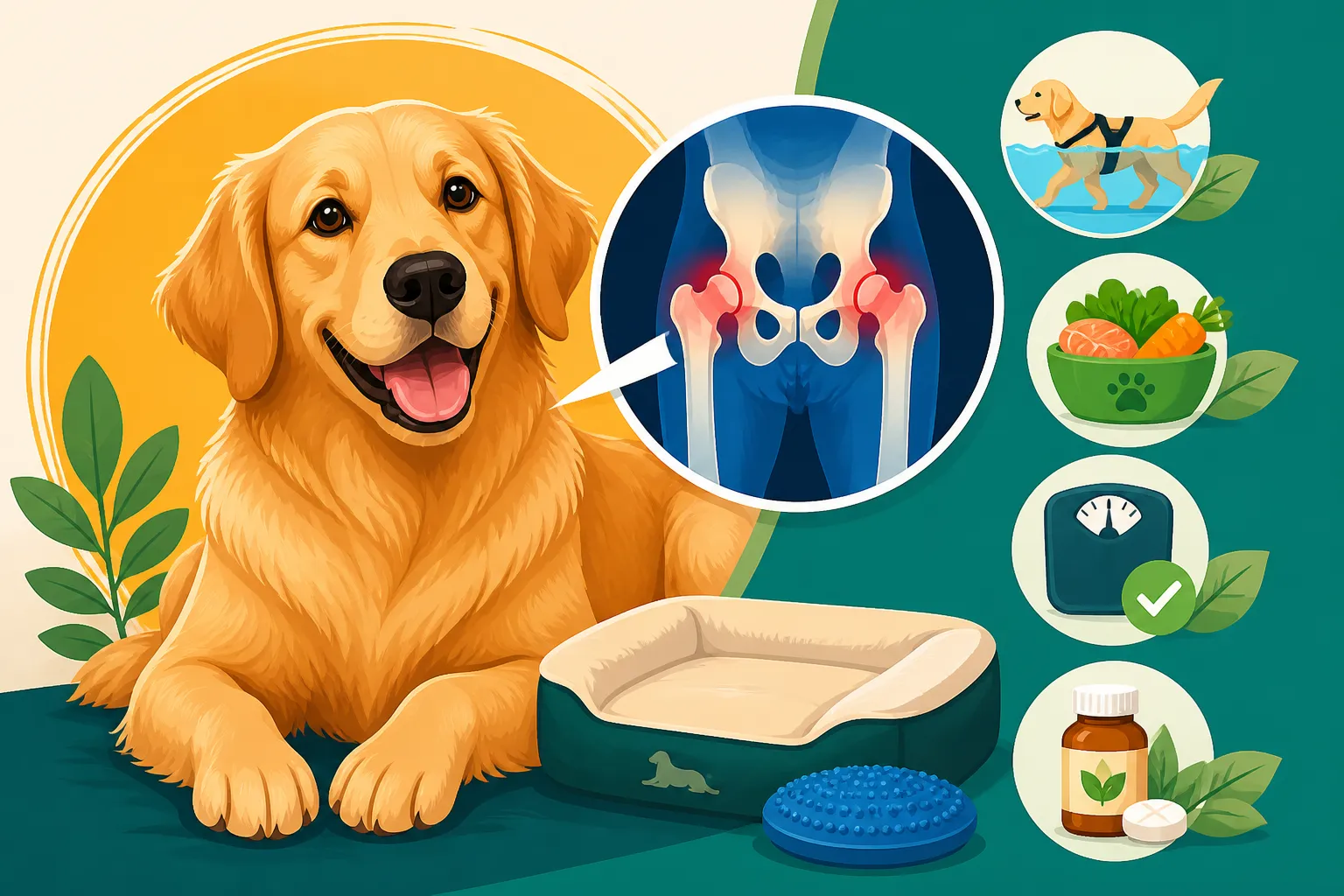
Perhaps the single most critical component of non-surgical hip dysplasia management is maintaining a healthy weight. Extra pounds put immense stress on already compromised joints, accelerating cartilage breakdown and increasing pain. It's truly heartbreaking to see a Golden struggling, and sometimes, those few extra pounds are making a huge difference. Your vet can help you determine your Golden's ideal body condition score. If your dog is overweight, a controlled diet aimed at gradual weight loss is paramount. Even a 5-10% reduction in body weight can significantly reduce discomfort and improve mobility. You can learn more about Golden Retriever weight and joint damage to understand this connection better.
When it comes to exercise, it's about quality, not necessarily quantity or intensity. High-impact activities like jumping, sprinting, or prolonged intense fetch can exacerbate joint damage. Instead, focus on low-impact, consistent exercise. Daily leashed walks on soft surfaces, like grass or dirt trails, are excellent for maintaining muscle tone without excessive joint jarring. Swimming is often a golden retriever's best friend in this scenario; it provides fantastic cardiovascular exercise and builds muscle mass with virtually no impact on the joints. Even short, multiple walks throughout the day can be more beneficial than one long, strenuous outing. The goal is to keep muscles strong to support the joints, but without pushing them to the point of pain or fatigue.
Nutritional Support and Supplements
What you feed your Golden Retriever and the supplements you offer play a significant role in managing joint health. Beyond calorie control for weight management, a high-quality diet provides the building blocks for healthy tissues. Many premium large-breed dog foods are formulated with joint-supporting ingredients.
Supplements, when chosen wisely and in consultation with your vet, can be powerful allies. Here's a look at some common ones:
| Supplement Type | Primary Benefit | Considerations |
|---|---|---|
| Glucosamine & Chondroitin | Supports cartilage repair, reduces inflammation | Often prescribed together. Effects may take several weeks to become noticeable. |
| Omega-3 Fatty Acids (Fish Oil) | Powerful anti-inflammatory, supports coat and skin health | Look for high EPA/DHA content. Can interact with blood thinners, consult vet. |
| MSM (Methylsulfonylmethane) | Anti-inflammatory, pain relief | Often combined with glucosamine/chondroitin. Generally well-tolerated. |
| Turmeric/Curcumin | Natural anti-inflammatory, antioxidant | Bioavailability can be an issue; look for formulations with piperine or other absorption enhancers. |
| Green-Lipped Mussel | Rich in omega-3s, glucosamine, chondroitin, and other nutrients | Holistic joint support. Research indicates anti-inflammatory properties. |
Always discuss supplements with your veterinarian before introducing them. Not all supplements are created equal, and dosing is critical. A reliable pet insurance plan like Healthy Paws often covers prescribed supplements and therapeutic diets when medically necessary, which can be a huge relief for chronic conditions. Knowing the glucosamine doses for a Golden Retriever is crucial, as too little may be ineffective, and too much could lead to digestive upset.
Supportive Care and Therapeutic Interventions
Managing hip dysplasia without surgery goes far beyond diet and exercise. It often involves a combination of environmental modifications, regular therapeutic interventions, and targeted medical support to keep your Golden comfortable and mobile for as long as possible.
Environmental Modifications for Comfort
Making your home a safe and comfortable haven for a dog with hip dysplasia is paramount. Think about how you navigate your own home and then imagine doing it with sore hips. Slippery floors are a major hazard, as they force your Golden to splay their legs, putting undue strain on their joints. Consider laying down rugs or carpet runners, especially in high-traffic areas or on slippery surfaces like tile or hardwood.
Stairs can also become increasingly difficult and painful. Installing ramps, particularly for getting into cars or up onto furniture, can significantly reduce impact. You might even consider blocking off access to stairs if they're causing too much discomfort, or if your Golden is prone to exuberant dashes up and down. Investing in an orthopedic dog bed is another game-changer. These beds provide superior support and cushioning, alleviating pressure points and ensuring a restful sleep, which is essential for joint recovery and overall comfort. Regular beds just don't offer the same kind of support for achy joints. As your Golden ages, consider mobility aids for an aging Golden Retriever such as harnesses with handles or even doggie wheelchairs for advanced cases.
Physical Therapy and Rehabilitation
Just like with humans, physical therapy can work wonders for dogs with joint conditions. Canine physical therapy (CPT) or rehabilitation focuses on strengthening the muscles surrounding the hips, improving range of motion, and reducing pain. A certified canine rehabilitation therapist will develop a customized program for your Golden. This might include:
- Hydrotherapy: Using an underwater treadmill or swimming in a therapeutic pool allows for exercise with buoyancy, reducing weight-bearing stress on the joints while still building muscle. This is incredibly effective for Goldens who love the water!
- Therapeutic Exercises: Targeted exercises like controlled walks, balance exercises on wobble boards, and specific stretches can improve strength, flexibility, and coordination.
- Massage and Manual Therapy: Gentle massage can help reduce muscle tension, improve circulation, and relieve pain.
- Laser Therapy (Photobiomodulation): Low-level laser therapy can help reduce pain and inflammation and accelerate tissue healing.
- Acupuncture: An ancient practice now widely accepted in veterinary medicine, acupuncture can help manage chronic pain by stimulating specific points on the body.
Regular sessions with a qualified therapist, coupled with exercises you can do at home, can dramatically improve your Golden's quality of life. This proactive approach helps to slow arthritis down in an older Golden Retriever and keeps them moving freely. Many pet insurance providers, including Healthy Paws, recognize the value of these therapies and offer coverage, making them more accessible for owners.
Pain Management and Anti-Inflammatory Medications
Despite all the supportive care, sometimes pain medication is necessary to keep your Golden comfortable. Non-steroidal anti-inflammatory drugs (NSAIDs) are commonly prescribed by veterinarians to reduce pain and inflammation associated with hip dysplasia. These medications, such as carprofen (Rimadyl), meloxicam (Metacam), or firocoxib (Previcox), can significantly improve mobility and comfort. It's crucial to use these strictly under veterinary guidance, as long-term use requires monitoring for potential side effects, especially on the liver and kidneys. Regular blood work is often recommended to ensure your dog is tolerating the medication well.
In addition to NSAIDs, other pain relief options might include gabapentin (a nerve pain medication), amantadine, or even a low-dose opioid if pain is severe. Your vet will assess your Golden's specific needs and create a pain management protocol. Always be vigilant for signs a Golden Retriever is in pain, such as lethargy, reluctance to move, or changes in appetite. Never administer human pain medications to your dog without consulting your vet, as many are highly toxic. Combining these medications with the other non-surgical strategies provides the most comprehensive approach to managing pain and improving overall well-being. Knowing pain medication a vet prescribes for Goldens is essential for informed discussions with your veterinarian.
Disclaimer
The information provided in this article is for general informational purposes only and is not a substitute for professional veterinary advice, diagnosis, or treatment. Always seek the advice of your veterinarian or other qualified animal health provider with any questions you may have regarding a medical condition.