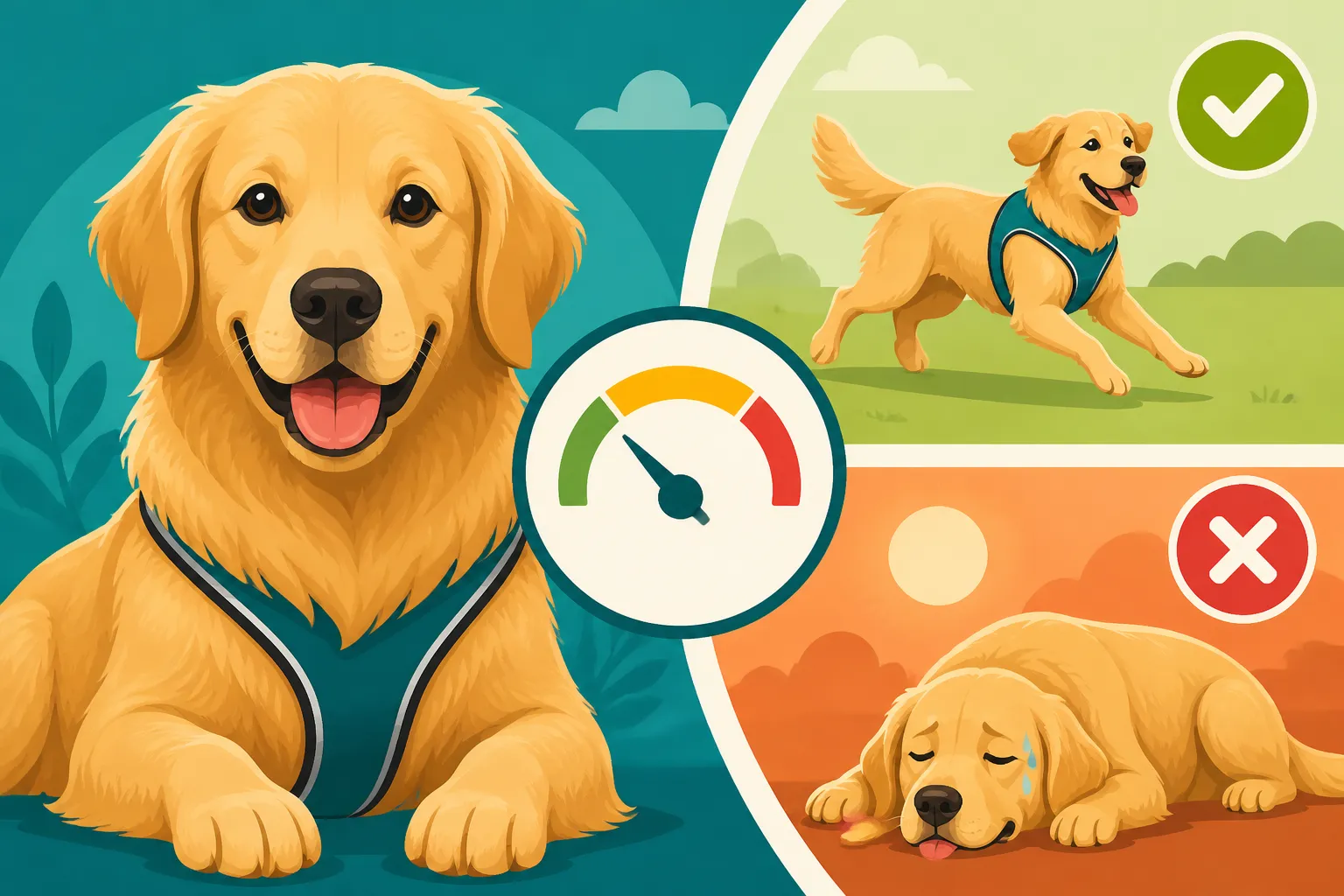
Exercise Limits for a Golden Retriever With SAS
It's absolutely heartbreaking to hear that your beloved Golden Retriever has been diagnosed with Subaortic Stenosis, or SAS. This congenital heart condition can feel like a heavy cloud hanging over every joyful romp and enthusiastic greeting. You're likely wrestling with the worry of how to keep your energetic companion happy and healthy without inadvertently putting them at risk. This guide is here to walk you through understanding SAS, establishing safe exercise limits, and navigating daily life to ensure your Golden can still live a full, loving life within their physical capabilities.
Understanding Subaortic Stenosis in Golden Retrievers
When you first hear "Subaortic Stenosis," it can sound incredibly intimidating, and rightfully so. It's a serious condition that requires careful management, especially for a breed as naturally exuberant as a Golden Retriever. But understanding what's happening inside your dog's chest is the first step toward effective care.
What is SAS and How it Affects the Heart
Subaortic Stenosis (SAS) is a congenital heart defect, meaning Golden Retrievers are typically born with it. It's characterized by a narrowing (stenosis) in the outflow tract of the left ventricle, just below the aortic valve (subaortic). Think of it like a bottleneck in a plumbing system. The left ventricle is the powerful chamber of the heart responsible for pumping oxygen-rich blood out to the rest of the body through the aorta. With SAS, this narrowing makes it much harder for the heart to push blood through.
The heart has to work overtime, pumping with increased force to overcome this obstruction. Over time, this extra effort can lead to the thickening of the left ventricular muscle (left ventricular hypertrophy). While this thickening initially helps maintain blood flow, it eventually makes the heart less efficient, reducing its ability to fill and pump blood effectively. This constant strain can unfortunately lead to heart failure, irregular heart rhythms (arrhythmias), or, in severe cases, sudden cardiac death, often triggered by strenuous activity.
Diagnosis and Severity Grading
Diagnosing SAS usually begins with a routine veterinary visit, where your vet might detect a heart murmur. A heart murmur is an abnormal sound heard through a stethoscope, caused by turbulent blood flow. In the case of SAS, the murmur is often loudest over the left side of the chest, near the base of the heart. If a murmur is present, especially in a Golden Retriever puppy or young adult, your regular vet will likely recommend a referral to a board-certified veterinary cardiologist. These specialists have the advanced training and equipment to accurately diagnose and grade the severity of heart conditions.
The definitive diagnostic tool for SAS is an echocardiogram, which is essentially an ultrasound of the heart. This non-invasive procedure allows the cardiologist to visualize the heart's structure, measure the degree of narrowing, assess blood flow velocity through the aorta, and evaluate the thickening of the left ventricular wall. Based on these measurements, particularly the pressure gradient across the subaortic region, the cardiologist will assign a severity grade to the SAS, typically categorized as mild, moderate, or severe. This grading is crucial because it directly impacts the prognosis and, most importantly for you, the recommended exercise limits for your Golden. A mild case might allow for more activity than a severe one, where even minor exertion can be dangerous. Knowing the specific grade helps you understand the gravity of the situation and how to best manage your dog's life moving forward. It’s also vital to monitor this condition, as a dog with How Subaortic Stenosis Turns Up on a Golden's Exam might show different signs over time.
Establishing Safe Exercise Limits for Your SAS Golden
Once you have an SAS diagnosis and a clear understanding of its severity, the biggest hurdle for many Golden Retriever owners is redefining "exercise." These dogs are built for activity – they love to run, fetch, swim, and generally be on the go. It’s tough to tell a dog bred for retrieving that they can't chase a ball with the same fervor they used to.
Why Exercise Restriction is Crucial
For Golden Retrievers with SAS, exercise restriction isn't just a suggestion; it's a critical component of managing their condition and extending their lifespan. The heart, already working harder to pump blood through a narrowed opening, is placed under immense additional stress during strenuous activity. Imagine trying to push a large volume of water through a straw – it requires a lot more effort than pushing it through a wide pipe.
When your Golden runs, jumps, or plays intensely, their heart rate and blood pressure soar. For an SAS heart, this can be catastrophic. The increased demand for blood flow through the narrowed aorta can lead to a dangerous drop in blood pressure, potentially causing fainting spells (syncope), severe arrhythmias, or even sudden death. It's a heartbreaking reality, but every time you encourage your SAS Golden to go "just a little faster" or play "just one more fetch," you could be inadvertently putting them at extreme risk. As an owner, you become the primary guardian, the one who must put the brakes on their natural enthusiasm, which can feel incredibly counterintuitive given their joyful nature. For more context on potential heart issues, you can read about Heart Conditions Golden Retrievers Are Born With.
Tailoring Activity to Severity and Individual Dog
The cardiologist’s severity grading is your roadmap for exercise. There’s no one-size-fits-all answer, but generally, the more severe the SAS, the stricter the exercise limitations. A Golden with mild SAS might be able to tolerate short, controlled walks and gentle play, whereas a dog with severe SAS may be limited to only very minimal, sedate activity.
It’s about understanding the difference between a brisk walk and a full-on sprint. High-intensity, anaerobic exercise (like chasing a frisbee, wrestling with another dog, or rapid bursts of running) is typically off-limits for most SAS Goldens, especially those with moderate to severe forms. These activities cause sharp, sudden increases in heart rate and blood pressure, which are particularly dangerous. Instead, the focus should shift to low-impact, aerobic activities that maintain a steady, lower heart rate. Even for dogs with a Golden Retriever Heart Murmur Grades Explained that's considered mild, constant vigilance is key.
Here’s a general guideline, but always defer to your cardiologist's specific instructions:
| SAS Severity Level | Recommended Exercise Type | Key Considerations |
|---|---|---|
| Mild SAS | Short, leashed walks (15-20 mins, 2-3x/day). Gentle, supervised indoor play. Controlled swimming in warm water. | Avoid intense bursts of activity, prolonged running, or competitive sports. Monitor closely for fatigue. |
| Moderate SAS | Very short, slow leashed walks (5-10 mins, 2x/day). Calm indoor activities, puzzle toys. | Strict avoidance of any strenuous activity. Keep heart rate low and steady. Avoid excitement. |
| Severe SAS | Minimal, very slow leashed potty breaks only. Primarily mental stimulation. | Any exertion is high risk. Focus on comfort and mental enrichment with no physical strain. |
Remember, these are general guidelines. Your individual Golden Retriever's tolerance might vary. Some dogs with mild SAS may still experience symptoms with what seems like minimal activity. It’s a constant learning process to understand your dog's specific limits. This is also where having a robust pet insurance plan like Healthy Paws can be invaluable. Should your Golden need frequent diagnostic tests to monitor their condition, or even medication adjustments, the costs can add up quickly. Having that financial safety net allows you to make decisions based on your dog's health needs, not just your budget. For severe cases, knowing When a Golden Retriever Needs a Cardiologist is critical for ongoing management.
Practical Tips for Managing Exercise and Activity
Living with a Golden Retriever who has SAS requires a shift in perspective, but it doesn't mean the end of their happy, fulfilling life. It just means being more intentional and creative about how they expend their energy.
Structured Walks and Controlled Play
For most Goldens with SAS, walks will become more about sniffing and gentle exploration than vigorous exercise. Think of them as opportunities for mental stimulation and bonding rather than a workout. Keep walks on a leash, in quiet areas, to prevent sudden sprints or encounters with off-leash dogs. A 15 to 20-minute slow, leashed walk a couple of times a day might be appropriate for a mild case, but for moderate or severe SAS, even shorter, slower potty breaks might be the only physical activity allowed. Avoid hills or stairs, which demand more effort from the heart.
When it comes to playtime, the focus moves from physical exertion to mental engagement. Puzzle toys, snuffle mats, and scent games are fantastic ways to tire out a Golden's mind without raising their heart rate dangerously. Teaching new, simple tricks that don't involve jumping or running can also provide mental enrichment. If your dog enjoys playing with other dogs, extreme caution is warranted. Any play must be highly supervised, kept very short (just a few minutes), and only with known, calm dogs who understand gentle interactions. A quick game of "find it" in the house can be much safer than a wrestling match in the yard. This careful approach to physical activity can directly impact your Golden Retriever Lifespan and What Shortened It.
Environmental Considerations and Stress Reduction
Beyond the type and intensity of exercise, the environment plays a huge role in managing an SAS Golden. Extreme temperatures, both hot and cold, can put extra strain on the cardiovascular system. In warm weather, avoid walks during the hottest parts of the day and ensure constant access to fresh water. Overheating can quickly exacerbate heart conditions. In colder climates, be mindful of icy conditions that could lead to slips and falls, and protect your dog from becoming too cold, which can also stress the heart.
High-stress situations are another silent danger. Excitement, anxiety, or fear can cause a sudden surge in adrenaline, leading to a rapid increase in heart rate and blood pressure – precisely what you want to avoid. Try to maintain a calm, predictable routine at home. Minimize loud noises, chaotic environments, or unexpected visitors if your dog reacts strongly to them. If your Golden is prone to anxiety, discuss calming techniques or even anti-anxiety medication with your vet or cardiologist. A peaceful home environment is not just good for their mental well-being, but vital for their physical health.
Regular Veterinary Monitoring
Living with SAS means forming a close partnership with your veterinary team, particularly a board-certified cardiologist. Regular check-ups, often every 6-12 months or as recommended, are paramount. During these visits, the cardiologist will reassess your dog's heart function, listen for changes in the murmur, perform another echocardiogram, and adjust any medications if necessary. Many Goldens with SAS are prescribed beta-blockers, like Atenolol, which help to slow the heart rate and reduce the workload on the heart. It's crucial to administer these medications exactly as prescribed and never to skip a dose or change the dosage without consulting your vet.
You'll also need to become an expert observer of your Golden's behavior. Keep a log of their activity levels, breathing patterns, and any unusual symptoms. Are they panting more than usual? Are they more tired? Are they reluctant to do activities they used to enjoy? Any subtle changes could indicate a worsening of their condition and warrant a call to your cardiologist. These regular vet visits are also key for Why Goldens Need Vet Visits Twice a Year, regardless of heart conditions. While the cost of these specialized appointments and medications can be daunting, having pet insurance like Healthy Paws can alleviate some of that financial burden, allowing you to prioritize your Golden's health.
Recognizing Warning Signs and Emergency Care
Despite your best efforts to manage their exercise and environment, a Golden Retriever with SAS can still experience cardiac distress. Knowing what to look for and how to react quickly can be life-saving.
Symptoms of Overexertion and Cardiac Distress
It's vital to recognize the early warning signs that your Golden might be struggling. These symptoms indicate that their heart is under too much strain and needs immediate attention:
- Excessive Panting or Labored Breathing: While some panting is normal after mild activity, look for panting that seems disproportionate to the effort, or very heavy, deep, struggling breaths. Their breathing might sound noisy or raspy.
- Weakness or Lethargy: Your dog might suddenly appear unusually tired, reluctant to move, or generally weak. They might drag their feet or struggle to stand up.
- Stumbling or Lack of Coordination: This could be subtle, like a slight wobble, or more pronounced, where they seem disoriented or lose their balance.
- Coughing: While many things can cause a cough, a persistent, deep cough, especially after exertion, can be a sign of fluid buildup in the lungs due to heart failure.
- Pale or Blue-Tinged Gums/Tongue (Cyanosis): This is a very serious sign. It indicates a lack of oxygen in the blood. Healthy gums should be a salmon-pink color. If they appear pale, whitish, or have a bluish/purplish tint, it's an emergency.
- Collapse or Fainting (Syncope): This is perhaps the most alarming symptom. If your Golden suddenly falls over, loses consciousness, or seems to "pass out," it's a clear indication of a severe cardiac event. This often occurs after exertion.
Never dismiss these signs. Your Golden Retriever relies on you to recognize when they are in distress. Learning to identify Signs a Golden Retriever Is in Pain generally is also a useful skill for any owner.
What to Do in an Emergency
If your Golden Retriever exhibits any of the severe symptoms above, especially collapse, fainting, or blue gums, immediate veterinary attention is critical. Do not wait.
- Stop All Activity Immediately: If they're moving, get them to stop and lie down in a cool, quiet spot.
- Keep Them Calm and Cool: Offer water, gently fan them if it's hot, and try to keep them as calm as possible. Avoid any further excitement or stress.
- Contact Your Veterinarian or Emergency Vet Clinic: Call ahead while you are on the way. Describe your dog's symptoms clearly and tell them you are bringing in a Golden Retriever with SAS who is in distress. This allows them to prepare for your arrival.
- Transport Carefully: Minimize stress during transport. If your dog is large and cannot walk, carefully lift them into your vehicle, ensuring their head and neck are supported.
Emergency vet visits, especially for cardiac emergencies, can be incredibly expensive. Procedures like emergency oxygen, diagnostic tests, and stabilization medications can quickly run into thousands of dollars. This is another crucial area where pet insurance like Healthy Paws can provide immense relief. Knowing that a significant portion of these unexpected costs could be covered allows you to focus solely on getting your beloved Golden the immediate, life-saving care they need without the added burden of financial panic. Having a solid plan and perhaps even an How Big an Emergency Fund a Golden Retriever Needs can give you peace of mind.
Disclaimer
The information provided in this article is for educational purposes only and is not a substitute for professional veterinary advice. Always consult with a qualified veterinarian or a board-certified veterinary cardiologist regarding any medical concerns or before making any decisions about your Golden Retriever's health and treatment plan.