Golden Retriever Hypothyroidism Symptoms Owners Notice
It’s a frustration many Golden Retriever owners know all too well: noticing subtle, creeping changes in your beloved dog that just don't feel right, but are difficult to pinpoint. Your normally energetic, happy-go-lucky Golden might be slowing down, gaining weight, or developing a dull coat, leaving you to wonder if it's just "old age" or something more. This comprehensive guide is here to shed light on those perplexing shifts, focusing specifically on the often-overlooked symptoms of hypothyroidism in Golden Retrievers, helping you understand what to look for and when to seek veterinary help.
Understanding Hypothyroidism in Golden Retrievers
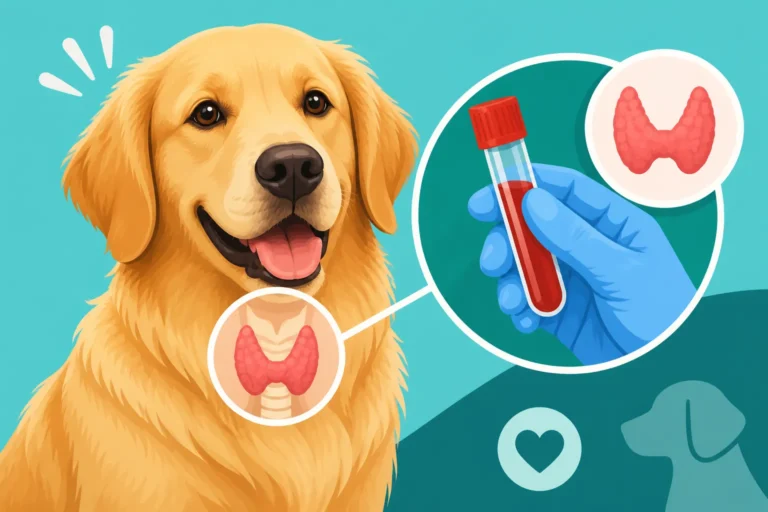
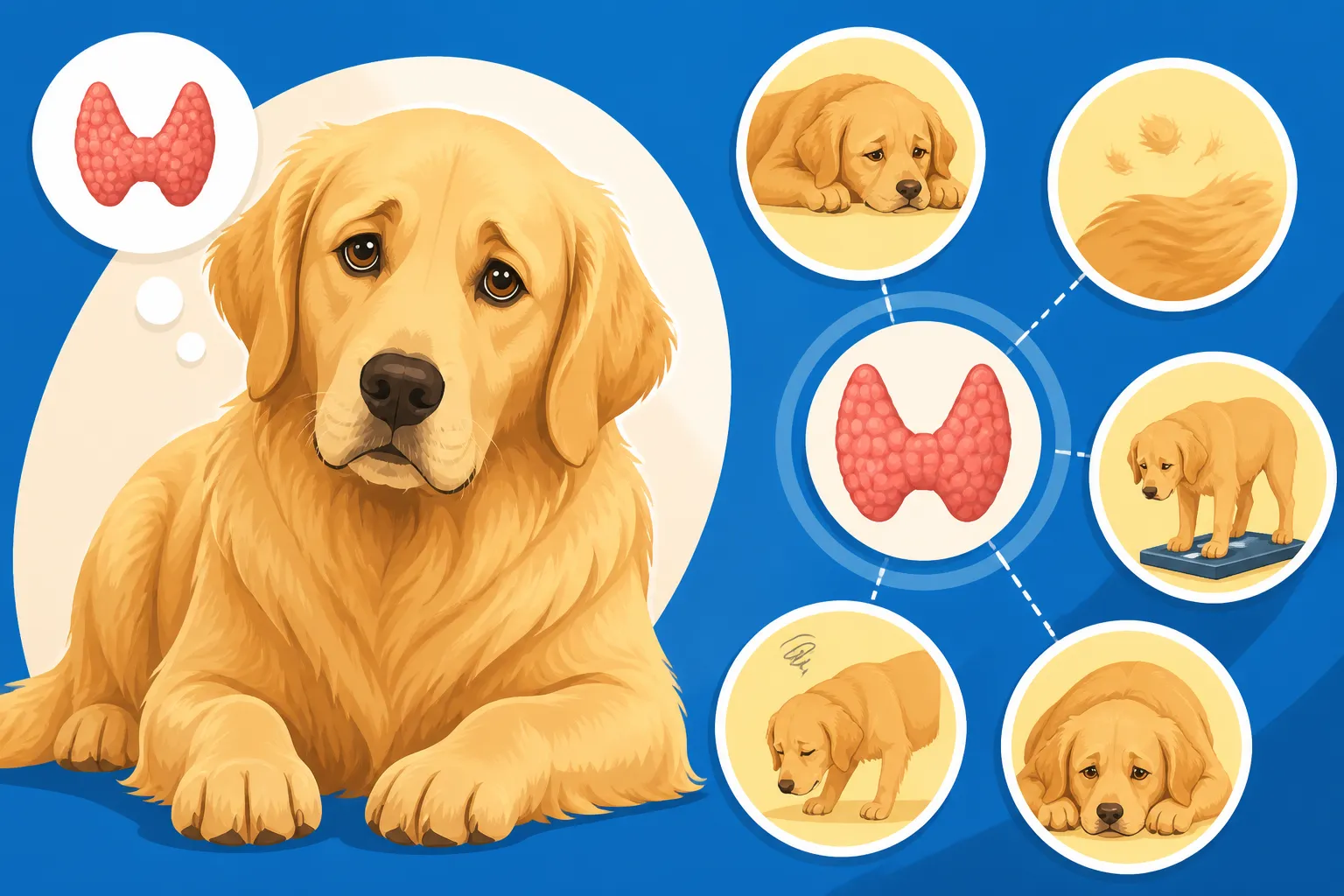
Hypothyroidism isn't just a human condition; it's a common endocrine disorder that significantly impacts our canine companions, particularly Golden Retrievers. It occurs when the thyroid gland, a small, butterfly-shaped gland located in the neck, fails to produce enough essential hormones. These hormones, primarily thyroxine (T4) and triiodothyronine (T3), are crucial regulators of metabolism, influencing everything from heart rate and body temperature to skin health and energy levels. When their production dips, the entire body can slow down, leading to a cascade of symptoms that can easily be mistaken for other conditions or simply the natural process of aging.
What Hypothyroidism Actually Is
At its core, hypothyroidism in dogs is a metabolic slowdown. Think of the thyroid hormones as the gas pedal for your dog’s body. If the thyroid gland isn't pressing that pedal hard enough, or sometimes not at all, the engine just idles, or sputters along. Every cell in the body needs these hormones to function correctly. Without adequate levels, processes like hair growth, fat metabolism, and even brain function start to falter.
The insidious nature of hypothyroidism lies in its gradual onset. Symptoms don't typically appear overnight. Instead, they creep in over months, sometimes even years, making them incredibly easy for even the most observant owner to dismiss. You might notice your Golden is just a "little less bouncy," or seems to be shedding "a bit more than usual." This slow progression is precisely why it's so important for Golden Retriever owners to be acutely aware of the potential signs. It's not uncommon for a dog to be quite advanced in the condition before a diagnosis is made, simply because the signs were so subtle at first.
Why Golden Retrievers Are Prone to Hypothyroidism
Golden Retrievers have an unfortunate genetic predisposition to certain health conditions, and hypothyroidism is high on that list. While any breed can develop it, Goldens, along with Doberman Pinschers, Irish Setters, and Great Danes, show a significantly higher incidence. The vast majority of canine hypothyroidism cases, approximately 95%, are caused by a condition called autoimmune thyroiditis. This is where the dog's own immune system mistakenly identifies the thyroid gland as a foreign invader and attacks it, gradually destroying the hormone-producing cells. It’s a silent battle happening within your dog’s body, without any external signs of inflammation or pain directly related to the thyroid gland itself.
Less common causes include idiopathic thyroid atrophy, where the gland simply shrinks and loses function for no known reason, and very rarely, thyroid tumors. Regardless of the underlying cause, the result is the same: insufficient thyroid hormone production. Understanding this genetic link is crucial because it means that even if a Golden Retriever seems perfectly healthy, they carry a higher inherent risk, and owners should be vigilant for symptoms, especially as their dog moves into middle age. Many discerning breeders will include information about thyroid health in their pedigree research, and some responsible owners even consider Golden Retriever Genetic Tests Worth Running to understand their dog's predispositions to certain conditions, including autoimmune diseases.
Recognizable Physical Symptoms of Hypothyroidism
When you’re living with a Golden Retriever, you become intimately familiar with their lush coat, their enthusiastic energy, and their overall sunny disposition. So, when those things start to shift, it’s worth paying close attention. Hypothyroidism often manifests first through changes in your dog's physical appearance and general demeanor that can be quite telling once you know what to look for.
Skin and Coat Changes
One of the most classic and frequently observed signs of hypothyroidism in Golden Retrievers revolves around their skin and coat. You know that glorious, flowing golden coat that sheds everywhere but still looks magnificent? Imagine that starting to look dull, dry, and brittle. This isn't just a bad hair day; it's a sign that their metabolic processes are slowing down, including those responsible for healthy hair growth and skin cell turnover.
Excessive shedding might become noticeable, even beyond the typical seasonal "coat blow" Goldens are famous for. Owners might find themselves constantly vacuuming, pulling out clumps of hair, and wondering why their dog seems to be losing so much of its luxurious fur. Another common presentation is thinning hair, particularly on the flanks, chest, and the top of the tail, sometimes leading to a condition known as "rat tail" or "bald tail" where the hair on the tail thins dramatically. The hair might also feel coarser to the touch, losing its characteristic softness.
Beyond hair loss, the skin itself can suffer. You might notice hyperpigmentation, where areas of the skin, especially in the armpits or groin, start to darken and thicken. This can be accompanied by scaling or flakiness, almost like chronic dandruff. Because the compromised skin barrier is less effective at protecting against pathogens, secondary skin infections (bacterial or yeast) are common, leading to redness, itchiness, and an unpleasant odor. Owners often mistake these symptoms for allergies or other Golden Retriever Skin, Ear and Allergy Problems, leading to frustrating rounds of treatments that don't quite solve the root cause. Furthermore, if your Golden has had any areas shaved for surgery or a medical procedure, you might notice that the hair takes an extraordinarily long time to grow back, or in some cases, never fully returns to its previous density.
Weight Gain and Lethargy
If your Golden Retriever is typically a whirlwind of activity, always ready for a game of fetch or a long walk, a noticeable decrease in energy can be a significant red flag. Lethargy and a general slowing down are hallmarks of hypothyroidism. Your dog might seem less enthusiastic about playtime, prefer to sleep more throughout the day, or just move with less vigor. Morning walks might become less of a sprint and more of a leisurely stroll, and they might spend more time lounging on their dog bed than actively engaging with the family. It's easy to dismiss these changes as your Golden "getting older" or just being lazy, especially if they are approaching their senior years. However, true lethargy, disproportionate to their age, warrants investigation. Many owners realize too late that these subtle shifts were early indicators, especially when trying to discern Signs a Golden Retriever Is Aging Early.
Coupled with this lethargy, many hypothyroid Goldens experience unexplained weight gain. Despite no changes in diet or exercise routine, the pounds start to creep on. This is directly related to the metabolic slowdown caused by the lack of thyroid hormones. Their body simply isn't burning calories efficiently. This weight gain isn't just cosmetic; it adds extra strain on their joints, potentially worsening or accelerating conditions like arthritis, and can contribute to other health issues. Understanding Golden Retriever Weight and Joint Damage is crucial, and persistent weight gain without an obvious cause should always prompt a discussion with your veterinarian. This combination of increased weight and decreased activity can create a vicious cycle, where the extra weight makes them even less inclined to move, further exacerbating the problem.
Other Physical Indicators
Beyond the more common skin, coat, and weight changes, there are several other physical signs that can point to hypothyroidism, though they might be less obvious or occur in more advanced cases.
One such sign is an intolerance to cold. Since thyroid hormones help regulate body temperature, a dog with insufficient levels might struggle to stay warm. You might notice your Golden seeking out warm spots in the house, huddling under blankets more than usual, or shivering even when the ambient temperature doesn't seem particularly cold. This isn't just a preference for coziness; it’s a physiological response to an internal chill.
Some Goldens might develop a characteristic facial puffiness, sometimes described as a "tragic expression." This is due to the accumulation of certain carbohydrates in the skin, a condition called myxedema. Their facial features, particularly around the eyes, might appear heavier or swollen, giving them a perpetually sad or tired look.
While not as common, muscle weakness or stiffness can also occur. You might notice your Golden having difficulty getting up from a lying position, a slight lameness that comes and goes, or a general awkwardness in their gait. These subtle signs of discomfort can sometimes be mistaken for other orthopedic issues, but they are worth noting in the overall clinical picture. Any unexplained limping or hesitation to move should always be thoroughly investigated, and could potentially overlap with Signs a Golden Retriever Is in Pain.
Behavioral and Neurological Signs to Watch For
While physical symptoms are often the most noticeable, hypothyroidism can also impact a Golden Retriever’s mind and mood. These behavioral changes can be particularly distressing for owners who cherish their Golden’s typically cheerful and stable temperament.
Changes in Temperament
One of the heartbreaking aspects of undiagnosed hypothyroidism in Goldens can be the shift in their usually loving and outgoing personality. You might find your dog becoming uncharacteristically irritable, even showing signs of aggression. A Golden that was once tolerant of children or other pets might suddenly snap or growl, seemingly without provocation. This isn't a deliberate change in their personality but rather a manifestation of an internal imbalance affecting their brain chemistry and overall well-being. They might simply feel unwell, uncomfortable, or perpetually tired, leading to a shorter fuse.
Conversely, some Goldens may become more withdrawn or anxious. A dog that used to greet guests with a wagging tail might now retreat to another room. They might seem less interested in interaction, less playful, and generally more subdued. This can be especially alarming in a breed renowned for its friendly and sociable nature. Owners might grapple with guilt, wondering what they've done wrong, when in reality, their dog's underlying medical condition is driving these behavioral shifts. It's a frustrating situation because these changes can be so gradual that you might not even realize how much your dog's personality has altered until you look back at old photos or videos.
Subtle Neurological Issues
While less common than skin or weight changes, hypothyroidism can, in more severe or prolonged cases, lead to neurological complications. These signs are often more advanced and indicate a significant deficiency in thyroid hormones.
One such issue is ataxia, which refers to an uncoordinated or wobbly gait. Your Golden might appear clumsy, stumble more often, or have difficulty maintaining balance, especially when turning. Other potential neurological signs include a head tilt, facial paralysis (where one side of the face sags), or even seizures. These more dramatic symptoms are usually seen in chronic, untreated cases and underscore the importance of early diagnosis and intervention. If you ever notice these kinds of severe neurological signs, it’s an absolute emergency, and you should seek veterinary care immediately.
Another, often subtle, physiological change that your vet might detect during a routine exam is a slowed heart rate, known as bradycardia. While you might not notice this at home, it's a key indicator for veterinarians, as thyroid hormones directly influence heart function. This is yet another reason why regular veterinary check-ups, ideally Why Goldens Need Vet Visits Twice a Year, are so vital for early detection of such issues.
When to Suspect Hypothyroidism and What to Do Next
Noticing these symptoms can be concerning, but recognizing them is the first and most critical step towards helping your Golden Retriever. Don't fall into the trap of dismissing changes as "just old age" without a veterinary consultation.
The Importance of Early Detection
Early detection of hypothyroidism can significantly improve your Golden Retriever's quality of life and prevent the progression of more severe symptoms. Imagine your dog suffering from chronic skin infections, extreme lethargy, or behavioral issues that could have been avoided with simple medication. The longer the condition goes undiagnosed and untreated, the more profound and challenging the symptoms can become. Catching it early means less discomfort for your dog, a faster return to their normal energetic self, and potentially fewer complications that might require more intensive medical intervention later on.
It’s completely understandable to feel frustrated when your dog has vague symptoms that don't fit neatly into a box. Many owners report multiple vet visits, trying different treatments for skin allergies or diet changes for weight, before hypothyroidism is finally considered. Your persistence and attentiveness to your dog's overall health are invaluable in these situations. Trust your gut; if something feels off, keep advocating for your Golden. Sometimes, the overall picture of subtle, seemingly unrelated symptoms is what ultimately points to a thyroid issue.
Getting a Proper Diagnosis
If you suspect hypothyroidism, the next step is a comprehensive veterinary examination, which will almost certainly include blood tests. Diagnosing hypothyroidism isn't always as simple as a single test, as several factors can influence thyroid hormone levels.
Your veterinarian will typically run a panel that includes:
- Total T4 (TT4): This measures the total amount of thyroxine in the blood, both free and bound to proteins. A low TT4 can indicate hypothyroidism, but it can also be affected by other illnesses (euthyroid sick syndrome) or certain medications.
- Free T4 (fT4): This measures only the unbound, active form of thyroxine. It's often considered a more accurate indicator than TT4 because it's less affected by non-thyroidal factors.
- TSH (Thyroid Stimulating Hormone): This hormone is produced by the pituitary gland to stimulate the thyroid. In hypothyroid dogs, the pituitary tries to "kickstart" the sluggish thyroid, so TSH levels are often elevated.
The most definitive diagnosis usually comes from seeing a combination of low T4 and fT4 alongside an elevated TSH. Some vets might also recommend an autoantibody test to check for autoimmune thyroiditis, especially if other results are equivocal. It's important for your vet to be knowledgeable about thyroid testing in dogs, as simply looking at T4 alone can sometimes lead to misdiagnosis. They may even recommend repeat testing or a different lab if initial results are borderline. You can learn more about the specifics of this process in our guide on Testing a Golden Retriever's Thyroid Levels.
| Symptom Category | Common Hypothyroid Signs | Often Mistaken For |
|---|---|---|
| Coat & Skin | Dull, dry, brittle coat; excessive shedding; thinning hair (rat tail) | Normal shedding; poor diet; allergies |
| Hyperpigmentation; recurrent skin infections; slow hair regrowth | Chronic allergies; skin fungus; fleas | |
| Energy & Weight | Lethargy; reduced activity; increased sleep; disinterest in play | Aging; laziness; boredom; joint pain |
| Unexplained weight gain despite normal diet/exercise | Overfeeding; lack of exercise; metabolism slowing with age | |
| Temperature | Cold intolerance; seeking warm spots; shivering | Older age; discomfort |
| Behavioral | Irritability; aggression; anxiety; withdrawal | Training issues; stress; age-related cognitive decline |
| Neurological | Ataxia; facial puffiness; head tilt; (rarely) seizures | Inner ear infection; stroke; brain tumor; general weakness |
Management and Long-Term Outlook
The good news about hypothyroidism is that once diagnosed, it’s a highly manageable condition. Treatment involves daily oral administration of synthetic thyroid hormone, typically levothyroxine. This medication is safe, effective, and relatively inexpensive, especially when considering the overall What a Golden Retriever Costs Every Year After for routine care. Your veterinarian will determine the correct dosage, which might need to be adjusted based on follow-up blood tests.
Consistency is key. Your Golden Retriever will need to take this medication every day for the rest of their life. Within a few weeks to months of starting treatment, you should begin to see a dramatic improvement in their symptoms. Their energy levels will bounce back, their coat quality will improve, and any weight gain should start to reverse. Behavioral changes often resolve as well, bringing back the happy, good-natured Golden you know and love. Many owners find that the transformation is remarkable, feeling like they've gotten their "old dog" back.
Regular follow-up blood tests will be necessary to ensure the dosage remains optimal. Initially, these might be every few months, then typically once or twice a year once your dog is stable. While the medication cost for a chronic condition adds up over time, many pet insurance providers, such as Healthy Paws, offer coverage for chronic conditions like hypothyroidism, which can help offset the lifelong expense of medication and regular monitoring. Understanding Lifelong Thyroid Medication Costs for a Golden can help you budget for this long-term commitment. With proper management, Goldens with hypothyroidism can live full, healthy, and happy lives with an excellent prognosis.
Disclaimer
The information provided in this guide is for educational purposes only and is not intended to be a substitute for professional veterinary advice, diagnosis, or treatment. Always seek the advice of your veterinarian or other qualified animal health provider with any questions you may have regarding a medical condition.