Golden Retriever Puppy Vaccination Timeline
Bringing home a wiggly, adorable Golden Retriever puppy is a dream come true for many, but amidst all the joy and puppy cuddles, a wave of anxiety often hits: how do you keep this precious creature safe and healthy? The world can feel like a minefield of diseases for a young pup, and navigating the seemingly complex world of vaccinations is a major concern for new owners. This comprehensive guide will walk you through the essential Golden Retriever puppy vaccination timeline, explaining why each shot matters and what to expect, so you can confidently protect your furry family member.
Why Vaccinations are Absolutely Crucial for Your Golden Puppy
It's easy to look at a robust, playful Golden Retriever puppy and think they're invincible, but beneath that fluffy exterior lies an immune system still very much in development. Just like human babies, puppies are highly vulnerable to a host of serious, often life-threatening diseases that are unfortunately prevalent in our environment. Skipping or delaying vaccinations can leave them defenseless, turning a preventable illness into a heartbreaking tragedy. This isn't just about following rules; it's about giving your puppy the best possible start and the chance at a long, healthy life.
The Young Immune System's Vulnerability
When your Golden Retriever puppy is born, they receive a critical shield of protection from their mother's milk, specifically through antibodies in her colostrum (the first milk). This is called maternal immunity, and it's a vital, temporary defense against common pathogens. However, this protection fades over the first few weeks and months of life. The tricky part is that the timing of this fade varies for each puppy and for different diseases. If you vaccinate too early while maternal antibodies are still high, those antibodies can actually neutralize the vaccine, making it ineffective. But if you wait too long, your puppy could have a "window of susceptibility" where maternal immunity has waned, but their own immune system hasn't yet responded to a vaccine. This is why a series of vaccinations, often called boosters, is so important, ensuring that your puppy's immune system eventually takes over and builds its own robust defenses.
Threats Lurking: Common, Dangerous Puppy Diseases
The diseases we vaccinate against aren't just minor sniffles; many are severe and can be fatal, particularly for puppies. Canine distemper, for example, is a highly contagious viral disease that affects multiple body systems, including the respiratory, gastrointestinal, and nervous systems. Symptoms can range from fever and coughing to seizures and paralysis, and even if a dog survives, they can suffer permanent neurological damage. Canine parvovirus, or "parvo," is another notorious killer, attacking the intestinal lining and causing severe vomiting, diarrhea, and dehydration. It spreads incredibly easily and can live in the environment for a long time, making even a short walk in an unvetted area a risk for an unvaccinated pup. Hepatitis (adenovirus) and parainfluenza are also common, causing respiratory and liver issues. Protecting your Golden from these devastating illnesses through a proper vaccination schedule is one of the most loving and responsible things you can do.
The Standard Golden Retriever Puppy Vaccination Schedule
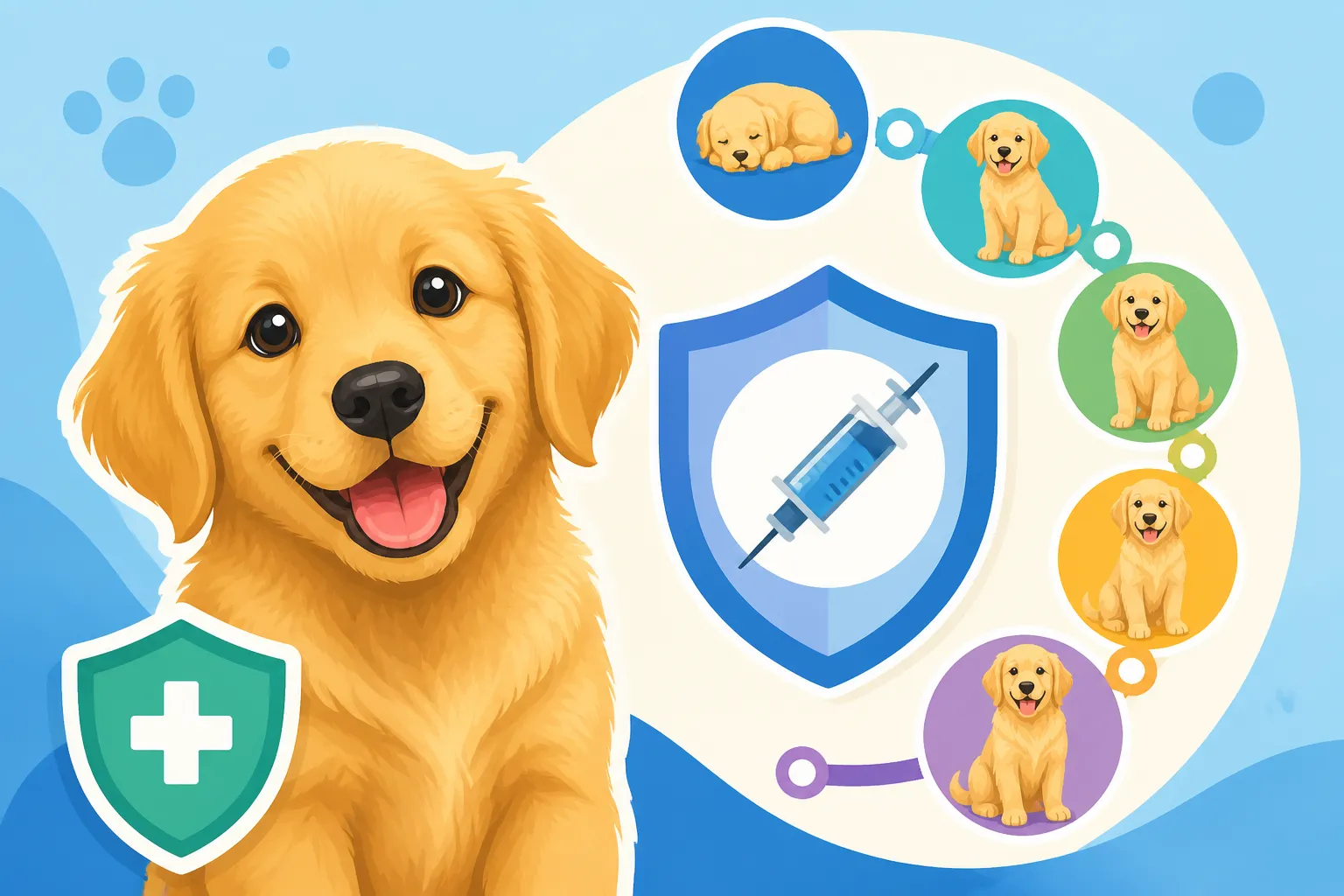
Understanding the typical vaccination timeline is key to ensuring your Golden Retriever puppy gets the protection they need at the right time. While your veterinarian will tailor the schedule to your individual puppy's health and local disease risks, there's a widely accepted protocol for core vaccines that every Golden puppy should receive. These core vaccines protect against the most common and dangerous diseases. Remember, it's not just a single shot; it's a series designed to build up lasting immunity as your puppy grows.
First Shots: Six to Eight Weeks
Typically, the first round of vaccinations begins when your Golden Retriever puppy is around six to eight weeks old. This initial visit to the vet is so important, often covered during The First Vet Visit for a Golden Retriever Puppy. At this stage, your pup will usually receive their first dose of the Distemper, Adenovirus, Parvovirus, and Parainfluenza combination vaccine, often abbreviated as DHPP or DAPP. This vaccine protects against the scary diseases we just talked about: distemper, infectious hepatitis (adenovirus), parvovirus, and parainfluenza virus.
It's a lot for a tiny pup, and you might notice them being a little subdued or sleepy for the rest of the day, which is perfectly normal. This first shot is crucial because it starts the process of stimulating their immune system. However, it's unlikely to provide full protection on its own, especially if any maternal antibodies are still present. This is why the subsequent booster shots are so vital; they reinforce the immune response, ensuring robust and long-lasting immunity. While your puppy is in this early stage of vaccinations, it's absolutely critical to limit their exposure to unknown dogs or public places where unvaccinated dogs might have been, as they are still vulnerable. Avoiding dog parks or pet stores until they are fully vaccinated is a smart move.
Boosters: Ten to Twelve Weeks and Fourteen to Sixteen Weeks
The real magic of puppy vaccination lies in the booster shots. Your Golden Retriever puppy will typically receive their second DHPP/DAPP booster at 10-12 weeks of age, and then a third booster at 14-16 weeks. These boosters are essential. They "remind" the immune system and overcome any lingering maternal antibodies that might have interfered with the earlier doses. Each booster builds upon the last, steadily increasing your puppy's protective antibody levels.
Think of it like building a sturdy wall brick by brick; one brick won't do much, but a series of carefully placed bricks creates a strong barrier. By the time your Golden has completed their 14-16 week booster, they should have a much stronger, more reliable immunity to these core diseases. Your vet will confirm when it's safe to start taking your pup out to more public areas or for supervised play with vaccinated dogs. These vet visits and preventative care contribute significantly to First Year Vet Costs for a Golden Retriever Puppy, so it’s always wise to factor them into your budget. This is also why having robust pet insurance like Healthy Paws can be a huge relief, helping to cover these necessary expenses and unexpected health issues that might pop up.
The Rabies Vaccine: A Legal Requirement and Lifesaver
Separate from the DHPP series, the rabies vaccine is a non-negotiable part of your Golden Retriever puppy's vaccination schedule. Rabies is a fatal viral disease that can affect all mammals, including humans, and is transmitted through the saliva of an infected animal, usually via a bite. Because of its severity and the public health risk, rabies vaccination is mandated by law in almost all states and localities.
Your Golden Retriever puppy will typically receive their first rabies vaccine around 12-16 weeks of age, often coinciding with their last DHPP booster. After this initial vaccine, your pup will need a booster one year later, and then typically every one or three years depending on local regulations and the specific vaccine used. Your veterinarian will provide you with a rabies certificate and tag, which are important legal documents. Keeping these records handy, along with information about Heartworm Prevention for Golden Retrievers and other preventative measures, is crucial for your Golden's ongoing health.
Here's a simplified table illustrating a common Golden Retriever puppy vaccination timeline:
| Age of Puppy | Vaccine Type | Notes |
|---|---|---|
| 6-8 Weeks | DHPP/DAPP (Distemper, Adenovirus, Parvovirus, Parainfluenza) | First dose. Start of the core vaccine series. |
| 10-12 Weeks | DHPP/DAPP Booster | Second dose. Continues to build immunity. |
| 12-16 Weeks | Rabies | First rabies vaccine. Legally required. |
| 14-16 Weeks | DHPP/DAPP Booster | Third/final dose in the puppy series. Crucial for full protection. |
| Annual/Triennial | Rabies Booster, DHPP/DAPP Booster | Follow vet's recommendation for adult boosters. |
Note: This is a general guideline. Your veterinarian will determine the exact schedule based on your puppy's health, local disease prevalence, and vaccine manufacturer recommendations.
Non-Core Vaccines and When Your Golden Might Need Them
Beyond the core vaccines, there's another category known as "non-core" vaccines. These aren't universally recommended for every Golden Retriever, but they are incredibly important for dogs whose lifestyle or geographic location puts them at higher risk for certain diseases. Deciding whether your Golden needs these extra layers of protection is a conversation you'll have with your veterinarian, as they can assess the specific risks your pup might face.
Lifestyle Matters: Factors Influencing Non-Core Vaccine Decisions
The need for non-core vaccines like Leptospirosis, Lyme disease, and Bordetella depends heavily on your Golden Retriever's lifestyle and environment.
- Leptospirosis: This bacterial disease is spread through the urine of infected wildlife (like raccoons, deer, rodents) and can contaminate water sources, wet soil, or even puddles. Goldens who spend time outdoors, especially in rural areas, around standing water (ponds, lakes, streams), or who frequently interact with wildlife, are at higher risk. If your Golden loves to swim or explore muddy trails, the Lepto vaccine might be a very smart choice. Symptoms in dogs can range from fever and lethargy to severe kidney and liver damage.
- Lyme Disease: Carried by deer ticks, Lyme disease is a bacterial infection that can cause lameness, joint pain, fever, and kidney issues. If you live in or frequently visit areas where Lyme disease is endemic (parts of the Northeast, Mid-Atlantic, upper Midwest, and Pacific Coast of the U.S. are notorious), and your Golden spends time in wooded or grassy areas, the Lyme vaccine is strongly recommended. This often goes hand-in-hand with diligent Flea and Tick Products Safe for Goldens to provide comprehensive protection.
- Bordetella (Kennel Cough): This vaccine protects against a common upper respiratory infection, often referred to as "kennel cough." While not typically life-threatening for healthy adult dogs, it can be quite miserable and spread rapidly in group settings. If your Golden Retriever will be attending puppy classes, doggy daycare, boarding facilities, or frequenting dog parks, the Bordetella vaccine is usually required or highly recommended to prevent outbreaks.
These are just a few examples, and your vet might discuss other non-core vaccines based on unique regional threats or your Golden's specific activities. This is where personalized veterinary care really shines.
Making Informed Choices with Your Vet
Choosing which non-core vaccines are right for your Golden Retriever is a collaborative decision between you and your veterinarian. They have the most up-to-date information on local disease outbreaks and can thoroughly assess your puppy's potential exposure. During your routine check-ups, especially during Why Goldens Need Vet Visits Twice a Year as they grow, be open about your Golden's daily routine, where you walk them, if they go to dog parks, or if you plan on traveling.
For example, if you live in a bustling city apartment and your Golden's outdoor excursions are limited to pavement, a Lyme vaccine might be less critical than for a Golden living on a farm in a tick-heavy region. Conversely, a city pup attending doggy daycare definitely needs Bordetella. Don't be afraid to ask questions. Discuss the pros and cons, the specific risks, and any potential side effects of each non-core vaccine. Remember, these discussions are part of providing the best preventative care, which is paramount when considering long-term health, and even how things like Pet Insurance for a Golden Retriever might cover different conditions. Many policies, like those from Healthy Paws, emphasize preventative care and make it easier for owners to say "yes" to these protective measures.
Understanding Vaccination Side Effects and Long-Term Protection
It's completely normal to feel a bit apprehensive about injecting your precious puppy with anything, even if it's for their good. Understanding potential side effects, however minor, and knowing how to maintain long-term immunity will help you feel more confident in the vaccination process. Just like with human vaccines, canine vaccinations are incredibly safe and effective, but occasionally, a pup might experience a mild reaction.
Minor Reactions and What's Normal
Most Golden Retriever puppies sail through their vaccinations with no noticeable issues at all, but some might have mild, temporary side effects. These are typically signs that their immune system is working exactly as it should, responding to the vaccine. Common mild reactions include:
- Soreness at the injection site: Just like us, a puppy might feel a little tender where they got the shot. You might notice them favoring a leg slightly if the vaccine was given in the thigh, or a small, firm bump under the skin that resolves in a few days.
- Lethargy or fatigue: Your pup might be sleepier than usual for 24-48 hours after vaccination. They might not be as eager to play and prefer to nap.
- Mild fever: A slight increase in body temperature is possible, often correlating with the lethargy.
- Decreased appetite: They might not be as enthusiastic about their kibble or treats for a day or so. This should pass quickly.
- Mild swelling or redness: At the injection site, a small amount of swelling or redness can occur.
If you notice any of these mild signs, keep an eye on your puppy, provide a quiet, comfortable space, and ensure they have access to water. These reactions are usually self-limiting and resolve within a day or two. It's helpful to remember that these minor inconveniences are a small price to pay for protection against potentially deadly diseases. Knowing about these possibilities can make a significant difference in your peace of mind, much like understanding Golden Retriever Puppy Feeding Amounts and Schedule helps with everyday care.
Serious, Rare Reactions: When to Worry
While rare, more serious allergic reactions can occur, typically within minutes to a few hours of vaccination. It's important to know what to look for, so you can act quickly if needed. Severe reactions can include:
- Facial swelling: Swelling around the eyes, muzzle, or ears.
- Hives: Bumps or red welts on the skin.
- Vomiting or diarrhea: More severe or persistent than a mild upset.
- Difficulty breathing: Wheezing, coughing, or labored breathing.
- Collapse or severe weakness: Your puppy becomes unresponsive or extremely weak.
If you observe any of these more serious symptoms, contact your veterinarian immediately. These reactions require prompt medical attention. While incredibly uncommon, it's why vets often ask you to wait in the clinic's waiting room for 15-30 minutes after initial puppy vaccines – just to be safe. Keeping your vet's emergency number handy, along with being prepared with a Building a First Aid Kit for a Golden Retriever, is always a good practice. Most Golden Retrievers will never experience anything more than a sleepy afternoon, but preparedness is always key for a responsible pet parent.
Maintaining Immunity: Future Boosters and Titers
Completing the puppy vaccination series is a huge milestone, but it's not the end of the road for protecting your Golden Retriever. Adult dogs still need booster vaccinations to maintain their immunity over their lifetime. For core vaccines like DHPP, boosters are typically given every one or three years, depending on the specific vaccine product and your vet's recommendation. Rabies, as mentioned, usually requires a booster annually or triennially by law.
Beyond the standard booster schedule, some owners opt for "titer testing" for certain diseases. A titer test measures the level of antibodies in a dog's blood, indicating their existing immunity to a specific disease. If a Golden has sufficient antibody levels, they might not need a booster for that particular year, potentially reducing the frequency of vaccinations. This is a topic to discuss with your vet, especially for older Goldens or those with certain health concerns. Regular veterinary check-ups are also crucial, not just for vaccinations, but for overall health screenings and to ensure that any health guarantee you received, like What a Golden Retriever Health Guarantee Covers, remains valid. Proactive care, including consistent preventative measures and being prepared for potential Golden Retriever Emergency Vet Bills, is the cornerstone of a healthy life for your beloved Golden.
Disclaimer
This article is intended for informational purposes only and does not constitute medical advice. Always consult with a qualified veterinarian regarding your Golden Retriever's health, vaccination schedule, and any specific medical concerns.