Quiet Signs a Golden Retriever Is Hurting
It's heartbreaking to realize our beloved Golden Retrievers might be suffering in silence. These wonderful dogs are often incredibly stoic, masters at hiding their discomfort, which can make it incredibly tough for us, their devoted owners, to spot when they're in pain. This guide is here to help you peel back that brave facade and recognize the quiet, often overlooked signs that your Golden Retriever is hurting, so you can get them the help they need before things escalate.
Subtle Shifts in Daily Behavior and Personality
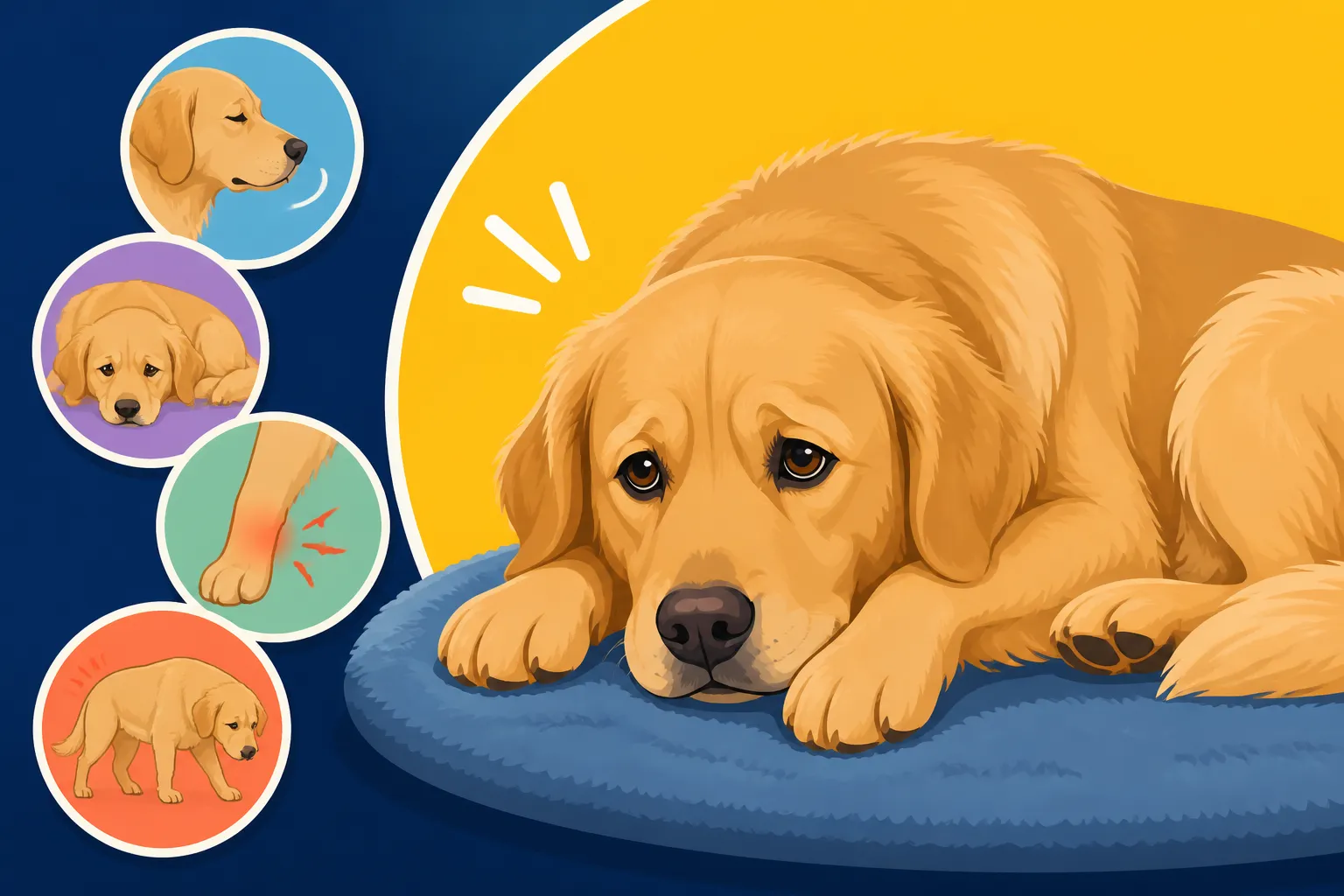
When a Golden Retriever, known for their perpetually cheerful disposition, starts acting a little "off," it's easy to dismiss it as just an off day or a sign of aging. But often, these subtle changes in their usual routine or personality are the first quiet whispers that something deeper, like pain, is at play. They might not limp dramatically, but their world could be shrinking.
Imagine your Golden, usually your shadow, suddenly choosing to lie in another room, away from the hustle and bustle of family life. This isn't just them being independent; it could be an avoidance strategy, trying to find a quiet space where they won't be bumped or jostled, which might aggravate an ache or a sore spot. They might stop greeting you at the door with the usual exuberant tail wags and joyful wiggles, instead offering a more subdued acknowledgment from their bed. This decrease in enthusiasm for things they once adored, like a favorite toy or the sound of the leash jingling, is a red flag. It’s not just a loss of interest; it could be that the movements involved in play or walks have become uncomfortable. Owners often notice Signs a Golden Retriever Is Aging Early, and while some changes are normal, a sudden decline in joyful interaction often signals underlying pain.
Another common behavioral change related to pain is an alteration in their sleep patterns. A comfortable Golden typically settles down easily and sleeps soundly. However, a dog in discomfort might struggle to find a comfortable position, constantly shifting, sighing, or getting up and lying back down multiple times throughout the night. Conversely, some Goldens might start sleeping more than usual, using excessive rest as a coping mechanism for persistent pain or fatigue. They might seem more lethargic during the day, less inclined to engage in their usual activities, or even snap at another pet or a child for encroaching on their space – behavior that is very uncharacteristic for the generally tolerant Golden Retriever breed. Pay close attention if your typically social Golden starts to become irritable or less patient, especially if touch is involved.
Changes in Movement, Posture, and Activity Level
Our Golden Retrievers are active dogs, built for retrieving with boundless energy. So, when their movements become less fluid, or their posture shifts, these are often strong indicators of physical pain, even if they're trying their best to hide it from you. It’s not always a dramatic limp; sometimes it’s just a little hesitation.
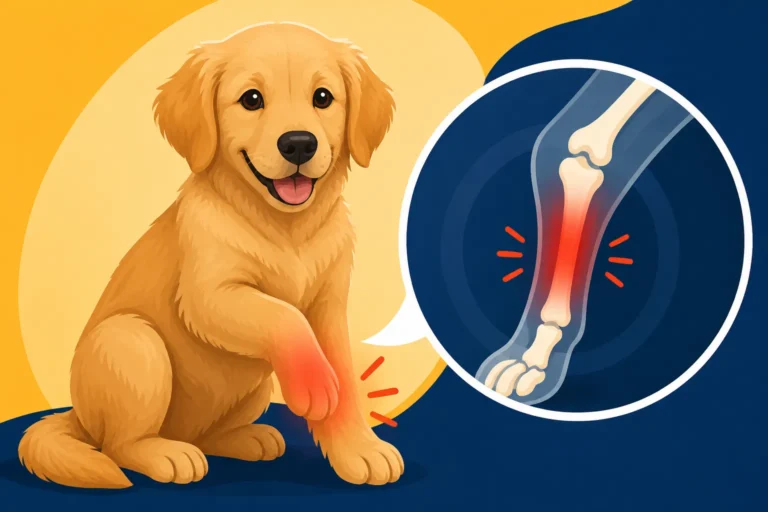
One of the most common, yet often overlooked, signs is a change in how they transition between positions. Does your Golden take longer to get up from a lying position, perhaps with a slight grunt or a visible effort? Do they lower themselves to the ground more slowly or with a distinct "thud" rather than a smooth descent? This can point to joint pain, especially in conditions like Golden Retriever Hip Dysplasia Symptoms by Age or arthritis. You might also notice a reluctance to jump into the car, onto the couch, or climb stairs, preferring to wait for assistance or simply opting out altogether. They might even begin to use ramps more readily if they were previously hesitant, indicating that jumping has become painful.
Observe their gait carefully. Instead of a free, flowing trot, you might see a subtle stiffness, a shorter stride, or even a slight head bob as they try to redistribute their weight away from a sore limb. Sometimes, they might exhibit a "bunny hopping" gait, where both back legs move together, especially when running. This is a classic sign associated with hip discomfort. Pay attention to how they hold their body. A hunched back, a tucked tail, or holding their head lower than usual can all signify discomfort in their spine or abdomen. Even if they still want to go for a walk, their pace might be slower, or they might tire more quickly than before. If they used to eagerly pull on the leash and now lag behind, it's worth investigating. For Goldens with heart conditions, like Subaortic Stenosis in Golden Retrievers, exercise intolerance can also be a sign of pain or distress during activity, further underscoring the need for careful observation.
Alterations in Appetite, Hydration, and Elimination Habits
Pain, whether acute or chronic, can have a profound impact on a Golden Retriever's basic physiological needs, manifesting as changes in their eating, drinking, and bathroom routines. These aren't always direct cries for help, but rather indirect signals that their body isn't feeling right.
A sudden change in appetite is often one of the first things owners notice. A Golden who usually inhales their food might start picking at it, eating less, or even refusing meals altogether. This could be due to abdominal pain, dental discomfort (making chewing painful), or a general feeling of malaise. On the flip side, some dogs, particularly those with certain metabolic conditions that can be exacerbated by pain, might show an increased appetite, though this is less common with pain directly. If your Golden is showing discomfort when eating, perhaps dropping food or chewing only on one side of their mouth, it might be a dental issue that requires veterinary attention. Similarly, changes in hydration—drinking significantly more or less water—can also be red flags. While increased thirst can point to conditions like kidney disease or diabetes, pain can also lead to dehydration if a dog is too uncomfortable to move to their water bowl, or, less commonly, excessive panting due to pain can increase water intake. Knowing Why a Golden Retriever Suddenly Stops Eating is crucial, as pain is a significant contributor.
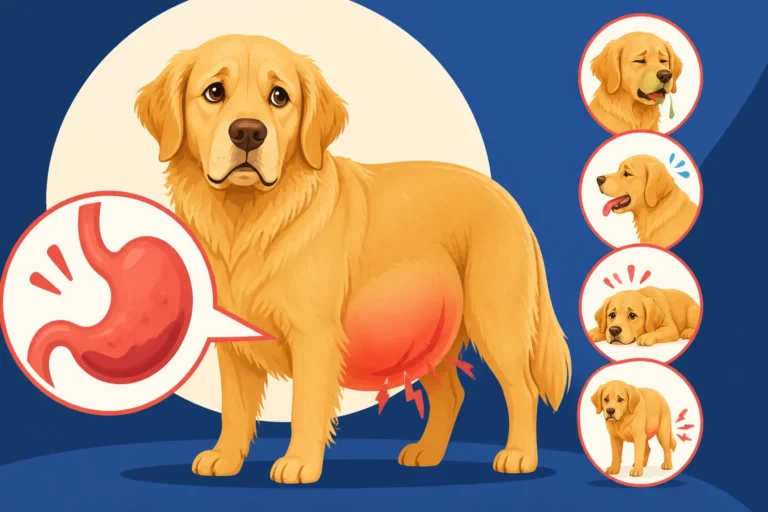
Elimination habits are another crucial area for observation. Pain in the back, hips, or abdomen can make the postures required for urinating or defecating very uncomfortable. You might notice your Golden straining more, squatting awkwardly, or even having accidents inside the house, not because they’ve forgotten their training, but because they can’t comfortably hold it or get to their usual spot in time. Changes in stool consistency, such as diarrhea or constipation, can also be associated with internal discomfort or stress related to pain. For example, if your Golden is experiencing Bloat Symptoms Every Golden Retriever Owner Should Know, changes in elimination might be part of the emergency situation, highlighting how quickly things can become serious. Tracking these seemingly minor changes can provide vital clues to their overall well-being. Keeping a close eye on these everyday functions, even jotting down notes, can provide valuable information for your veterinarian. This is precisely why having robust pet insurance like Healthy Paws can be a lifesaver, covering the diagnostics and treatments needed when these quiet signs turn out to be something serious.
Grooming Habits, Vocalizations, and Touch Sensitivity
Golden Retrievers are generally clean dogs, and their communication is usually quite clear, if sometimes a bit dramatic (hello, excited grumbles!). However, when pain enters the picture, their subtle cues in grooming, vocalization, and how they react to touch can be incredibly telling for the attentive owner. These aren't always big, flashy signals, but soft murmurs that something is amiss.
One of the most common quiet signs of localized pain is excessive licking or chewing at a particular body part. This could be a paw, a leg, their belly, or even a specific joint. While sometimes this indicates an itch or an allergy (like Golden Retriever Hot Spots and What Causes Them), it can also be a dog's way of trying to soothe pain or discomfort in that area. If you notice a patch of fur becoming discolored from saliva, or skin irritation developing in a specific spot, it’s definitely time for a closer look. On the flip side, a Golden in significant pain might neglect their regular grooming, leading to a dull, unkempt coat. They might not be able to comfortably reach certain areas, or the general discomfort might make them less inclined to engage in self-care.
Vocalizations can be tricky with Goldens, as they have a wide range of happy noises. However, listen for new sounds or sounds made in unusual contexts. Are they sighing or groaning more frequently when lying down or shifting position? Do they let out a quiet whimper or pant excessively when resting, not due to heat or excitement? These soft sounds can be indications of chronic pain. Furthermore, a Golden who is usually eager for cuddles might suddenly become sensitive to touch, flinching or pulling away when petted in certain areas. They might even offer a low growl or snap, which is extremely uncharacteristic for the breed, if you accidentally touch a very painful spot. This isn't aggression; it's a desperate plea for you to stop hurting them. You might notice them guarding a particular area, refusing to let you examine it, especially if there are Lumps on a Golden Retriever That Need a Vet. The presence of such a lump could very well be the source of their pain.
It's also worth noting that changes in their usual "happy pant" or excited noises can be significant. If their panting sounds more strained, or if they seem to be breathing heavily even when calm, it could indicate pain or other underlying health issues. Similarly, if your Golden has an ear infection, a common issue for Ear Infections in Floppy-Eared Goldens, they might shake their head excessively or shy away from having their ears touched, demonstrating another specific type of pain. When you observe any of these quiet signs, it’s imperative to schedule a vet visit. Early detection of pain means a better prognosis and a faster return to comfort for your beloved companion, and having pet insurance like Healthy Paws can make those necessary diagnostic tests and treatments much more accessible, ensuring your Golden gets the best care without financial worry.
Here’s a quick overview of some quiet pain indicators to keep an eye on:
| Category | Subtle Signs to Watch For | Potential Underlying Causes |
|---|---|---|
| Behavioral | Reduced enthusiasm for play/walks, seeking solitude, irritability | Arthritis, joint pain, internal discomfort, cognitive decline |
| Movement & Posture | Hesitation in jumping, slower transitions, stiff gait, hunched back | Hip/elbow dysplasia, arthritis, spinal issues, muscle strains |
| Appetite & Thirst | Decreased appetite, reluctance to chew, altered water intake | Dental pain, gastrointestinal issues, systemic illness, organ dysfunction |
| Elimination | Straining, accidents, changes in stool/urine consistency | Bladder/bowel issues, kidney disease, back pain affecting posture |
| Grooming/Touch | Excessive licking of one area, dull coat, flinching when touched | Localized pain (injury, hot spot), skin irritation, generalized discomfort |
| Vocalizations | Increased sighing, groaning, subtle whimpers, restless panting | Chronic pain, anxiety related to discomfort, respiratory distress |
This table is a snapshot, but remember that any persistent change in your Golden Retriever’s usual demeanor or physical habits warrants a call to your veterinarian. They are experts at putting these quiet signs together to find the full picture.
Disclaimer
The information provided in this article is for educational purposes only and is not intended to be a substitute for professional veterinary advice, diagnosis, or treatment. Always seek the advice of your veterinarian or other qualified animal health provider with any questions you may have regarding a medical condition.