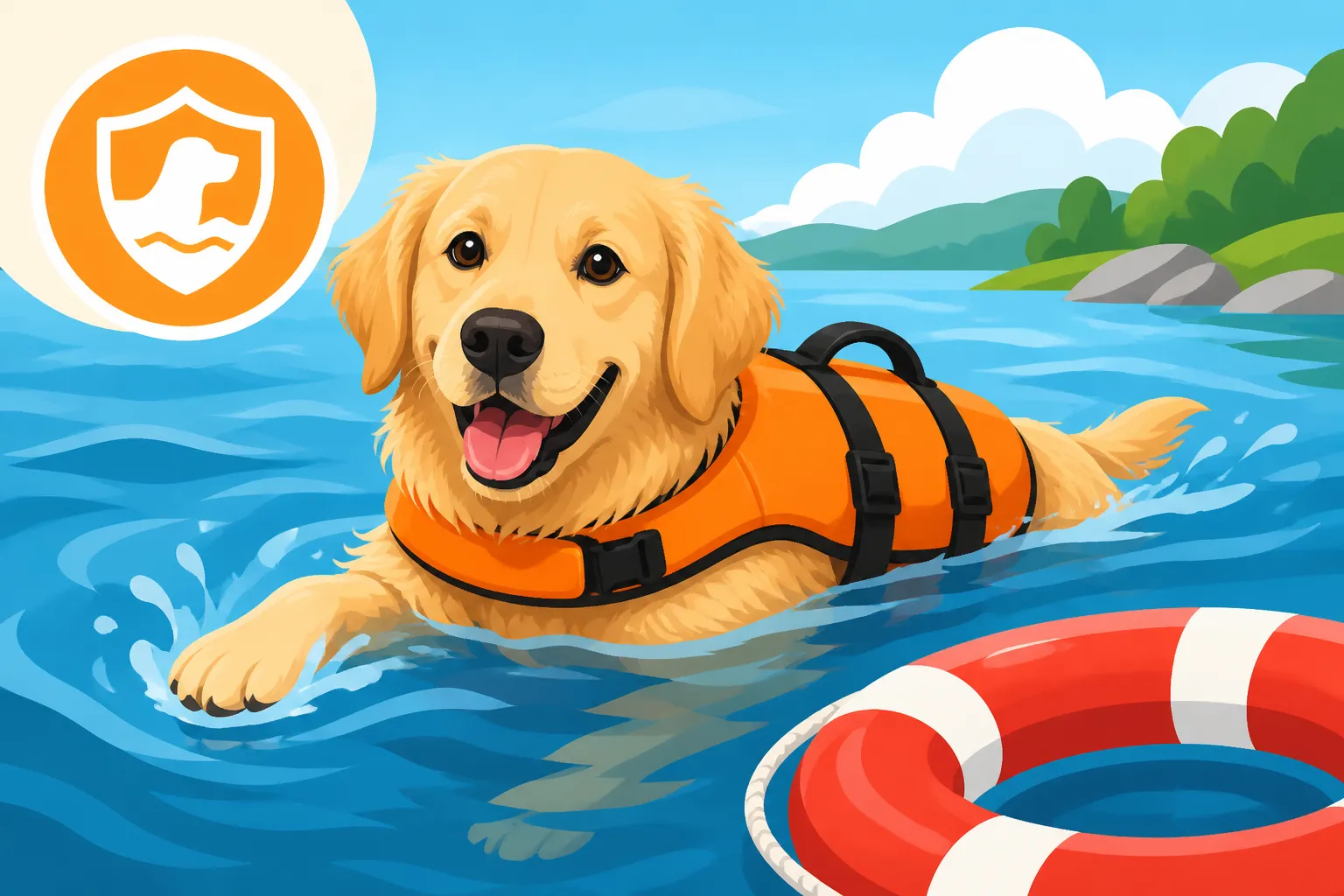
Swimming Safety for Golden Retrievers
For many Golden Retriever owners, the sheer joy of watching their beloved companion splash and play in the water is one of life's purest pleasures. However, this natural enthusiasm for swimming can sometimes blind us to the very real dangers that lurk beneath the surface or even on seemingly safe shores. This guide aims to equip you with all the knowledge you need to ensure every swim is not only fun but, most importantly, safe for your Golden.
Understanding Your Golden Retriever's Natural Affinity for Water
Golden Retrievers and water often go hand-in-paw, and it's not just a coincidence. Their breed history and physical characteristics make them exceptionally well-suited for aquatic adventures, which is why so many of them absolutely adore taking a dip. But understanding this natural inclination also means acknowledging the responsibilities that come with it.
Why Goldens Love the Water So Much
If you’ve ever watched a Golden Retriever encounter a body of water, you’ve likely witnessed an explosion of pure delight. This isn't just a quirky personality trait; it's deeply ingrained in their DNA. Golden Retrievers were originally bred in Scotland in the mid-1800s by Lord Tweedmouth, specifically to retrieve shot waterfowl from both land and water. This means they were selectively bred for traits like a strong retrieving instinct, a "soft mouth" (to carry game without damaging it), and, crucially, a love for water. Their dense, water-repellent double coat acts like a natural wetsuit, providing insulation and shedding water remarkably well, while their webbed feet offer excellent propulsion. All these factors combine to make swimming feel utterly natural and incredibly rewarding for them. For a comprehensive overview of their heritage, you might want to check out our article on The Golden Retriever Breed Explained.
Beyond their physical adaptations, Golden Retrievers are also highly intelligent and eager-to-please dogs. When they discover something that makes their humans happy, like retrieving a toy from a lake, they're often keen to repeat the behavior. The sensory experience itself—the cool water, the chase, the physical exertion—is also highly stimulating and satisfying for them. It’s a full-body workout that taps into their genetic programming, burning off all that wonderful Golden energy and providing immense mental enrichment.
Instilling a Positive Relationship with Water Early On
Even with a strong genetic predisposition, not every Golden Retriever puppy will instantly dive into the nearest puddle. Some can be hesitant, cautious, or even a little scared at first, and that's perfectly normal. The key is to introduce them to water gently and positively, ensuring their first experiences are enjoyable and confidence-building. Start with shallow water, perhaps a kiddie pool in the backyard on a warm day, or a very calm edge of a lake. Toss a favorite floating toy just within reach and praise them lavishly for any interaction, even just dipping a paw. Avoid forcing them or throwing them in, as a negative early experience can create a lifelong aversion or fear.
As they grow, you can gradually increase the depth and duration of their water exposure. Always be present and supervising, especially in unfamiliar environments. Make it a game, a fun activity you do together, rather than a chore or something they're pressured into. This early, positive association builds trust and teaches them that water is a safe and exciting place to be. Remember that proper socialization also involves exposing them to various environments, including different water sources, in a controlled manner.
Essential Safety Gear and Preparation for Swimming
You wouldn't jump into deep water without considering your own safety, and the same should absolutely apply to your Golden Retriever. While they are natural swimmers, being prepared with the right gear and making some pre-swim checks can make a world of difference in preventing accidents and ensuring their well-being.
Choosing the Right Life Vest for Your Golden
Even the strongest swimmer can face unexpected challenges in the water, from strong currents to sudden fatigue. That's where a high-quality life vest becomes an absolute non-negotiable piece of safety equipment. Many owners think, "My Golden can swim, they don't need a vest," but this is a dangerous misconception. A life vest provides crucial buoyancy, especially for older Goldens, puppies, or dogs who might tire quickly. It also offers a handle on the back, which is incredibly useful for guiding them into or out of the water, or for quickly retrieving them in an emergency. Look for vests with bright, visible colors (like orange or yellow) so your dog is easy to spot.
When selecting a life vest, fit is paramount. It should be snug but not restrictive, allowing for full range of motion. Pay attention to adjustable straps around the neck and belly, and ensure the vest extends far enough down their back to provide adequate support. Brands like Ruffwear and Outward Hound are popular choices known for their durability and good design. Test the vest in shallow water first to make sure it doesn't chafe and that your Golden is comfortable wearing it. Think of it as investing in peace of mind; it's a small price to pay for your beloved companion's safety, especially considering the potential costs of a vet emergency. Many pet insurance plans, like those offered by Healthy Paws, can help with unexpected medical bills, but prevention is always the best approach.
Pre-Swim Checks and Considerations
Before your Golden Retriever even dips a paw in the water, a few quick checks can help prevent common issues. First, ensure their nails are trimmed to a safe length. Long nails can get snagged, cause discomfort, or even injure their paws when scrambling on slippery banks or boat ramps. Regular Golden Retriever Ear, Paw and Nail Care is important for overall health, not just swimming. Next, check the swimming environment itself. Is the water clear of debris, sharp objects, or strong currents? Are there safe entry and exit points? For lakes or ponds, be mindful of harmful algae blooms, which can be toxic. A quick online search for local water quality reports can be invaluable.
Consider the weather and water temperature. Extremely cold water can lead to hypothermia, even for a double-coated Golden, while overly warm water can contribute to overheating, especially on a hot day. Make sure to bring plenty of fresh drinking water for your dog to prevent them from drinking potentially contaminated lake or ocean water, which can lead to gastrointestinal upset or even water intoxication. Finally, always have a first-aid kit readily available, stocked with essentials for minor cuts, scrapes, or ear cleaning supplies.
Common Swimming Hazards and How to Mitigate Them
While the mental and physical benefits of swimming for a Golden Retriever are undeniable, overlooking potential hazards can turn a joyful outing into a stressful situation. It’s crucial for owners to be aware of the specific dangers associated with different types of water bodies and take proactive steps to minimize risk.
Navigating Natural Water Bodies: Lakes, Rivers, and Oceans
Natural bodies of water offer a sense of freedom and adventure, but they come with their own unique set of risks that differ significantly from a controlled pool environment. Rivers, for example, can have deceptively strong currents that can quickly sweep away even a powerful swimmer like a Golden Retriever. Always assess the current before allowing your dog in, and consider keeping them on a long line if there's any doubt. Oceans present challenges with tides, powerful waves, and undertows. Even on calm days, a strong wave can disorient a dog or pull them further offshore. Always swim during low tide or when the water is calm, and stay close to the shoreline.
Lakes and ponds, while often appearing serene, can harbor hidden dangers. Submerged branches, rocks, or discarded items can cause injuries. Harmful algal blooms (HABs), particularly blue-green algae, are a growing concern in many freshwater bodies during warmer months. These toxins can be deadly if ingested. Always check local news or park advisories for water quality warnings. Additionally, still water can be home to parasites like Giardia or Leptospirosis, so discuss preventative measures like specific vaccines (e.g., Lyme and Leptospirosis Shots for Golden Retrievers) with your vet, and ensure your Golden has up-to-date Heartworm Prevention for Golden Retrievers.
Pool Safety for Golden Retrievers
Swimming pools, despite being man-made and seemingly safer, have their own distinct hazards. The most immediate concern is access and exit. Many Goldens, especially puppies or older dogs, might struggle to find or use pool stairs or ladders. It’s vital to teach your dog where the exits are and how to use them. Practice guiding them to the stairs repeatedly until they can confidently get out on their own. For dogs who are frequently in a pool, consider investing in a dog-friendly ramp that attaches to the side.
Another major consideration is pool chemicals. Chlorine and other sanitizers, while necessary for human health, can be irritating to your Golden's skin, eyes, and respiratory system if they ingest too much water or aren't rinsed off properly. Always offer fresh water nearby and encourage them to drink that instead of pool water. The slippery surfaces around pools can also lead to slips, falls, and injuries, particularly on growing or arthritic joints. Supervise playtime around the pool to minimize running on wet concrete, which can contribute to problems like Golden Retriever Arthritis and Joint Decline. Finally, ensure pools are securely fenced or covered when not in use to prevent unsupervised access.
Post-Swim Care to Prevent Health Issues
The fun doesn't stop once your Golden Retriever leaves the water. In fact, what you do immediately after a swim is just as important as the precautions you take beforehand to ensure their long-term health and comfort. Neglecting proper post-swim care can lead to a host of uncomfortable and potentially serious issues, especially given the Golden's unique coat and ear structure.
Thorough Rinsing and Drying to Prevent Skin and Ear Problems
A Golden Retriever's glorious double coat, while excellent for repelling water, can also trap moisture against the skin if not dried properly. This creates a perfect breeding ground for bacteria and yeast, leading to dreaded "hot spots" or other skin irritations. After every swim, regardless of whether it's fresh water or chlorinated, rinse your Golden thoroughly with clean, fresh water. This removes chlorine, salt, dirt, debris, and potential irritants that could be lurking in natural water sources. Pay special attention to their undercarriage, tail, and the feathery bits on their legs, which can mat easily.
Once rinsed, the drying process begins. Towel dry them as much as possible, then use a high-velocity dog dryer if you have one, paying close attention to the dense undercoat. If you don't have a dryer, ensure they air dry in a warm, clean area, possibly with a fan. Don't forget their floppy ears! These ear flaps trap moisture, making Golden Retrievers particularly prone to ear infections. After rinsing, gently clean their ears with a veterinarian-approved ear cleaner, like those often recommended for preventing Ear Infections in Floppy-Eared Goldens, and then ensure the ear canal is completely dry. This meticulous care is crucial for maintaining their skin and ear health.
Recognizing and Addressing Water-Related Health Concerns
Even with the best preparation, sometimes issues arise. Two common water-related problems Golden Retrievers can experience are limber tail and water intoxication. Limber tail, also known as "cold tail" or "swimmer's tail," is a painful condition where the tail goes limp, often after strenuous swimming or exposure to cold water. It's thought to be a muscle sprain or strain. If your Golden's tail is hanging limp or held stiffly a few inches from the base, they might have Limber Tail in a Golden Retriever After Swimming. Rest and pain management (under vet guidance) are usually key.
Water intoxication, though less common, is far more serious. It occurs when a dog ingests too much water too quickly, diluting their electrolyte levels. Symptoms can include bloating, lethargy, vomiting, staggering, pale gums, and dilated pupils. In severe cases, it can lead to seizures, coma, or even death. This often happens during intense retrieve games where dogs are repeatedly diving and swallowing water. If you suspect water intoxication, seek emergency veterinary care immediately. Remember, unexpected vet visits can be costly, and having a plan, like pet insurance from providers such as Healthy Paws, can make a huge difference in these stressful situations. Always monitor your Golden for signs of fatigue or discomfort, and know when it’s time to take a break from play.
Here's a quick overview of common water sources and their associated safety considerations:
| Water Body Type | Pros for Golden Retrievers | Cons for Golden Retrievers | Key Safety Precautions |
|---|---|---|---|
| Swimming Pools | Controlled environment, clear water, predictable exits. | Chlorine/chemicals, slippery surrounds, limited or difficult exits for dogs, potential for unsupervised access. | Teach easy exit points (stairs/ramps). Rinse thoroughly post-swim. Restrict access when unsupervised. Provide fresh drinking water. Supervise running on wet surfaces to protect joints. |
| Lakes/Ponds | Natural feel, varying depths, often calmer than oceans. | Hidden debris/snags, harmful algae blooms, parasites (Giardia, Lepto), unpredictable currents near inlets, muddy bottom. | Research water quality/algae warnings. Check for submerged hazards. Provide fresh drinking water. Ensure up-to-date vaccinations. Supervise continuously, especially in areas with potential currents. Rinse thoroughly. |
| Rivers | Moving water can be fun, natural environment. | Strong, unpredictable currents; rapid changes in depth; hidden rocks/debris; potential for run-off contamination. | Always assess current strength before entry. Use a long line or life vest if unsure. Identify safe entry/exit points. Avoid during/after heavy rains (increased run-off). Stay in shallow, calm areas. |
| Oceans | Expansive space, waves can be exciting, unique sensory experience. | Strong tides/undertows, powerful waves, jellyfish/marine life, salt irritation, high chance of swallowing salt water. | Swim during calm periods/low tide. Keep dog on leash or close. Avoid areas with strong waves or known marine hazards. Provide plenty of fresh water to drink. Rinse thoroughly post-swim, especially ears. Be aware of Golden Retriever Heat Tolerance and Overheating in summer sun. |
Ensuring your Golden Retriever has safe and enjoyable swimming experiences requires vigilance and preparation, but the joy it brings both of you is truly worth the effort. From teaching them good water manners to having the right gear, these proactive steps will help your water-loving companion enjoy their favorite activity for years to come. Remember that active breeds like Goldens need regular Exercise a Golden Retriever Needs Each Day, and swimming is a fantastic, low-impact way to meet those needs. For more details on the care your Golden might need throughout their life, our guide on Golden Retriever Lifetime Cost From Puppy to Senior touches on health expenses and how an emergency fund or pet insurance can be invaluable.
Disclaimer
Please remember that this article provides general information and advice for Golden Retriever owners. Every dog is an individual, and health situations can vary. Always consult with a qualified veterinarian or professional dog trainer for personalized advice regarding your pet's specific health, training, and safety needs.