Limber Tail in a Golden Retriever After Swimming
It’s truly alarming and heartbreaking when your usually boisterous Golden Retriever, who lives for a good swim, suddenly emerges from the water looking miserable, with their tail hanging limp and lifeless. One minute they’re gleefully splashing, and the next, they’re cowering, hesitant to wag, and clearly in pain. Many owners initially fear a broken tail or a serious spinal injury, and that gut-wrenching worry is completely valid. This guide is here to shed light on a common, albeit frightening, condition known as limber tail syndrome, especially prevalent in our beloved water-loving Goldens after a dip.
What Exactly is Limber Tail and Why Does it Happen
Limber tail, often referred to as acute caudal myopathy, cold water tail, swimmer’s tail, or even dead tail, is a painful muscle injury that affects the tail base of active dogs. It’s not a broken bone, despite how dramatically the tail might droop. Instead, it’s an inflammation or strain of the muscles at the very top of the tail, where it connects to the body, and sometimes further down. Think of it like a severe muscle pull or cramp, but for a dog's most expressive appendage.
The primary culprits are typically overexertion, particularly when combined with exposure to cold water. Imagine going for an intense workout without warming up, and then plunging into an icy pool. Your muscles would scream! For a Golden Retriever, whose tail is a powerhouse for balance and propulsion in the water, a strenuous swimming session, especially in chilly temperatures, can put immense strain on these muscles. The deep muscles at the base of the tail, particularly the coccygeal muscles, can become damaged, leading to swelling and pain. This condition isn't limited to swimming, though. Any intense tail use, like prolonged wagging during an exciting event or even extended crate rest, can sometimes trigger it, but water activities are by far the most common cause in Goldens.
Beyond cold water and overexertion, there’s a theory that poor blood circulation to the tail muscles (ischemia) might play a role, particularly after prolonged use or exposure to cold. When these muscles work hard without adequate blood flow, they can become deprived of oxygen, leading to pain and dysfunction. This is why you often see it after a long day of retrieving or swimming, where the tail is constantly working, acting like a rudder.
Recognizing the Signs of Limber Tail in Your Golden Retriever
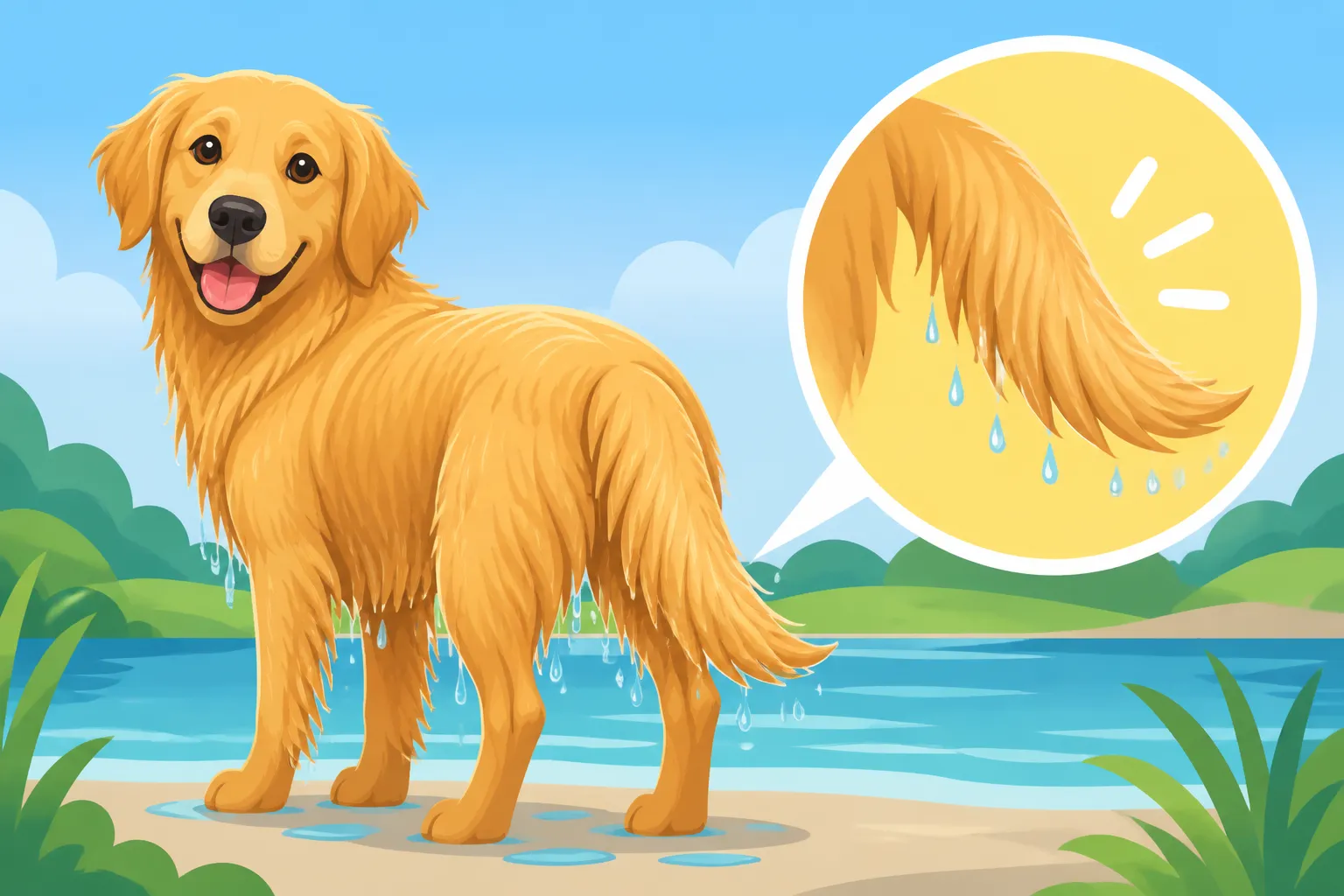
Identifying limber tail is usually quite straightforward once you know what to look for, but it can be mistaken for more serious issues initially. The most hallmark sign is, of course, the tail itself. Instead of its usual happy, swishing motion or graceful curve, it will hang limp. Often, a Golden Retriever's tail will drop about one to three inches from the base, then hang vertically or horizontally in a straight line, completely flaccid, resembling an "L" shape or a pump handle. It’s a stark contrast to their normal tail carriage.
Beyond the visible tail posture, you’ll notice distinct behavioral changes that indicate pain and discomfort. Your Golden might be reluctant to sit, preferring to stand or lie down in an awkward position to avoid putting pressure on their tail. They may have difficulty finding a comfortable resting position. Wagging, which is usually second nature for a Golden Retriever, will be impossible or cause obvious distress, sometimes even a yelp. They might whine, whimper, or show other signs of pain, such as restlessness, panting, or a decreased appetite. Some dogs will even lick or chew at the base of their tail in an attempt to soothe the discomfort.
It’s crucial not to dismiss these signs, even if you suspect limber tail. While often self-limiting, the symptoms can mimic other, more severe conditions such as a broken tail, a fracture, a spinal injury, or even an anal gland infection. This is why a vet visit is always recommended to get a proper diagnosis and rule out anything more serious. Your veterinarian will typically examine the tail, palpate the muscles at the base, and might recommend X-rays to ensure there are no fractures or other underlying issues. This is especially important for conditions like osteosarcoma, a type of bone cancer that can appear on the tail, although this is far less common. If your dog is showing any signs a golden retriever is in pain, it's always best to consult with your vet.
Treating and Managing Limber Tail at Home
Once your veterinarian has confirmed that it is indeed limber tail and not a more serious injury, the good news is that it’s usually a self-resolving condition with appropriate care. The cornerstone of treatment for limber tail is rest, rest, and more rest. Just like any other muscle strain, the affected muscles need time to heal without further aggravation. This means no swimming, no strenuous play, no long walks, and definitely no tail-chasing games for at least a week, and sometimes up to two.
Alongside rest, managing the pain and inflammation is key to your Golden Retriever's comfort. Your vet will likely prescribe a non-steroidal anti-inflammatory drug (NSAID), such as carprofen, meloxicam, or galliprant, to reduce swelling and alleviate pain. It’s absolutely vital to only use medications prescribed by your vet and follow their dosage instructions meticulously. Never give human pain relievers, as many are toxic to dogs. While these medications help, remember they are for pain management and not a quick fix; the underlying muscle needs time to recover. For unexpected vet visits and prescribed medications, having pet insurance like Healthy Paws can be a real lifesaver, helping to cover a significant portion of these costs and give you peace of mind.
Applying warm compresses to the base of the tail can also provide some relief. A warm, damp towel held against the affected area for 10-15 minutes, a few times a day, can help improve blood flow and relax the muscles. Gentle massage, if your dog tolerates it and it doesn't cause further pain, might also be beneficial. Ensure your Golden has a comfortable, soft place to rest, perhaps an orthopedic bed, that doesn't put pressure on their tail. Most dogs show significant improvement within a few days and are back to their old selves within a week or two. In some cases, mild residual stiffness might linger a bit longer.
Preventing Limber Tail in Your Water-Loving Golden
Given how distressing limber tail can be for both you and your Golden Retriever, prevention is definitely better than cure. The good news is that many preventative measures are simple and can be easily incorporated into your routine.
Gradual Acclimatization to Water:
Don't let your Golden plunge into cold water after being sedentary or on a hot day. Just like human athletes, dogs need to warm up. If the water is chilly, introduce your Golden to it gradually. Start with shorter sessions and slowly increase the duration as they get used to the temperature and the activity level. This is particularly important if you live in an area where the water temperature fluctuates significantly, or if your dog hasn't been swimming for a while. Think about how you'd slowly wade into a cool lake rather than diving in headfirst, and apply that same principle to your dog. For dogs prone to conditions like Golden Retriever Arthritis and Joint Decline, a careful approach to activity is always wise.
Managing Exercise Intensity:
While Goldens need a good amount of exercise, overdoing it, especially after a period of lower activity, can predispose them to injuries like limber tail. If your Golden Retriever is usually a couch potato but gets an unexpected burst of energy and spends hours retrieving dummies from a lake, they’re at higher risk. Build up their stamina gradually. Ensure they get enough regular exercise, but avoid pushing them to exhaustion, especially with high-impact activities in water. Understanding How Much Exercise a Golden Retriever Needs can help you balance their activity levels effectively.
Thorough Drying After Swimming:
This is a big one, especially for Goldens with their thick double coats. After any water activity, particularly in cooler weather, make sure to thoroughly dry your Golden Retriever, paying special attention to the base of their tail and hindquarters. A quick towel-off might not be enough. You can use an absorbent towel or even a dog-specific blow dryer on a cool setting. The goal is to prevent the muscles from staying cold and damp, which can contribute to muscle stiffness and inflammation. This is similar to how cold weather can impact a Cold Weather and a Golden Retriever's Double Coat in general.
Regular Breaks During Play:
Even if the water isn't particularly cold, prolonged, intense tail use can lead to limber tail. If your Golden loves fetching endlessly from the water, enforce breaks. Call them out of the water, encourage them to rest for 10-15 minutes, and maybe offer some water to drink. This gives the muscles a chance to recover and prevents them from becoming over-fatigued.
Here's a quick comparison of limber tail with other common tail issues:
| Symptom / Condition | Limber Tail (Acute Caudal Myopathy) | Tail Fracture/Break | Anal Gland Impaction/Abscess | Sciatic Nerve Injury |
|---|---|---|---|---|
| Tail Posture | Flaccid, "L" shape, hangs down from base (1-3 inches out) | Often limp/crooked at fracture site, visible swelling/bruising | Tail held down, tucked between legs, intense discomfort | May be tucked, weakness in hind legs, neurological signs |
| Onset | Sudden, typically after strenuous activity (especially cold water) | Sudden, after trauma (e.g., slammed door, fall) | Gradual or sudden, often with straining to defecate, scooting | Sudden, after trauma or disc issue, may affect gait |
| Pain Level | Moderate to severe at tail base, when touched or attempting to wag | Severe, localized at fracture site, extreme sensitivity | Severe, localized around anus, dog may lick/chew excessively | Variable, may include numbness, weakness, lameness in leg(s) |
| Associated Behaviors | Reluctance to sit, stand, or wag; whining, licking tail base | Yelping, crying, reluctance to move, guarding tail | Scooting, biting at hindquarters, difficulty defecating | Dragging hind paw, difficulty jumping, altered gait |
| Common Trigger (Goldens) | Swimming, intense retrieving, cold water | Accident, blunt force trauma | Dietary issues, lack of fiber, infrequent expression | Back injury, disc disease, hip issues |
| Treatment | Rest, NSAIDs, warm compresses | Splinting, surgery (rare), pain meds, strict rest | Manual expression, antibiotics, surgery (for abscess) | Rest, NSAIDs, physical therapy, sometimes surgery |
Remember, any time your Golden Retriever shows signs of pain or unusual behavior related to their tail, a veterinary consultation is essential. Early and accurate diagnosis ensures they get the right care, whether it’s for limber tail or something more complex. Timely intervention can make all the difference in their comfort and recovery. While you might not often consider it, Building a First Aid Kit for a Golden Retriever can also be helpful for minor issues at home before a vet visit.
Disclaimer
The information provided in this article is for educational and informational purposes only, and does not constitute veterinary advice. Always consult with a qualified veterinarian for any health concerns or before making any decisions related to your pet's medical care.