Training a Golden Retriever as a Therapy Dog
It’s a truly heartwarming thought, isn't it? Imagining your beloved Golden Retriever, with their gentle eyes and wagging tail, bringing comfort and joy to people in hospitals, schools, or nursing homes. Many of us see that incredible empathy and calm nature in our Goldens every single day and think, "My dog would be perfect for that!" And while it's absolutely true that Golden Retrievers possess many of the ideal qualities for therapy work, the journey from a sweet family pet to a certified therapy dog involves a lot more than just a loving disposition. This guide will walk you through the realistic steps and essential training involved in preparing your Golden Retriever to become a valuable therapy dog, clarifying common misconceptions along the way.
What Makes a Golden Retriever a Great Therapy Dog Candidate?
Golden Retrievers consistently rank high on lists of breeds suitable for therapy work, and for very good reason. They seem to have an innate understanding of human emotions, coupled with a desire to please that makes them highly trainable. It's almost as if they were born for this role, though their natural talents still need careful nurturing and direction.
Inherent Temperament: The Golden Standard
The breed standard for Golden Retrievers emphasizes their friendly, outgoing, and trustworthy nature. This isn't just a pretty description; it's a fundamental aspect of their genetic makeup. They are rarely shy or aggressive, which is paramount when interacting with vulnerable individuals in unfamiliar environments. Think about a child in a hospital, scared and perhaps in pain. A Golden Retriever's calm demeanor and soft gaze can instantly cut through that anxiety, offering a moment of pure, unconditional comfort. Their tolerance for handling, even by clumsy or unfamiliar hands, is remarkable. They typically don't flinch at sudden movements or loud noises, which are common occurrences in public settings. This unwavering steadiness is a hallmark of the breed and a key asset in therapy work. Golden Retriever Temperament and What to Expect delves deeper into these wonderful traits.
Trainability and Eagerness to Please
Beyond their gentle souls, Goldens are renowned for their intelligence and strong desire to work alongside their human companions. They are often described as "eager to please," a trait that makes them highly receptive to training. This isn't just about learning basic commands; it's about understanding complex social cues, adapting to new situations, and performing reliably under distraction. When a Golden is engaged in training, they often view it as a fun, cooperative game, which reinforces their bond with their handler and makes the learning process enjoyable for both of you. This willingness to learn and respond positively to direction is what transforms a naturally good dog into an exceptional therapy partner.
The Calming Presence
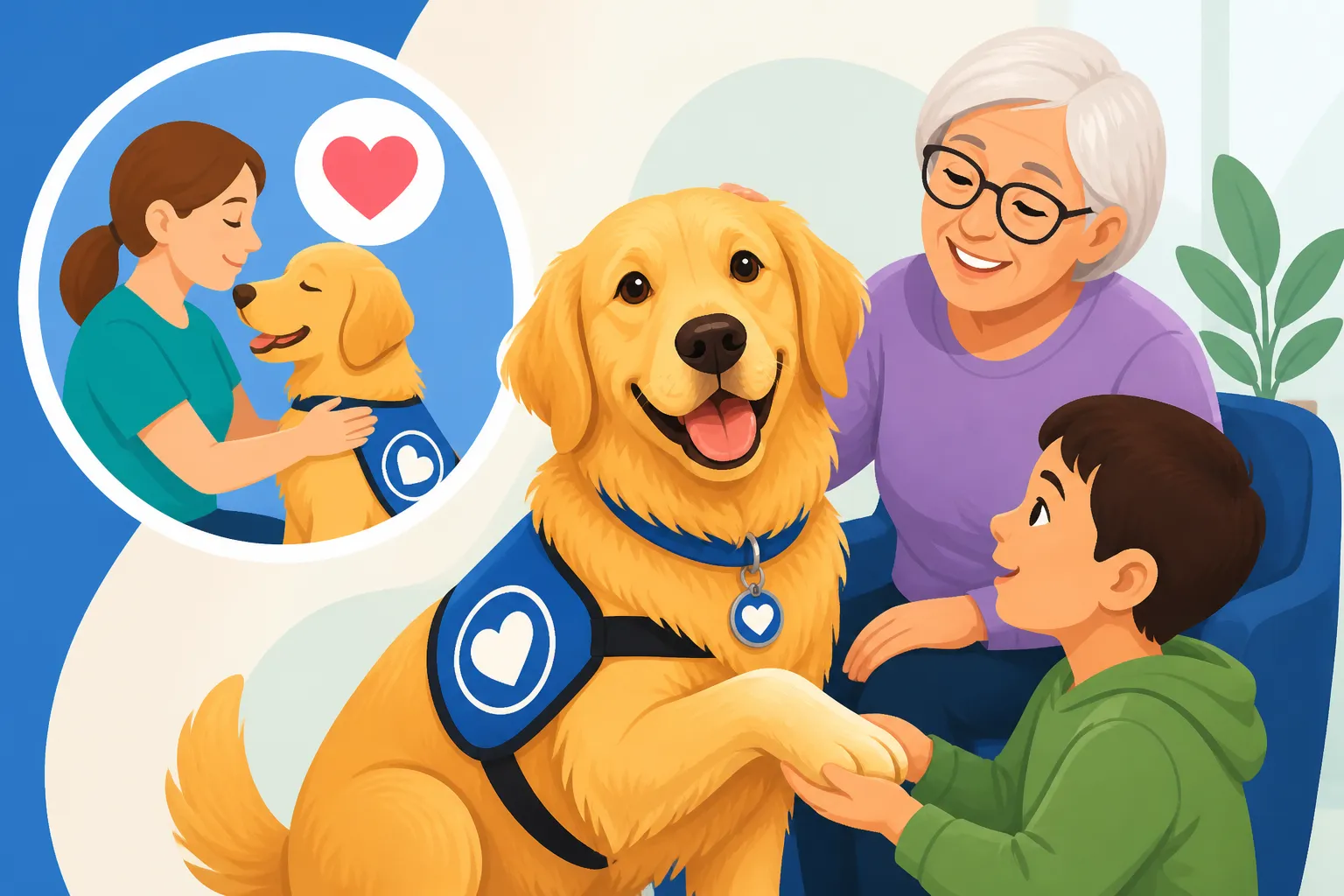
There's something profoundly soothing about a Golden Retriever. Their soft fur, their gentle nudge, the quiet way they lean into you – it all contributes to a calming presence that can lower stress levels and bring a sense of peace to those they visit. Imagine a senior living facility resident who hasn't had much physical touch in a while. The simple act of petting a Golden Retriever can bring back memories, stimulate conversation, and provide a much-needed connection. This calming effect is not just anecdotal; studies have shown that interacting with animals can reduce blood pressure and heart rate. Goldens seem to embody this therapeutic effect effortlessly, often intuitively sensing who needs their quiet companionship most.
Understanding the Difference: Therapy Dog Versus Service Dog Versus Emotional Support Dog
One of the biggest areas of confusion for aspiring therapy dog handlers is understanding the distinct roles and legal protections of different types of assistance animals. It’s easy to lump them all together, but these distinctions are crucial, not just for legal reasons, but for appreciating the specific purpose and training each role demands.
Therapy Dog: A Volunteer's Role
A therapy dog, like the Golden Retriever you envision, is fundamentally a volunteer. These dogs and their handlers work together to provide comfort, affection, and emotional support to people in various settings, such as hospitals, nursing homes, schools, and disaster areas. The key difference is that therapy dogs do not have the same public access rights as service dogs. They are generally only allowed in facilities by invitation and with prior arrangement. Their presence is a privilege, not a right, and they must adhere to the rules of the specific institution they are visiting. Certification for therapy dogs usually comes from private organizations, not government bodies, and focuses on temperament, obedience, and the ability to interact safely and calmly with diverse populations. This means that you and your Golden Retriever are a team, offering your time and your dog’s special gifts to those who need a little extra cheer.
Service Dog: Specific Task-Trained Support
Service dogs are in an entirely different category. These are dogs individually trained to do work or perform tasks for the benefit of an individual with a disability. The tasks must be directly related to the person's disability. Examples include guiding the blind, alerting the deaf, pulling a wheelchair, alerting and protecting a person who is having a seizure, or reminding a person with mental illness to take prescribed medications. Service dogs have extensive legal protections under the Americans with Disabilities Act (ADA), granting them public access rights in virtually all places where the public is allowed, regardless of "no pets" policies. They are highly trained for specific, life-assisting functions, and their presence is considered a medical necessity for their handler. A Golden Retriever can certainly be a service dog, but the training is far more intense and task-specific. What Makes a Golden Retriever a Good Service Dog discusses this in more detail.
Emotional Support Animal: Prescription for Comfort
Emotional Support Animals (ESAs) provide comfort and emotional support to individuals with a mental or emotional disability, but they are not trained to perform specific tasks related to that disability. Their mere presence is considered therapeutic. Unlike service dogs, ESAs do not have public access rights under the ADA, meaning they generally cannot accompany their owner into public places like restaurants or stores that prohibit pets. However, they do have certain protections under the Fair Housing Act, allowing them to live with their owners even in "no pet" housing, and under the Air Carrier Access Act for air travel (though airline rules have become much stricter). An ESA designation typically requires a letter from a licensed mental health professional. It's important to understand that while an ESA offers immense personal comfort, it does not require formal training or certification in the same way a therapy dog or service dog does for its respective roles.
| Feature | Therapy Dog | Service Dog | Emotional Support Animal (ESA) |
|---|---|---|---|
| Primary Role | Provides comfort and affection to many people. | Performs specific tasks for a disabled individual. | Provides comfort and emotional support to one owner. |
| Training | High level of obedience, temperament for public interaction. | Task-specific training related to disability. | No specific training required beyond basic house manners. |
| Certification | Voluntary certification by private organizations. | No official government certification (task-trained). | Letter from a licensed mental health professional. |
| Public Access | By invitation/arrangement only (e.g., hospitals, schools). | Full public access rights under ADA. | Limited (primarily housing and past air travel). |
| Legal Status | No federal legal protections for public access. | Protected under ADA. | Protected under Fair Housing Act. |
| Owner's Role | Handler accompanies dog as a volunteer. | Dog assists owner with daily tasks. | Dog provides companionship to owner. |
The Path to Becoming a Certified Therapy Dog
So, you've got a wonderful Golden and you understand the distinctions. Now, how do you actually get from "great pet" to "certified therapy dog"? It's a structured journey that requires dedication, consistent training, and a deep understanding of your dog's capabilities and limits. It's not a race, but a carefully paced process to ensure both you and your Golden are truly ready.
Assessing Your Dog's Readiness
Before you even think about signing up for evaluations, take an honest look at your Golden. Do they truly enjoy meeting new people? Are they comfortable in new environments, or do they get anxious or overstimulated easily? A therapy dog needs to be unflappable, calm, and genuinely happy to interact. They should possess a naturally sweet disposition, show no signs of aggression or fear, and recover quickly from startling noises or unexpected touches. Even a mild growl, a nervous lip lick, or a tucked tail in certain situations can be a sign that therapy work might be too stressful for them.
Consider their age and maturity. While some puppies show early promise, most therapy dog organizations require dogs to be at least one year old, often two, to ensure they are mentally mature enough for the demands of the role. A young, boisterous Golden might have all the love in the world, but their energy levels might be too much for frail patients or small children. This assessment is about setting your dog up for success and ensuring their comfort and well-being always come first.
Obedience Training as the Foundation
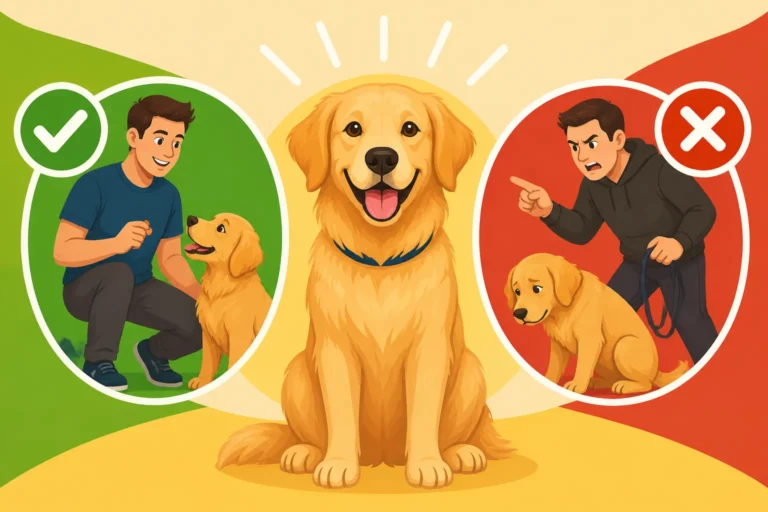
This is where the rubber meets the road. A therapy dog must have impeccable manners and rock-solid obedience. This isn't just about showing off; it's about safety, control, and projecting an aura of calm competence in any situation. Your Golden needs to consistently respond to commands like "sit," "stay," "down," "come," and "leave it," even with significant distractions around. They must walk politely on a loose leash, without pulling, and refrain from jumping on people, no matter how excited they are.
Think about a crowded hospital hallway or a noisy school cafeteria. Your Golden needs to be focused on you and their task. Many owners find structured online training programs to be a fantastic resource for building this foundation. Programs like those offered by BAXTER & Bella can provide step-by-step guidance, video tutorials, and support that's especially helpful for first-time therapy dog handlers. You might also consider group obedience classes, which are excellent for working on focus around other dogs and people. Remember, this isn't just about tricks; it's about reliable communication between you and your dog. Training a Golden Retriever From Puppy to Adult can offer valuable insights into building this strong foundation.
Choosing a Therapy Dog Organization
Once you feel confident in your Golden's temperament and training, the next step is to choose a therapy dog organization to certify with. This is a crucial decision, as these organizations set the standards and often connect you with volunteer opportunities. Reputable organizations will have clear evaluation criteria, provide insurance coverage for their registered teams, and offer resources and support.
Some well-known organizations include Pet Partners, Therapy Dogs International (TDI), and Alliance of Therapy Dogs. Each has its own specific requirements, testing protocols, and focus areas. For example, some might require more advanced obedience or specific public exposure, while others might focus heavily on specific types of visits, like reading programs for children. Do your homework: research their missions, read testimonials, and understand their process. Reaching out to local chapters can also give you a feel for their community and support network. This choice will largely dictate your next steps in the certification process.
Essential Skills for a Therapy Golden
Beyond basic obedience, a therapy Golden needs a suite of specialized skills that allow them to navigate complex environments and interact appropriately with diverse individuals. These aren't just parlor tricks; they are critical components of a safe and effective therapy visit.
Mastering Basic Obedience and Advanced Cues
While we touched on basic obedience, a therapy dog needs to take it up a notch. "Stay" doesn't just mean for ten seconds in your living room; it means staying calmly in a "down" position while children swarm around them or while a stretcher rolls by. "Come" needs to be instant, even if they're distracted by a dropped snack or an interesting smell. Advanced cues, like "leave it" (especially crucial for avoiding dropped medications or food), "gentle" (for taking treats softly), and even a "touch" command for targeted interaction, become indispensable.
Consider teaching your Golden a "front" command where they come and sit directly in front of you, or a "side" command for walking close to your leg. These become invaluable in tight spaces or when you need to quickly position your dog. A reliable "go say hi" or "visit" command, where your dog gently approaches and allows petting, can also be incredibly useful. Consistent practice in varied environments, slowly introducing higher levels of distraction, is key to proofing these behaviors. You might find essential training tools, treat pouches, or even specialized harnesses on Amazon that can aid in your preparation.
Exposure to Novel Situations and Distractions
This is perhaps one of the most challenging, yet vital, aspects of therapy dog training. Therapy environments are inherently unpredictable. Your Golden will encounter wheelchairs, crutches, IV poles, beeping machines, loud alarms, children giggling or crying, unfamiliar smells, and people speaking loudly or softly. They need to be comfortable with all of it.
Start slow and build up. Expose your Golden to people of all ages, sizes, and ethnicities. Introduce them to people wearing hats, glasses, uniforms, or using mobility aids. Visit busy parks, quiet cafes, and pet-friendly stores (if allowed). Have friends and family simulate odd behaviors: someone walking with a limp, someone dropping something loudly, someone speaking in a high-pitched voice. The goal isn't to scare your dog, but to desensitize them to the unexpected, building confidence and resilience. Early Socializing a Golden Retriever Puppy is a fantastic head start, but continued exposure throughout their life is essential.
The "Leave It" and "Gentle" Commands
These two commands are absolute non-negotiables for a therapy dog. "Leave It" can prevent your Golden from ingesting harmful substances (like dropped pills in a hospital), sniffing inappropriate objects, or becoming too interested in someone's personal belongings. Practice this command diligently, starting with low-value items and gradually increasing the temptation.
"Gentle" is critical for safe and pleasant interactions, especially when accepting treats from delicate hands. A Golden Retriever's enthusiasm can sometimes be overwhelming, and a gentle mouth ensures no accidental nips or grabs. Practice having your Golden take treats very softly from your open palm, then from fingers, then from the hands of various trusted people. This level of control and restraint demonstrates respect and safety, reassuring those they interact with. These skills are not just for the evaluation; they are for every single visit you'll make as a therapy team.
Preparing for Your Therapy Dog Evaluation
The therapy dog evaluation is more than just a test; it's a simulation of the challenges and interactions you and your Golden will face in real-world therapy settings. It's designed to assess not only your dog's obedience but also their temperament, your handling skills, and your ability to work cohesively as a team. Going into it prepared can make all the difference.
Practicing Under Pressure
While you might have practiced "sit" a thousand times in your living room, how does your Golden perform when there are other dogs in the room, strange noises, and unfamiliar people watching intently? The evaluation environment is designed to create these distractions. Therefore, your practice sessions should mimic this. Attend group classes where other dogs are present. Practice in public parks during busy times. Have friends create unexpected scenarios.
It’s not enough for your dog to know the commands; they need to perform them reliably, consistently, and calmly under pressure. This means you, as the handler, also need to practice staying calm and giving clear, consistent commands, even if you're feeling nervous. Your dog will pick up on your stress, so managing your own emotions is part of the preparation. This sustained focus under various stimuli is exactly what will be tested during the evaluation.
Simulating Real-World Scenarios
Many therapy dog evaluations include specific exercises that directly simulate situations your dog might encounter. This could involve:
- Accepting a friendly stranger: Your dog should calmly allow an unfamiliar person to approach and pet them, without jumping or excessive shyness.
- Interacting with a person using medical equipment: The evaluator might approach with a cane, walker, or even a wheelchair to see how your Golden reacts. They should show no fear or aggression.
- Dealing with crowds and distractions: This might involve people bustling around, dropping objects, or making loud noises. Your dog should remain focused on you and stay calm.
- Supervised separation: In some tests, you might be asked to leave your dog with a friendly stranger for a short period to observe how they handle being separated from you in an unfamiliar setting.
- Meeting other dogs: Your Golden should be able to pass by other dogs calmly without barking, growling, or lunging.
Practice these exact scenarios at home and with trusted friends. Have someone dress up in a hat and sunglasses, or practice walking past a noisy vacuum cleaner turned on in the distance. The more exposure you can give your Golden to these specific challenges in a controlled way, the more confident they'll be during the actual evaluation.
Handling Equipment and Interactions
Therapy dogs often wear specialized vests or bandanas during visits, and they need to be comfortable with this equipment. Ensure your Golden is used to wearing their therapy vest or scarf for extended periods, both at home and during walks. They should see it as a positive signal for "work time."
Furthermore, they will be handled by many different people – some gentle, some perhaps a bit clumsy, some who might not know how to interact with a dog. The evaluation will test their tolerance for being touched all over their body, including paws, tail, and ears, by a stranger. This simulates the kind of interaction a patient might have. Regular desensitization to handling, starting from puppyhood, is crucial here. Golden Retriever Puppy Socialization Windows highlights the importance of early exposure to various tactile experiences. Being prepared for these specifics means fewer surprises on evaluation day and a much higher chance of success for your dedicated Golden.
Life as a Therapy Dog Team: What's Next?
Congratulations! Your Golden Retriever has passed their evaluation and is now a certified therapy dog. This isn't the finish line, however; it's the exciting beginning of a rewarding journey. Becoming a therapy dog team opens up a world of opportunities to make a real difference, but it also comes with ongoing responsibilities to ensure the well-being of both your dog and the people you visit.
Finding Volunteer Opportunities
Your therapy dog organization will likely have resources to help you find suitable volunteer placements. Many hospitals, nursing homes, schools, libraries, and even airports have established animal-assisted therapy programs. Start by contacting your local chapter or the volunteer coordinator at facilities in your area. You might choose to specialize – perhaps you love visiting with children and want to participate in reading programs, or maybe you prefer the quiet, comforting interactions with seniors.
It's important to find a good fit for both you and your Golden. Some environments are more stimulating than others, and it's vital to ensure your dog genuinely enjoys the work and isn't stressed by it. Remember, these are volunteer positions, and the goal is to bring joy, not add stress. You might also consider visiting crisis centers or participating in disaster relief efforts, where the calming presence of a Golden can be profoundly impactful during times of trauma. Each visit will be a unique experience, offering new connections and rewarding moments.
Ongoing Training and Well-being
Certification is not a "one and done" deal. Most therapy dog organizations require annual re-evaluations or proof of continued good standing. This isn't just bureaucracy; it's about ensuring your Golden's temperament and skills remain consistent. Life happens, and dogs can sometimes develop new anxieties or behaviors. Regular check-ins ensure that your team is always performing at its best.
Beyond formal re-evaluations, continued training and mental enrichment are crucial for your Golden's well-being. Practicing obedience commands regularly, introducing new tricks, and engaging in puzzle toys or scent work keeps their minds sharp and prevents boredom. Mental Enrichment for a Bored Golden Retriever can give you plenty of ideas. Moreover, physical health is paramount. Regular vet check-ups, a healthy diet, and appropriate exercise are non-negotiable. A tired, uncomfortable, or unwell dog cannot perform therapy work effectively or safely. Pay close attention to your Golden's signals during visits – are they still enthusiastic? Do they seem tired? Always prioritize their comfort and know when it's time to take a break.
The Profound Impact You'll Make
The most incredible part of being a therapy dog team is the profound impact you'll have on others. You'll witness firsthand the magic that your Golden Retriever brings. You'll see withdrawn patients light up with a smile, anxious children find courage to read aloud, and lonely seniors reminisce about their own beloved pets. These interactions, sometimes brief, often leave a lasting impression.
One visit might involve a quiet cuddle with a hospice patient, offering comfort in their final days. Another might be a high-energy interaction with a group of special needs children, encouraging movement and communication. Each wag of your Golden's tail, each gentle lick, is a reminder of the simple, unconditional love that animals offer. It’s a privilege to facilitate these connections, and the emotional rewards for you, as the handler, are immeasurable. You and your Golden aren't just visiting; you're truly making a difference, one loving interaction at a time.
Disclaimer
This article is for general informational purposes only and does not constitute professional advice. Laws, prices and regulations vary by location and change over time. Consult a qualified professional for guidance on your specific situation.