Long Line Training for a Golden Retriever
It's a common dilemma for us Golden Retriever parents: we dream of those idyllic moments where our furry best friend romps freely, truly off-leash, but the very real fear of them bolting after a squirrel or enthusiastically greeting a stranger (or worse, running into traffic) keeps us tethered. This guide is all about bridging that gap safely and effectively, showing you how long line training can build reliable recall and grant your Golden the freedom they crave, all while keeping them safe.
Why Long Line Training Is a Game-Changer for Golden Retrievers
Golden Retrievers are renowned for their friendly dispositions, intelligence, and boundless energy. They love to explore, sniff every interesting scent, and interact with everything and everyone. While these traits make them wonderful companions, they also present challenges when it comes to off-leash freedom. That deep-seated retrieving instinct often means they're easily distracted by movement – a bird, a rabbit, or even a leaf blowing in the wind – and their desire to say hello to every person they meet can lead them astray. Long line training offers a controlled way to satisfy their natural curiosity and energy without putting them in harm's way.
The Urge for Freedom vs. Safety Concerns
Anyone who has watched a Golden Retriever bound through an open field understands their innate joy in movement and exploration. Their tails are wagging, their ears are flopping, and their noses are glued to the ground, taking in a symphony of smells. This isn't just a preference; it's part of their genetic makeup. They were bred to work over large areas, retrieving game, and that instinct for independent exploration is still very much alive.
However, modern environments are full of potential dangers. Busy roads, unfamiliar dogs, poisonous plants, or even just getting lost in an unfamiliar area are all valid concerns that weigh heavily on a responsible owner's mind. The anxiety of potentially losing your beloved companion can completely overshadow the desire to let them experience true freedom. This is where the long line steps in, offering a crucial compromise that benefits both you and your Golden. It allows them to range further than a standard leash without the absolute commitment of going fully off-leash, providing a safety net as they learn.
Building Reliable Recall Without Risk
The "come" command, or recall, is arguably the most critical command any dog can learn, especially a Golden Retriever who might want to investigate every new smell or friendly face. But practicing recall in high-distraction environments is terrifying when there's no backup. How do you teach your Golden to ignore that tempting distraction and return to you when failure could mean disaster? The answer is the long line.
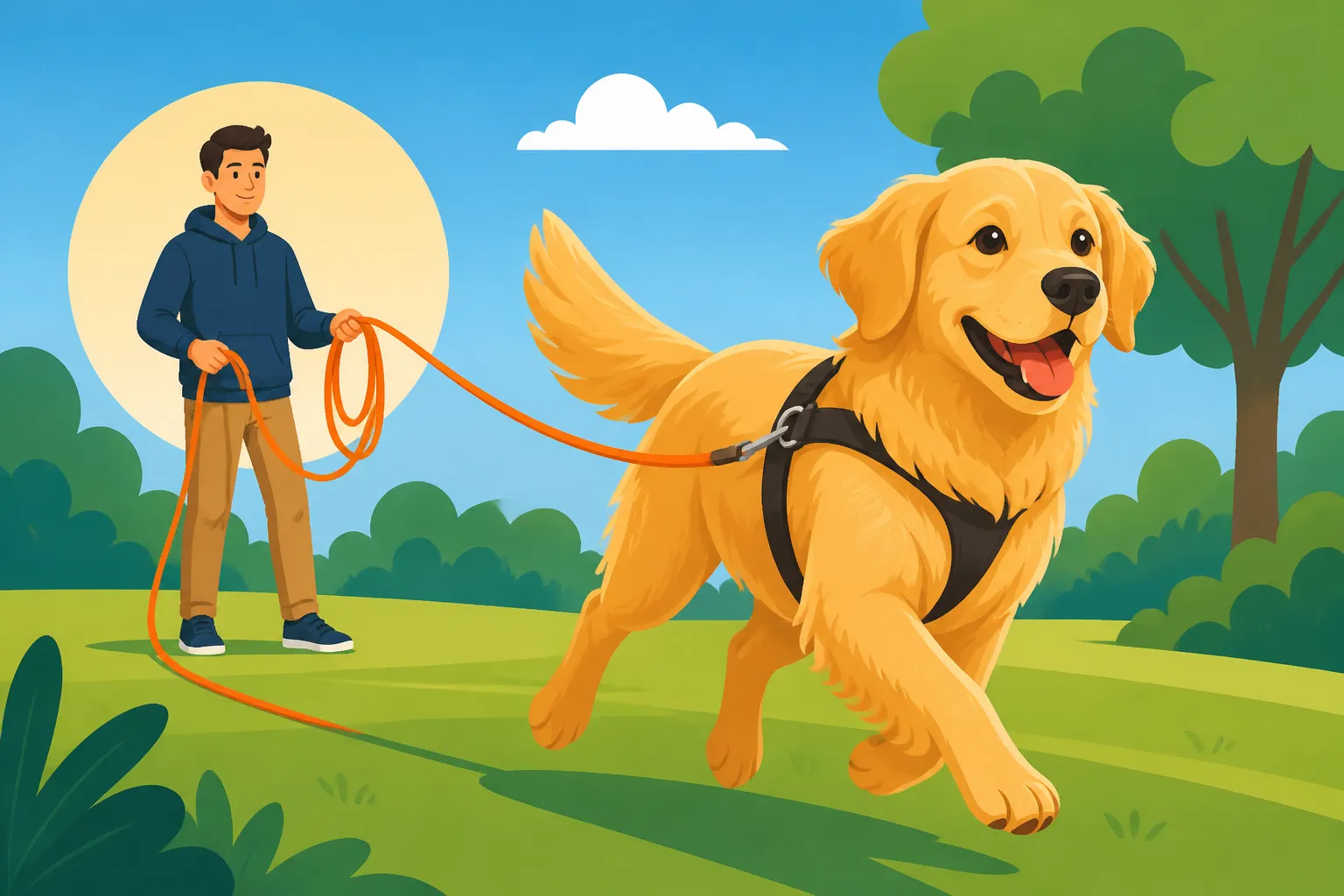
With a long line, you can simulate off-leash scenarios while maintaining control. Your Golden can wander 15, 30, or even 50 feet away, exploring to their heart's content. When you call their name and give the "come" command, you have the ability to gently guide them back if they get sidetracked. This allows them to make mistakes in a safe environment, and it gives you the opportunity to reward success immediately, strengthening the behavior. This gradual process, where your Golden learns that coming back to you is always rewarding, is essential for building confidence in both of you. It's about empowering them to choose to return, rather than being forced, which sets the foundation for eventual off-leash reliability. You'll find that regular practice with the long line helps immensely in building that crucial bond and understanding for commands like Building Reliable Recall in a Golden Retriever.
Choosing the Right Long Line and Gear
Before you dive into training, it's crucial to equip yourself with the right tools. A regular six-foot leash simply won't cut it for long line work, and using inappropriate gear can be uncomfortable for your Golden and even unsafe for you. Selecting the correct length and material, along with appropriate accessories, makes all the difference in the effectiveness and enjoyment of your training sessions.
Length, Material, and Durability Considerations
Long lines come in a variety of lengths and materials, and the best choice depends on your training goals and environment. For initial training in a smaller, controlled area, a 15-foot line might be sufficient. If you're working in open fields or aiming for significant distance recall, 30 or even 50 feet is often ideal. Remember, the longer the line, the more challenging it can be to manage, especially in areas with trees or other obstacles.
When it comes to materials, you'll typically find nylon and biothane options. Nylon is often softer on the hands and generally more affordable. However, it can absorb water, becoming heavy, muddy, and harder to clean. Biothane, on the other hand, is a coated webbing that feels a bit like leather but is waterproof, incredibly durable, and very easy to clean – a quick wipe usually suffices. It doesn't absorb odors or get tangled as easily as wet nylon. Given the strength and enthusiasm of a Golden Retriever, durability is paramount. You need a line that can withstand their pulling and outdoor elements. Many reliable options for both nylon and biothane lines are readily available on Amazon, allowing you to compare materials and lengths to find what best suits your needs.
Here's a quick comparison of popular long line materials:
| Feature | Nylon Long Line | Biothane Long Line |
|---|---|---|
| Material Feel | Softer, more flexible, can be rough when wet | Stiffer, leather-like feel, consistent texture |
| Water Resistance | Absorbs water, can get heavy and muddy | Waterproof, easy to wipe clean |
| Grip in Wet | Can become slippery and abrasive when wet | Maintains grip even when wet, less abrasive |
| Durability | Durable, but can fray over time, susceptible to mold | Extremely durable, resistant to abrasions, rot & UV |
| Maintenance | Needs washing, can hold odors, dries slowly | Wipes clean with damp cloth, doesn't absorb odors |
| Weight | Generally lighter when dry | Can be slightly heavier, especially longer lengths |
Essential Accessories for Comfort and Safety
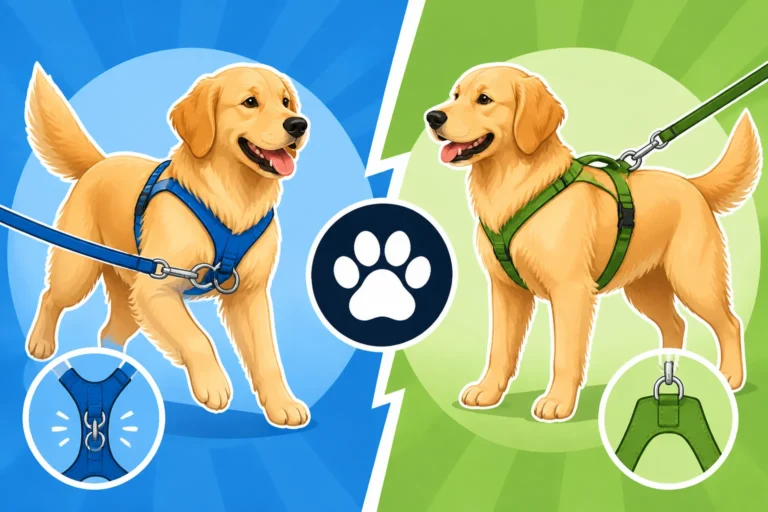
While the long line is the star, the accessories you pair with it are equally important for a comfortable and safe training experience for both you and your Golden. Never attach a long line directly to your Golden's neck collar. The sudden tension from a long line can cause severe neck injuries, tracheal damage, or even slip collars. Instead, always use a well-fitting harness. A front-clip harness can provide additional control, as it redirects your Golden's pulling energy back towards you, which can be helpful if they are prone to darting. Look for harnesses with sturdy D-rings and comfortable padding, especially across the chest. Learning Golden Retriever Pulling and Front-Clip Harnesses can offer more insights into this equipment.
For your own comfort and safety, consider wearing gloves, especially with a longer, thinner line or if your Golden is a strong puller. Rope burn is a real hazard if the line slips through your hands. A good pair of gripping gloves can prevent this. Additionally, a secure clip on the long line is vital. Look for heavy-duty, locking carabiners or secure swivel clips that won't accidentally come undone, even if your Golden is thrashing around or rolling in something exciting. Having a dedicated treat pouch and high-value treats is also non-negotiable for positive reinforcement, as you'll be rewarding successful recalls frequently.
Step-by-Step Guide to Long Line Training Your Golden
Long line training isn't just about attaching a long rope to your dog and letting them go. It's a structured process that builds confidence, strengthens your bond, and teaches crucial skills in a safe environment. Consistency and patience are key, especially with a breed as eager to please yet easily distracted as a Golden Retriever.
Getting Started: Acclimation and Basic Handling
Before you even think about recall, your Golden needs to get used to the long line itself. Start in a familiar, enclosed area like your backyard. Attach the line to their harness and let them drag it around while you supervise. Don't hold it initially. This helps them get used to the feel and weight of the line without associating it with constraint or punishment. Many Goldens might be curious, trying to chew it or walk over it. Distract them with toys or treats if they focus on the line too much.
Once they're comfortable dragging it, pick up the end. Hold the line loosely, letting it trail behind your Golden, allowing them to explore at their own pace within the line's limits. Your goal here is to be a ghost – they should barely notice your presence at the other end. Practice moving with the line, letting it slide through your hand (carefully!) as your dog moves further, and gathering it gently when they come closer. Avoid letting the line get tangled around their legs or objects. The rhythm of letting out and reeling in the line will become second nature, and it's essential for preventing sudden jerks that can scare or injure your dog.
Practicing Recall and Check-ins
This is where the magic happens. Once your Golden is comfortable with the line, you can start actively practicing recall. Begin in a low-distraction environment. Let your Golden wander to the end of the line, sniffing and exploring. Then, in a happy, enthusiastic tone, call their name followed by your chosen recall command (e.g., "Buddy, come!"). As you say "come," gently reel in the line or apply light, consistent pressure to encourage them to turn towards you.
The moment they start moving towards you, release the pressure on the line. Make coming back to you the most exciting thing ever! Shower them with praise, offer a super high-value treat, or engage in a quick game of tug or fetch. The goal is to make the experience overwhelmingly positive. If they get distracted, don't yank the line. Instead, stop, reassess, and try again with less distraction or a more enticing reward. Gradually, increase the distractions and move to new environments as their recall improves. Programs like those offered by BAXTER & Bella can provide structured recall games and exercises that leverage positive reinforcement, which is incredibly effective for Golden Retrievers. Remember, every successful recall builds a stronger foundation for Teaching a Golden Retriever to Come When Called.
Expanding Horizons and Troubleshooting
As your Golden's recall improves on the long line in familiar areas, it's time to expand their horizons. Take them to new parks, open fields, or even quiet walking trails. These new environments introduce novel sights, sounds, and smells, which are crucial for proofing their recall in the face of real-world distractions. Start with less busy times or locations and gradually introduce more stimulating environments.
Troubleshooting is a natural part of the process. If your Golden is ignoring your recall, first check your rewards. Are they high-value enough? A plain kibble won't cut it when there's a fascinating new smell to investigate. Next, look at your delivery. Are you enthusiastic and inviting, or are you sounding frustrated? Your tone makes a huge difference. If they continue to struggle, go back to a less distracting environment and rebuild their confidence. Don't be afraid to take a step back. Another common issue is line entanglement. Keep an eye on your Golden's movement and where the line is. If it starts to wrap around them, gently guide them to untangle it, or walk around them yourself. Never let them chew on the line, as this can weaken it and make it unsafe.
Common Pitfalls and How to Avoid Them
While long line training is incredibly beneficial, it's not without its potential challenges. Being aware of these common pitfalls and knowing how to prevent them will make your training sessions safer, more effective, and much more enjoyable for both you and your Golden Retriever.
Entanglement and Injury Risks
One of the biggest concerns with a long line is entanglement. A long, loose line can quickly wrap around your Golden's legs, trees, bushes, or even other people. If your dog suddenly bolts while entangled, it can lead to rope burns, cuts, or more serious injuries. For the handler, letting the line slide rapidly through your hands can cause severe rope burn, especially if your Golden makes a sudden dash.
To avoid these risks, always be vigilant. Keep an eye on where your Golden is relative to the line and any obstacles. Learn to manage the line effectively, either by coiling it neatly in your hand or letting it trail in a way that minimizes entanglement. If your Golden is running in circles or weaving through obstacles, gently call them back to you to reset their path. If you do use a very long line, such as 50 feet, consider using it only in truly open, clear fields. As mentioned earlier, wearing gloves is a simple but effective way to protect your hands. Ensure the line is in good condition; frayed lines are weaker and more likely to snap or cause injury. Regularly check the clip for wear and tear.
The "Forever on a Long Line" Trap
It's easy to fall into the habit of always using the long line as a permanent tether, rather than a training tool. While it's wonderful to give your Golden more room to roam, the ultimate goal for many owners is reliable off-leash freedom. If you continuously rely on the physical presence of the line to bring your dog back, they may never fully internalize the recall command as independent of the equipment. They might learn that "come" means "come if mom or dad gently pulls me in," rather than "come no matter what."
To avoid this trap, gradually fade the reliance on the line. As your Golden's recall improves in a particular environment, try shortening the sessions where you actively guide them with the line. Sometimes, let the line trail behind them without holding it, still calling them back and rewarding. The line is there as a safety net, but you're giving them the opportunity to make the choice to come back on their own. Once you're confident in a low-distraction environment, you might try brief periods of off-leash work in a truly secure, fenced area, always ready to step in if needed. The long line is a bridge, not a destination. It's about empowering your Golden to make good choices, not just enforcing them.
This article is for general informational purposes only and does not constitute professional advice. Laws, prices and regulations vary by location and change over time. Consult a qualified professional for guidance on your specific situation.