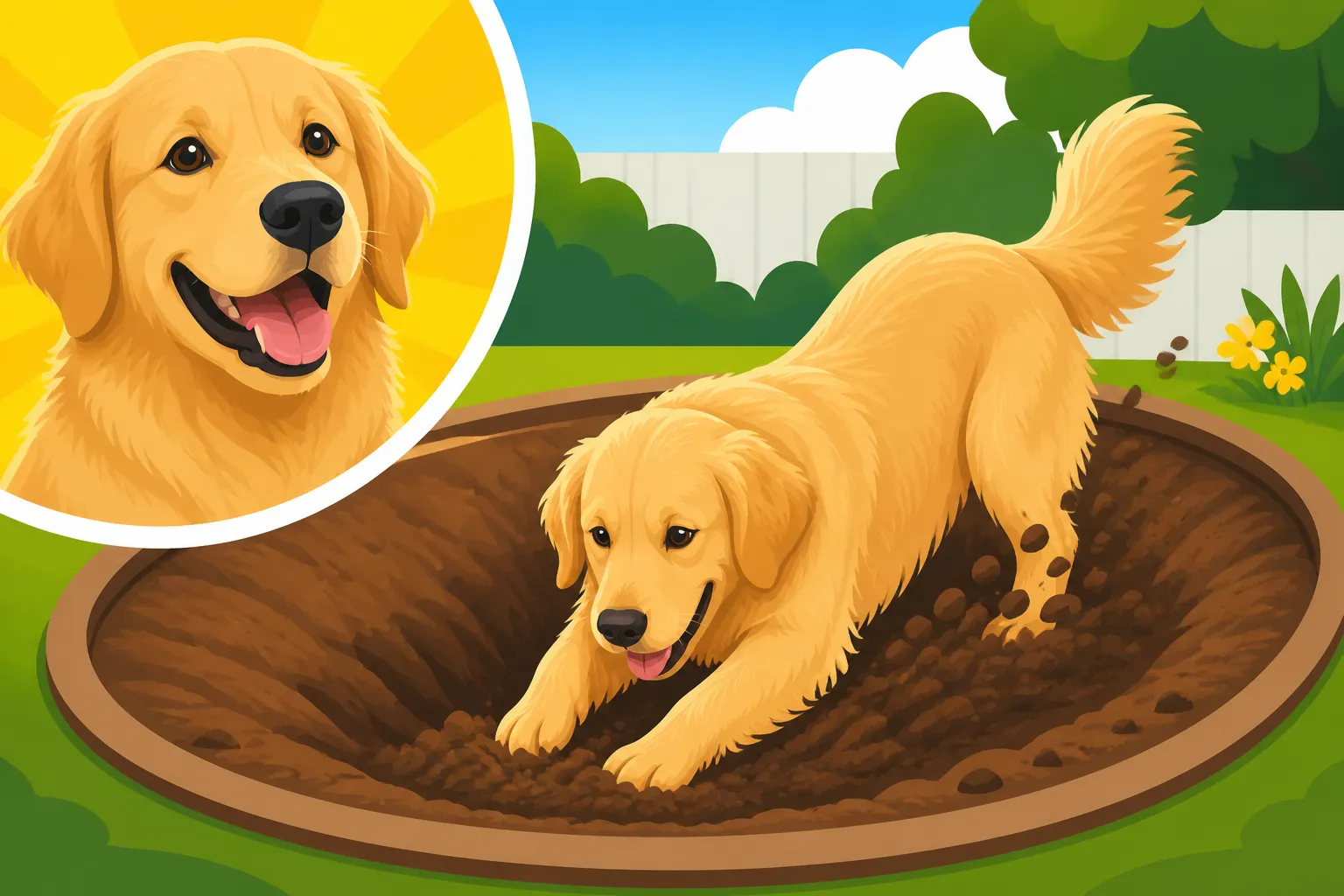
Giving a Golden Retriever a Digging Pit
It’s a tale as old as time for many Golden Retriever owners: you lovingly cultivate your garden, only to wake up one morning to find your energetic companion has transformed a pristine flowerbed into a lunar landscape. That tell-tale muddy nose and wagging tail speak volumes, but they don't fix the crater in your yard. This guide is all about channeling that natural digging enthusiasm into a dedicated, approved spot: the digging pit.
Understanding Why Your Golden Retriever Digs
Before we even talk about giving your Golden a special place to dig, it’s important to understand why they do it in the first place. This isn't usually an act of defiance; it's deeply ingrained behavior that speaks to their heritage and needs. Ignoring these root causes means any solution you try might only be a temporary band-aid.
The Instinctual Drive to Dig
Golden Retrievers, like many dog breeds, carry strong genetic programming from their ancestors. While Goldens weren't specifically bred to dig tunnels or unearth rodents like terriers, their retrieving instincts often lead them to explore, "bury" their treasures (or imagined ones), and manipulate their environment with their paws. Think of it less as a destructive habit and more as a natural inclination to engage with the world around them.
For a Golden, digging can be incredibly satisfying. It's a full-body workout, a mental puzzle, and a way to discover new scents and textures. They're using their powerful legs, strong claws, and keen noses to excavate, which triggers a primal reward system in their brains. It's similar to how chasing a ball feels good – it fulfills an ancient drive. You might notice them "burying" a favorite chew toy or even just their nose in a pile of leaves; these are all facets of that same instinct.
Boredom, Energy, and Anxiety as Triggers
Often, excessive or destructive digging in your yard is a symptom of an unmet need rather than a true passion for excavation. A Golden Retriever is an intelligent, high-energy breed, and if they're not getting enough physical exercise or mental stimulation, they'll find ways to entertain themselves. Digging is an accessible and often very effective way for them to burn off steam and alleviate boredom. A dog left alone for long periods with nothing to do might turn to digging simply because it's something to do.
Beyond boredom, digging can also be a coping mechanism for anxiety. Separation anxiety, for example, can manifest in destructive behaviors, and while chewing is more common, digging can also be a way for a stressed Golden to try and escape or self-soothe. Similarly, a Golden who is under-exercised might have pent-up energy that needs an outlet. Just taking your Golden for a quick walk might not be enough; they need varied exercise that engages both their body and their mind. If you've ever seen your Golden digging frantically at the base of a tree, it might be that they smelled something interesting, but it could also be a sign they're simply overstimulated or have too much energy. Understanding Exercise a Golden Retriever Needs Each Day is crucial here.
Seeking Comfort or Resources
Sometimes, a Golden Retriever digs for purely practical reasons. On a hot summer day, you might find your dog digging a shallow pit in a shady spot and then lying down in it. This is a clever way for them to create a cooler resting place, as the earth a few inches below the surface is often significantly cooler than the air temperature or surface ground. They're just trying to make themselves comfortable!
They might also be searching for resources. This could be anything from a buried bone they forgot about last week to a tasty grub or beetle living under the soil. Their incredible sense of smell makes them natural treasure hunters, and the act of digging is how they get to their prize. If your Golden is consistently digging in one spot, especially if it's under a tree or near a bush, they might have detected something fascinating beneath the surface. It's also possible they're trying to reach an underground critter, like a mole or a vole, which can be an irresistible urge for a dog with a strong prey drive.
Is a Digging Pit the Right Solution for Your Golden?
The idea of a designated digging pit sounds like a dream for many Golden Retriever owners – a place where your furry friend can dig to their heart's content without destroying your prize-winning petunias or undermining your fence. But is it truly a universal fix? Let's explore when it's a brilliant idea and when you might need to combine it with other strategies.
Pros and Cons of Dedicated Digging Areas
A digging pit can be a fantastic tool in your Golden Retriever management arsenal, offering several distinct advantages.
Pros:
- Redirects Destructive Behavior: This is the big one! It gives your Golden an approved outlet for their natural instinct, saving your landscaping, patio, or even your carpet from excavation.
- Mental and Physical Enrichment: Digging is stimulating. It provides a puzzle, a physical challenge, and a sensory experience that can tire out your Golden in a fulfilling way. This is a great form of Mental Enrichment for a Bored Golden Retriever.
- Stress Relief: For some Goldens, the act of digging is genuinely calming and can help reduce anxiety or pent-up frustration.
- Cooling Spot: As mentioned, a digging pit can become a self-made cool retreat on warmer days.
- Safety: If your Golden is digging near fences, they might be trying to escape. A digging pit gives them an alternative, reducing the risk of them getting out of the yard. It can be a smart addition to your overall Fencing a Yard for a Golden Retriever strategy.
Cons:
- Not a Guaranteed Fix: Some Goldens, especially those who dig out of anxiety or deeply ingrained habit, might still try to dig outside the pit. It requires consistent training and supervision initially.
- Maintenance: A digging pit isn't a "set it and forget it" solution. You'll need to refill it, keep it interesting, and potentially clean up mud.
- Aesthetics: Depending on its design and location, a digging pit might not blend seamlessly with your meticulously planned garden.
- Mess: Let's be real, a digging pit will be messy, especially after rain. Expect muddy paws and potentially a muddy dog.
- Initial Training: It takes effort to teach your Golden that this is the approved digging spot and everywhere else is off-limits.
Assessing Your Golden's Digging Habits
Before you grab a shovel, take some time to observe your Golden's digging habits. This assessment will help you tailor your digging pit strategy and determine if it's truly the best course of action.
Ask yourself:
- When do they dig? Is it when you're gone, when they're bored, after a long period of inactivity, or when they've just come inside from a walk?
- Where do they dig? Is it always in the same spot, under specific plants, along the fence line, or random holes throughout the yard?
- What triggers it? Do they dig after sniffing something intently, or is it more of a frantic, undirected digging?
- How often do they dig? Is it an occasional nuisance or a daily excavation project?
- What is the motivation? Is it seeking coolness, hunting a critter, burying a toy, or just pure energy release?
If your Golden primarily digs when bored or under-exercised, a digging pit coupled with increased activity and mental games could be highly effective. If it's mainly for cooling, placing the pit in a shady spot would be ideal. If it's escape-motivated, you'll need to address the underlying anxiety or boredom that's driving them to try and get out, alongside providing the pit. A dog who digs due to severe separation anxiety, for instance, may need a broader behavioral modification plan, possibly with the help of a professional trainer. Resources from platforms like BAXTER & Bella can offer guidance on training for specific behaviors.
When a Digging Pit Might Not Be Enough
While a digging pit is a fantastic resource, it's not a magical cure-all. There are situations where it might not fully resolve the issue, and you'll need to consider additional strategies.
For example, if your Golden Retriever has a very strong prey drive and is constantly digging to unearth moles or gophers, simply offering a sandpit might not be enough to override that powerful instinct to hunt. In such cases, you might need to consider professional pest control for your yard or provide even more engaging alternative activities that satisfy their predatory urges, like flirt poles or advanced scent work.
Similarly, if the digging is a manifestation of severe anxiety or phobias (e.g., digging to escape loud noises like thunderstorms or fireworks), a digging pit won't address the core fear. Here, you'll need to work with a vet or a certified professional dog trainer to manage the anxiety itself, perhaps through desensitization, counter-conditioning, or even medication. A digging pit could be one small part of a larger, more comprehensive behavior modification plan.
Finally, some Goldens simply have so much energy that a digging pit, while helpful, is just one component of their daily needs. Ensuring your Golden gets adequate physical exercise and mental stimulation throughout the day – not just an hour of digging – is vital. This might include long walks, running, swimming, fetch, puzzle toys bought on Amazon, and training sessions. When Goldens are in their adolescent phase, roughly between six months and two years, they often have a surge of energy and might even experience a Golden Retriever Teenage Regression, making consistent management of their digging tendencies even more important.
How to Create the Perfect Golden Retriever Digging Pit
So, you've decided a digging pit is the way to go. Excellent! Now comes the fun part: designing and building it. The goal is to make it so appealing and rewarding that your Golden Retriever actively chooses to dig there instead of elsewhere.
Choosing the Right Location and Size
The success of your digging pit largely depends on its placement and dimensions. You want it to be somewhere your Golden naturally gravitates towards, but also practical for you to manage.
Location Considerations:
- Shade: Goldens can overheat quickly, especially in warmer climates. Placing the pit in a spot that gets natural shade from a tree or a house during the hottest parts of the day will make it much more attractive to them. It also makes it a cooler place to rest after a good digging session.
- Visibility: Choose a spot where you can easily see your Golden using the pit. This helps with initial training and supervision, ensuring they stay in their designated area.
- Drainage: Avoid low-lying areas that collect water. A waterlogged pit becomes a muddy mess, not a fun digging zone. Good drainage is key to keeping it usable and relatively clean.
- Away from Valuable Plants: Even with a dedicated pit, there's always a small chance your Golden might get overly excited and fling some sand or dirt. Place it a reasonable distance from your prize rose bushes or delicate landscaping.
- Access: Make sure it's easy for your Golden to get to, and for you to access for maintenance.
Size Considerations:
- Golden Retriever Size: Your pit needs to be large enough for your Golden to comfortably stand in, turn around, and dig enthusiastically without feeling cramped. For an adult Golden, aim for at least 3×3 feet, but 4×4 or even 5×5 feet would be even better if your yard allows.
- Depth: A good depth is crucial. You want it deep enough for them to really get into it, but not so deep that it becomes a hazard. 18-24 inches is usually a good starting point. This allows for a good layer of digging material and prevents them from quickly digging through to the underlying soil.
Materials for a Durable and Appealing Pit
Once you have your location and size decided, it’s time to think about construction and what you’ll fill it with.
The Border:
You need a clear boundary for the pit to define the "yes" zone. Common options include:
- Wood Timbers or Railroad Ties: These create a sturdy, raised border. They're relatively inexpensive and easy to install. Just make sure they're untreated or pet-safe.
- Landscape Edging: Plastic or metal edging can also work, though it's less substantial than wood. It's more about defining the boundary than containing a lot of material.
- Stones or Bricks: These can look attractive and provide a solid border. Ensure they're firmly set so your Golden can't easily dislodge them.
Digging the hole itself is the first step. Remove the grass and soil to your desired depth. If you have very hard soil, you might consider laying down a layer of gravel at the bottom for better drainage before adding your digging material.
The Filling Material:
This is the most important part for your Golden! You want something that’s easy to dig, won't pack down too hard, and is safe.
| Material Type | Pros | Cons | Best For |
|---|---|---|---|
| Play Sand | Easy to dig, soft on paws, readily available. | Can be messy when wet, tracks indoors easily, needs frequent refilling. | Goldens who love soft textures and big messes. |
| Kiddie Sandbox Sand | Similar to play sand, often washed, finer texture. | Same mess issues as play sand. | Smaller pits, less intense digging. |
| Loamy Topsoil | More natural feel, less dusty than sand, good for scent work. | Can become muddy when wet, heavier to dig. | Goldens who enjoy a more "earthy" digging experience. |
| Shredded Bark/Mulch | Cleaner than sand/dirt, some dogs like the texture. | Can be ingested (choose pet-safe, non-toxic), less satisfying for deep digging. | Dogs who "scratch" and scatter rather than deep dig. |
For most Golden Retrievers, a mix of play sand and loamy topsoil works wonderfully. The sand keeps it loose and easy to dig, while the soil provides a more natural feel and holds scents better. Just avoid materials like pea gravel (too hard on paws, can be ingested) or treated wood chips (potential toxins). You can find large bags of play sand and topsoil at most home improvement stores or garden centers, or even order them for delivery through services like Amazon.
Introducing Your Golden to Their New Digging Zone
Building the pit is only half the battle; teaching your Golden Retriever to use it is the other. This requires patience, positive reinforcement, and a bit of trickery.
- "Seed" the Pit: Before you even bring your Golden over, bury some highly desirable treasures in the pit. This could be their favorite chew toys, sturdy bones, or even high-value treats. Make them easy to find at first, then bury them deeper as they catch on. The idea is to make the pit the most exciting place in the yard.
- Guided Discovery: Lead your Golden to the pit. When they show interest, encourage them. You can use enthusiastic verbal cues like "Find it!" or "Dig!" If they start sniffing or pawing, praise them immediately. You can even gently start digging with your hands to show them what to do.
- Positive Reinforcement: Every time your Golden digs in the pit, shower them with praise, affection, or a small treat. Make it a super rewarding experience. If they dig outside the pit, calmly redirect them to the pit. Don't punish them for digging in the wrong spot; simply interrupt the behavior and guide them to the correct one. The goal is to make the pit inherently more rewarding.
- Consistency is Key: This isn't a one-time lesson. You'll need to supervise your Golden during their outdoor time, especially in the early days. Every time they go out, guide them to the pit and encourage them to dig there. Over time, they'll start to associate the pit with the joy of digging.
- Use a Cue: You can even establish a verbal cue specifically for digging in the pit, like "Go dig!" This helps them understand when and where it's okay to engage in the behavior.
Remember, Goldens are smart and eager to please, but old habits die hard. Be consistent, patient, and always make the digging pit the most fun option! For training resources, online platforms and programs like BAXTER & Bella can provide structured lessons on redirecting unwanted behaviors and teaching new ones with positive reinforcement.
Maintaining and Maximizing the Digging Pit's Success
A digging pit isn't a one-and-done project. To keep your Golden Retriever interested and ensure it remains their preferred excavation site, you'll need to put in a bit of ongoing effort. Think of it as an interactive toy that needs occasional refreshing.
Keeping the Pit Engaging Over Time
The novelty of a new digging pit can wear off if it's not kept exciting. Goldens thrive on novelty and challenge, so you'll want to regularly "re-seed" the pit with interesting finds.
- Rotate Treasures: Don't always bury the same toy. Use different textures, scents, and shapes. Sturdy chew toys, Kongs filled with frozen treats, or even large, dense bones are excellent choices. Rotate them regularly to keep your Golden guessing.
- Scent Work: Goldens have incredible noses. Try burying items that have a strong, appealing scent. This could be a natural rawhide, a scent-infused toy, or even just a piece of their favorite jerky wrapped in a cloth to make the "treasure" last longer. This engages their powerful olfactory senses and makes the digging even more rewarding.
- Vary the Depth: Sometimes bury items close to the surface for quick wins, and other times bury them deeper to provide a greater challenge. This keeps the activity from becoming too predictable.
- Fresh Material: Over time, the digging material will compact, get scattered, or simply become less appealing. Periodically add fresh sand or soil to keep it loose and inviting. This is especially true if your Golden loves to dig deep; the material will naturally deplete over time. You might find yourself replenishing the pit with bags of play sand from Amazon every few months.
Remember, the more rewarding and mentally stimulating the pit is, the less likely your Golden is to seek out other "forbidden" digging spots. This ongoing engagement is key to long-term success.
Troubleshooting Common Digging Pit Challenges
Even with the best intentions and setup, you might encounter some bumps along the way. Your Golden might revert to old habits, or the pit itself might present new issues.
- Digging Outside the Pit: If your Golden starts digging elsewhere again, don't panic. It's often a sign that the pit isn't as appealing as it once was, or they have an unmet need.
- Re-evaluate engagement: Are you making the pit exciting enough? Have you rotated treasures recently?
- Increase exercise/mental stimulation: Is your Golden getting enough activity? A tired Golden is less likely to be a destructive one. Consider longer walks, more fetch games, or more puzzle toys. Understanding Golden Retriever Energy Level by Age can help set realistic expectations.
- Supervise and Redirect: Go back to basics. When you see them digging in the wrong spot, calmly interrupt them and immediately lead them to the digging pit, encouraging them to dig there. Reward heavily if they comply.
- Muddy Messes: A digging pit will get muddy, especially after rain.
- Improve drainage: If the pit is constantly waterlogged, you might need to add a layer of gravel at the bottom during construction or dig a small trench for runoff.
- Temporary cover: Consider a tarp or cover for the pit during heavy rain to keep it drier.
- Paw cleaning station: Have a towel ready by the door for muddy paws!
- Not Interested in the Pit: Some Goldens might just not "get" it, or prefer their forbidden spots.
- Increase value: Are the buried items high-value enough? For some Goldens, only a super smelly treat or their absolute favorite toy will do.
- Physical guidance: Gently encourage them to dig, perhaps by taking their paw and demonstrating the action (don't force it, though).
- Professional help: If all else fails, a professional dog trainer can provide tailored advice and hands-on guidance to teach your Golden to use the pit. Services like those offered by BAXTER & Bella often have trainers who can help with specific behavioral challenges.
Integrating the Pit into a Broader Enrichment Strategy
A digging pit is a fantastic tool, but it should be part of a holistic approach to your Golden Retriever's well-being and behavior. No single solution will solve all behavioral issues, and Goldens thrive on a varied and enriched environment.
Consider combining the digging pit with other forms of enrichment:
- Regular Exercise: This is non-negotiable for a Golden. Daily walks, runs, fetch sessions, or swims are vital to burn off physical energy. A well-exercised Golden is a happy Golden, and less likely to engage in unwanted behaviors like excessive digging or What a Bored Golden Retriever Destroys.
- Mental Stimulation: Goldens are smart and need their brains challenged. Puzzle toys, obedience training, scent games, and even learning new tricks all contribute to mental fitness.
- Chewing Outlets: Provide plenty of appropriate chew toys. Sometimes, digging is a way to relieve oral frustration, and a good chew can help with this, especially during their Golden Retriever Teething Timeline.
- Socialization: Regular positive interactions with other dogs and people help keep your Golden well-adjusted and can reduce anxiety that might manifest as digging.
- Consistent Training: Reinforce good behavior throughout your Golden's life. A well-trained Golden is easier to manage and respond to cues like "leave it" if they start to dig in an inappropriate spot.
By integrating the digging pit into a comprehensive plan that addresses your Golden's physical, mental, and emotional needs, you'll not only protect your yard but also foster a happier, more well-adjusted companion. It’s all about giving them acceptable ways to be themselves!
Disclaimer
This article is for general informational purposes only and does not constitute professional advice. Laws, prices and regulations vary by location and change over time. Consult a qualified professional for guidance on your specific situation.