Golden Retrievers That Are Afraid of Water
It can be incredibly disheartening, even a little baffling, when your Golden Retriever — a breed practically synonymous with water-loving enthusiasm — seems to want nothing to do with a splash. You might have envisioned long summers at the lake or playful romps in the sprinklers, only to find your furry friend shrinking away from a puddle. This guide is here to walk you through why some Goldens develop this unexpected fear and, more importantly, how you can gently and positively help your beloved companion overcome their water aversion.
Why Some Golden Retrievers Develop a Fear of Water
It feels almost unnatural, doesn't it? A Golden Retriever, bred for generations to retrieve waterfowl, suddenly acting like water is the enemy. But just like people, every dog is an individual, and sometimes circumstances or personality traits can override even the strongest breed instincts. It's not a flaw in your dog; it's a reaction that can often be understood and addressed with patience and kindness.
Negative Early Experiences
One of the most common culprits behind a Golden Retriever's fear of water is a past negative experience. Puppies, especially during critical Golden Retriever Puppy Socialization Windows, are highly impressionable. What seems like a minor incident to us can be genuinely traumatic for them.
Imagine a scenario where a young puppy, perhaps excited or curious, tumbles unexpectedly into a pool or a deeper part of a lake. The sudden loss of footing, the cold shock, the inability to get out easily – these moments can etch a deep-seated fear. Or maybe a well-meaning but misguided person tried to "teach" the puppy to swim by throwing them into the water. While some dogs might inherently manage, for others, this is a terrifying ordeal that teaches them water is dangerous, rather than fun. Even something as simple as a harsh bath with scalding or freezing water, or getting shampoo in their eyes and ears, can contribute to a general distrust of water. These early, unpleasant encounters create a strong negative association that can be very hard to shake later in life, making them wary of even the most innocent puddles.
Lack of Proper Introduction and Socialization
Sometimes, it's not a negative experience, but simply a lack of a positive one. Many Golden Retrievers are naturally drawn to water, but that doesn't mean they'll instantly leap into the deepest end. A proper, gradual introduction is key, especially during puppyhood. If a Golden puppy isn't exposed to water in a controlled, fun, and safe way, they might never develop that inherent love for it.
Think about it: if a puppy grows up only seeing water in their bowl or in a rain puddle they're told to avoid, they don't learn that it can be a source of joy and play. Without gentle introductions, perhaps starting with a shallow kiddie pool in the backyard, or just wading in a calm stream, water remains an unknown, and unknowns can be scary. This is particularly true if they also miss out on broader Socializing a Golden Retriever Puppy efforts, where they learn to confidently explore new environments and experiences. They might not have had the opportunity to learn Swimming Safety for Golden Retrievers from a young age, leading to a natural apprehension later on. Without those initial positive encounters, even as an adult, a Golden might view a large body of water not as an invitation to play, but as a vast, potentially dangerous obstacle.
Genetic Predisposition or Individual Personality
While Golden Retrievers as a breed have a strong retrieving and water instinct, every dog is an individual. Just like some people are naturally more adventurous and others more cautious, the same applies to our canine companions. Some Goldens might simply be born with a more reserved or anxious temperament, making them inherently more prone to developing fears, including a fear of water.
This isn't about blaming genetics, but acknowledging that personality plays a huge role. You might have a Golden from a line of champion field dogs who adore the water, but your particular dog might have inherited a more sensitive disposition. They might be prone to Fearful Behavior in a Golden Retriever in various situations, and water just happens to be one of them. It could be an aversion to the texture, the sensation of floating, or even the sound of rushing water. This innate shyness or caution means that even without a specific traumatic event, they may just not feel comfortable with water, and pushing them could exacerbate their anxiety. Understanding their individual personality is crucial for approaching the situation with the right kind of empathy and patience.
Recognizing the Signs of Water Aversion in Your Golden
Before you can help your Golden Retriever overcome their fear of water, you need to be able to accurately identify that it is indeed fear, rather than just disinterest or a bit of hesitation. Sometimes, the signs are obvious, but often, a fearful dog will exhibit more subtle cues that can be easily missed if you're not paying close attention. It's about reading their body language, which is their primary way of communicating how they feel.
Behavioral Cues Around Water
When confronted with water, a fearful Golden Retriever will display a range of behaviors designed to avoid the perceived threat. These can manifest in different ways, depending on the dog's personality and the intensity of their fear.
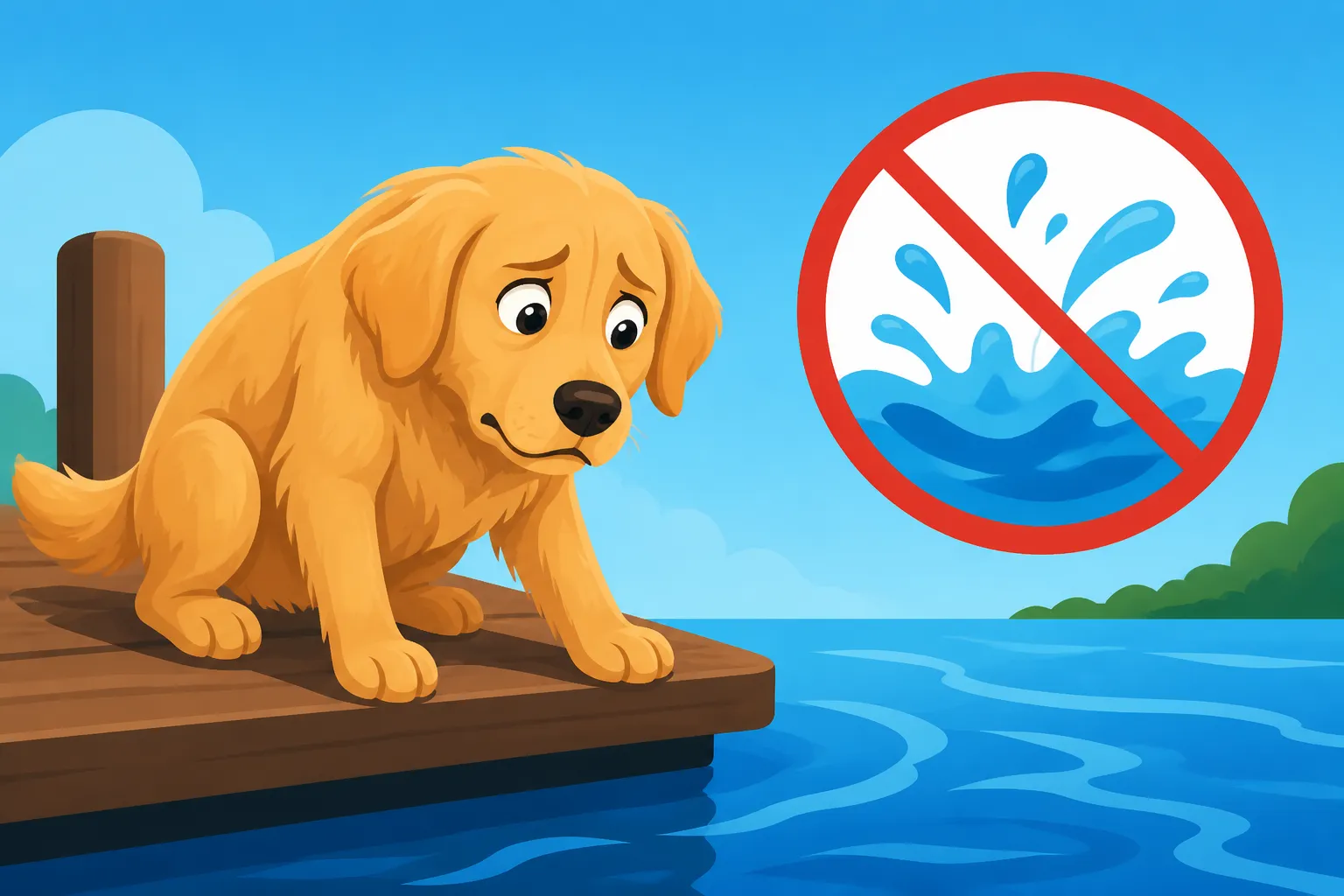
You might notice your Golden trying to actively put distance between themselves and the water. If you approach a lake, pool, or even just turn on the garden hose, they might pull back on their leash, try to duck behind your legs, or even turn and try to head in the opposite direction. They might plant their paws firmly, refusing to move forward, or start to whine softly. If you gently try to encourage them closer, they may stiffen their body, lower their head, or avert their gaze, clearly communicating their discomfort. Some will simply freeze, becoming unresponsive, hoping that if they stand still enough, the scary water will just go away. This isn't stubbornness; it's a clear attempt to escape a situation they find distressing. Observing these consistent avoidance behaviors is a strong indicator that your Golden isn't just being picky; they're genuinely afraid.
Physical Manifestations of Fear
Beyond just trying to get away, a fearful Golden Retriever will also show physical signs of stress and anxiety in their body language. These non-verbal cues are vital for understanding their internal state.
Look for a tucked tail, held tightly between their legs, which is a classic sign of submission and fear. Their ears might be flattened against their head, or pulled back, rather than being relaxed or attentive. You might observe excessive panting, even if the weather isn't hot, indicating anxiety. Their eyes might be wide, showing the whites, or they might squint as if trying to shrink away. Lip licking, yawning (when not tired), or even showing the whites of their teeth in a "submissive grin" can also be stress signals. Their body might appear tense, rigid, or hunched. If they are shaking or trembling, even slightly, it's a clear indicator of fear. These are all involuntary reactions that signal distress, and they tell you that your Golden is not having fun; they're experiencing genuine fear and discomfort around water.
Gentle Methods to Help Your Golden Overcome Water Fear
Helping a Golden Retriever overcome a fear of water requires an immense amount of patience, understanding, and a gentle approach. You can't force a dog to love something they're scared of; you need to build trust and create overwhelmingly positive associations. This process isn't about quick fixes; it's about gradual desensitization and counter-conditioning.
Starting Small and Making it Positive
The key to success lies in breaking down the "big scary water" into tiny, manageable steps and making each step an incredibly positive experience. Start with the absolute minimum exposure. This might mean simply sitting near a small, empty kiddie pool in your yard, with your Golden on a long leash, letting them observe it from a distance while you calmly chat and offer Best Treats for Training a Golden Retriever. Don't pressure them to approach it. Once they are relaxed with the empty pool, gradually introduce a tiny bit of water – just an inch or two – enough to wet their paws. Again, no pressure. Let them investigate at their own pace.
The goal is to associate the sight and sound of water with good things. Throw a favorite, high-value toy into the shallow water for them to retrieve, or sprinkle some tasty treats in it. Offer praise in a calm, happy voice whenever they show even the slightest positive interaction with the water, like sniffing it or taking a step closer. You can even use a clicker for precise marker training, marking the exact moment they show brave behavior near the water. For more structured training approaches that emphasize positive reinforcement, you might find programs like BAXTER & Bella helpful, as they focus on building confidence through positive associations. The idea is to make water exposure a game, not a chore, and always end on a positive note, even if it's just a tiny victory for the day. Consistency with these small, positive interactions will gradually chip away at their fear.
Using Gear for Confidence and Safety
Sometimes, a dog's fear of water stems from a lack of confidence in their ability to stay afloat or navigate. Providing appropriate gear can give them a sense of security and make the experience less intimidating.
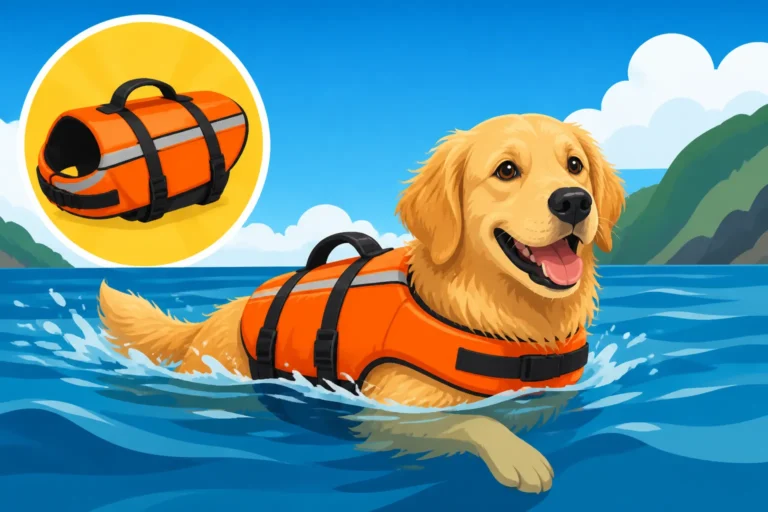
A well-fitting dog life vest is paramount. Even if your Golden is a strong swimmer once comfortable, a vest offers buoyancy and can be a huge confidence booster, especially in deeper water. It allows them to feel supported and secure, reducing the panic that can set in if they feel like they're sinking. Look for brightly colored vests with sturdy handles on the back, which make it easier for you to guide them or lift them out if needed. Many excellent options are available on platforms like Amazon. When first introducing the vest, put it on them in a dry, familiar environment, praising and treating them so they associate it with positive feelings before ever getting near water. When you do introduce them to water, choose a very shallow, calm body of water where they can easily stand or touch the bottom. Gradually encourage them to wade in while wearing the vest, and stay close, offering verbal reassurance and gentle physical support. The vest isn't just for safety; it's a tool to build their belief in themselves around water. Remember, Life Jackets for a Golden Retriever in Open Water are not just for boats, but for any dog learning to swim.
Professional Help and Patience
If your Golden's fear is severe or seems unyielding despite your best efforts, it's absolutely okay to seek professional guidance. Some fears are so deeply ingrained that they require the expertise of a certified professional dog trainer or a veterinary behaviorist. These experts can assess the root cause of the fear and develop a tailored, step-by-step modification plan that is safe and effective for your individual dog.
A professional might use more advanced desensitization and counter-conditioning techniques, or even recommend short-term anxiety medication to help your dog relax enough to begin the training process. They can provide an objective perspective and techniques that might not have occurred to you. When looking for help, always prioritize trainers who use positive reinforcement methods, as force or punishment will only escalate fear and damage the trust between you and your dog. Choosing a Positive Reinforcement Trainer for a Golden is crucial. Remember that overcoming deep-seated fears is a marathon, not a sprint. It takes immense patience and commitment. There will be setbacks, but celebrating small victories and maintaining a calm, encouraging demeanor will eventually help your Golden build positive associations with water, often transforming their initial fear into at least tolerance, and sometimes even joy.
Creating a Positive Water Experience for Your Golden
When it comes to water, your Golden Retriever should associate it with fun, comfort, and positive interaction. It’s not about forcing them, but about creating an environment where they feel safe enough to explore and find the joy that so many Goldens instinctively feel. Think of it as inviting them to a party, not dragging them to an obligation.
Choosing the Right Environment
The environment where you first introduce your Golden to water, or attempt to re-introduce them, makes a significant difference. A rushing river, a loud beach with crashing waves, or a deep, chlorinated swimming pool can be overwhelming and terrifying for a fearful dog. Instead, opt for calm, shallow, and safe locations that minimize sensory overload and perceived threats.
A small, sturdy kiddie pool filled with just a few inches of warm water in your backyard is often the ideal starting point. It’s a controlled environment, free from unknown smells, sounds, or other dogs. Another excellent choice is a very calm, shallow section of a lake or a quiet stream where your Golden can easily touch the bottom and feel secure. Ensure the water is clean and free of strong currents, sharp objects, or slippery surfaces. The goal is to make the physical entry into the water as easy and non-threatening as possible. If they can wade in and out at will, they have a sense of control, which is vital for building confidence. Always scout the location first, ensuring it's genuinely safe and provides an easy exit, so your Golden never feels trapped or overwhelmed.
Incorporating Play and Rewards
Once you have the right environment, the next step is to infuse the experience with irresistible fun, turning water time into play time. Positive reinforcement is your strongest tool here. Think about what your Golden loves most – is it a squeaky ball, a game of fetch, or a particular type of Best Treats for Training a Golden Retriever? Use these motivators to create joyful associations with water.
Start by playing with these high-value toys or treats near the water, not in it. As your Golden relaxes, gradually move the play closer. Toss a floating toy into the very shallowest part of the kiddie pool or stream, where they can still stand, encouraging them to dip a paw or nose in to retrieve it. Celebrate every small victory with enthusiastic praise and their favorite treats. Never throw them in or drag them; let them make the choice to enter. If they prefer to just splash their paws or drink from the water, that’s a win! You can even get in the shallow water yourself and gently encourage them to join you, making it a shared, positive experience. Remember, play doesn't have to be high-energy; a simple game of "find the treat" in shallow water can be incredibly rewarding. This consistent, positive reinforcement helps them understand that water isn't a threat, but a source of engaging activity and happy moments with you. For a breed that needs a good amount of activity, finding a way for water to be part of their Exercise a Golden Retriever Needs Each Day can be truly beneficial for their overall well-being.
Disclaimer
This article is for general informational purposes only and does not constitute professional advice. Laws, prices and regulations vary by location and change over time. Consult a qualified professional for guidance on your specific situation.