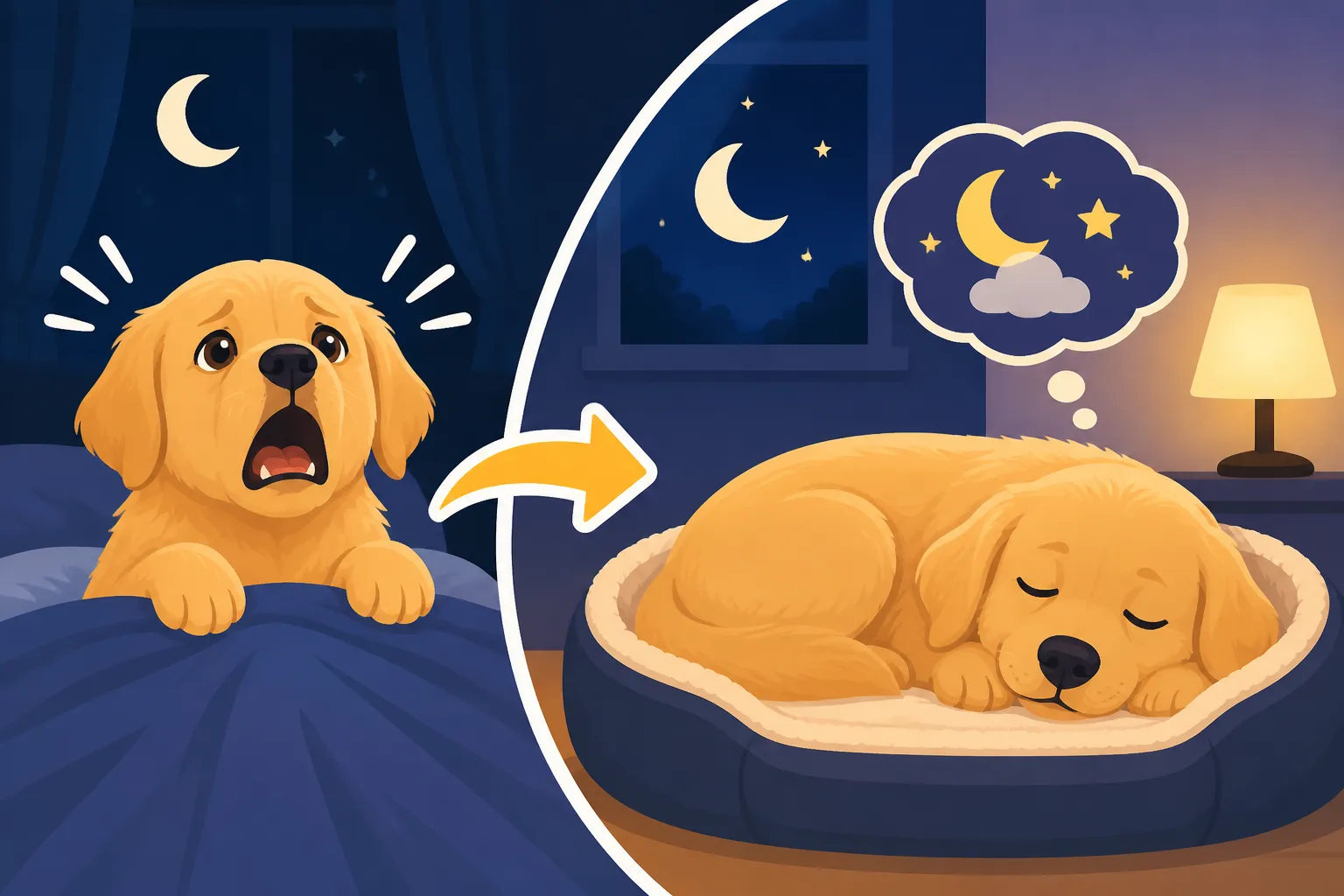
Teaching a Golden Retriever to Sleep Through the Night
That plaintive whine or insistent bark echoing through the house at 2 AM can be incredibly frustrating for any new Golden Retriever owner. Many of us bring home that adorable, fluffy puppy, full of dreams of cuddles and companionship, only to be met with sleepless nights. It’s a common struggle, and it’s absolutely normal for puppies (and sometimes even older Goldens!) to have trouble settling down. This comprehensive guide is here to walk you through the real reasons your Golden isn't sleeping through the night and provide practical, empathetic strategies to help both of you get the restful sleep you deserve.
Understanding Why Your Golden Isn't Sleeping Through the Night
It’s easy to feel like your Golden Retriever is deliberately trying to keep you awake, but trust me, they're not! There are very real, often instinctive, reasons behind their nighttime restlessness. Understanding these roots is the first step towards finding a solution that works for everyone and approaching the situation with patience rather than pure exhaustion.
The Puppy's Biological Clock and Bladder
When you bring home a new Golden Retriever puppy, often around 8 weeks old, they're essentially tiny babies with tiny bladders. Their little bodies simply aren't equipped to hold it for eight hours straight. Expecting them to is like asking a human infant to sleep through the night without a diaper change – it's just not realistic. Their internal clocks are still adjusting, too. They’ve just come from a litter where siblings were always moving, playing, or nudging. Solitude at night is a brand new, and often confusing, concept for them.
Furthermore, their digestive systems are immature. Puppies need to eat frequently, and what goes in must come out relatively quickly. If they had a big drink or a late dinner, their bladder or bowels will demand attention much sooner than you might hope. This isn't naughtiness or a challenge to your authority; it's pure biology. As they grow, their bodies mature, and they gain more control over their bodily functions, but it takes time and consistent reinforcement from you.
Recognizing these physical limitations helps us approach their nighttime needs with empathy rather than frustration. You're not dealing with a misbehaving dog, but a developing creature whose basic needs must be met, even in the wee hours. It’s why establishing a solid Potty Training Schedule for a Golden Puppy is so crucial, day and night, to help them develop appropriate habits and control.
Anxiety and New Environments
Imagine being whisked away from everything familiar – your siblings, your mom, the specific sounds and smells of your first home – and dropped into a completely new place with new people. That's exactly what a Golden Retriever puppy experiences when they come home. They are suddenly alone, often for the first time in their lives, in a quiet, dark space. This can be genuinely terrifying for a creature wired to be part of a pack. This primal fear of being separated from the group, especially in vulnerability, is a huge driver behind nighttime crying.
This isn't just about being spoiled or wanting attention; it's often genuine fear or separation anxiety. They don't understand that you're just in the next room and will come back. Their entire world has been turned upside down, and their instincts tell them that being alone equals danger. This anxiety can manifest as whining, barking, howling, or even frantic digging and chewing in their sleeping area. It’s a common issue, and understanding Golden Retriever Puppy Sleep and Night Crying as a cry for security, not just a nuisance, changes how you respond.
Even older adopted Goldens can experience this. A rescue dog might have past traumas or simply be disoriented by a new home, new sounds, and new routines. They might be used to sleeping in a different environment, perhaps with other dogs or in a less confined space. Their previous history can significantly impact their ability to settle in and trust that they are safe and secure through the night, even if they appear confident during the day.
Overstimulation Before Bedtime
Just like human children, a Golden Retriever, especially a puppy, needs time to wind down before bed. If their last hour or two before lights out involves intense play, exciting training sessions, or meeting new people, their brains and bodies will still be buzzing with adrenaline. They might seem tired, collapsing into a heap after a burst of activity, but their minds are still racing, processing all the excitement of the day.
This overstimulation makes it incredibly difficult for them to relax into a deep, restful sleep. They might toss and turn, wake up easily at the slightest noise, or even have vivid dreams that cause them to bark or whimper. It’s a bit like trying to fall asleep right after an intense workout or a thrilling movie – your body is physically tired, but your mind won't switch off. We often think "more exercise equals better sleep," and while adequate exercise is vital, the timing and type of activity before bed are equally important.
A calm, predictable evening routine is much more conducive to peaceful slumber. Think of it as preparing their little minds for a long, quiet stretch. This is a crucial element in Training a Golden Retriever From Puppy to Adult and sets them up for success in all areas of their lives, not just sleep. It allows their nervous system to gradually downregulate, preparing them for a deeper, more restorative rest.
Setting the Stage for Successful Sleep: Environment and Routine
Once we understand why our Goldens might be struggling, we can actively create an environment and routine that supports healthy sleep. This isn't about magic; it's about consistency, comfort, and a little bit of foresight to help them feel secure and understand expectations.
The Importance of a Consistent Bedtime Routine
Dogs thrive on routine. They don't have calendars or clocks in the human sense, but they absolutely understand patterns and sequences of events. A consistent bedtime routine acts as a powerful signal, telling their bodies and minds that it's time to wind down for the night. This predictability reduces anxiety and helps them mentally and physically prepare for sleep, knowing what to expect.
Your routine doesn't need to be elaborate, but it needs to be reliable and followed every single night. It might involve a final potty break, a quiet chew toy (like a Kong stuffed with a treat, which you can easily find on Amazon), a gentle cuddle, and then into their designated sleeping space. Doing these steps in the same order, at roughly the same time each night, helps them anticipate what's coming. This is especially true for puppies, who are still learning the rhythm of their new home and need clear indicators.
Skipping steps or being inconsistent sends mixed signals, which can cause confusion and heighten anxiety. One night they might be allowed to nap on the couch until you go to bed, the next they're crated at 9 PM. This unpredictability makes it harder for them to settle because the signals for sleep aren't clear. If you're struggling with establishing effective routines, online programs like BAXTER & Bella often emphasize the critical role of routine in puppy development and training.
Choosing the Right Sleeping Arrangement
Where your Golden Retriever sleeps makes a huge difference in their ability to settle and sleep through the night. For many Golden Retriever puppies, a crate is the gold standard for nighttime sleeping, and for very good reasons. It taps into their natural denning instinct, providing a secure, enclosed space that feels safe and protected. It also helps immensely with potty training by discouraging accidents in their sleeping area, as dogs are naturally clean creatures who prefer not to soil their den.
The location of the crate is also important, particularly for young puppies. Having the crate in your bedroom, right next to your bed, can provide immense comfort and reassurance during those first few weeks. They can hear, smell, and sometimes even see you, which alleviates much of the anxiety of being alone. As they mature and gain confidence, you can gradually move the crate to a more permanent location, if that's your long-term plan. Remember, the crate should always be a positive place, never used for punishment. Choosing the right size and type of crate is part of Crate Training a Golden Retriever Puppy.
For older Goldens, or puppies who have successfully transitioned and no longer need the confinement for potty training or safety, a comfortable dog bed in a quiet corner of your bedroom or another designated "sleep zone" can work well. Orthopedic beds are often a fantastic investment for Goldens, especially as they age and may start to experience Golden Retriever Arthritis and Joint Decline. Regardless of the setup, the key is a designated, comfortable, and consistent sleeping spot that they associate with rest.
Creating a Den-Like Comfort Zone
Whether it’s a crate or a stand-alone bed, making your Golden's sleeping area feel like a true den is crucial for promoting deep, uninterrupted sleep. A den is a place of safety, quiet, and retreat. For a crate, this might mean covering it with a blanket or a purpose-made crate cover on three sides, leaving the front open for air circulation. This creates a cozy, cave-like atmosphere that blocks out stimulating sights and sounds, helping them feel more secure. You can find excellent, durable crate covers on Amazon.
Inside the crate or on their bed, ensure they have soft, clean bedding. A comfortable pad or blanket provides warmth and cushioning. If your Golden tends to be a chewer, opt for bedding made from durable materials or a heavy-duty mat that is less tempting to destroy. Some Goldens also benefit from a familiar scent item, like a worn t-shirt that smells like you, placed in their sleeping area. This can be particularly comforting for a puppy missing their littermates and mother. Avoid putting toys that might be noisy or tempting to play with in their night-time den; save those for daytime activities.
White noise machines or a quiet fan can also be incredibly helpful, especially in noisy households or urban environments. They can drown out sudden sounds that might startle your Golden awake, like sirens, traffic, or even household noises from other family members. The goal is to make their sleeping spot a sanctuary, a consistent place where they feel completely secure and undisturbed, encouraging longer stretches of sleep.
Training Strategies for Nighttime Peace
Once the environment is optimized, it's time to focus on the training aspect. This involves teaching your Golden Retriever how to self-soothe, understand boundaries, and develop the bladder control needed for a full night's sleep. It's a progressive journey that requires consistency and patience.
Crate Training for Secure Sleep
Crate training is one of the most effective tools for teaching a Golden Retriever, especially a puppy, to sleep through the night. It capitalizes on their natural instinct to keep their sleeping area clean. A properly sized crate means they won't want to soil it, thus encouraging them to hold their bladder and bowels for longer periods. Crucially, the crate also prevents them from getting into trouble by chewing on things they shouldn't or wandering around the house, which can be overstimulating and lead to accidents.
Introducing the crate should always be a positive experience. Feed meals in it, offer high-value treats and toys (like a long-lasting chew or a puzzle toy you sourced from Amazon), and never use it as a punishment. The goal is for them to view it as their safe, comfortable den. Gradually increase the time they spend in it during the day, even if it's just for short naps, before expecting them to sleep there all night. This builds a positive association and helps them relax when it's time for bed.
When it comes to Golden Retriever Puppy First Night Home, the crate is your best friend. Place it near your bed initially to help them adjust to being alone. This proximity offers reassurance without creating a dependency on you to be in the crate with them. Over time, as they gain confidence, you can gradually move the crate to its permanent location, perhaps in a quiet corner of your home.
Managing Nighttime Potty Breaks
Even with a perfectly executed crate training plan, young Golden Retriever puppies will need nighttime potty breaks. It’s not a failure of training; it's a physiological necessity. The key is to make these breaks as boring and efficient as possible. When your puppy wakes you up (whether with a whimper or an insistent whine), take them directly outside on a leash. Don't engage in play, don't turn on all the bright lights, and keep conversation to a minimum. The message should be clear: "This is for business, not playtime or interaction."
Once they've done their business, praise them quietly (a gentle "good potty!") and immediately return them to their crate. Resist the urge to let them wander or play, even for a few minutes. If you make nighttime potty breaks too exciting, they might start waking you up just for the fun of it, which you want to avoid reinforcing. As they get older, the frequency of these breaks will naturally decrease. A good rule of thumb for how long a puppy can hold it is their age in months plus one, in hours (e.g., a 3-month-old puppy might be able to hold it for 4 hours), though this is a guideline, not a strict rule.
This period requires immense patience. You're teaching them impulse control and bladder maturity, which are skills that develop over time. Keeping a log of when they eat, drink, and potty can help you anticipate their needs and potentially adjust their schedule to reduce late-night urgency, a topic often covered in How Long a Golden Retriever Puppy Holds It.
What to Do When Your Golden Cries at Night
This is often the hardest part for new Golden Retriever owners, especially with those heart-wrenching puppy cries. It’s a delicate balance between addressing genuine needs and inadvertently reinforcing attention-seeking behavior. You need to be a detective and a consistent trainer all at once.
First, rule out a legitimate need. If you know your puppy needs a potty break (based on their age and when they last went), take them out as described above – business only, no fun. If they’ve just gone, or you know their bladder should be fine for a bit longer, then it’s likely anxiety or attention-seeking. In this scenario, it’s crucial to avoid rushing to comfort them immediately. If you immediately go to them every time they whine, you inadvertently teach them that crying gets your attention and gets them out of the crate.
Instead, try to ignore the whining for a short period. Sometimes, they just need a few minutes to settle themselves. A few minutes might feel like an eternity, but it’s often enough for them to realize that crying isn’t going to open the crate door. If the crying persists or escalates beyond what you can reasonably ignore, a sharp, single verbal correction like "Quiet!" or a firm tap on the crate (without opening it or making eye contact) can sometimes break the cycle. The goal is to interrupt the behavior, not to engage in a conversation or coddle them out of the crate. You want to teach them that nighttime is for quiet sleep.
If their crying is severe and prolonged, indicating high anxiety that won't cease, you might need to reconsider your setup. Is the crate truly comfortable and den-like? Is it too isolated? Sometimes, even just reaching a hand into the crate to let them sniff you, without speaking or pulling them out, can provide just enough reassurance for them to calm down. The balance is key: acknowledge genuine fear without rewarding panic or manipulation. This helps build Building Alone-Time Tolerance in a Golden Puppy.
Beyond Puppyhood: Addressing Adult Golden Retriever Sleep Issues
While most sleep issues stem from puppyhood, sometimes an adult Golden Retriever might suddenly start having trouble sleeping through the night. This can be particularly alarming if they've always been a good sleeper. When this happens, it's time for a bit of detective work and often a trip to the vet.
Changes in Routine or Environment
Adult Golden Retrievers, just like their puppy counterparts, thrive on routine and predictability. Any significant change in their daily schedule or environment can throw them off balance and disrupt their sleep. Did you recently move to a new house, even just across town? Did your work schedule change, leading to different feeding times or fewer walks? Did a new baby or another pet join the family? All these shifts can introduce stress and anxiety, making it harder for your Golden to relax and settle down at night.
Consider even subtle changes. Perhaps their favorite napping spot during the day is now occupied, or their evening walk route has changed. Even a new piece of furniture in their sleeping area can make a sensitive Golden feel uneasy. Their world is often centered around predictability, and when that's disturbed, their sleep can be the first thing to suffer. This is where the consistency we discussed earlier truly pays off throughout their lives. If changes are unavoidable, introduce them gradually and maintain as much of their established routine as possible.
Sometimes, the issue isn't a change in their routine, but yours. If you've started staying up later, or waking up earlier, your Golden might be adjusting to your new rhythm. Remember, they are deeply tuned into their human companions. A helpful strategy can be to incrementally adjust your Golden's bedtime and wake-up routine by 15-minute intervals over several days, easing them into the new schedule rather than making an abrupt change.
Health Concerns Affecting Sleep
If an adult Golden Retriever who previously slept soundly suddenly starts waking up, pacing, or showing restlessness at night, a veterinary check-up should be your very first step. There's a wide range of underlying health issues that can interfere with a dog's sleep. Pain, for instance, from conditions like Golden Retriever Hip Dysplasia Symptoms by Age or Golden Retriever Arthritis and Joint Decline, can make it impossible for them to get comfortable. They might shift positions frequently, whimper, or even pace around their sleeping area.
Other medical conditions can also play a significant role. Urinary tract infections can cause increased urgency, leading to nighttime potty requests. Cognitive Dysfunction Syndrome (CDS), often seen in Caring for a Senior Golden Retriever, can cause disorientation, anxiety, and a disruption of normal sleep-wake cycles. Dogs with CDS might wander, bark, seem confused at night, or even "sundown." Digestive upset, allergies causing itchiness, or even certain medications can also make them restless and unable to find comfort.
It’s crucial not to dismiss these changes as "just old age" or purely behavioral issues without a vet’s thorough evaluation. Your vet can perform a complete physical examination, including blood work or imaging, to rule out or diagnose any medical causes. Early detection and treatment can make a world of difference not only for their sleep but for their overall quality of life. Always be attuned to Quiet Signs a Golden Retriever Is Hurting.
Behavioral Issues Developing Later
Sometimes, even without major life changes or clear health problems, an adult Golden might develop new behavioral patterns that impact their sleep. Perhaps they've learned that barking at night gets them attention, or they've become more anxious about being alone. This can stem from subtle changes you didn't even notice, or it could be a delayed onset of separation anxiety, particularly if their daytime alone-time has increased or they've experienced a traumatic event while you were away. Separation Anxiety in Golden Retrievers can manifest at any age.
A bored Golden Retriever, even an adult, can also become restless at night. If they're not getting enough mental and physical exercise during the day, they might have too much pent-up energy to truly relax into a deep sleep. A Golden Retriever needs a significant amount of daily activity, not just a quick trip around the block. This includes engaging walks, active playtime, and mental stimulation through training sessions, scent games, or Puzzle Feeders That Occupy a Golden Retriever.
Consider their overall daily enrichment. Are they getting enough opportunities to sniff, explore, play, and engage their intelligent minds? If not, their nighttime restlessness might be a sign of underlying boredom or unfulfilled needs. Sometimes, simply adjusting their daytime schedule to include more enriching activities can solve nighttime sleep problems. Remember, a truly tired Golden is usually a well-behaved, well-sleeping Golden, and finding appropriate Mental Enrichment for a Bored Golden Retriever is vital.
Essential Tools and Techniques for Nighttime Success
Getting your Golden Retriever to sleep through the night doesn't require a whole arsenal of expensive gadgets, but there are some helpful tools and techniques that can make the journey smoother for both of you. Consistency in their application is what truly makes them effective.
Establishing a Pre-Bedtime Wind-Down Routine
Just like a toddler, your Golden Retriever benefits immensely from a clear signal that the day is ending and quiet time is approaching. This isn't just about the final potty break; it’s about the hour or two before that. About an hour before you want your Golden to settle, dim the lights in the house, turn off stimulating noises like the TV or loud music, and engage in calm, low-key activities.
This might include a gentle massage, quiet cuddle time on the floor, or a slow chew on a dental stick. Avoid vigorous play, excited visitors, or intense training sessions during this period. The goal is to gradually lower their energy levels and promote a state of deep relaxation. Think of it as creating a "zen zone" before sleep. A slow, calm walk around the yard to ensure they empty their bladder and bowels fully is perfect, without turning it into a play session.
Incorporating a mentally stimulating but physically calming activity, like a snuffle mat or a KONG wobbler filled with a few treats (easily found on Amazon), can also be excellent. It keeps their minds engaged without revving them up. The focus should be on activities that encourage a sense of contentment and ease, helping them transition from active to resting mode.
Utilizing Crate Comforts and Aids
If you're using a crate for nighttime sleep, making it as comfortable and appealing as possible is paramount. A high-quality, comfortable bed or thick blanket inside provides cushioning and warmth. If your Golden tends to chew, opt for a durable, chew-resistant bed or a thick mat that is less tempting to destroy. You can even find cooling mats for warmer climates or heated pads for colder ones, both available through retailers like Amazon.
Sometimes, a "heartbeat" toy can provide immense comfort for a young puppy, mimicking the feeling of being with their littermates. These plush toys often have a device inside that emits a gentle pulse and warmth, offering a soothing sensation that can help reduce anxiety. You might also consider leaving a safe, non-squeaky chew toy in the crate, something that provides a gentle, quiet distraction if they stir, without becoming a source of intense play.
White noise machines, as mentioned before, are a simple yet effective aid. They create a consistent auditory environment that can mask startling sounds and help your Golden stay asleep. You can download white noise apps on your phone or purchase dedicated machines. The idea is to create an environment that feels safe, consistent, and conducive to uninterrupted rest, making it easier for them to spend How Long a Golden Retriever Can Be Left Alone comfortably.
Strategic Potty Breaks and Ignoring Unnecessary Noise
For puppies, planned, boring potty breaks are your key strategy. Schedule the last potty trip right before you go to bed, even if it means gently rousing them slightly. For very young puppies, you might even set an alarm for a middle-of-the-night potty trip, gradually extending the time between breaks as they mature. This proactive approach can prevent accidents and reinforce the idea that their crate is for sleeping, not for soiling.
During these breaks, remember the "business only" rule. No playing, no excited voices, just outside, potty, and immediately back inside to the crate. This prevents them from associating nighttime waking with fun or interaction, which can inadvertently reinforce unwanted behaviors.
When it comes to crying, especially after you've ruled out immediate needs, consistency in ignoring is critical. It sounds harsh, but it's teaching them independence and self-soothing. Every time you respond to a non-essential whine, you’re strengthening the behavior. If you’re really struggling with the noise, earplugs can be your best friend during this temporary phase. For persistent or escalating crying that you suspect is anxiety-driven, consider resources like BAXTER & Bella, who offer structured guidance for common puppy challenges, including nighttime settling. The goal is to break the association between crying and getting attention.
Troubleshooting Common Nighttime Issues
Even with the best preparation and training, you might encounter bumps in the road. It's a journey, and every Golden is an individual. Here's how to address some of the most common nighttime challenges you might face with your beloved companion.
When Your Golden Just Won't Settle
It can be incredibly frustrating when your Golden Retriever seems to resist all your efforts to get them to sleep. If they're pacing, whining, or simply unable to lie down and rest, re-evaluate their daytime activity levels. Are they truly tired enough, both physically and mentally? A Golden Retriever needs a lot of exercise and mental stimulation. A quick walk around the block might not cut it. Consider adding more active playtime, structured training sessions, longer sniff walks, or even dog sports during the day. Exercise a Golden Retriever Needs Each Day is often underestimated, leading to excess energy at night.
Also, look at their food and drink schedule. Are they eating or drinking too close to bedtime, leading to a full bladder or upset stomach just as they're trying to settle? Try to move their last meal and any significant drink of water to earlier in the evening, giving them plenty of time for a final, thorough potty break before bed. Sometimes, even the type of food can contribute to restlessness if it causes digestive discomfort or an allergic reaction.
Finally, consider anxiety. Is the sleeping area truly dark and quiet enough? Some Goldens benefit from a comforting blanket that smells like their human, or even a white noise machine to block out startling sounds. For extreme cases where anxiety is clearly the root, a vet might suggest short-term, mild calming aids while you work on behavioral strategies, but this should always be a last resort after ruling out all other causes.
Dealing with Middle-of-the-Night Accidents
Nighttime accidents, especially in a crate, can be incredibly disheartening and messy. If your puppy is consistently having accidents, first ensure the crate isn't too large. If they have enough space to potty in one corner and sleep comfortably in another, they will often do so. The crate should only be big enough for them to comfortably stand up, turn around, and lie down without excessive extra room.
Next, revisit your potty schedule rigorously. Are you taking them out often enough during the day? Is the last potty break truly effective and complete? Some puppies benefit from a "dream pee" where you gently rouse them just enough to take them outside for a quick potty before they're fully awake. This can help them empty their bladder without fully stimulating them into playtime mode, and then they can be returned to the crate.
For an adult Golden, a sudden onset of nighttime accidents demands a vet visit immediately to rule out medical issues like a urinary tract infection, kidney problems, or other underlying health conditions. If medical causes are ruled out, it might be a behavioral issue, perhaps related to stress, a change in routine, or even anxiety. In such cases, it might be necessary to go back to basics, treating them like a puppy again with very frequent, supervised potty breaks and gradually increasing the time between outings.
Addressing Barking or Howling Episodes
Barking or howling in the middle of the night can be a real test of patience, especially for light sleepers or those with close neighbors. Again, the first step is always to differentiate between a legitimate need (like an urgent potty break) and attention-seeking behavior. If it's a puppy who truly needs to go outside, the quick, no-frills potty break is the answer. If you've addressed all needs and they're still making noise, it's time for some tough love and consistent training.
Ignoring the barking is often the most effective, albeit difficult, strategy. Any attention – scolding, comforting, even just looking at them – can inadvertently reinforce the behavior. They learn that "noise gets response." If the barking is prolonged and you live in close quarters, a sharp, single "Quiet!" command or a firm tap on the crate might be necessary to interrupt the behavior, but avoid prolonged interaction or letting them out of the crate. Earplugs can be your best friend during this phase of training, allowing you to remain consistent without losing your mind.
For adult Goldens, consider if something external is triggering the barking – a noise outside, a change in light, or even something they perceive as a threat. Window coverings can help if outdoor triggers are the issue. If the barking seems rooted in anxiety, revisiting the principles of Building Alone-Time Tolerance in a Golden Puppy and gradually increasing their comfort with solitude might be needed, potentially with the guidance of a professional trainer. Remember, consistency is your most powerful tool here; giving in just once can undo days of progress.
| Issue | Primary Causes | Solutions |
|---|---|---|
| Puppy Crying (early weeks) | Loneliness, fear, small bladder, new environment | Crate near owner's bed, consistent bedtime routine, very brief & boring potty breaks, ignore non-potty cries, introduce a heartbeat toy or your scent, ensure crate comfort. |
| Adult Sudden Waking/Restlessness | Pain/discomfort, underlying medical issue, anxiety, disrupted routine, insufficient daytime exercise | Vet check-up immediately, ensure orthopedic bed if age/health warrant, re-establish consistent routine, increase physical and mental stimulation during the day, create a calming evening wind-down, consider white noise. |
| Nighttime Potty Accidents | Crate too large, late meals/drinks, UTI, anxiety, insufficient daytime potty breaks | Ensure correct crate size (just enough to stand/turn), adjust feeding/watering schedule to earlier evening, increase daytime potty frequency, vet check-up (adult Golden), implement "dream pees" for puppies, thorough cleaning of accident spots. |
| Barking/Howling at Night | Attention-seeking, external triggers, anxiety, boredom, medical issue | Rule out urgent potty needs, then ignore (if not urgent), use a firm "Quiet!" command, identify and mitigate external triggers (ee.g., window coverings), increase mental/physical daytime activity, vet check-up for underlying anxiety/medical conditions. |
| Won't Settle/Overstimulated | Too much excitement before bed, late food/drink, insufficient overall exercise | Establish a calm, consistent wind-down routine for 1-2 hours before bed, ensure last meal/water is earlier, provide mentally stimulating but calming activities (e.g., puzzle toy on Amazon), ensure adequate physical exercise during the day (but not right before bed). |
This journey to a full night's sleep for your Golden Retriever, whether puppy or adult, requires a blend of understanding, patience, and consistent training. But seeing them finally curl up peacefully, knowing they feel safe and secure, makes every sleepless night and ounce of effort worth it. You're building trust and good habits that will last a lifetime.
Disclaimer
This article is for general informational purposes only and does not constitute professional advice. Laws, prices and regulations vary by location and change over time. Consult a qualified professional for guidance on your specific situation.