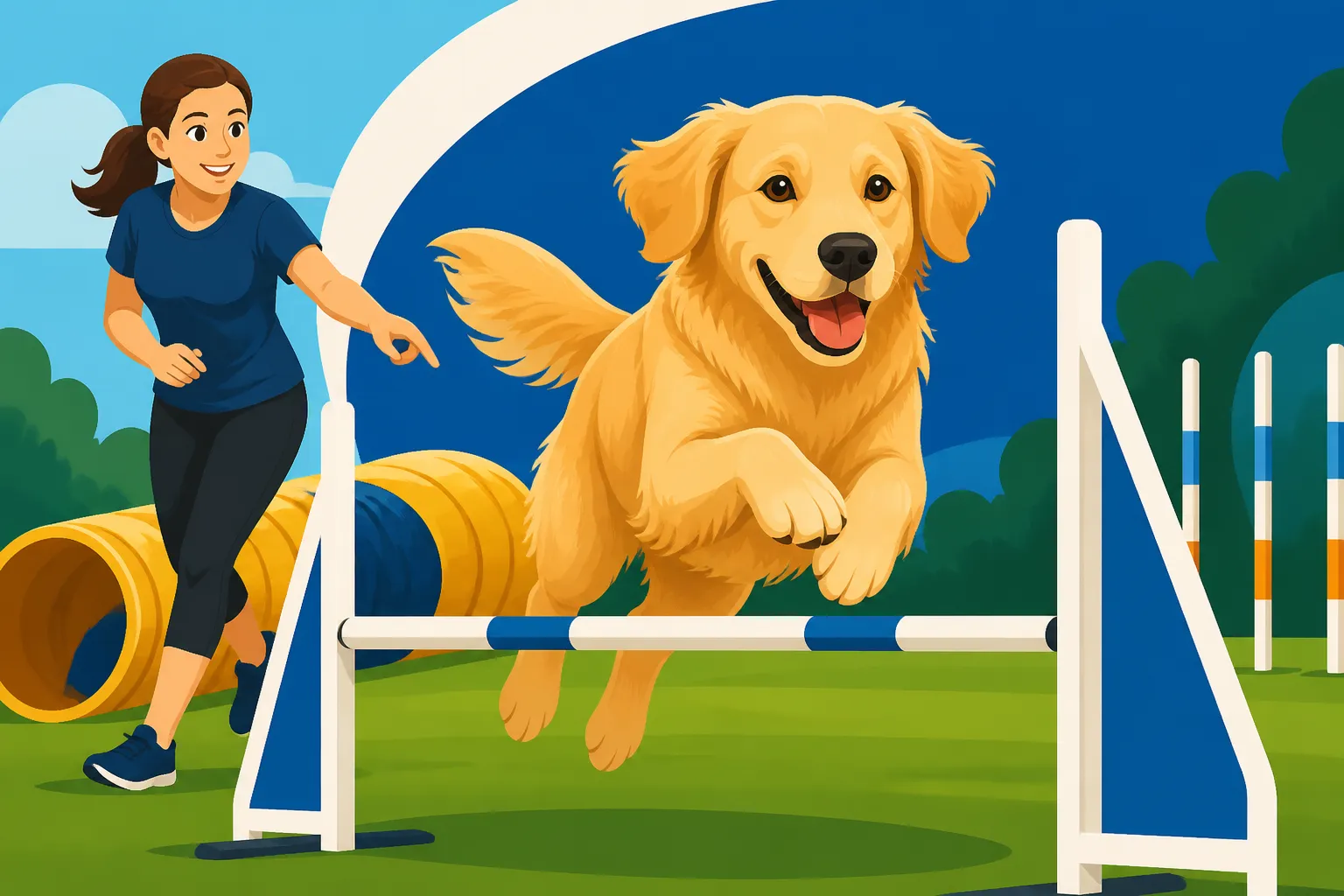
Starting Agility With a Golden Retriever
It can feel like your Golden Retriever has an endless supply of energy, bouncing off the walls even after a long walk, and you might be wondering how on earth to channel all that enthusiasm. If you've got a Golden who loves to learn, play, and work alongside you, then exploring the exciting world of dog agility might just be the perfect answer, offering both mental stimulation and a fantastic physical outlet for their boundless joy. This guide will walk you through everything you need to know about getting started with agility training, from understanding why Goldens are so good at it to finding the right instruction and protecting their long-term health.
Why Golden Retrievers Excel at Agility
Golden Retrievers often look at the world with an eager, "What can we do next?" expression, and that natural zest for life translates beautifully into the sport of agility. They're not just beautiful companions; they're intelligent, athletic dogs with a strong work ethic. It’s no wonder you see so many Goldens flying over jumps and weaving through poles at trials!
Natural Drive and Trainability
One of the biggest reasons Goldens shine in agility is their incredible trainability and their innate desire to please their people. They absolutely thrive on partnership and positive reinforcement. When you're asking a Golden to navigate a complex course of obstacles at speed, their willingness to cooperate and their sharp minds come to the forefront. They are intelligent dogs, often ranking high in studies of canine intelligence, which means they can quickly grasp new commands and patterns. This eagerness to learn makes the training process incredibly rewarding for both dog and handler.
Their retrieving instinct, which is what the breed was originally developed for, also plays a huge role. Many Goldens are highly motivated by toys, especially chase and retrieve games, which can be harnessed to build incredible speed and focus on an agility course. A squeaky ball or a favorite tug toy at the end of a sequence can be a powerful motivator, encouraging them to give their all. This strong prey drive, directed appropriately, can make them formidable competitors. If you're looking for Mental Enrichment for a Bored Golden Retriever, agility provides that in spades.
Physical Attributes for the Sport
Beyond their brains and willingness, Golden Retrievers possess many of the physical traits that are highly desirable in an agility dog. They're a medium-to-large breed, typically well-muscled and athletic, with a gait that is both powerful and graceful. They have good stamina, capable of sustaining bursts of speed and navigating multiple obstacles without tiring quickly. This endurance is crucial for running full courses.
While they may not be as compact or speedy as some of the smaller herding breeds often seen in agility, their strength allows them to tackle larger jumps and full-size A-frames with confidence. Their stable build generally gives them good body awareness, which is key for safely maneuvering through tunnels, teeters, and weave poles. However, it's really important to respect their physical development, especially when they are young. We'll talk more about this, but ensuring their joints are mature and strong is paramount for a long and healthy agility career. Goldens are known for certain orthopedic challenges like Golden Retriever Hip and Elbow Dysplasia Explained, so responsible training is critical.
Preparing Your Golden Retriever for Agility Training
Before your Golden Retriever even sniffs their first agility jump, there's some essential groundwork to lay. Agility isn't just about running fast; it's about control, communication, and confidence. Starting right will set both of you up for success and, most importantly, for a safe and enjoyable journey.
Foundational Obedience and Maturity
You absolutely cannot skip the basics. A Golden Retriever needs to have a solid grasp of fundamental obedience commands before starting agility. Think about it: you'll be asking them to work off-leash in a stimulating environment with other dogs and exciting equipment. A reliable "sit," "stay," "come" (Building Reliable Recall in a Golden Retriever), and a solid understanding of leash manners are non-negotiable. They need to be able to focus on you amidst distractions, which is a skill built over time through consistent positive reinforcement training. If your Golden is still struggling with Training a Golden Retriever From Puppy to Adult, focus there first.
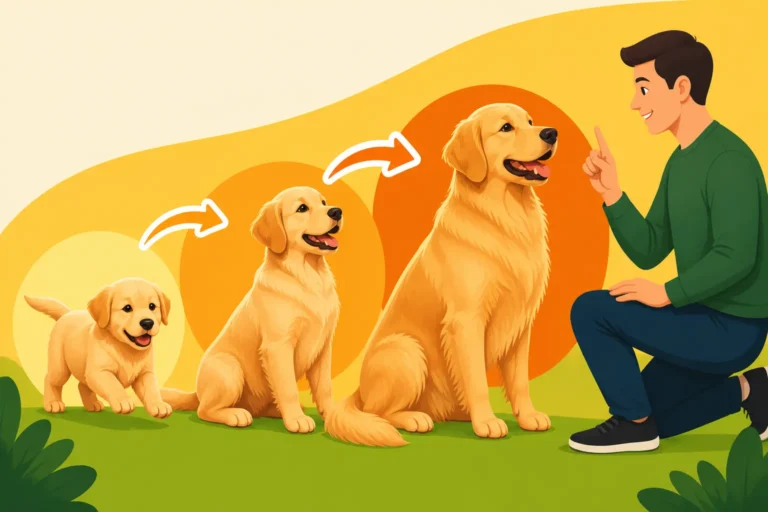
Equally important is ensuring your Golden Retriever is physically mature enough for the demands of agility. The general consensus among reputable trainers and veterinarians is that dogs should be at least 12-18 months old, with 18-24 months being ideal for most larger breeds like Goldens, before starting any significant jumping or high-impact obstacle work. This is because their growth plates need time to close and their joints need to fully develop. Starting too young or too intensely can lead to serious, irreversible orthopedic injuries. While tunnels and low ground-level contacts are often fine for younger dogs, avoid anything that involves impact or twisting until their skeletal system is fully formed. Understanding When a Golden Retriever's Growth Plates Close is vital for their long-term health.
Building Motivation and Focus
Agility is a high-energy sport, and you want your Golden to be excited about it! Building motivation starts long before you introduce obstacles. Use toys and high-value treats to make training sessions fun and engaging. Find out what truly drives your Golden – is it a squeaky ball, a tug toy, or a tasty piece of chicken? Use that as their reward. Practice playing with them in different environments to build their focus on you, even when there are distractions present.
Engagement isn't just about treats or toys; it's about your relationship. Be enthusiastic, be a cheerleader, and make yourself the most interesting thing in the world to your Golden. This connection is the foundation of a great agility team. You can explore different types of Best Treats for Training a Golden Retriever to find what works best. For those who want guidance on this, online programs like BAXTER & Bella offer excellent resources for building foundational obedience and engagement, which can be invaluable before stepping onto an agility course.
Essential Gear for Starting Out
You don't need a fancy course to get started with agility concepts. For home practice, you'll want some basic gear:
- A flat collar and a sturdy leash: Essential for control, especially in new environments.
- High-value training treats: Small, soft, and irresistible.
- A favorite toy: Something your Golden will work hard for.
- A long line: Great for practicing recall and send-outs in a safe, open area before going off-leash.
- Simple homemade obstacles: A broomstick laid across two buckets for low jumps, a hula hoop to run through, or even just some cones or garden stakes to practice weaving around. You can find inexpensive training tunnels and basic jump sets on Amazon that are great for beginners.
| Gear Type | Purpose | Notes |
|---|---|---|
| Flat Collar/Harness | Control and safety during training | Ensure a good fit that won't impede movement or breathing. |
| Sturdy Leash | Guiding, keeping close, and transitions between exercises | A standard 6-foot leash is usually sufficient. |
| High-Value Treats | Motivation, rewarding correct behavior, building drive | Use soft, small treats that are quickly consumed. |
| Favorite Toy | Alternative reward, building excitement, chase drive | Durable toy that your Golden loves to fetch or tug. |
| Long Line | Safe off-leash practice, building distance work | Essential for practicing recall and send-outs in an open, safe area. |
| Cones/Markers | Setting boundaries, guiding around objects, simple weave pole practice | Inexpensive, versatile for creating mini-courses or guiding movement. |
| DIY/Starter Jumps | Introducing the concept of jumping over obstacles at low heights | Use PVC pipe, broomsticks, or buy a basic starter set. Always keep heights very low for young dogs. |
| Tunnels | Introducing enclosed spaces and forward drive | Pop-up tunnels for kids (found on Amazon) can be a great, inexpensive start for introducing this obstacle. |
Getting Started with Agility Training: From Home to Class
Once your Golden has a good handle on basic obedience and is physically ready, the fun of introducing agility obstacles can begin! There are two main paths to explore: doing it yourself at home or enrolling in formal classes. Often, a combination of both yields the best results.
DIY Agility at Home
Starting at home is an excellent way to introduce your Golden to agility concepts in a low-pressure, familiar environment. You don't need expensive equipment. As mentioned, a broomstick on buckets makes a jump. A child's play tunnel (often available on Amazon) can serve as a great introduction to enclosed spaces. You can even use household items like laundry baskets as targets or weave around a row of garden stakes. The goal here isn't perfection, but building confidence and enthusiasm.
Focus on one or two obstacles at a time. Lure your Golden over a low jump or through a tunnel with a treat or a toy. Keep sessions short, positive, and end on a high note. The most crucial part of home training is teaching your dog that agility is a game played with you. It builds their confidence and helps them understand the movements without the pressure of a class setting. This is also a fantastic way to bond with your Golden. Remember, even short bursts of Exercise a Golden Retriever Needs Each Day can be accomplished with some creative home agility setups.
Finding the Right Agility Class and Instructor
While home practice is great for building foundational skills and enthusiasm, formal agility classes are invaluable. They offer professional guidance, specialized equipment, and a safe, controlled environment. Plus, the distractions of other dogs and new smells in a class setting are excellent for proofing your Golden's focus and obedience.
When looking for a class, here's what to consider:
- Positive Reinforcement: Look for trainers who use reward-based methods. Goldens respond beautifully to praise, treats, and toys. Avoid any trainer who advocates harsh corrections or punishment. A good agility instructor understands canine behavior and motivations. Consider looking for a trainer who aligns with positive methods, like those often advocated by platforms such as BAXTER & Bella.
- Experienced Instructors: Find an instructor who has experience training Goldens or similar breeds and who competes in agility themselves. They'll understand the nuances of the breed and how to best motivate them.
- Class Size and Structure: Smaller class sizes generally mean more individualized attention. Ask about the class progression – do they start with foundation skills before full obstacles?
- Safety First: Observe a class if possible. Is the equipment well-maintained? Are the dogs warmed up properly? Is there an emphasis on safety and preventing injuries, especially for developing dogs? Choosing a Positive Reinforcement Trainer for a Golden is a critical step.
The First Steps: Tunnels, Jumps, and Weaves
In an introductory agility class, you'll start with the most basic elements, focusing on building your dog's understanding and confidence.
- Tunnels: Often the easiest obstacle for Goldens to master, as it's just a straight shot through an enclosed space. Start with a short, straight tunnel, luring your dog through with a treat or toy. Make it a fun, fast game.
- Jumps: These will begin with very low bars, often just a couple of inches off the ground, or even poles laid flat. The focus is on learning to go over the bar, not around it. As your Golden gains confidence and maturity (and only when their growth plates are fully closed), the height will gradually increase. Correct form, like taking off and landing correctly, is emphasized to prevent injury.
- Contact Obstacles (A-frame, Dogwalk, Teeter): These large obstacles have designated "contact zones" (usually painted yellow) that your dog must touch with at least one paw on the way up and down. Initial training often involves guiding them slowly over these obstacles, teaching them to stay in contact and build confidence. The teeter-totter can be particularly challenging for some dogs due to its movement and noise, so a good instructor will introduce it very carefully and positively.
- Weave Poles: These are often considered the most challenging agility obstacle to teach, requiring a specific serpentine pattern through a line of poles. You won't jump straight into weaving all twelve poles. Training typically starts with channels (poles spread wide apart), guiding wires, or a "2×2" method (teaching two poles at a time) to build the correct muscle memory and understanding. It requires immense patience and positive reinforcement.
Each obstacle is taught in a slow, systematic way, breaking down the behavior into small, achievable steps. Your Golden will learn to love each new challenge!
Common Challenges and How to Overcome Them
While Golden Retrievers are often natural fits for agility, it doesn't mean the journey will be entirely without bumps. Their eager personalities and physical characteristics can sometimes lead to unique challenges that require patient and thoughtful handling.
Managing Over-Excitement
Goldens are enthusiastic by nature, and sometimes that enthusiasm can bubble over into a bit of chaos on the agility course. They might get so excited that they miss a command, zoom past an obstacle, or get distracted by the sights and sounds of the venue. It’s not malice; it's just pure, unadulterated joy!
To manage this, you'll want to teach your Golden how to calm themselves and focus. This involves:
- Controlled Warm-ups: Before hitting the course, engage in a structured warm-up. This could include some loose-leash walking, a few basic obedience commands, and perhaps a short play session with a favorite toy. This helps them burn off some initial energy and get into a focused mindset.
- Reinforcing Calmness: Reward calm behavior, both on and off the course. Teach a "settle" command where your Golden learns to lie down quietly. Practice waiting patiently at the start line, rewarding them for maintaining their position even with exciting things happening around them.
- Building a Strong Start Line Stay: A solid start line stay is critical. It allows you to get into position and set up for the first obstacle without your Golden taking off prematurely. Practice this extensively, gradually adding distractions and distance.
- Scheduled Breaks: Even the most excited Golden needs mental and physical breaks. Don't run them constantly. Short, focused bursts of training are far more effective than long, tiring sessions.
Protecting Their Joints
Given the breed's predisposition to joint issues like hip and elbow dysplasia, protecting your Golden's joints throughout their agility career is absolutely paramount. This isn't just about waiting for growth plates to close; it's an ongoing commitment.
- Proper Warm-up and Cool-down: Always begin training or competition with a dynamic warm-up (5-10 minutes of walking, trotting, gentle stretching) to prepare their muscles and joints. End with a cool-down (similar to warm-up) to help their body recover.
- Correct Technique: A good instructor will emphasize proper jumping form, contact obstacle execution, and weave pole entry to minimize strain. Poor form increases the risk of injury.
- Physical Conditioning: A well-conditioned Golden is less prone to injury. Regular, appropriate exercise, including varied activities like swimming (Swimming as Exercise for a Golden Retriever) and hiking, builds core strength and muscle tone that supports their joints. Avoid excessive repetitive stress, especially on hard surfaces.
- Maintaining a Healthy Weight: Every extra pound puts additional stress on joints. Keep your Golden at their ideal body weight. Golden Retriever Weight and Joint Damage is a serious concern.
- Veterinary Care and Supplements: Regular vet check-ups are important. Discuss joint supplements (like glucosamine and chondroitin, or omega-3 fatty acids) with your veterinarian. Joint Supplements for a Golden Retriever can play a supportive role.
- Listen to Your Dog: Pay close attention to any signs of discomfort, lameness, or decreased enthusiasm. If something seems off, consult your vet immediately. It's always better to err on the side of caution. Caring for a Caring for a Senior Golden Retriever who has had an active life often means careful management of old injuries.
Building Confidence on Complex Obstacles
Some Goldens might be initially hesitant or even fearful of certain obstacles, especially those that move (like the teeter-totter) or have unusual textures (like the A-frame ramp). This isn't a sign of stubbornness; it's a lack of confidence, and it requires patience and a positive approach.
- Break It Down: A good instructor will break down challenging obstacles into tiny, manageable steps. For example, the teeter might start by just having your dog walk across a flat board on the ground, then a slightly elevated board, gradually increasing the tilt and the sound it makes.
- Positive Associations: Associate the obstacle with high-value rewards. Every tiny step towards success gets a treat, praise, or a favorite toy. Make it the most fun thing they've ever done.
- No Pressure: Never force your Golden onto or over an obstacle. This can erode trust and create a negative association. Allow them to approach it at their own pace. If they're showing fear, take a step back to an easier version of the exercise or a different obstacle entirely.
- Build Foundational Confidence: Work on general confidence-building exercises outside of agility. This could include learning new tricks, exploring new safe environments, or even just mastering a challenging puzzle toy. A confident dog in general will approach new agility challenges with more bravery.
Agility with a Golden Retriever is a journey, not a destination. It's about teamwork, fun, and celebrating every small victory. Embrace the process, enjoy the bond you build, and your Golden will undoubtedly thrive in this exciting sport.
Disclaimer
This article is for general informational purposes only and does not constitute professional advice. Laws, prices and regulations vary by location and change over time. Consult a qualified professional for guidance on your specific situation.