Grooming a Golden Retriever’s Double Coat
Anyone who has welcomed a Golden Retriever into their home quickly learns that their beautiful, flowing coat isn't just for show – it's a testament to their heritage as working dogs, but it also comes with a significant grooming commitment. That luxurious double coat, while stunning, can become a matted mess, a source of constant shedding, and a magnet for dirt and debris if not properly cared for. This comprehensive guide will walk you through every aspect of maintaining your Golden's magnificent coat, ensuring they stay healthy, comfortable, and looking their best.
Understanding the Golden Retriever's Double Coat
Before we dive into the nitty-gritty of grooming, it's really important to understand what you're working with. A Golden Retriever's coat isn't just one type of hair; it's a sophisticated two-layer system that serves vital functions, reflecting their origins as dogs bred to retrieve game from both land and water, often in varying weather conditions. Knowing how these layers work will help you understand why certain grooming practices are essential and why others, like shaving, are definitely to be avoided.
The Protective Outer Layer (Guard Coat)
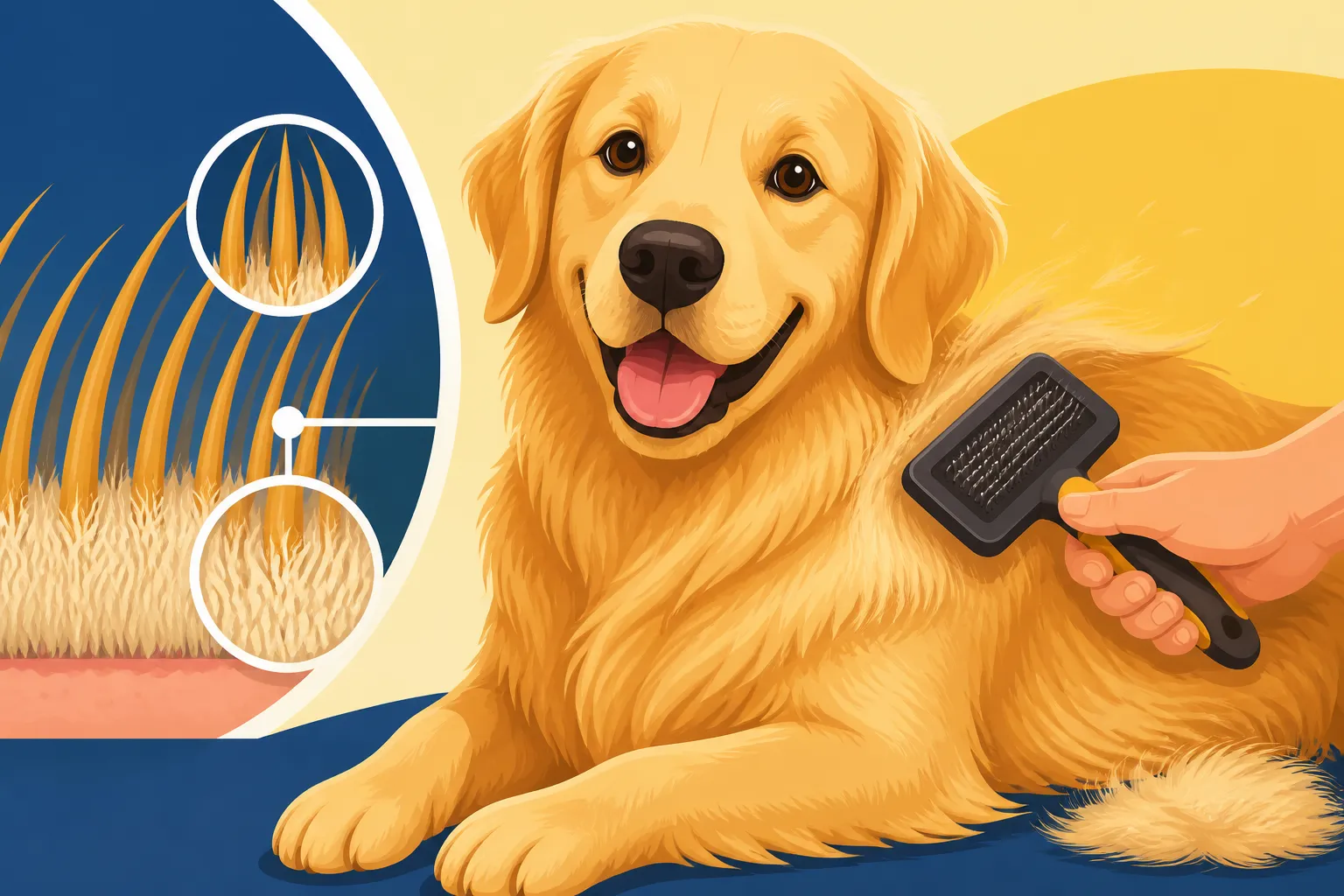
Think of your Golden's outer coat as their all-weather jacket. This layer is made up of longer, water-repellent hair that lies flat against their body. It's typically straight or slightly wavy and has that signature "golden" color, though shades can range from a light cream to a rich, deep red. The primary job of this guard coat is to protect your dog from the elements – rain, snow, dirt, and even harmful UV rays. When your Golden splashes through a muddy puddle or shakes off after a swim, it's this outer layer that helps repel most of the moisture and grime, keeping their skin underneath relatively dry and clean. It also offers a first line of defense against minor scratches and insect bites.
This outer coat is what gives Golden Retrievers their classic, elegant appearance. It's resilient and designed to withstand a lot of outdoor activity. However, even this tough exterior needs regular attention. Without proper brushing, this layer can trap shed undercoat, leading to mats and tangles that compromise its protective qualities. If you ever run your hands through a well-maintained Golden's coat, you'll notice how smooth and almost slick it feels, a testament to its water-resistant properties.
The Insulating Undercoat
Beneath that resilient guard coat lies the undercoat – a dense, soft, and much shorter layer of fur. This is your Golden's natural thermal underwear. Its main purpose is insulation, keeping them warm in colder temperatures and, surprisingly, helping them stay cooler in hot weather by trapping a layer of air that acts as a buffer against external heat. This undercoat is incredibly important for regulating their body temperature.
The undercoat sheds continuously throughout the year, but it "blows" out in massive amounts during seasonal changes, typically in spring and fall. This is why you'll find tumbleweeds of Golden hair around your house if you don't stay on top of it! When the undercoat sheds, if it's not brushed out, it gets trapped by the coarser guard hairs, leading to the dreaded matting. Mats are not just unsightly; they pull at the skin, can be painful, and create an ideal breeding ground for skin infections, parasites, and hot spots because air can't circulate properly. Managing this undercoat is arguably the most crucial part of grooming a Golden Retriever. You'll truly appreciate its density when you see how much hair comes off during a good deshedding session!
Why Shaving is a Bad Idea for Goldens
It's a common misconception, especially in warmer climates, that shaving a Golden Retriever will make them cooler. In reality, it does the exact opposite and can cause long-term damage to their beautiful coat and health. When you shave a Golden, you remove both the protective guard coat and the insulating undercoat. This disrupts their natural temperature regulation system.
Without the guard coat, their delicate skin is exposed to the sun's harsh UV rays, making them highly susceptible to sunburn and increasing their risk of skin cancer. The guard coat also protects against insect bites and minor abrasions. When the coat grows back, it often comes in unevenly; the soft undercoat tends to grow faster and thicker than the guard hairs, leading to a dull, cottony, and even more prone-to-matting texture. This can sometimes result in a condition called "coat funk" where the new coat simply doesn't grow back correctly or healthily. Furthermore, without the insulating properties of the double coat, your Golden can actually overheat more easily because they've lost their natural buffer against the heat. Why You Never Shave a Golden Retriever goes into more detail about this. It’s always best to manage their coat through regular brushing and proper trimming rather than resorting to shaving.
Essential Grooming Tools for a Golden Retriever
Having the right tools makes all the difference when it comes to grooming your Golden Retriever. Trying to manage that magnificent double coat with subpar equipment is like trying to build a house with a butter knife – frustrating, ineffective, and probably painful for everyone involved. Investing in quality tools will save you time, reduce shedding, and keep your dog much happier.
Must-Have Brushes and Rakes
You'll need a collection of brushes to tackle the different layers and needs of a Golden's coat.
- Slicker Brush: This brush has fine, short wires packed closely together on a flat or curved surface. It's fantastic for removing loose hair from both the topcoat and undercoat, and it's excellent for detangling minor mats and smoothing out the coat. Use it gently, as the wires can scratch the skin if too much pressure is applied. Many groomers swear by a good slicker brush for everyday maintenance, especially for removing surface debris.
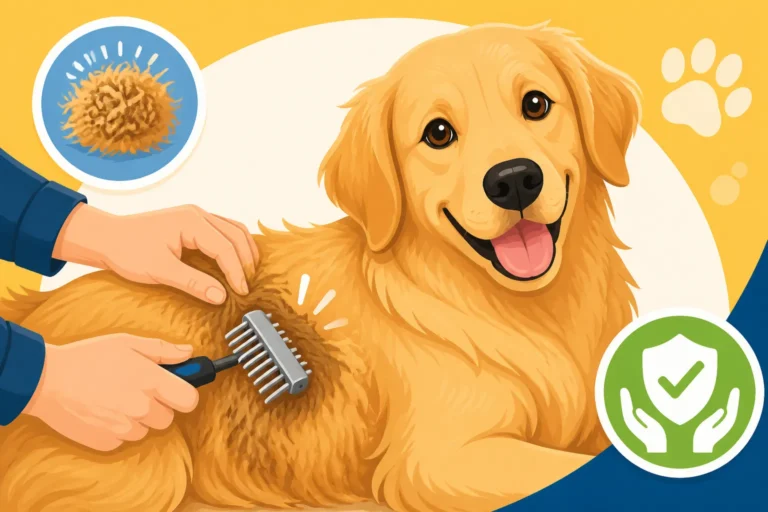
- Undercoat Rake/Deshedding Tool: This is your secret weapon against shedding. An undercoat rake has widely spaced, long teeth designed to reach deep into the undercoat and pull out loose, dead hair without damaging the topcoat. Tools like the FURminator (a well-known deshedding tool) are very effective, but must be used correctly and sparingly to avoid irritating the skin or cutting the guard hairs. For a less aggressive approach, a simple undercoat rake with rotating teeth can work wonders for gently extracting shed hair. Undercoat Rakes and Deshedding a Golden discusses these tools in more detail. These are absolutely indispensable during Golden Retriever Shedding and How to Manage It.
- Pin Brush: This brush has widely spaced metal pins with rounded tips. It's great for longer hair, especially the feathering, and can help to gently remove tangles and keep the coat flowing. It's also good for a final fluff and for distributing natural oils, giving the coat a healthy sheen. While not as aggressive for deshedding as a rake, it's essential for maintaining the overall look and feel of the coat.
- Greyhound Comb (Metal Comb): A sturdy metal comb with both wide and fine teeth is perfect for checking your work after brushing. The wide teeth are good for initial detangling, while the fine teeth can pinpoint smaller tangles or ensure all loose undercoat has been removed, especially in feathered areas. It's a great finishing tool and critical for spot-checking for hidden mats.
Shampoos, Conditioners, and Drying Aids
Bathing a Golden is an undertaking, and the right products make it much easier and more effective.
- Dog-Specific Shampoo: Never use human shampoo on your Golden. Dog shampoos are formulated with a pH balance appropriate for canine skin. Look for moisturizing or deshedding shampoos, especially if your Golden has dry skin or is blowing their coat. Hypoallergenic options are available for sensitive skin. You can find a wide variety of these on sites like Chewy or Amazon.
- Conditioner: A good conditioner is vital for a Golden's double coat. It helps to moisturize the skin, detangle the coat, and reduce static. It makes brushing easier after the bath and leaves the coat soft and shiny. If your Golden is prone to mats, a detangling conditioner is a lifesaver.
- High-Velocity Dryer: This is a game-changer for Golden owners. A high-velocity dryer (designed for pets, not a human hairdryer which can be too hot) blasts water out of the coat quickly and efficiently. It not only speeds up drying time significantly but also helps to "blow out" even more loose undercoat, leaving the coat much drier and fluffier than air-drying. It's a significant investment but pays for itself in time saved and reduced professional grooming costs. If you're air-drying, ensure your Golden is completely dry to prevent skin issues like hot spots.
Clippers, Scissors, and Nail Trimmers
Precision tools are needed for those finishing touches.
- Blunt-Tip Grooming Scissors: These are indispensable for trimming the feathering on paws, ears, and tail. The blunt tips help prevent accidental pokes or cuts, especially around delicate areas. You want sharp blades to get a clean cut without pulling the hair.
- Nail Clippers or Grinder: Keeping your Golden's nails trimmed is crucial for their comfort and joint health. Choose heavy-duty clippers designed for large dogs (like guillotine or scissor-style) or an electric nail grinder. A grinder can be less intimidating for some dogs and gives a smoother finish, reducing the risk of cutting the quick. Nail Trimming a Golden Retriever Who Hates It offers some great tips.
- Styptic Powder: This is a must-have for nail trimming. If you accidentally cut the quick (the blood vessel in the nail), styptic powder will quickly stop the bleeding. Keep it easily accessible whenever you're doing nail trims.
- Ear Cleaner Solution: For those floppy ears, a veterinarian-approved ear cleaning solution is essential. This helps to break down wax and debris without causing irritation. Look for solutions specifically designed for dogs.
| Tool Type | Primary Use | Golden Retriever Specific Benefit |
|---|---|---|
| Slicker Brush | Detangling, removing loose surface hair | Smooths topcoat, catches minor mats, removes shed undercoat close to surface |
| Undercoat Rake | Deep deshedding, removing dead undercoat | Crucial for managing seasonal coat blows and preventing deep matting |
| Pin Brush | Fluffing, light detangling, distributing oils | Maintains feathering, adds shine to topcoat |
| Metal Comb | Checking for tangles, fine detangling | Ensures no hidden mats remain, especially in dense areas |
| High-Velocity Dryer | Rapid drying, blowing out loose undercoat | Prevents skin issues from dampness, reduces drying time significantly |
| Blunt-Tip Scissors | Trimming feathering on paws, ears, tail | Achieves a neat, natural look, prevents discomfort, safer for delicate areas |
| Nail Trimmers/Grinder | Keeping nails short | Prevents joint strain, improves paw health, enhances comfort |
| Ear Cleaner | Removing wax and debris | Prevents ear infections common in floppy-eared breeds |
The Art of Brushing: Managing Shedding and Mats
Brushing a Golden Retriever isn't just about making them look pretty; it's a vital part of their health and hygiene. Their double coat, while beautiful, is a magnet for loose hair, dirt, and mats. A consistent brushing routine is your first line of defense against these common problems, and it’s also a wonderful way to bond with your dog.
Daily Brushing Routines for Maintenance
For a Golden Retriever, "daily brushing" might sound like a lot, but even a quick 10-15 minute session can make a world of difference. The goal of daily brushing is primarily maintenance: removing loose hairs before they fall out all over your house and preventing small tangles from becoming giant mats.
Start with a pin brush or a slicker brush, working in sections. Gently brush from the skin outwards, ensuring you're reaching through the topcoat to the undercoat without scraping the skin. Pay particular attention to areas where mats are prone to form, such as behind the ears, under the "armpits" (where the legs meet the chest), the chest itself, and the long feathering on their legs and tail. These areas experience a lot of friction and are often overlooked. A daily once-over helps prevent significant build-up. Think of it as a quick sweep before the big vacuuming; it makes the deeper cleaning much easier. Not only does this reduce the amount of hair floating around your home, but it also stimulates blood circulation to the skin, helping to distribute natural oils and keeping the coat healthy and shiny. How Often to Brush a Golden Retriever really highlights the importance of this.
Tackling Mats and Tangles Safely
Despite your best efforts, mats and tangles will inevitably form in a Golden's coat. They can range from small, easy-to-brush-out knots to dense, felt-like clumps that pull painfully at the skin. The key is to address them early and carefully.
For small tangles, a detangling spray can be very helpful. Spritz the tangled area, then gently work through it with a metal comb, starting from the very ends of the hair and slowly working your way towards the skin. Use your fingers to break apart larger knots if possible. Never try to brush through a mat with force, as this will only cause pain and likely pull out healthy hair or tear the skin. If you encounter a more stubborn mat, you might need to use a mat splitter or blunt-tip scissors. Carefully slide the mat splitter under the mat, close to the skin, and use it to cut the mat into smaller sections. With scissors, you can carefully cut into the mat from the outside edge towards the skin, making several small snips to break it up, always pointing the scissors away from the skin. Once it's in smaller pieces, you can try to comb it out. If a mat is very tight and close to the skin, especially if it's causing discomfort, it's always best to consult a professional groomer or veterinarian rather than risking injury to your dog. Patience is key here; rushing will only make things worse.
The Dreaded "Coat Blow" and How to Survive It
Twice a year, usually in spring and fall, Golden Retrievers experience what's known as a "coat blow" – a period of intense shedding where they shed their entire undercoat to prepare for the upcoming season. If you thought your Golden shed a lot normally, this is a whole new level! During a coat blow, daily maintenance brushing simply won't cut it.
This is when your undercoat rake or deshedding tool becomes your best friend. You'll need to dedicate longer, more thorough sessions to carefully raking out the massive amounts of dead undercoat. Work in small sections, making sure to reach deep into the coat without irritating the skin. You'll be amazed at the sheer volume of hair that comes off – enough to build another small Golden! These deshedding sessions might need to happen every day or every other day for a few weeks during the peak of the coat blow. Regular bathing during this time, followed by a thorough blow-dry with a high-velocity dryer, can also help to loosen and remove even more of that dead undercoat. Be prepared to vacuum frequently, as loose hair will be everywhere. While it's a messy time, staying on top of the coat blow is crucial for your Golden's comfort and to prevent severe matting, which can lead to skin problems. It's a temporary battle, but one that yields a much happier and healthier dog.
Bathing Your Golden Retriever: More Than Just Soap and Water
Bathing a Golden Retriever can be a fun, albeit wet and sometimes challenging, experience. Their thick double coat requires a specific approach to ensure they get truly clean and dry. It's not just about getting them wet and applying shampoo; proper technique is essential to prevent skin issues and maintain coat health.
Pre-Bath Preparation and Product Selection
Before you even think about turning on the water, some crucial prep work can make the bathing process much smoother for both you and your Golden. First and foremost, brush your Golden thoroughly. This step is non-negotiable. Attempting to wash a matted dog will only tighten the mats, making them even harder to remove and potentially causing discomfort. Use your slicker brush and undercoat rake to remove as much loose hair and as many tangles as possible. This also allows the shampoo and water to penetrate the coat more effectively.
Next, gather all your supplies. You'll need your chosen dog-specific shampoo and conditioner (read the labels to ensure they're appropriate for your Golden's skin and coat type – perhaps a moisturizing one for dry skin or a deshedding formula during shedding season). Have plenty of towels ready, and ideally, your high-velocity dryer if you have one. Cotton balls for their ears can help prevent water from getting in, and a non-slip mat in the tub will keep your Golden feeling secure. Many pet owners find a convenient selection of shampoos and conditioners on Chewy or even through online retailers like Amazon, offering a wide range of choices for specific coat needs.
The Step-by-Step Bathing Process
Now for the main event! Start by thoroughly wetting your Golden's entire coat with lukewarm water. This can take longer than you expect due to their water-repellent topcoat. Make sure the water penetrates right down to the skin.
Once they're saturated, apply a generous amount of shampoo. Many people find it helpful to dilute the shampoo slightly with water in a separate bottle – this helps it spread more evenly and rinse out more easily. Work the shampoo deep into the coat, massaging it all the way down to the skin. Pay special attention to areas that tend to get dirtier, like their paws, belly, and tail. Lather well, but avoid getting soap in their eyes or ears. If you're using cotton balls, they'll help protect their ear canals. Let the shampoo sit for a few minutes if recommended by the product instructions. The rinsing stage is critically important: rinse, rinse, and rinse again. Any shampoo residue left in the coat can irritate the skin, leading to itching, flaking, or even hot spots. Squeeze the water out of the coat to check for suds.
After a thorough rinse, apply conditioner, especially to the feathering on their legs, tail, and chest. Let it sit for the recommended time, then rinse thoroughly once more. You want the coat to feel clean, not slick with residue. Bathing a Golden Retriever goes into more detail about getting your Golden clean.
Thorough Drying to Prevent Skin Issues
This is arguably the most important step after rinsing, especially for a Golden Retriever's dense double coat. A damp coat, particularly the undercoat, is an invitation for skin problems.
Start by squeezing out as much water as you can by hand. Then, use towels to blot and absorb moisture. Don't rub vigorously, as this can create tangles. Once towel-dried, if you have a high-velocity dryer, now is its time to shine. Use it on a cool or low-heat setting, directing the air against the direction of hair growth. This technique not only dries the coat quickly but also helps to "blow out" any remaining loose undercoat that the brushes might have missed, leaving your Golden lighter and fluffier. As you dry, use your slicker brush to continue brushing out the coat. This helps separate the hairs and ensures even drying. If you don't have a high-velocity dryer, you'll need to spend a lot more time towel drying and then thoroughly brush your Golden as they air dry, making sure to check for any damp spots near the skin, especially in thicker areas. It might take several hours for a Golden to completely air dry, during which time mats can easily form if not brushed regularly. Ensure your Golden is completely dry before they go outside or settle down, particularly in colder weather, to prevent chilling and skin issues.
Keeping it Neat: Trimming and Scissoring the Feathering
While Golden Retrievers shouldn't be shaved, selective trimming of their feathering is a standard practice that helps maintain their neat appearance, prevent matting, and keep them comfortable. It’s all about enhancing their natural beauty, not altering it drastically. This is where those blunt-tip scissors come in handy.
Focus Areas: Paws, Ears, and Tail
There are key areas where a Golden Retriever's feathering tends to grow long and can become problematic if left untrimmed. These are the primary targets for scissoring.
- Paws: The hair between your Golden's paw pads and around their feet can grow quite long, collecting dirt, burrs, ice balls (in winter), and debris. Trimming this hair flush with the paw pads helps prevent these issues and gives them better traction, especially on slippery floors. It also keeps them cleaner, reducing the amount of dirt tracked into your home. The hair around the circumference of their paws should be trimmed to give a neat, rounded "cat foot" appearance, blending smoothly into their legs. This prevents a "slipper" look and helps keep the paw area tidy.
- Ears: Golden Retrievers have feathering on the backs of their ears that can become quite long and straggly. Trimming this feathering helps to tidy up their head profile and allows for better air circulation around the ear canal, which is crucial for preventing ear infections in Ear Infections in Floppy-Eared Goldens. You'll typically blend the longer feathering on the back of the ear to match the length of the shorter hair on the front, giving a clean, natural line.
- Tail: The tail feathering, often called the "flag," can grow very long and thick. While you don't want to cut it too short, tidying it up prevents it from dragging on the ground, collecting debris, or becoming matted. The goal is usually to create a fan shape, trimming the longest hairs at the tip of the tail to fall in a gentle curve, not a blunt cut. This maintains the beautiful sweep of the tail while keeping it practical. The underside of the tail, near the base, often gets neglected but can trap a lot of debris and needs regular attention.
Techniques for a Natural Look
The key to trimming a Golden Retriever is to make it look like you haven't trimmed at all. The goal is a natural, flowing appearance that maintains the breed's characteristic outline. This means avoiding harsh lines or choppy cuts.
When trimming the paws, hold the foot gently and use blunt-tip scissors to carefully trim the hair between the pads first. Then, comb the hair around the paw downwards and use the scissors to trim it in a rounded shape, following the natural curve of the paw. For the ears, use the scissors to carefully thin and shorten the feathering on the back, blending it seamlessly into the surrounding coat. You might use thinning shears here for a softer, more natural transition. When tackling the tail, comb the feathering out, hold the tail up, and use your scissors to shape the "flag" into a gentle arc, removing the scraggly ends without cutting too much length from the main body of the tail. Always brush the hair out, then trim small amounts at a time, stepping back to assess your work. It's much easier to take off more hair than to put it back on! Trimming a Golden Retriever's Feet and Ears provides more specific guidance.
Why a Professional Hand Can Help
While home grooming is certainly achievable, there's no shame in seeking the expertise of a professional groomer, especially for more intricate trimming. Professional groomers have specialized training, tools, and an eye for detail that can achieve that polished, show-ring quality look.
They understand the breed standard and know how to scissoring the feathering to enhance your Golden's natural lines without making them look "choppy" or over-trimmed. For owners who are nervous about using sharp scissors around delicate areas or who struggle with achieving a symmetrical, blended look, a professional groomer can be a huge asset. Even if you handle most of the regular brushing and bathing at home, occasional visits to a professional groomer for a "tidy-up" can keep your Golden looking sharp and well-maintained. They can also offer advice on specific coat challenges your Golden might have or show you techniques to improve your home grooming skills. Consider it an investment in maintaining your Golden's signature elegance.
Nail Care and Paw Health for Your Golden
Nail care might seem like a small detail in the grand scheme of grooming a Golden Retriever, but it's incredibly important for their overall health, comfort, and even their joint longevity. Overgrown nails can lead to a host of problems, from pain and difficulty walking to long-term orthopedic issues. Keeping those nails at the right length is a simple yet crucial part of responsible Golden ownership.
Regular Trimming for Comfort and Joint Health
Imagine trying to walk around all day with shoes that are too small and push your toes back. That's a bit like what it feels like for a dog with excessively long nails. When a Golden Retriever's nails get too long, they hit the ground before the paw pads do, pushing the toes back up into the foot. This puts unnatural pressure on the toe joints and can lead to discomfort, pain, and even changes in their gait. Over time, this altered gait can contribute to or exacerbate joint problems like Golden Retriever Arthritis and Joint Decline or even Golden Retriever Hip Dysplasia Symptoms by Age, which are already common in the breed.
The general rule of thumb is that you shouldn't hear your Golden's nails clicking on hard floors when they walk. If you do, it's definitely time for a trim. For most active Goldens, trimming every 2-4 weeks is usually sufficient, but some dogs might need it more or less frequently depending on their activity level and nail growth rate. Regular trimming also helps to gradually recede the "quick" (the blood vessel and nerve within the nail), making future trims easier and less risky. Neglecting nail care not only causes physical discomfort but can also make your Golden hesitant to walk or run naturally, impacting their overall quality of life.
Dealing with Uncooperative Paws
Let's be honest, many dogs aren't thrilled about getting their nails trimmed, and Golden Retrievers are no exception. Some might be nervous, others might genuinely dislike the sensation. The key to success is patience, positive reinforcement, and starting early if you have a puppy.
If your Golden is resistant, don't force it. This can create a negative association and make future trims even harder. Instead, try to make it a positive experience. Start by simply handling their paws regularly, rewarding them with treats and praise. Touch their nails, let them sniff the clippers or grinder, and give them a treat. Gradually work up to short trimming sessions, perhaps just one or two nails at a time, followed by a generous reward. Distraction can also be your best friend; some owners find success by having one person hold the dog and offer a high-value treat (like frozen peanut butter on a lick mat), while the other trims. If you're using clippers, make sure they are sharp to ensure a quick, clean cut. If using a grinder, introduce the sound slowly and only use it for very short bursts. If you're really struggling, don't hesitate to ask your vet or a professional groomer for a demonstration or to handle the trimming for you until your Golden becomes more comfortable. Consistency and positive experiences are the keys to overcoming nail trim anxiety.
Inspecting Paws for Injuries and Irritations
Beyond nail length, your Golden's paws are their primary contact with the world, and they're susceptible to various injuries and irritations. Regular paw inspections should be a part of your grooming routine, perhaps after every walk or during your nail trims.
Check between their paw pads for foreign objects like thorns, burrs, small stones, or even dried mud. These can cause discomfort and lead to infections. Look for cuts, scrapes, blisters, or excessive licking, which could indicate an injury, an allergy (like Golden Retriever Paw Licking and Seasonal Allergies), or a hot spot. In colder weather, pay attention to cracked paw pads, which can be painful. You might consider using paw balm to keep them moisturized. During warmer months, be mindful of Hot Pavement and a Golden Retriever's Paws. If your Golden limps, constantly licks their paws, or shows signs of pain when you touch them, a thorough paw inspection is definitely warranted. Promptly addressing any issues can prevent them from escalating into more serious problems. Your Golden's paws work hard, and they deserve proper care and attention!
Ear Care: Preventing Infections in Floppy Ears
Golden Retrievers are famous for their beautiful, floppy ears, but this very trait makes them particularly prone to ear infections. The way their ears hang creates a warm, dark, and often moist environment that is ideal for yeast and bacteria to flourish. Regular ear care isn't just a recommendation; it's a necessity to keep your Golden comfortable and healthy.
Routine Cleaning to Prevent Build-up
Just like brushing their teeth or trimming their nails, routine ear cleaning should be a consistent part of your Golden's grooming schedule. The frequency can vary depending on your individual dog – some need it weekly, others every few weeks – but checking their ears regularly is key.
To clean your Golden's ears, you'll need a veterinarian-approved ear cleaning solution designed for dogs and some cotton balls or soft gauze pads. Never use cotton swabs inside the ear canal, as this can push debris deeper and potentially damage the eardrum. Gently lift your Golden's ear flap and squirt a small amount of the cleaning solution into the ear canal. Massage the base of the ear for about 30 seconds; you'll hear a squishy sound as the solution breaks down wax and debris. Then, allow your Golden to shake their head – this helps dislodge material. Finally, use a cotton ball or gauze pad to gently wipe away any visible dirt, wax, or solution from the outer ear and the visible parts of the ear canal. Don't go deeper than your finger can comfortably reach. The goal is to clean the accessible parts and keep the environment less hospitable for infection-causing organisms. Regular cleaning helps flush out allergens, dirt, and excess wax before they cause problems.
Recognizing Signs of an Ear Infection
Even with diligent cleaning, ear infections can still occur. It's crucial for Golden Retriever owners to be vigilant and recognize the early signs of an issue so they can seek veterinary attention promptly. The sooner an infection is treated, the easier it is to resolve and the less discomfort for your dog.
Common signs of an ear infection include:
- Excessive scratching or rubbing of the ears: This is often the first sign owners notice.
- Head shaking: Your Golden might shake their head vigorously or tilt it to one side.
- Redness or swelling inside the ear flap and canal.
- A foul odor coming from the ear.
- Discharge: This can range from dark, waxy debris to yellowish or brownish pus.
- Pain or sensitivity: Your Golden might yelp or pull away when you touch their ear.
- Holding one ear lower than the other.
If you notice any of these symptoms, it's time for a trip to the vet. Do not try to treat an ear infection at home with over-the-counter products without a diagnosis, as different types of infections (bacterial, yeast, mites) require different medications. Your vet will be able to properly diagnose the cause and prescribe the correct treatment. Ignoring an ear infection can lead to chronic issues, more severe pain, and even permanent damage to the ear.
Post-Swim Ear Drying
Golden Retrievers love water – it's in their DNA! Whether they're swimming in a lake, ocean, or even your backyard pool, their ears are going to get wet. While swimming is fantastic exercise, it's also a prime culprit for creating the moist environment that breeds ear infections. Therefore, post-swim ear drying is an absolute must.
After your Golden finishes their swim, gently blot the inside of their ear flaps with a clean, dry towel. Then, use a cotton ball or a soft cloth to gently dry the accessible parts of the ear canal. You can also use a veterinarian-recommended ear drying solution or a medicated ear cleaner that contains a drying agent. Apply a few drops into each ear, massage the base, and let your Golden shake their head. This helps to evaporate any lingering moisture and normalize the pH balance within the ear, reducing the risk of bacterial or yeast overgrowth. Pay particular attention to this step, especially in humid climates or for Goldens who swim frequently. Making post-swim ear care a habit will significantly reduce the likelihood of those uncomfortable and often costly Vet Costs for a Golden Retriever Ear Infection.
Seasonal Grooming: Adapting to the Weather
Just like we change our wardrobes with the seasons, your Golden Retriever's grooming needs also shift throughout the year. Their incredible double coat is designed to adapt to varying temperatures, but they still need our help to stay comfortable and healthy, whether it's the scorching heat of summer or the biting cold of winter.
Summer Care: Staying Cool and Clean
When the temperatures rise, keeping your Golden Retriever comfortable becomes a top priority. While you absolutely should not shave them (as discussed earlier), your grooming routine can definitely help them manage the heat.
- Increased Deshedding: Summer is often when Goldens blow their winter undercoat. Frequent and thorough deshedding with an undercoat rake or deshedding tool is crucial. Removing that thick, dead undercoat helps improve air circulation close to their skin, which acts like a natural cooling system. The more dead hair you remove, the lighter and cooler their coat will be. This also means less loose hair ending up on your furniture!
- Regular Brushing: Even after a good deshed, daily brushing continues to be important. It keeps the topcoat clean and free of tangles, allowing it to reflect sunlight and protect their skin from harmful UV rays.
- Bathing for Cleanliness: More outdoor adventures often mean more dirt, mud, and possibly even swimming in lakes or ponds. Regular baths, followed by thorough drying, help keep their skin healthy and free from irritants. Use a good quality shampoo that removes dirt without stripping natural oils. After a swim, always remember to dry their ears thoroughly to prevent infections. Swimming Safety for Golden Retrievers should always be top of mind, and immediately following it up with proper ear care.
- Paw Protection: Hot pavement can burn your Golden's paw pads. Inspect their paws regularly for any cracks, blisters, or tenderness. Consider applying a paw balm to moisturize and protect their pads. Try to walk them during cooler parts of the day and avoid asphalt or concrete that has been baking in the sun.
- Parasite Checks: Warmer weather means more fleas and ticks. Be diligent with your preventative treatments and always check your Golden's coat thoroughly after outdoor excursions. Their thick fur can hide these unwelcome guests.
Winter Woes: Protecting Paws and Coat
Winter brings its own set of grooming challenges, even for a breed with a fantastic insulating coat like the Golden Retriever.
- Maintaining Coat Integrity: While shedding slows down in winter, continued regular brushing is still important. It helps to prevent mats that can compromise the insulating properties of their coat and keeps the natural oils distributed, which adds to their coat's water resistance. A well-maintained, healthy coat is their best defense against the cold.
- Paw Care is Paramount: This is where winter truly impacts their grooming. Ice, snow, road salt, de-icing chemicals, and even cold temperatures can be harsh on paw pads.
- Trimming Paw Hair: Keep the hair between their paw pads trimmed short. This prevents ice balls from forming between their toes and reduces the amount of salt and chemicals they track inside.
- Paw Balm: Apply a protective paw balm before walks to create a barrier against cold and irritants, and again after walks to moisturize.
- Rinsing Paws: After a walk in snow or on salted sidewalks, always rinse your Golden's paws with lukewarm water to remove any salt or chemicals. Allowing them to lick these off can be harmful.
- Booties: For extreme conditions or if your Golden has sensitive paws, dog booties can offer excellent protection.
- Skin Hydration: Winter air, especially indoors with heating, can be very dry, potentially leading to flaky or itchy skin. Ensure your Golden is on a good diet and consider a humidifier indoors if your home air is very dry.
- Snow and Ice: If your Golden plays in the snow, check their coat for ice balls, especially on their feathering. These can be uncomfortable and pull at the skin. Gently warm water or simply allowing them to melt indoors is usually sufficient, but never pull them out roughly.
Spring and Fall: Preparing for Shedding Seasons
These transitional seasons are when your Golden Retriever's coat goes through its most significant changes, requiring intensified grooming efforts to manage the biannual "coat blow."
- Spring Shed: As the weather warms, your Golden will shed their dense winter undercoat to make way for a lighter summer coat. This is the time for maximum deshedding. Daily sessions with an undercoat rake or deshedding tool are crucial to remove as much dead hair as possible. Failure to do so will result in massive amounts of hair all over your home and increased risk of matting for your dog.
- Fall Shed: In the fall, they'll shed their lighter summer coat to grow in a thicker, warmer winter undercoat. While often not as dramatic as the spring shed, it still requires diligent deshedding. Regular brushing helps stimulate the growth of the new, healthy winter coat.
- Bathing and Drying: Regular baths with a good deshedding shampoo during these periods, followed by a thorough blow-dry with a high-velocity dryer, will significantly help in loosening and expelling dead hair. This is often more effective than just brushing dry hair.
- General Health Check: These seasonal transitions are also a good time to give your Golden a thorough once-over. Look for any new lumps or bumps, skin irritations, or changes in coat texture that might indicate an underlying health issue. Regular grooming isn't just about aesthetics; it's a fantastic opportunity to routinely check your dog's physical well-being. By adapting your grooming routine to the seasons, you can help your Golden Retriever stay comfortable, healthy, and looking magnificent all year round.
Disclaimer
This article is for general informational purposes only and does not constitute professional advice. Laws, prices and regulations vary by location and change over time. Consult a qualified professional for guidance on your specific situation.