Handling a Golden Retriever’s Teenage Phase
If you're currently living with a Golden Retriever between the ages of roughly six months and two years, you might be wondering what happened to that sweet, eager-to-please puppy you brought home. Many Golden Retriever owners find themselves utterly bewildered when their well-behaved pup suddenly seems to forget everything they learned, developing a case of "selective hearing" and an energy level that rivals a small rocket. You're not alone, and you haven't done anything wrong; your Golden is simply going through their "teenage phase," and this guide is here to help you understand it and navigate it with grace (and a lot of patience!).
Understanding the Golden Retriever Teenage Phase
The adolescent period in dogs is often the most challenging for owners, and Golden Retrievers are no exception. It’s a time of immense physical, hormonal, and mental change, much like human teenagers. What feels like rebellion is often just your dog figuring out their place in the world and testing boundaries with a brain that isn't quite fully developed.
When Adolescence Hits and How Long It Lasts
For most Golden Retrievers, adolescence typically begins around 6 to 8 months of age and can extend all the way to 18 to 24 months. Smaller breeds mature faster, but large breeds like our beloved Goldens take longer to reach full physical and mental maturity. You might notice the very first signs around six months, perhaps a sudden increase in energy or a bit more defiance on walks. The peak of this "teenage angst" often occurs between 8 and 14 months, but some Goldens can remain quite puppy-like and impulsive well into their second year. It’s a marathon, not a sprint, and every Golden is an individual, so don't be surprised if your dog's timeline varies slightly.
During this period, your Golden Retriever is still growing, though perhaps not as rapidly in height as in their early puppy months. Their bones are continuing to develop, and their growth plates are still closing, which is why strenuous activities like long-distance running or intense agility jumps are often discouraged until they are fully mature. You might want to read more about When a Golden Retriever's Growth Plates Close. Mentally, their brains are undergoing significant rewiring, particularly the prefrontal cortex, which is responsible for impulse control, planning, and decision-making. Sound familiar? It's why they might know a command perfectly in the living room but suddenly "forget" it at the dog park.
Why Your Sweet Puppy Became a Rebel
It's easy to feel personally offended when your perfectly trained puppy suddenly acts like they've never heard the word "sit" before. But trust me, your Golden isn't trying to spite you. There are some very real biological and developmental reasons behind this behavioral shift.
First, hormones are surging. Just like human teenagers, adolescent dogs experience a rush of hormones that can lead to increased confidence, a stronger urge to explore, and a desire to test boundaries. This is nature's way of preparing them for adulthood and potential reproduction. Intact dogs often experience more pronounced hormonal influences, which can manifest as increased roaming, marking, or interest in other dogs.
Second, their brains are literally under construction. The part of the brain responsible for impulse control and decision-making, the prefrontal cortex, is still developing. This means they are more prone to acting on instinct, less capable of self-regulation, and more easily distracted. They might know what you want them to do, but their brain struggles to override the urge to chase that squirrel or greet that person exuberably. This cognitive leap, or rather, the temporary regression in learned behaviors, is a hallmark of this stage. You can dive deeper into this specific phenomenon with Why a Golden Retriever Regresses at Adolescence. It's a temporary, albeit frustrating, phase where they’re learning to integrate their puppy knowledge with their burgeoning adult instincts.
Common Adolescent Behaviors
During this "tweenage" phase, you might notice a range of behaviors that can leave you scratching your head.
- Selective Hearing: This is probably the most common complaint. Your Golden knows "come," but suddenly, the rustle of leaves or the scent of a distant dog is far more interesting than your voice. It feels like they're actively choosing to ignore you, and in a way, they are – their developing brains are prioritizing novel stimuli.
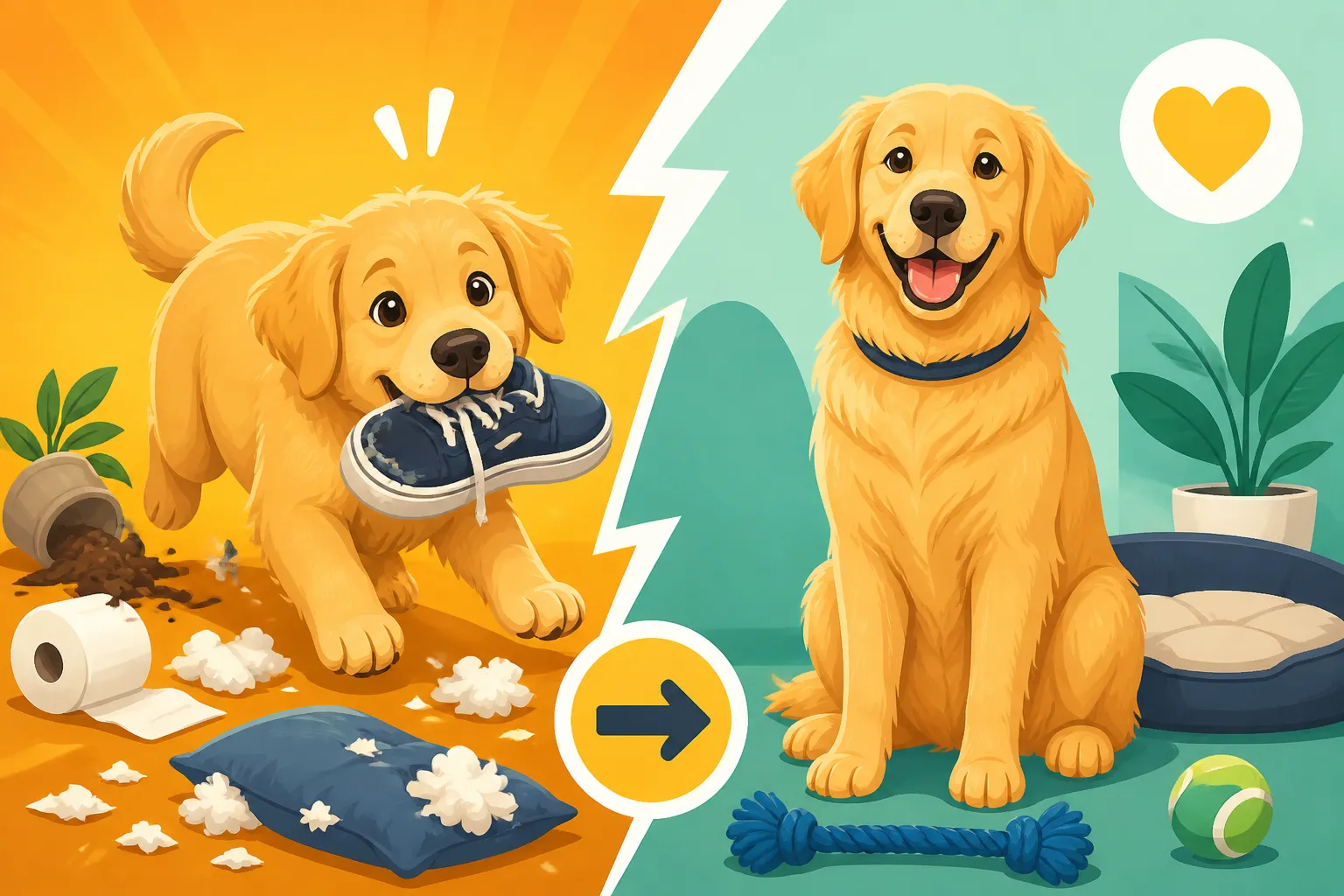
- Increased Energy and Destructive Chewing: That once-manageable puppy energy seems to multiply overnight. They might need more exercise, or they might seem to have endless reserves even after a long walk. This excess energy, coupled with continued teething (yes, some Goldens are still mouthy and chewing extensively into this period as their adult molars fully settle), can lead to Golden Retriever Chewing Through Adolescence and the destruction of household items if not properly managed.
- Pushing Boundaries: Your Golden might start to challenge rules they previously understood. Jumping on guests, counter surfing, or nudging you for attention more persistently are all ways they test the waters. They're trying to figure out what they can get away with.
- New Fear Periods: While the primary puppy fear period happens earlier, some dogs experience secondary fear periods during adolescence. They might suddenly become wary of things that never bothered them before, like loud noises, certain people, or new environments. This is a normal part of development as they process the world with a more mature (but still easily overwhelmed) nervous system.
- Increased Independence: While Goldens are known for being devoted, your adolescent might start exploring further from you on walks or showing less interest in constant cuddles. This is a natural step towards becoming a self-assured adult, but it can sometimes feel like a rejection.
Navigating Training Challenges During Adolescence
Dealing with an adolescent Golden Retriever requires a renewed commitment to training, even if it feels like you're starting from scratch. Patience, consistency, and positive reinforcement are your greatest allies.
The "Selective Hearing" Phenomenon
Ah, the infamous selective hearing! This is where your recall, which was once so reliable in the backyard, completely falls apart at the park. It's frustrating because you know they know the command. The key here is to go back to basics, but in increasingly distracting environments.
Start with high-value treats and practice recall in low-distraction areas, gradually increasing the difficulty. Use a long line in safe, open spaces to give them freedom to explore while still allowing you to enforce the "come" command. Every time they respond, even if you had to gently guide them with the long line, make it a party with treats and praise. Remember, you're not just practicing the command; you're building a stronger association between you, their name, and wonderful things happening. Understanding Building Reliable Recall in a Golden Retriever and Why a Golden Retriever Ignores You Outdoors will be invaluable. Don't be afraid to use a clicker or a specific verbal marker to signal the exact moment they do what you ask, followed immediately by a reward. This precision helps their developing brain connect the dots.
Managing Increased Energy and Destructive Chewing
Adolescent Goldens are energy machines, and if that energy isn't channeled constructively, it will find its own (often destructive) outlets. They're not being "bad"; they're just bored or overstimulated.
Ensure your Golden is getting enough physical exercise for their age and energy level. This might mean longer walks, more vigorous games of fetch, or even swimming. But physical exercise alone isn't enough; mental enrichment is equally crucial. Puzzle toys, snuffle mats, and training sessions that challenge their minds can be incredibly tiring. Look for durable chew toys made from rubber or sturdy nylon, available from retailers like Amazon or specialist pet stores, to redirect their chewing instincts. Rotate their toys to keep them novel and exciting. If they're still chewing inappropriately, supervise them more closely or confine them to a puppy-proofed area or crate when you can't actively watch them. For more ideas on how to keep your Golden engaged, check out Mental Enrichment for a Bored Golden Retriever and What a Bored Golden Retriever Destroys.
Consider enrolling in an advanced obedience class. These classes not only provide structured training but also offer a safe, controlled environment for your Golden to burn mental and physical energy while reinforcing good behaviors around other dogs and people.
Jumping, Counter Surfing, and Other Nuisance Behaviors
These behaviors often crop up as Goldens gain confidence and test what they can get away with. The key is consistent prevention and redirection.
- Jumping: For jumping on guests, teach an alternative behavior like "sit" for greetings. When a guest arrives, have your Golden on a leash and ask them to sit. Reward calm behavior profusely. If they jump, turn your back until all four paws are on the floor, then reward. Encourage guests to ignore jumping, turning away until the dog is calm. This article on Stopping a Golden Retriever From Jumping on Guests offers more detailed steps.
- Counter Surfing: Remove all temptations from counters. Seriously, if it's there, your Golden will eventually try to get it. When you're actively cooking, use a leash to keep them out of the kitchen or give them a durable chew toy in their bed. Reward them for staying on the floor while you're in the kitchen. If they do put paws on the counter, a loud "nope!" or startling sound can interrupt the behavior, followed by redirection to an appropriate activity.
- Leash Pulling: This can become a huge problem with an adolescent Golden's strength. Go back to basics with loose-leash walking, rewarding every step taken without tension on the leash. A front-clip harness can be a game-changer, giving you more control without causing discomfort. Explore strategies detailed in Stopping a Golden Retriever From Pulling on Leash.
The general rule for all these behaviors is to prevent them from being rewarded (even inadvertently) and consistently reinforce the behaviors you do want to see.
Supporting Your Golden's Emotional Growth
The teenage phase isn't just about training; it's also about your Golden Retriever's emotional development. They're becoming more self-aware and navigating a more complex world. Your role as their guide is more important than ever.
Reinforcing Socialization
Many owners think socialization ends after puppyhood, but that's a common mistake. Adolescent Goldens still need positive exposure to new people, places, sounds, and other dogs to continue building confidence and good manners. This isn't about letting them run wild at the dog park every day, but rather controlled, positive experiences.
Continue taking them to different environments, like pet-friendly stores, quiet parks, or outdoor cafes. Enroll in group training classes, which offer structured social interaction. Arrange playdates with calm, well-mannered adult dogs. This ongoing exposure helps them become well-adjusted adults, less prone to fear or reactivity. Revisit Socialization Checklist for a Golden Retriever Puppy with an eye toward continuing these experiences as they mature. The goal is to create positive associations and experiences that shape their confidence.
Dealing with New Fears and Anxieties
It’s disheartening when your once-fearless puppy suddenly develops a new phobia. Whether it's the vacuum cleaner, the mailman, or thunderstorms, these new fears can manifest during adolescence. Patience and understanding are key.
- Don't force them: Never force your Golden to confront something they're afraid of. This will only increase their fear and erode their trust in you.
- Create positive associations: If they're scared of a specific sound, play the sound at a very low volume while giving them high-value treats or engaging in a fun game. Gradually increase the volume over many sessions.
- Provide a safe space: Ensure they have a designated "safe zone" in your home (like their crate or bed) where they can retreat when feeling overwhelmed.
- Consult your vet: If fears or anxieties seem severe or debilitating, talk to your veterinarian. They can rule out any underlying medical conditions and discuss potential behavioral interventions or refer you to a veterinary behaviorist. You might find our article on Thunderstorm Fear in Golden Retrievers helpful if that's a specific issue for your dog.
Remember, you are your Golden's safe harbor. Your calm, reassuring presence can make a huge difference in how they navigate these new emotional challenges.
Building a Stronger Bond
Despite the frustrations, adolescence is a prime time to deepen your bond with your Golden. They are eager to please (even if they don't always show it) and thrive on interaction with their people.
- Positive reinforcement is paramount: Continue to generously reward desired behaviors. Adolescent dogs are still learning, and harsh corrections can damage their confidence and your relationship. Celebrate every small success.
- Engage in activities together: Explore new activities like scent work, hiking, or even just long, enjoyable walks. Find what your Golden loves and do it together. This creates shared positive experiences and strengthens your partnership.
- Consistency and clear communication: Establish clear rules and stick to them. This provides security and helps your Golden understand what's expected of them. If one family member lets them on the couch but another doesn't, it creates confusion and frustration for your dog.
Ultimately, your goal is to help your Golden transition into a well-adjusted, confident adult. This phase, while challenging, is a critical step in their journey. It might feel like it will last forever, but I promise, your Golden Retriever will settle down. For more insight into that, take a look at When a Golden Retriever Finally Settles Down.
Tools and Resources That Can Help
Navigating the golden years of adolescence often feels like you need an entire toolkit. Thankfully, there are many aids and resources available to help both you and your maturing Golden Retriever.
Training Aids and Enrichment
Having the right gear can make a world of difference in managing an energetic and easily distracted adolescent.
- Long Lines: A long line (15-30 feet) is indispensable for practicing recall and giving your Golden a sense of freedom in open, safe areas while maintaining control. This is especially helpful during the "selective hearing" phase, allowing them to explore scents and sights without truly being off-leash until their recall is rock-solid. You can find excellent quality long lines in various lengths and materials on platforms like Amazon, making it easy to choose one that suits your needs.
- High-Value Treats: Forget the kibble. During this phase, you need irresistible treats to capture and hold your Golden’s attention, especially in distracting environments. Think boiled chicken, cheese, or specialized training treats that smell amazing.
- Puzzle Toys and Interactive Feeders: These are lifesavers for mental enrichment and slowing down fast eaters. Brands like KONG offer various puzzle toys that you can stuff with wet food or treats, keeping your Golden engaged for extended periods. Snuffle mats and treat-dispensing balls also provide an excellent mental workout, helping to tire them out without solely relying on physical exertion.
- Durable Chew Toys: As mentioned, chewing continues well into adolescence. Invest in sturdy, appropriate chew toys to redirect this natural instinct away from your furniture. Nylabone, Benebone, or specific rubber chew toys are often good choices for heavy chewers.
- Online Training Programs: Sometimes, getting to an in-person class isn't feasible, or you need extra support at home. Online platforms like BAXTER & Bella offer comprehensive, step-by-step training programs that can guide you through adolescent challenges, offering tutorials, live Q&As, and support communities. These resources can be fantastic for reinforcing what you're learning and troubleshooting specific behaviors.
- Front-Clip Harnesses: For Goldens who pull on the leash, a front-clip harness can provide much-needed leverage and help teach loose-leash walking without putting pressure on their throat. This is a humane and effective tool for making walks more enjoyable for both of you.
Seeking Professional Guidance
While this guide offers a lot of advice, there are times when bringing in a professional can be incredibly beneficial. You are not failing if you seek help; you are being a responsible and proactive owner.
- Certified Professional Dog Trainers (CPDT-KA): If you're struggling with specific training issues like leash pulling, persistent jumping, or difficulty with recall, a certified trainer can offer personalized guidance and hands-on help. They can observe your dog's behavior, identify triggers, and develop a tailored training plan. Look for trainers who use positive reinforcement methods. You'll find great tips on Choosing a Positive Reinforcement Trainer for a Golden.
- Veterinary Behaviorists: For more severe behavioral issues such as sudden aggression, debilitating anxiety, or phobias that are significantly impacting your Golden's quality of life, a veterinary behaviorist is the specialist to see. These are veterinarians with advanced training in animal behavior, who can diagnose behavioral disorders and prescribe medication if necessary, often in conjunction with behavior modification. They work closely with your primary vet to ensure a holistic approach.
- Golden Retriever Clubs and Rescues: Local Golden Retriever clubs or rescue organizations often have a wealth of knowledge and resources, including recommendations for local trainers or behaviorists, and support groups for owners. Connecting with other Golden owners can also provide valuable peer support and shared experiences.
Remember, the adolescent phase is temporary, and with consistent effort, understanding, and sometimes a little help, your Golden Retriever will grow into the wonderful, well-adjusted companion you always knew they could be.
Disclaimer
This article is for general informational purposes only and does not constitute professional advice. Laws, prices and regulations vary by location and change over time. Consult a qualified professional for guidance on your specific situation.