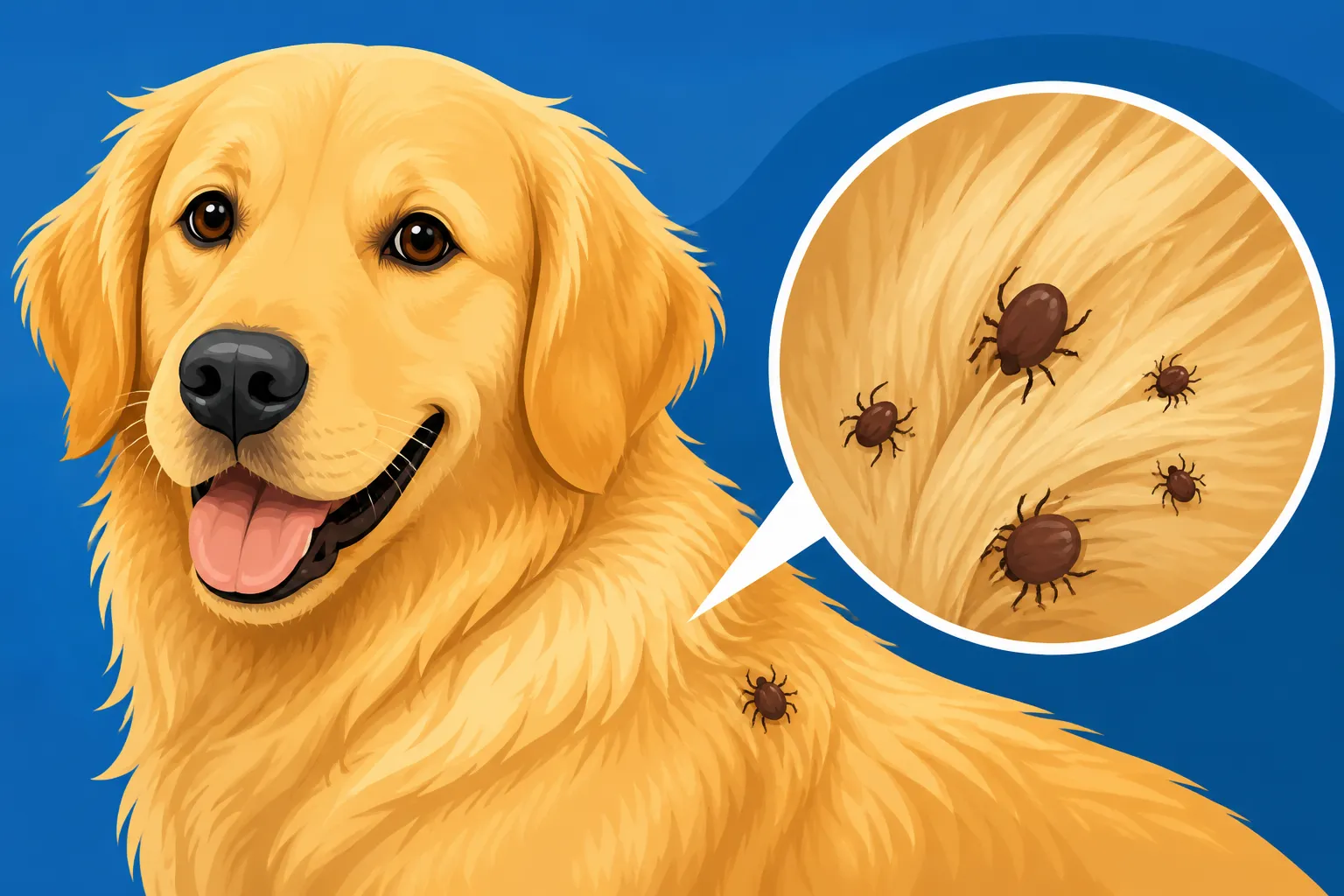
Ticks in a Golden Retriever’s Thick Coat
One of the biggest anxieties for any Golden Retriever parent is the silent, unseen enemy lurking in tall grass or leaf litter: ticks. With their glorious, thick double coats, our beloved Goldens are practically walking, wagging tick magnets, and finding those tiny, blood-sucking hitchhikers before they cause real trouble can feel like searching for a needle in a haystack. This comprehensive guide is here to equip you with the knowledge and practical steps to protect your Golden from ticks, understand the risks, and confidently remove them when they inevitably make an appearance.
The Hidden Threat: Why Ticks Love Golden Retrievers (and Owners Despair)
There's no sugarcoating it: Golden Retrievers are practically custom-made tick transportation devices. Their friendly, outgoing nature means they love to explore, roll in leaves, and dash through fields, all prime tick habitats. But it's their signature coat that truly complicates matters, turning what might be a quick visual inspection on a short-haired dog into a full-blown expedition for us Golden owners. It's a frustrating reality for anyone trying to keep their furry family member safe.
The Double Coat Advantage (for Ticks, Not You!)
Golden Retrievers are famous for their beautiful, dense double coats. They have a thick, water-repellent outer coat and a soft, insulating undercoat. While this combination is perfect for keeping them warm in winter and offering some protection from the elements, it's also an absolute haven for ticks. A tick can easily burrow down through the layers of fur, latch onto the skin, and begin feeding, all while being virtually invisible to the naked eye. Imagine trying to find a tiny dark speck in a golden cloud – that's the challenge we face daily. The sheer volume of hair provides excellent camouflage and makes it difficult to feel the small bumps that indicate a tick, especially if it's not yet engorged. You can run your fingers through their coat a dozen times and still miss one hiding deep within, which is a common source of worry for us devoted Golden parents.
Common Hiding Spots Ticks Exploit
Ticks aren't just looking for any patch of skin; they gravitate towards warm, dark, and often less-disturbed areas where they can feed unnoticed. For a Golden Retriever, this means certain spots are high-priority targets during your tick checks. The ears are a classic spot; their floppy nature creates a warm, protected environment, and ticks often attach along the ear flaps or even deep inside the ear canal. The "armpits" (axillary regions) and groin area are also favorites because they're warm and skin folds provide good cover. Don't forget their paws and between their toes, especially after walks in grassy or wooded areas – ticks will climb aboard there and often migrate upwards. Another often-overlooked spot is under the tail or around the anus, as well as around the collar area where the fur is often matted down and provides good cover. It's truly amazing how quickly these tiny arachnids can find the perfect hideout, making us feel like we need to be private investigators just to keep up.
Tick-Borne Illnesses: More Than Just an Itch
Beyond the immediate creep-factor of finding a tick embedded in your dog, the real danger lies in the diseases they can transmit. Ticks aren't just annoying; they can be vectors for serious illnesses that can significantly impact your Golden Retriever's health and even lifespan. This is why vigilance and prevention are absolutely critical – it’s not just about removing a bug, it’s about safeguarding their well-being. Knowing the potential threats helps us appreciate the importance of consistent prevention and quick action.
Diseases Golden Retrievers Can Contract
Golden Retrievers, like all dogs, are susceptible to several tick-borne diseases. The most commonly known is Lyme disease, transmitted by deer ticks. Symptoms often include lameness, joint pain, fever, and lethargy, and if left untreated, it can lead to kidney failure and heart issues. Another concern is Anaplasmosis, which can cause similar joint pain, fever, and bruising, though it's typically less severe than Lyme. Ehrlichiosis is also prevalent, causing fever, lethargy, loss of appetite, and sometimes bleeding disorders. Rocky Mountain Spotted Fever, while less common in some regions, can be quite serious, leading to fever, joint pain, neurological issues, and organ damage. Babesiosis, transmitted by various ticks, affects red blood cells and can cause anemia, jaundice, and weakness. Each of these diseases comes with its own set of complications and can require extensive, costly treatment, highlighting why preventing ticks in the first place is so vital. What a Golden Retriever Senior Blood Panel Covers can sometimes help detect these, but prevention is always best.
Recognizing the Subtle Signs of Illness
One of the trickiest aspects of tick-borne diseases is that symptoms can be vague, mimic other conditions, and sometimes not appear until weeks or even months after the tick bite. This delayed onset can make it challenging to connect the dots back to a specific tick exposure. You might notice your usually energetic Golden is a little more subdued, perhaps skipping a walk or not wanting to play fetch. A subtle limp that comes and goes, especially in different legs, can be a red flag for Lyme disease. Watch for any changes in appetite, unexpected weight loss, or persistent fatigue. Swollen joints, fever (warm ears or nose), or enlarged lymph nodes are more overt signs that warrant immediate veterinary attention. Some dogs might even develop an unusual cough or seem to bruise easily. Because Goldens are so stoic, they often hide pain or discomfort until it's quite advanced, so being attuned to even minor shifts in their behavior or physical condition is paramount. If you've found an embedded tick, especially if it's been there for a while, and your dog starts showing any of these signs, don't hesitate to call your vet.
Proactive Defense: Prevention Strategies for Golden Owners
Preventing ticks from latching onto your Golden Retriever is always the best approach. It saves you the stress of finding and removing them, and more importantly, it drastically reduces the risk of your dog contracting a tick-borne illness. There are many tools in our arsenal as Golden owners, from topical treatments to environmental controls, and a multi-pronged strategy is often the most effective. It truly takes a village (or at least a dedicated owner) to keep these critters at bay!
Choosing the Right Tick Prevention Products
The market is flooded with tick prevention options, and figuring out which one is best for your Golden can feel overwhelming. They generally fall into a few categories:
- Oral Medications: These are often chewable tablets given monthly or every three months. They work by entering your dog's bloodstream, killing ticks when they bite. Many owners prefer these because they're mess-free, can't be washed off, and are highly effective. Popular brands offer options for different durations.
- Topical Spot-Ons: Applied directly to your dog's skin, usually between the shoulder blades, these liquid treatments spread over the skin and hair follicles, repelling and killing ticks. They typically last about a month but need careful application and can't be washed off for a certain period after application.
- Collars: Tick collars release chemicals that repel or kill ticks around your dog's neck and body. The effectiveness can vary depending on the brand and how well the collar fits. Some of the newer generation collars are quite effective and can last for several months, but it's crucial to ensure a snug fit and monitor for any skin irritation.
- Shampoos and Dips: These are generally used for immediate tick killing and aren't long-term preventative solutions. If your dog comes in from a heavily infested area, a tick shampoo might be a good initial step, but it won't offer lasting protection.
When making a choice, consider your Golden's lifestyle (how often they're in high-risk areas), any sensitivities they might have, and discuss options with your veterinarian. Your vet can provide guidance based on the tick prevalence in your specific region and your dog's individual health. You can find many of these products at pet supply stores or online retailers like Chewy or Amazon, but always consult your vet before starting any new preventative to ensure it's appropriate for your particular Golden Retriever. Remember that Heartworm Prevention for Golden Retrievers is another critical preventative that often comes combined with flea and tick protection.
Environmental Management Around Your Home
While topical or oral preventatives are crucial, don't underestimate the power of making your yard less hospitable to ticks. After all, if they can't get close to your Golden in the first place, that's half the battle won. Ticks thrive in moist, shaded environments with plenty of leaf litter and tall grass. Start by keeping your lawn mowed regularly, especially in areas where your Golden loves to play. Remove leaf litter, brush, and weeds from your yard, particularly around the edges and along fences, as these are common tick hangouts. If you have wooded areas bordering your property, consider creating a barrier with wood chips or gravel about three feet wide to deter ticks from migrating into your lawn. Keeping playground equipment, decks, and patios away from wooded areas can also help. For those who enjoy attracting wildlife like deer or rodents, remember these animals are often carriers of ticks, so managing their presence around your immediate home can also be a factor. It might seem like a lot of work, but a well-maintained yard gives you peace of mind and reduces the overall tick burden your Golden is exposed to.
The Tick Check Ritual: Finding and Removing Ticks Safely
Despite our best efforts with prevention, ticks can still find their way onto our Goldens. This is where the importance of regular tick checks and proper removal comes into play. It might sound unpleasant, but it’s a vital part of being a responsible Golden Retriever owner, especially after outdoor adventures. Think of it as a bonding opportunity, or a thorough pampering session where you're also protecting their health!
How to Perform a Thorough Tick Check
Performing a thorough tick check should become a routine, especially if you live in an area with high tick activity or after your Golden has been in tall grass, woods, or even just your own backyard. Set aside a few minutes each day, perhaps when you're relaxing on the couch or after their evening walk.
- Start with a Visual Scan: Before you even touch them, visually scan your Golden's coat. Look for any dark spots, especially in lighter-colored fur, or anything that looks like a small, moving bump.
- Systematic Finger Scan: This is where the real work begins due to their thick fur. You need to use your fingertips to systematically comb through their fur, feeling for any bumps or foreign objects. Work in small sections, parting the fur down to the skin.
- Head and Ears: Pay close attention around their muzzle, under their chin, behind their ears, and inside the floppy ear flaps. Ticks love these cozy, hidden spots.
- Neck and Chest: Carefully check the neck, especially around the collar area, and move down to their chest.
- Legs and Paws: Go down each leg, checking thoroughly, and don't forget to spread their toes and inspect between the paw pads.
- Underbelly and Groin: These warm, less exposed areas are prime tick real estate.
- Tail and Rear: Lift their tail and check around the base and underside.
- Back and Sides: Methodically run your hands over their entire back and sides, feeling for anything unusual.
- Use Good Lighting: A bright light or even a headlamp can be incredibly helpful for spotting those tiny ticks, especially in dark-colored fur or deeply embedded areas.
- Feel for Bumps: Ticks can range in size from a poppy seed to a small grape (when engorged). What you're primarily looking for is any small bump on the skin. Sometimes you'll feel the tick's body, other times just the hardened scab-like area where it's attached.
- Be Patient: Don't rush this process. Goldens love attention, so make it a calm, positive experience with lots of praise.
A helpful tip is to develop a routine, perhaps always starting from the head and working your way down, so you don't miss any areas. This diligence is key to catching ticks before they've had a chance to transmit diseases. Ticks in a Golden Retriever's Thick Coat is a recurring challenge for owners, making these checks indispensable.
Step-by-Step Tick Removal
Finding a tick can be unsettling, but with the right tools and technique, removal is straightforward and minimizes risk.
- Gather Your Tools: You'll need a pair of fine-tipped tweezers or, even better, a specialized tick removal tool (like a tick key or lasso). Have antiseptic wipes or rubbing alcohol ready, and a small, sealable container with rubbing alcohol to dispose of the tick. Never use bare fingers to remove a tick, as you could accidentally squeeze the tick's body, potentially injecting more pathogens into your dog.
- Position Your Golden: Get your Golden into a comfortable, well-lit position. You might need a helper to keep them calm and still, especially if the tick is in a sensitive area.
- Grasp the Tick: Using your tweezers or tick tool, grasp the tick as close to your dog's skin as possible. Aim for the tick's head, not its body. The goal is to remove the entire tick, including its mouthparts, which can remain embedded and cause infection if broken off.
- Pull Straight Up: With a steady, even pressure, pull straight upwards. Avoid twisting or jerking, as this can cause the mouthparts to break off. The tick should come out cleanly after a few seconds of gentle tension.
- Inspect the Area: Once the tick is removed, examine the bite site to ensure no mouthparts were left behind. The skin might be slightly red or irritated, which is normal.
- Clean the Bite Site: Use an antiseptic wipe or rubbing alcohol to clean the area.
- Dispose of the Tick: Drop the tick into the container with rubbing alcohol. This will kill it and preserve it if you need to show it to your vet later for identification. Never crush a tick with your fingers, as this can release pathogens.
- Wash Your Hands: Thoroughly wash your hands with soap and water after handling the tick.
Keep an eye on the bite area for a few days for any signs of infection, like excessive redness, swelling, or pus. If you're unsure about removing a tick or if the mouthparts break off, don't hesitate to contact your veterinarian. They can safely remove it and offer further advice. It's a small but critical step in protecting our furry friends. Remember, for those tricky spots, some online pet supply stores like Chewy or Amazon offer excellent tick removal kits that can be a lifesaver.
| Tick Prevention Method | Application/Frequency | Pros | Cons |
|---|---|---|---|
| Oral Chews | Monthly/Quarterly | Highly effective, mess-free, won't wash off, generally palatable. | Requires tick to bite (but dies quickly), prescription often needed, potential for individual side effects. |
| Topical Spot-Ons | Monthly | Easy to apply, repels and kills ticks, can be found over-the-counter. | Can be messy, must avoid bathing for a period, potential for skin irritation, less effective if not applied correctly. |
| Tick Collars | Multi-month | Long-lasting, relatively inexpensive upfront. | Effectiveness can vary, some contain strong chemicals, can cause skin irritation, must fit correctly, not always effective over entire body. |
| Shampoos/Dips | As needed | Immediate kill of existing ticks. | No long-term protection, can be harsh on skin, not practical for regular use. |
| Environmental Control | Ongoing | Reduces overall tick population in your yard, chemical-free. | Requires consistent effort, may not eliminate all ticks, doesn't protect when outside your property. |
This table provides a snapshot of common methods, but always prioritize a discussion with your vet to tailor the best strategy for your Golden Retriever's specific needs and local tick threats. Preventing Bloat Risk in a Deep-Chested Golden is often top of mind, but tick prevention deserves just as much attention for overall health. Making sure your Golden is healthy through proper nutrition, like what might be offered through a service such as Ollie, also strengthens their immune system to better cope with any health challenges.
Disclaimer
This article is for general informational purposes only and does not constitute professional advice. Laws, prices and regulations vary by location and change over time. Consult a qualified professional for guidance on your specific situation.