Signs a Golden Retriever Is Getting Too Much Exercise
It’s a common misconception that because Golden Retrievers are bundles of energy, they can just go and go indefinitely. We all want our furry companions to be happy and healthy, and often that means making sure they get enough exercise. But what happens when our good intentions tip over into doing too much? It's surprisingly easy to push them past their limits without even realizing it, and the signs can be subtle at first. This guide will walk you through the tell-tale indications that your beloved Golden might be getting more exercise than their body can handle, helping you ensure their well-being for years to come.
Understanding the Golden Retriever's Exercise Needs and Risks
Golden Retrievers are renowned for their boundless enthusiasm, their love for play, and their seemingly endless reserves of energy. This breed was, after all, developed to be a working dog, retrieving fowl for hunters all day long. Their history and genetic makeup mean they thrive on activity and mental stimulation. However, this very trait can make it challenging for owners to gauge when enough is truly enough. They'll often push themselves to please you, even when their body is screaming for a break.
The Golden Retriever's Drive to Please
Your Golden's desire to retrieve that ball "just one more time" or keep up on a long hike isn't always an accurate indicator of their physical capacity. They are incredibly eager to please, and their loyalty often overrides any discomfort they might be feeling until it's too late. This means it's up to us, as their caretakers, to pay close attention and understand their true physical limits, rather than relying solely on their enthusiastic wagging tail. A Golden Retriever might chase a frisbee until they drop, not because they are genuinely feeling great, but because they love the interaction with you so much. It's a testament to their wonderful nature, but also a responsibility for us to manage.
Age and Health as Critical Factors
The amount of exercise a Golden Retriever needs, and more importantly, can safely handle, changes dramatically throughout their life. A bouncy puppy has different needs and vulnerabilities than a strapping adult or a wise senior. Puppies, for instance, have developing growth plates that are easily damaged by excessive or high-impact exercise, which can lead to lifelong joint issues. Exercise Limits for a Golden Retriever Puppy delves into this in more detail. Similarly, older Golden Retrievers, even if they still want to play like they're two years old, will have creaky joints and less stamina. Ignoring these age-related changes can exacerbate conditions like Golden Retriever Arthritis and Joint Decline. It’s crucial to adapt your activity levels to your dog's specific life stage and any pre-existing health conditions, remembering that a healthy Golden adult generally needs a good hour or two of moderate activity daily, broken into sessions. Exercise a Golden Retriever Needs Each Day covers typical requirements.
Obvious Physical Signs Your Golden Is Overdoing It
When a Golden Retriever is pushed past their physical limits, their body will send clear signals. These aren't always immediate and can sometimes be mistaken for simple tiredness, but if you know what to look for, you can intervene before serious issues arise.
Excessive Panting and Difficulty Breathing
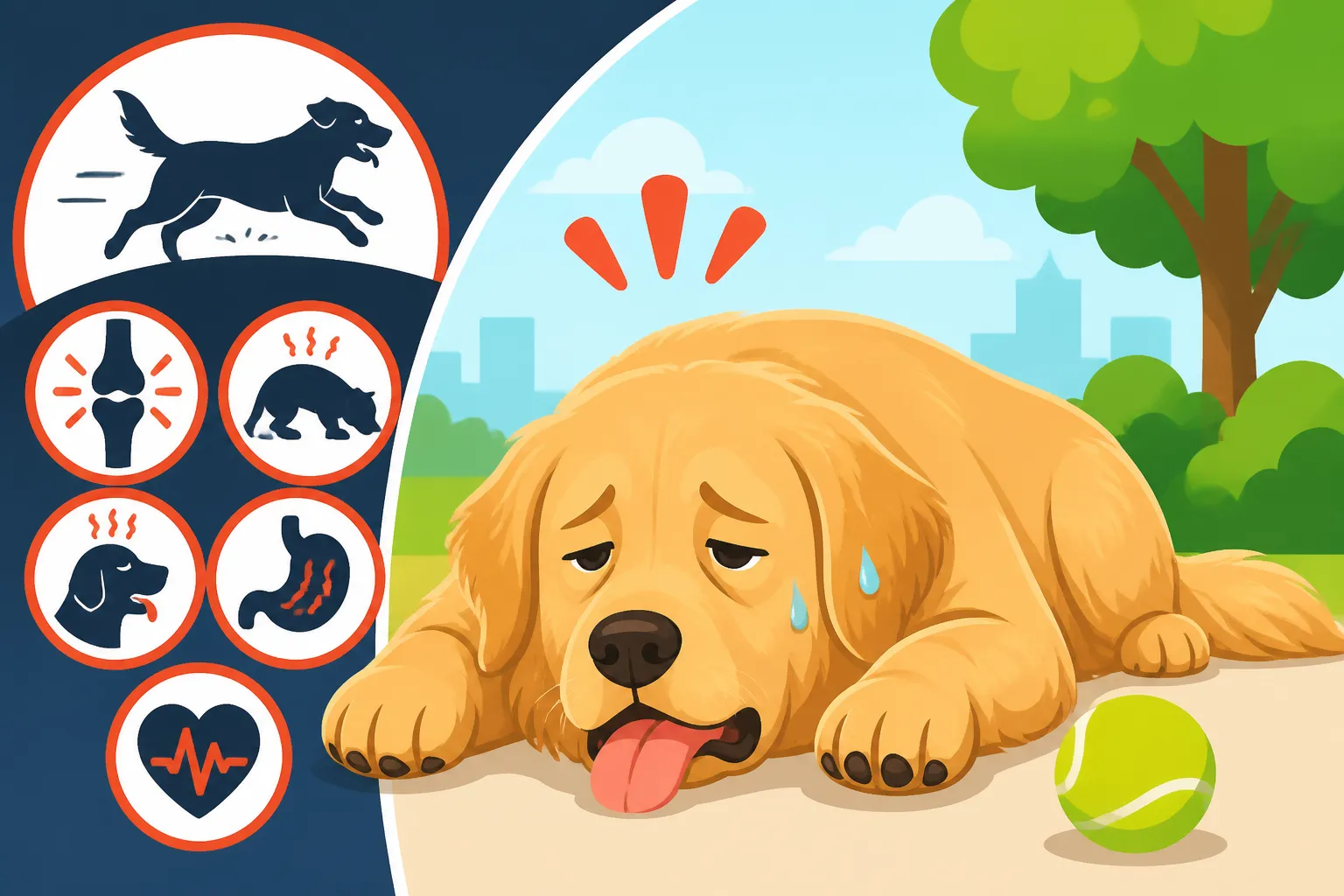
Panting is a normal and necessary way for dogs to cool themselves down, as they don't sweat like humans do. However, excessive panting, especially if it seems labored, shallow, or is accompanied by a change in gum color (dark red or blue/purple), is a serious warning sign. If your Golden is panting rapidly and heavily long after the exercise has stopped, or struggling to catch their breath, they might be overheating or experiencing cardiac strain. Their tongues might also appear much wider and flatter than usual. This is particularly concerning in warmer weather or after intense play. Always remember that Golden Retrievers have a thick double coat, which, while great for cold water, makes them prone to overheating in hot conditions. Golden Retriever Heat Tolerance and Overheating discusses this risk in depth.
Lameness, Stiffness, or Limping
One of the most concerning and clear signs of over-exercising, especially in a breed predisposed to joint issues, is any form of lameness or stiffness. This could manifest as a subtle limp after a long walk or run, a reluctance to put weight on a particular paw, or an awkward gait. You might notice them favoring a leg when they stand up, or struggling to get comfortable when lying down. This isn't just about sore muscles; it could be an indication of strain on their joints, ligaments, or muscles. For puppies, over-exercising can trigger conditions like panosteitis, or put undue stress on their developing hips and elbows, potentially worsening or bringing on conditions like hip and elbow dysplasia. For older Goldens, it can aggravate existing arthritis. If you notice persistent limping, stiffness that doesn't resolve with rest, or pain when touching a limb, it's time to consult your vet. Signs a Golden Retriever Is in Pain outlines what to watch for.
Muscle Tremors and Weakness
After a particularly strenuous session, your Golden Retriever might exhibit muscle tremors or generalized weakness. This isn't just a tired shake; it can be involuntary twitching, especially in their legs or flank. They might appear wobbly, stumble, or have trouble maintaining balance. In extreme cases, they might even collapse. These signs indicate that their muscles are fatigued beyond their capacity, potentially depleting their energy reserves and electrolytes. It's a clear signal that their body is in distress and needs immediate rest and rehydration. You might also notice them struggling with stairs they usually navigate easily, or having difficulty jumping into the car. If you see these signs, get them to a cool, quiet spot, offer water, and monitor them closely.
Gastrointestinal Upset
While not as common as the other physical signs, over-exercising can sometimes lead to gastrointestinal upset in Golden Retrievers. This might manifest as vomiting, diarrhea, or simply a loss of appetite after a high-intensity activity. Stress on the body, changes in blood flow during intense exercise, and even swallowing too much air while panting can contribute to these issues. It's important to differentiate this from bloat, a life-threatening condition common in deep-cheested breeds like Goldens. While bloat is usually sudden and severe, related GI upset from over-exertion is typically milder and resolves with rest. Still, if vomiting or diarrhea persists, or if you see signs of discomfort like restlessness, pacing, or a distended abdomen, seek veterinary attention immediately, as this could be Bloat Symptoms Every Golden Retriever Owner Should Know.
Subtle Behavioral Clues of Too Much Exercise
Beyond the obvious physical manifestations, your Golden Retriever might communicate their discomfort and fatigue through more subtle behavioral changes. These often go unnoticed by even the most vigilant owners, but they are just as important to recognize.
Reluctance to Play or Move
A Golden Retriever who is normally eager for a walk, a game of fetch, or any opportunity to interact, but suddenly becomes reluctant, might be over-exercised. This isn't just about them declining a specific activity; it might be a general decrease in their usual joyful enthusiasm. They might lie around more than usual, ignore their favorite toys, or even seem apathetic. If your normally bouncy Golden is choosing to nap instead of engaging with you, or seems hesitant to jump up for a treat, it could be a sign their body is aching or they're simply too tired to participate. This is especially true if this behavior is observed on days following particularly strenuous activities.
Increased Irritability or Grumpiness
Just like humans, dogs can get grumpy when they're overtired or in pain. An over-exercised Golden Retriever might display uncharacteristic irritability. They might snap at other pets, retreat from playful overtures, or even show mild aggression if touched in a sensitive area. This isn't a fundamental change in their lovely temperament, but rather a manifestation of physical discomfort. They might growl softly when you try to pet their back or hindquarters, or move away quickly if another dog bumps into them. Pay attention to changes in their typical interactions, especially if they become less tolerant or more withdrawn. This could be a Quiet Signs a Golden Retriever Is Hurting.
Changes in Appetite or Thirst
While some dogs might drink excessively after strenuous exercise, an over-exercised Golden might show a decrease in appetite or an unusual change in their drinking habits. If they skip a meal or seem less enthusiastic about their food, it could be their body signaling that it's too stressed or fatigued to process food properly. Conversely, extreme thirst could be a sign of dehydration if they haven't had enough water during or after activity. Always ensure fresh water is available, especially for active dogs. While a momentary lack of appetite is normal after a big run, if it persists, or if they seem uninterested in even high-value treats, it warrants attention. Brands like Ollie, which offer fresh, palatable dog food, might be appealing if your Golden is usually a good eater but is showing a temporary dip due to fatigue.
Restlessness and Inability to Settle
It might seem counterintuitive, but an overtired Golden Retriever can sometimes be restless rather than simply sleeping soundly. They might pace, struggle to find a comfortable position, or seem unable to truly relax, even when in a quiet environment. This restlessness could be due to muscle soreness, general discomfort, or even a wired feeling from adrenaline that hasn't fully dissipated. You might see them shifting positions frequently on their bed, sighing, or getting up and down repeatedly. Providing them with a comfortable, supportive place to rest, like an orthopedic bed (easily found on Amazon), can help them recover more effectively.
| Sign Category | Normal Response to Exercise | Sign of Over-Exercise |
|---|---|---|
| Panting | Moderate, settles quickly | Excessive, labored, long-lasting |
| Energy Level | Tired, happy, settles for a nap | Apathetic, reluctant to move, restless |
| Mobility | Normal gait, perhaps stiff morning | Limping, favoring a limb, wobbly |
| Temperament | Calm, relaxed | Irritable, withdrawn, grumpy |
| Appetite | Normal or increased after cooling | Decreased, picky, disinterested |
| Thirst | Drinks water, then normal | Excessive or unusual lack of interest |
| Recovery Time | Back to normal within a few hours | Prolonged fatigue, soreness for days |
Long-Term Consequences and How to Find the Right Balance
Ignoring the signs of over-exercising can lead to more than just a few days of soreness. For Golden Retrievers, particularly those predisposed to certain health conditions, it can have serious, lasting repercussions on their health and quality of life.
Worsening Joint Issues
Golden Retrievers are notoriously prone to hip and elbow dysplasia, as well as various forms of arthritis as they age. Over-exercising, especially high-impact activities, can significantly exacerbate these conditions. Constant pounding on immature or already compromised joints speeds up cartilage degeneration and increases inflammation. A puppy that's routinely pushed too hard might develop clinical signs of dysplasia earlier in life. For an older dog, too much activity can lead to a flare-up of painful arthritis, making them less willing to move at all. Protecting their joints is paramount, and understanding Golden Retriever Hip and Elbow Dysplasia Explained is key to prevention. Consider joint supplements as recommended by your vet; many excellent options are available from retailers like Chewy.
Increased Risk of Injury
When muscles are fatigued, they lose their ability to properly support joints and absorb impact, making a Golden Retriever far more susceptible to acute injuries. This could range from muscle strains and sprains to more serious issues like cranial cruciate ligament (CCL) tears (the canine equivalent of an ACL tear) or even fractures. Imagine a dog trying to make a sharp turn or jump when their legs are already shaky from exhaustion – the risk of misstep and injury skyrockets. These injuries can be incredibly painful, require extensive and costly veterinary care (sometimes surgery), and lead to long recovery periods, ultimately limiting their activity for months or even years.
Mental Burnout and Behavioral Problems
It's not just their bodies that can suffer; a Golden Retriever's mind can also experience burnout from excessive, non-stop activity. While physical exercise is crucial, a constant push without adequate rest and mental downtime can lead to stress, anxiety, or even behavioral issues. A dog that is perpetually overtired might become more reactive, less able to focus during training, or develop anxious behaviors like excessive licking or destructive chewing. Just as with people, a tired dog isn't necessarily a calm dog; sometimes they become overstimulated and unable to self-regulate. Providing Mental Enrichment for a Bored Golden Retriever through puzzle toys or scent games can be just as important as physical exercise.
Finding the Right Exercise Balance
The key to a happy, healthy Golden Retriever lies in finding a balanced exercise routine tailored to their individual needs, age, and health status.
- Vary Activities: Don't rely solely on one type of exercise. Mix it up with walks, swimming (Swimming as Exercise for a Golden Retriever), fetch, and mental games. This engages different muscle groups and prevents repetitive strain.
- Monitor Duration and Intensity: Pay attention to how long and how hard your Golden is working. Short, frequent play sessions are often better for puppies and seniors than one long, grueling session. Gradually increase duration and intensity as your dog's fitness improves.
- Include Rest Days: Just like human athletes, dogs benefit from rest days. Don't feel obligated to do intense exercise every single day. Active recovery, like a gentle walk, can be beneficial on lighter days.
- Observe and Adjust: Be a keen observer of your Golden Retriever's body language and behavior. Learn their subtle cues. If you notice any of the signs discussed above, scale back their activity immediately and allow them ample rest. It's always better to err on the side of caution.
- Consider the Environment: Hot weather or hard surfaces (like asphalt or concrete) can make exercise much more strenuous and increase injury risk. Hot Pavement and a Golden Retriever's Paws is a real danger. Choose cooler times of day or softer surfaces when possible.
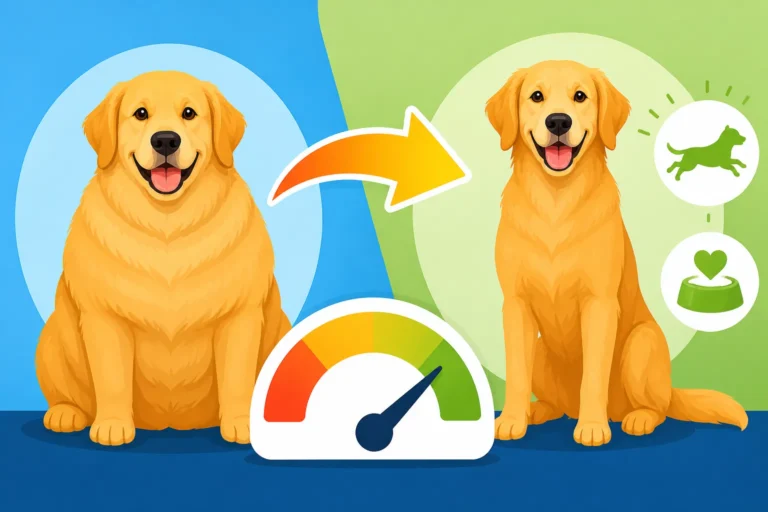
- Maintain a Healthy Weight: Keeping your Golden at their ideal weight is one of the best things you can do for their joint health. Golden Retriever Weight and Joint Damage is a critical read. Excess weight puts immense strain on their joints, making them more susceptible to injury and discomfort, even with moderate exercise. Be mindful of Treats That Fit a Golden Retriever's Calories and portion control.
By being mindful of these signs and actively managing their exercise routine, you can ensure your Golden Retriever enjoys a full, active life without pushing them past their limits. It's a journey of understanding and partnership, and your Golden will thank you for it with years of devoted companionship.
Disclaimer
This article is for general informational purposes only and does not constitute professional advice. Laws, prices and regulations vary by location and change over time. Consult a qualified professional for guidance on your specific situation.