Trading With a Golden Retriever Who Grabs Things
It’s incredibly frustrating when your sweet, goofy Golden Retriever suddenly decides your favorite shoe, the remote control, or even a child’s toy is the most fascinating thing in the world, and then proceeds to guard it like a dragon. You try to get it back, and suddenly it's a game of chase, or worse, they snap or try to swallow it. This guide will walk you through the effective, positive approach of "trading" to teach your Golden to willingly give up stolen treasures, making your home a more peaceful place and building a stronger bond with your beloved companion.
Understanding Why Your Golden Retriever Grabs Things
Before we dive into the solution, let's unpack why your Golden Retriever might be grabbing things they shouldn't. It's rarely out of malice, but more often rooted in their natural instincts, desire for attention, or simply curiosity. Understanding these motivations is the first step toward effective training.
The Golden Retriever's Natural Mouthiness
Golden Retrievers, as their name suggests, were bred for retrieving. This means they have a strong innate desire to carry things in their mouths. They have what's affectionately called a "soft mouth," meaning they can carry delicate items like game birds without damaging them. However, in a home environment, this instinct often translates to picking up anything that catches their eye. A sock, a glove, a plastic bottle – to them, it's just another "retrieve" opportunity. This mouthiness is particularly pronounced in puppies and young adolescents. You might remember those early days of dealing with their sharp puppy teeth and endless desire to chew and mouth everything around them. Why Golden Retriever Puppies Are So Mouthy is a common challenge for new Golden owners.
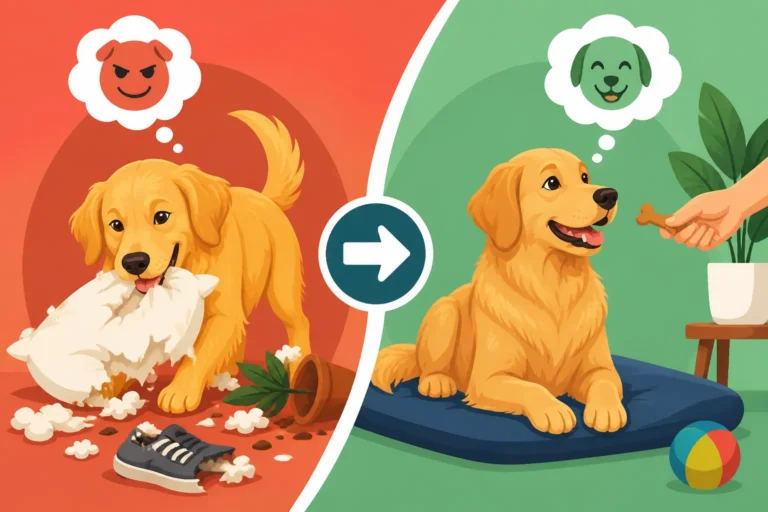
It’s not about being disobedient; it’s about fulfilling a deep-seated breed characteristic. They aren't trying to be naughty when they snatch your reading glasses off the coffee table; they're exploring their world with their mouths and satisfying that retrieving drive. Instead of scolding, which can make them associate you with taking things away, we need to show them that giving things up can lead to something even better. This shift in perspective is crucial for success.
Attention-Seeking Behavior
Sometimes, the act of grabbing an object, especially one that gets a rise out of you, can quickly become a game. Think about it: your Golden picks up something forbidden, you gasp, you chase, you scold – and suddenly, they have your full, undivided attention. Even if it's negative attention, for some dogs, any attention is good attention. They quickly learn that grabbing specific items is a surefire way to get you to engage with them.
This can become a self-reinforcing cycle. The more you react, the more they'll perform the behavior. It’s not malicious; they just want to interact with you, and this is a highly effective way they've discovered. This is particularly true for Goldens, who thrive on human interaction and are often eager to please, even if their methods are a bit unconventional. Your Golden might even start to parade the item, wagging their tail, practically daring you to come get it, which is a clear sign they've figured out how to push your buttons for attention.
Just Plain Interesting
Let's be honest, some of the things our Goldens find utterly captivating are baffling to us. A used tissue, a discarded wrapper, a child’s forgotten crayon – these might seem like junk to you, but to a curious Golden, they're novel, scent-filled treasures. They often just want to investigate new smells and textures, and the quickest way to do that is to pick it up and carry it around.
The novelty factor is huge for dogs, especially Goldens who are naturally curious and love to explore. What's new and different is often what gets snatched. This isn't about being defiant; it's pure, innocent curiosity. Our role is to teach them that while these items might be interesting, there are even more interesting (and appropriate) things available for them, especially if they make a good "trade." This redirects their natural inquisitiveness towards acceptable outlets.
The Art of the Trade: A Step-by-Step Guide
Teaching your Golden Retriever to willingly give up an item in exchange for something else, often called "trading" or "resource exchange," is one of the most valuable skills you can instill. It fosters trust, prevents conflict, and ensures both their safety and the integrity of your belongings. It's a positive reinforcement method that turns a potential confrontation into a cooperative interaction.
Start with Low-Value Items
The key to successful trading is to start small and set your Golden up for success. Don't begin by trying to trade for your phone or car keys. Instead, grab some items that your Golden might find mildly interesting but aren't super precious. Think about a crumpled paper towel, a spare (clean!) sock, or a toy they don't play with very often. These are "low-value" items from your Golden's perspective – things they might pick up, but aren't highly motivated to keep.
Offer them one of these low-value items. As soon as they take it into their mouth, present a high-value treat right to their nose. Say "trade!" or "give!" in a calm, upbeat tone. The moment they drop the item to take the treat, praise them enthusiastically! Then, pick up the dropped item and maybe give them another treat or toss a preferred toy. Repeat this many times over short, fun sessions. The goal is to make the act of dropping an item always lead to something better.
The "Drop It" or "Give" Command
While trading is the overall strategy, a specific verbal cue like "drop it" or "give" becomes essential. This command acts as a trigger for the trading behavior, giving your Golden a clear signal of what you want them to do. You'll build this command in tandem with the physical act of trading.
As your Golden is holding a low-value item, present the high-value treat. Just before they open their mouth to take the treat, clearly say "Drop it!" or "Give!" Once they drop the item and take the treat, offer praise and another reward. Consistency is vital here. Always use the same command, and always follow it immediately with an irresistible trade. Over time, your Golden will associate the verbal cue with the action of releasing the item and receiving a reward. This command is critical for safety, especially when they grab something dangerous. Learning First Commands to Teach a Golden Retriever should definitely include this.
Making the Trade Irresistible
The success of trading hinges on the "irresistible" part of the equation. Your Golden needs to believe that what you're offering is far better than whatever they currently have in their mouth. This means choosing high-value rewards. For most Goldens, this usually means small, soft, super-tasty treats like bits of cooked chicken, cheese, or specialized training treats they rarely get. You can find excellent options on Amazon that are specifically designed for high-value training.
Beyond food, a favorite squeaky toy or a quick game of tug can also be an irresistible trade. If they have your shoe, and you offer a piece of plain kibble, they're likely to hold onto the shoe. But if you offer a juicy piece of hot dog or their absolute favorite fetch toy, the shoe suddenly becomes less appealing. Figure out what motivates your individual Golden the most and leverage that to your advantage. The trade should always be an upgrade from what they currently possess.
| Item Your Golden Has | Example Trade (Higher Value) | Why it Works |
|---|---|---|
| Old sock | Piece of cooked chicken | Sock is mildly interesting, chicken is delicious. |
| Ball of paper | Favorite squeaky toy | Paper is boring, squeaky toy means play. |
| Child's toy | Small piece of cheese | Toy has novelty, cheese is a rare, tasty treat. |
| Remote control | Training treat or brief game of fetch | Remote is forbidden but gets attention, treat/game is direct reward. |
| Leaf | Freeze-dried liver treat | Leaf has scent, liver treat is intensely flavored. |
Common Challenges and How to Overcome Them
Even with the best intentions and the tastiest treats, training doesn't always go smoothly. Your Golden might have developed some clever strategies to avoid giving up their stolen treasures. Recognizing these challenges and having a plan to address them will help you stay calm and effective in your training.
When Your Golden Won't Let Go
This is perhaps the most nerve-wracking scenario: your Golden has something potentially dangerous, and they're clamping down, refusing to drop it. In these moments, panic can set in, but it's crucial to remain calm. Never try to pry their mouth open forcefully unless it is an absolute life-or-death emergency. Force can teach them to guard more intensely, and they might even bite you in defense.
Instead, escalate your "irresistible trade." If they won't drop it for a regular training treat, get out the really good stuff—a piece of grilled chicken, a bit of peanut butter on a spoon (check for xylitol!), or a high-value bully stick. The goal is to make the trade so enticing that they have to open their mouth to get it. Hold the treat close to their nose, letting them smell it, and say your "Drop it!" command in a calm, firm, yet inviting tone. Once they drop the item, shower them with praise and the reward. If they still won't let go, and the item is dangerous, you might need to try a "scatter" where you throw a handful of treats on the floor to distract them, allowing you to snatch the item.
The "Grab and Run" Game
Ah, the classic Golden Retriever game: snatch the item, then dart away, tail wagging, inviting you to chase. This is a learned behavior, often inadvertently reinforced by owners who instinctively give chase. For your Golden, it's hilarious fun and a great way to get exercise and attention. Unfortunately, it's also incredibly frustrating and can be dangerous if the item is harmful.
The solution? Break the pattern. When your Golden grabs something and runs, resist the urge to chase. Instead, immediately turn your back and walk away from them, calling them in a happy, inviting voice (not a stern one!) as if you have something even better. Goldens are social creatures; being ignored or having you walk away can be a strong motivator for them to follow. Once they come to you, then present your high-value trade for the item they still have in their mouth. Practice Teaching a Golden Retriever to Come When Called in a variety of situations to build a rock-solid recall, which is invaluable when they decide to play "keep away." If they drop the item to chase you, reward them for coming and then pick up the item.
Preventing Future "Grabs"
The best way to deal with a Golden who grabs things is to prevent them from grabbing in the first place. This involves a combination of management, puppy-proofing, and providing appropriate outlets for their natural instincts. Remember that saying, "a tired dog is a good dog"? It's especially true for Goldens.
Start with diligent puppy-proofing. Get down on your Golden's level and look for anything chewable or desirable. Store shoes in closets, keep remotes on high shelves, pick up laundry, and secure trash cans. Use crates or playpens when you can't supervise directly. Providing ample mental and physical exercise is also key. A bored Golden is often a destructive Golden. Offer a variety of appropriate chew toys, puzzle feeders, and engaging activities. Consider exploring online training platforms like BAXTER & Bella for structured guidance on managing common puppy and adolescent behaviors and providing mental enrichment. A long walk, a game of fetch, or a puzzle toy can make all the difference in steering your Golden away from your precious belongings. For ideas on keeping them entertained, look into Mental Enrichment for a Bored Golden Retriever.
Integrating "Trade" into Daily Life and Building Trust
Teaching your Golden Retriever to trade is more than just a trick; it's a fundamental skill that contributes to their safety, your peace of mind, and strengthens the bond between you. When implemented consistently and positively, it helps build a dog who trusts you, rather than one who feels the need to guard their possessions.
Consistency is Key
The biggest factor in the success of the "trade" command is consistency. Every single member of the household, from adults to older children, needs to understand and implement the same strategy. If one person chases or scolds, and another uses positive trading, your Golden will become confused and inconsistent in their responses. They learn quickly who they can get away with what.
Hold a family meeting to ensure everyone is on the same page. Discuss the command ("Drop it!" or "Give!"), the high-value treats to use, and the importance of never chasing or scolding. Make it a positive experience for everyone involved. The more consistently your Golden experiences a positive outcome for giving things up, the faster and more reliably they will respond. This consistent approach reinforces the idea that trading is always beneficial for them. This level of consistency is important for all aspects of Training a Golden Retriever From Puppy to Adult.
Beyond Just Treats: Using Praise and Play as Rewards
While high-value treats are crucial in the initial stages of teaching the "trade" command, you don't want your Golden to become entirely dependent on food for compliance. As they become more proficient, start to vary your rewards. Sometimes, the trade might still be a treat, but other times it could be enthusiastic verbal praise, a favorite ear scratch, or a quick game of fetch with a preferred toy.
The goal is to teach them that giving up an item leads to any positive interaction with you, not just a caloric one. This helps them generalize the behavior and ensures they're responsive even if you don't have a treat pouch on hand. A quick "Good drop! Yes!" followed by a happy tug on a rope toy can be just as reinforcing as a piece of cheese. Varying rewards keeps them engaged and reinforces that you are the source of all good things.
Building a Positive Relationship
Ultimately, teaching your Golden to trade is about building a foundation of trust and positive communication. When you consistently use positive reinforcement and make the act of giving up an item a rewarding experience, your Golden learns that you are not trying to "take" from them, but rather to "exchange" for something better. This prevents resource guarding and fosters a stronger, more cooperative relationship.
Imagine your Golden snatching something off the counter. Instead of a frantic chase or stern reprimand, you calmly approach, offer a desirable trade, and they happily drop the item. This is the power of a positive relationship built on trust and clear communication. Your Golden learns that you are fair, predictable, and always have their best interests at heart. This deepens your bond and allows their wonderful Golden Retriever Temperament and Personality to shine through without conflict over forbidden items. This positive interaction reinforces their willingness to work with you in all aspects of their life.
Disclaimer
This article is for general informational purposes only and does not constitute professional advice. Laws, prices and regulations vary by location and change over time. Consult a qualified professional for guidance on your specific situation.