Golden Retrievers With Other Dogs at the Park
Bringing your beloved Golden Retriever to the dog park can feel like a mixed bag of emotions – on one hand, you envision joyful romps and happy canine friendships, and on the other, you might worry about potential squabbles, overzealous play, or even something more serious. It's a common struggle for Golden owners who want their social dogs to thrive but also need to ensure their safety and continued positive experiences. This guide is here to walk you through how to prepare for, navigate, and troubleshoot your Golden Retriever's interactions with other dogs at the park, ensuring both of you have the best possible time.
Understanding Your Golden Retriever's Natural Sociability
Golden Retrievers are often lauded for their friendly, outgoing personalities, and for good reason! However, while the breed generally possesses wonderful qualities, understanding the nuances of their inherent sociability and how it's shaped by early experiences is key to successful dog park visits.
The Golden Temperament Towards Other Dogs
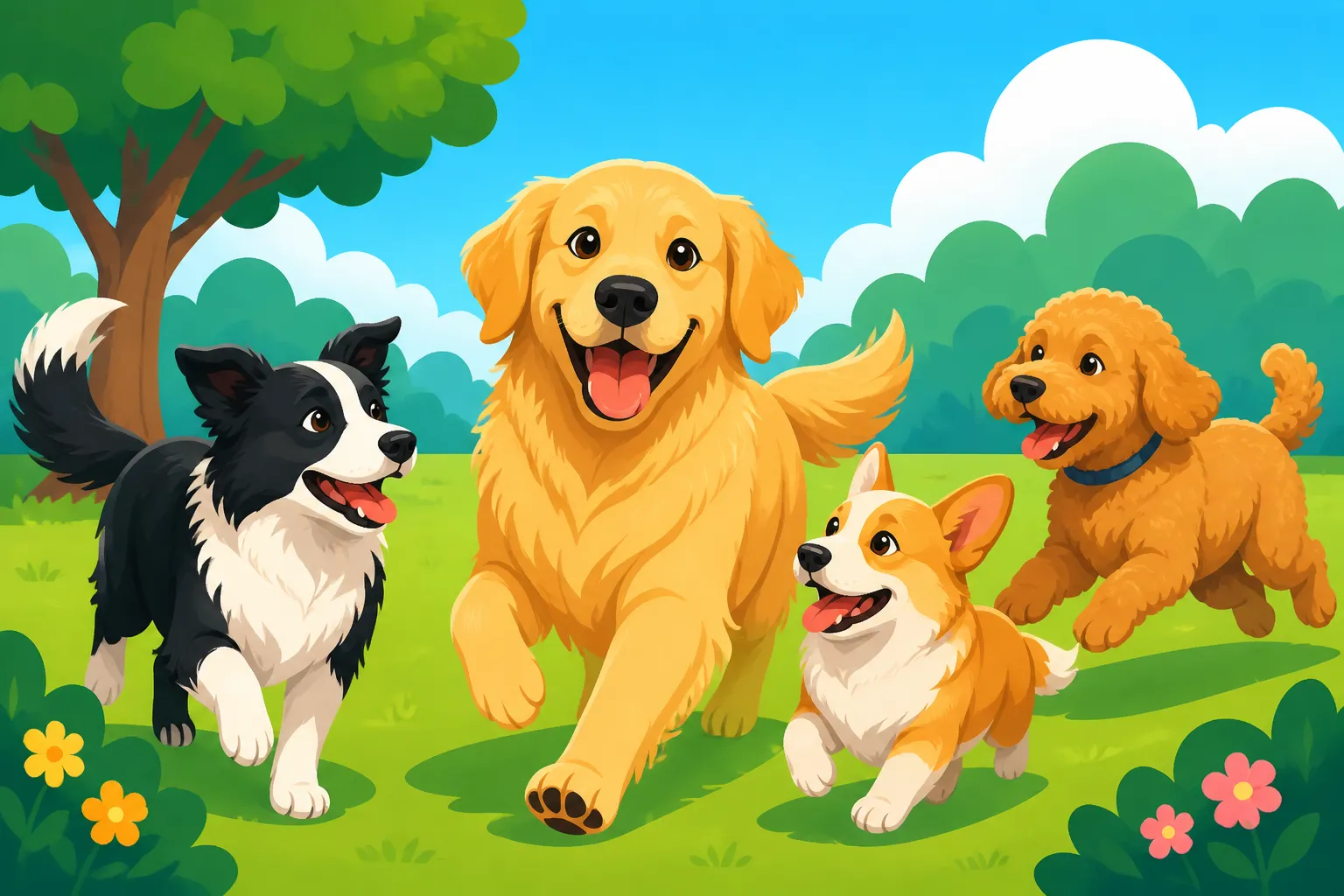
Our Goldens are pretty famous for their sunny dispositions, aren't they? They're typically known as friendly, eager-to-please, and exceptionally social creatures, and this usually extends beautifully to their interactions with other dogs. Their historical role as retrieving gun dogs meant they needed to work cooperatively alongside other dogs and humans, often in close quarters, without squabbling over downed fowl. This background fostered a less aggressive, more tolerant nature, making them naturally inclined to get along well with a wide variety of canine companions. You often see them at the park initiating play bows or patiently waiting for an invitation to join the fun.
However, it's crucial to remember that "generally" doesn't mean "always." While the breed standard promotes a friendly temperament, individual personalities, early socialization, and even genetics from specific breeding lines play a huge role in how any single Golden will behave. A well-bred Golden from health-tested parents with excellent temperaments has a significantly higher likelihood of possessing that innate sociability we all adore. But it's never a guaranteed blanket statement that every Golden will be a social butterfly, regardless of their upbringing or specific experiences. Just like people, dogs are individuals, and some may be more reserved or easily overwhelmed than others.
This inherent friendliness is precisely why dog parks are often seen as a natural fit for Goldens. Owners assume their Golden will just naturally slot into any playgroup and have a grand old time. But making these assumptions can be dangerous. While many Goldens thrive in such environments, it's vital to pair their breed predisposition with careful observation and proactive management to ensure those positive interactions truly happen, rather than just hoping for the best.
The Importance of Early Socialization
Even with the most wonderful, predisposed-to-be-friendly temperament, proper early socialization is absolutely crucial for shaping a Golden Retriever's comfort and confidence around other dogs. Socialization isn't just about letting your puppy briefly say hello to every dog you meet; it's a carefully orchestrated process of positive exposure to a wide variety of breeds, sizes, ages, play styles, and, importantly, environments. It involves teaching your puppy that other dogs are part of the normal world, and that interactions can be fun and safe, but also how to calmly disengage when needed. You can find a comprehensive guide on this in Socialization Checklist for a Golden Retriever Puppy.
The critical socialization window, typically from about 3 to 16 weeks of age, is a formative period where puppies are most receptive to new experiences and form lasting impressions. Missing or neglecting this window can profoundly impact an adult dog's comfort level and interaction skills with other dogs. Puppies who don't get sufficient, positive exposure might grow up to be shy, fearful, or even overly boisterous and poorly behaved because they haven't learned the subtle cues of canine communication. They might cower from confident dogs or, conversely, approach others in an inappropriate, rude manner because they never learned the "rules" of polite dog society.
Therefore, a lack of quality early experiences can lead a Golden, despite its breed predisposition, to struggle significantly at a busy dog park. A Golden who wasn't exposed to many different dogs as a puppy might become overwhelmed by the sheer volume of unfamiliar canines, the varied play styles, and the general unpredictability of a park setting. They might shut down, try to hide, or even react defensively out of fear. This isn't a failure of their breed but a reflection of missed opportunities during their developmental stage, highlighting why thoughtful, structured socialization is so incredibly vital.
Preparing for a Positive Dog Park Experience
Before you even consider stepping paw into a busy dog park, a little preparation goes a long way. It’s not just about showing up; it’s about ensuring your Golden is truly ready and that you, as their handler, understand the unspoken rules and best practices.
Assessing Your Golden's Readiness
Before you load your excited Golden into the car, take a brutally honest inventory of their behavior and comfort levels. Ask yourself: Are they generally comfortable and calm around new dogs on leash walks, or do they pull, bark, or shy away? Do they have a rock-solid recall, coming back to you reliably even amidst distractions? Can they settle in new environments, or do they get overly aroused or anxious? A dog who struggles with these basic manners and coping skills in less stimulating environments is absolutely not ready for the sensory overload and social complexities of a dog park. Throwing them into the deep end could easily create negative associations and exacerbate any existing anxieties.
It’s crucial to recognize the subtle signs of stress or over-arousal that indicate your Golden might not be ready, or might be having a bad day at the park. These can include excessive barking that isn't playful, lunging and trying to mount other dogs, constantly hiding behind your legs, refusing to engage, or incessant sniffing with a tucked tail and low posture. These aren't just quirks; they're signals your dog is uncomfortable, overwhelmed, or struggling to cope with the social dynamics. Pushing them to "just get over it" in a high-stress environment can backfire, teaching them that dog parks are scary or unpleasant.
If your Golden isn't quite hitting the mark for dog park readiness, that's perfectly okay! There are much better ways to build their confidence and social skills. Start small and incrementally: quiet walks in areas where other dogs might be present but at a distance, or controlled playdates with one or two known, calm, and well-socialized dogs. This allows for positive, low-pressure interactions where your Golden can learn appropriate play and social cues without being overwhelmed. A gradual approach builds a strong foundation, far better than a chaotic first dog park experience. You may also find Golden Retriever Puppy Socialization Windows helpful as you navigate their early development.
Essential Dog Park Etiquette for Owners
Let's be real, the dog park isn't just for the dogs; it's a human responsibility zone too. The biggest mistake owners make is treating the dog park as a place to zone out while their dog "gets exercise." You, the owner, need to be engaged and observant, not scrolling through your phone. Constant supervision is non-negotiable. This means understanding dog body language, knowing your dog's play style, and being ready to intervene at a moment's notice. Your Golden relies on you to be their advocate and protector in this often-unpredictable environment.
Leash etiquette is another critical, yet often overlooked, aspect. In designated off-leash areas, take your dog off their leash. A leashed dog in an off-leash park can experience "leash reactivity" – they feel trapped and might react defensively or aggressively towards off-leash dogs approaching them. It changes their entire demeanor. When it's time to leave, calmly re-leash your Golden away from the main action, if possible, to avoid teaching them that the leash signals the end of fun and causes a frantic struggle. Also, think carefully about what you bring: avoid bringing your Golden's prized squeaky toy or ball, as this can easily lead to Golden Retriever Resource Guarding or squabbles with other dogs.
Finally, practice the "three-second rule" for greetings. When two new dogs meet, let them sniff for a brief three seconds, then calmly call your dog away. If they disengage and then choose to re-engage in a loose, bouncy, friendly way, that's a positive sign. If they stay fixated, stiffen, or show any signs of discomfort, it’s a cue for you to create distance. And please, for the love of all that is furry, never bring food treats into an off-leash area where multiple dogs are present. This is a recipe for a resource-guarding incident, a chaotic mob scene, or even a bite. It's simply too risky and unfair to all the dogs involved.
Navigating Interactions: Reading Body Language and Play Styles
Once you're at the park, the real work begins: observing, interpreting, and managing the dynamic world of canine social interactions. It's a skill that takes practice, but understanding dog body language is your superpower.
Distinguishing Healthy Play from Trouble
Healthy dog play is a beautiful thing to watch – it's fluid, bouncy, and involves constant role reversals. One dog chases, then the other. There are frequent breaks, often marked by a "shake off" (like a wet dog shaking water off) or a brief moment of sniffing the ground before re-engaging. Look for loose, relaxed bodies, open mouths often resembling a smile, and wiggly, mid-height tail wags. Play bows (front end down, rear end up) are classic invitations to play, and dogs will often vocalize with happy, higher-pitched play growls that sound distinctly different from an aggressive snarl. It's all about mutual enjoyment and a willingness to disengage.
Conversely, unhealthy or escalating play shows distinct red flags. Watch for stiff bodies, high or rigidly tucked tails, direct, prolonged eye contact that isn't playful, or ears pinned back against the head. Persistent pinning, where one dog holds another down for an extended period, or frantic attempts by one dog to escape without relief, are clear signs of trouble. While some Goldens, with their tolerant nature, might stoically endure rough play, it doesn't mean they're enjoying it or that it's good for them. Growling that is low, guttural, and accompanied by a stiff body is a warning, not an invitation. The key is balance and mutual consent – if one dog isn't having fun, it's not healthy play.
Other red flags include the "T-position," where one dog stands perpendicular over another's neck or shoulders, which can be an assertion of dominance. Similarly, persistent mounting, while sometimes a sign of over-arousal, is often perceived as rude or dominant by the dog being mounted and can easily escalate into a confrontation. These actions aren't always aggressive in intent, but they signal discomfort or a lack of social grace that can quickly turn sour. As an owner, your job is to intervene before these subtle warnings become full-blown issues.
Let's break down some common dog body language cues you might see:
| Behavior | Positive Interpretation | Negative Interpretation |
|---|---|---|
| Loose, Wiggly Body | Happy, inviting play | (N/A) |
| Play Bow (front down, rear up) | Invitation to play | (N/A) |
| Relaxed Mouth, Tongue Out | Content, enjoying interaction | (N/A) |
| Soft, Blinking Eyes | Relaxed, non-threatening | (N/A) |
| Tail Wagging (loose, mid-height) | Happy, excited | (N/A) |
| Breaking Eye Contact | De-escalating, polite | (N/A) |
| Stiff Body/Tail | (N/A) | Tension, potential aggression |
| Hard Stare | (N/A) | Challenge, threat |
| Tucked Tail | (N/A) | Fear, submission |
| Ears Pinned Back | (N/A) | Fear, discomfort, aggression |
| Lip Licking/Yawning (out of context) | (N/A) | Stress signals, appeasement |
| Mounting | (N/A) | Dominance attempt, over-arousal, stress |
| Freezing | (N/A) | Fear, preparing to react (fight or flight) |
| Piloerection (hackles up) | (N/A) | Arousal, fear, aggression (not always negative) |
When to Intervene and How
Remember this golden rule: it's always okay to intervene. Always. Never wait for a minor scuffle to escalate into a full-blown fight or for your Golden to become visibly distressed. Trust your gut feeling; if something feels off, it probably is. Better to err on the side of caution and separate dogs a little too early than to regret waiting too long. Your Golden is looking to you for guidance and protection, and you are their first line of defense.
When you need to intervene, approach the situation calmly but purposefully. Avoid yelling, which can escalate tension. Instead, try a calm, firm voice to call your dog away using a known command like "come" or "let's go." If that doesn't work, or if the situation is more urgent, physically separate the dogs. The safest way to do this is to grab your Golden by their harness, if they're wearing one, or by their hind legs, like a wheelbarrow, to briefly lift them and break contact. Avoid grabbing a collar in the heat of the moment, as you could get bit by accident. Once separated, create distance immediately.
If your Golden is consistently showing signs of being overwhelmed, overstimulated, or is frequently involved in less-than-ideal interactions despite your best efforts, it's a clear signal that this specific dog park, or perhaps dog parks in general, might not be the right environment for them. This doesn't mean your Golden is "bad" or unsocial; it simply means they might thrive better in different social settings. Sometimes, a Golden might benefit from more structured social opportunities or even focused behavioral work. For instance, Training an Adopted Adult Golden Retriever often involves building confidence in new situations. There are many other ways to provide socialization and exercise that don't involve the unpredictable chaos of a public dog park.
Common Challenges and Troubleshooting at the Dog Park
Even the most well-behaved Goldens and observant owners can encounter challenges at the dog park. Knowing how to identify and address these issues is key to keeping experiences positive.
The Overly Exuberant Golden
Ah, the youthful Golden, full of boundless energy and enthusiasm! Especially when they're young, Goldens can sometimes be a bit too much for other dogs. They might jump on smaller or older dogs, mouth playfully but too roughly, or chase relentlessly without giving others a break. While their intent is often pure joy and an invitation to play, this exuberance can inadvertently annoy, scare, or even injure other dogs who might not appreciate such a boisterous approach. It’s important to remember that not every dog wants to play full-throttle, all the time.
This isn't aggression, but it can quickly lead to negative interactions if left unchecked. A smaller dog might snap, or an older dog might growl, teaching your Golden a harsh lesson. To manage this, focus on reinforcing commands like "off," "leave it," or a simple "come" to redirect their attention. Practice controlled greetings outside the park, teaching them to approach other dogs calmly. If your Golden is notorious for being overly mouthy, consider carrying a sturdy fetch toy (that's your dog's toy, to be put away when not in active play with you) to redirect their mouthiness onto an appropriate object. For dogs who just can't contain themselves, a long leash can be a temporary management tool, allowing you to maintain control without full restraint.
If your Golden is the life of the party but constantly causing chaos or wearing out other dogs, it's your job to manage their energy. Don't let them be the park bully, even if they're a friendly one. Intervene by calling them over, engaging them in a game of Fetch Games That Tire a Golden Retriever away from the main group for a few minutes, or taking a cool-down walk around the perimeter of the park. Giving them a time-out from the fray helps them (and the other dogs) reset and prevents overstimulation from escalating into conflict. Remember, moderation is key, even for playtime.
Dealing with Reactive or Unruly Dogs
Unfortunately, not every dog owner who visits the park has the same level of commitment to training or understanding of dog behavior. You might encounter dogs who are truly aggressive, poorly socialized, have significant resource guarding tendencies, or simply lack basic impulse control. These situations are, frankly, dangerous, and your priority must always be your Golden's safety and well-being. It's an uncomfortable truth, but you are accountable for removing your dog from a risky situation.
If you observe a dog exhibiting clear signs of aggression (stiff body, hard stare, low growls, lunging, snapping), or a dog that is consistently harassing others despite owner intervention (or lack thereof), remove your Golden from the situation immediately. Don't wait to see if things will "blow over" or if the other owner will eventually step in. It's okay to make a quick exit. Your Golden depends on you to keep them safe, and exposing them repeatedly to negative encounters can cause lasting fear or reactivity in your own dog.
One of the most frustrating aspects can be owners who are simply not paying attention. In these instances, a polite but firm "Excuse me, could you please call your dog?" might be necessary. If a dog is persistently bothering your Golden and the owner is oblivious, don't hesitate to remove your dog. You are not responsible for training other people's dogs. If you frequently encounter certain unruly dogs, adjust your park visits to avoid them. This proactive approach ensures a safer environment. Building your Golden's solid recall and focus around distractions through consistent training (many online programs, like those offered by BAXTER & Bella, can be a huge help here) will empower you to manage these situations more effectively, giving you the confidence to call your dog away from potential trouble.
Fearful or Overwhelmed Goldens
While Goldens are generally confident, even the most naturally friendly dog can become overwhelmed by certain dog park conditions. Too many dogs, extremely rough play, loud noises, or even specific pushy dogs can trigger stress. Signs that your Golden is feeling fearful or overwhelmed include trying to hide behind your legs, constantly checking in with you (looking at you as if to say, "Help me!"), excessive lip-licking or yawning when not tired, holding their tail low or tucked, or actively trying to escape through the gate. They might also engage in displacement behaviors like suddenly sniffing the ground intensely, even when there's nothing interesting there.
It’s absolutely crucial to recognize that this behavior is not a sign of weakness or stubbornness; it's a clear signal of stress and discomfort. Pushing a fearful Golden to "get over it" by forcing them back into a stressful situation will almost always backfire. Instead of building resilience, it teaches them that their concerns are ignored, and that the dog park is a place where they feel trapped and unsafe. This can lead to worsening fear, anxiety, or even defensive aggression in the long run.
If your Golden shows any of these signs, the best course of action is to leave the park immediately. Don't feel embarrassed or obligated to stay. Consider trying the park at quieter times of day, or seeking out smaller, more structured playgroups where the environment is less chaotic and more predictable. Sometimes, a series of positive, calm interactions in a controlled setting can gradually build their confidence. Remember, the goal is positive experiences, not just any experience. A sturdy, comfortable harness, which you can easily find on Amazon, can make it easier to gently guide your Golden out of a stressful situation without causing further anxiety or discomfort.
Alternatives to the Traditional Dog Park
Dog parks aren't a universal solution, and honestly, they aren't the right fit for every Golden Retriever. Luckily, there are plenty of wonderful alternatives that can provide enriching social interaction and exercise.
Exploring Smaller Playgroups and Structured Sessions
If the unpredictable chaos of a typical dog park feels overwhelming, or if your Golden struggles with large group dynamics, consider seeking out smaller, more controlled playgroups. These can often provide a much more positive and less stressful social experience. You might start by arranging playdates with one or two known, friendly dogs whose temperaments you trust. This allows for supervised, manageable interactions where both dogs can relax and practice appropriate play. Building a small network of trusted canine friends can be incredibly valuable for your Golden's social development.
Another excellent option is to look for local dog training facilities or reputable doggy daycares that offer supervised play sessions or "socials." These environments are typically moderated by experienced trainers who are skilled at reading dog body language, understanding play styles, and intervening appropriately before any issues escalate. They ensure a safe and harmonious environment, often grouping dogs by size, temperament, or energy level. This provides a controlled setting where your Golden can build confidence and practice good manners with a select group of canine friends, often with positive guidance from a professional.
These types of structured play opportunities offer a fantastic middle ground between complete isolation and the free-for-all of a public dog park. They allow your Golden to develop better social skills in a supportive setting, learning to navigate interactions more gracefully. The consistent positive experiences gained in these environments can be far more beneficial for a dog's overall well-being and social competence than occasional, potentially stressful visits to an unmanaged dog park. It's about quality over quantity when it comes to canine social interaction.
The Joys of Solo or Small Group Adventures
It's easy to fall into the trap of thinking a dog needs to go to the dog park to be well-adjusted or well-exercised. But the truth is, many Golden Retrievers are perfectly happy and fulfilled with adventures focused on their human companion, or with just one or two close canine friends. Don't feel pressured by societal norms or other dog owners to frequent dog parks if they consistently prove to be a source of stress or anxiety for your Golden, or for you! Your bond with your dog is paramount, and choosing activities that strengthen that bond is always the best path.
Focus instead on activities that build your relationship and genuinely meet your Golden's individual exercise and mental stimulation needs. Long, sniffing walks around your neighborhood or local trails can be incredibly enriching, offering mental stimulation through scent work. Hikes in nature, where you can explore together, provide both physical exercise and novel sensory experiences. For the water-loving Golden, a supervised swim session can be a fantastic way to burn energy. Even indoor activities, like playing hide-and-seek with treats or working on new tricks, can be surprisingly tiring for a Golden, particularly activities like those described in Tiring a Golden Retriever on a Rainy Day.
Remember, for your Golden's overall well-being, quality interactions and appropriate exercise are far more important than the type of venue. A few positive, meaningful interactions with a trusted friend or engaging one-on-one time with you are infinitely better than frequent, stressful, or overwhelming encounters in a large, unsupervised group setting. Prioritize your Golden's comfort and happiness above all else. For instance, How Much Fetch a Golden Retriever Needs can vary wildly, but it's a fantastic way to bond and exercise without the unpredictable elements of a dog park.
Continuing Education for You and Your Golden
The journey of dog ownership, especially with a Golden Retriever, is a continuous learning experience. Investing in ongoing training and being your dog's strongest advocate are vital for ensuring their long-term well-being and positive social experiences.
Investing in Ongoing Training and Obedience
A well-trained Golden Retriever isn't just a joy to live with; they are a more confident and adaptable dog, particularly in dynamic environments like a dog park. Commands like a rock-solid "come" (recall), "stay," "leave it," and a reliable "off" (for jumping or unwanted behaviors) are not just parlor tricks; they are invaluable safety tools. In a dog park setting, a strong recall allows you to instantly extract your Golden from a potentially escalating situation, while "leave it" can prevent them from approaching an unruly dog or picking up something undesirable from the ground. These commands empower you to manage the environment and them to navigate it safely.
While puppy classes are a fantastic start for foundational skills and early Puppy Classes Worth It for a Golden Retriever, the learning shouldn't stop there. Adolescence often brings a period of "selective hearing," where your once-obedient Golden might suddenly seem to forget everything they learned. Continuing with adolescent classes, advanced obedience, or even exploring dog sports like agility, rally, or even nose work can continue to build your Golden's skills, refine their focus, and deepen the bond you share. These activities provide mental stimulation, which is just as important as physical exercise for a smart breed like the Golden Retriever.
Consider leveraging the wealth of online training platforms available today to reinforce good habits at home and work on specific challenges. Many programs, such as those offered by BAXTER & Bella, provide comprehensive, self-paced courses that can be incredibly helpful for owners looking to improve their Golden's focus around distractions and solidify crucial obedience commands. These resources can supplement in-person classes and help you maintain consistency in your training, which is the cornerstone of a well-behaved and confident dog. A solid foundation in obedience can make all the difference, especially when a Golden Retriever Ignores You Outdoors.
Being Your Golden's Advocate
You are your Golden Retriever's most important protector and advocate, especially in public settings like a dog park. This means trusting your instincts. If a situation with another dog or owner feels off, don't ignore that feeling. Your gut often picks up on subtle cues that your rational mind hasn't quite processed yet. It is perfectly okay, and indeed your responsibility, to leave the park, move to a quieter area, or politely decline an interaction if you sense trouble brewing or if your Golden seems uncomfortable. You never owe anyone an explanation or an apology for prioritizing your dog's safety and well-being.
One of the hardest lessons for many dog owners is learning to say "no" to other people. Don't let peer pressure or a desire to be polite from other dog owners keep you in a situation that is not safe, productive, or enjoyable for your dog. If someone's dog is overly pushy, constantly mounting your Golden, or exhibiting aggressive body language, you have every right to remove your dog. A simple, "Sorry, we're going to take a break," is usually sufficient. Your dog's physical and emotional health is paramount, and that means protecting them from potentially negative interactions.
Continue to educate yourself about dog behavior, body language, and canine social dynamics. The more you understand these nuanced signals, the better equipped you'll be to interpret situations accurately and make informed decisions for your Golden. Resources are abundant, from books and online articles to certified professional dog trainers. This ongoing learning empowers you to be a more effective advocate, ensuring your Golden has as many positive, happy, and safe interactions with other dogs as possible, whether at the dog park, on a trail, or anywhere else life takes you.
Disclaimer
This article is for general informational purposes only and does not constitute professional advice. Laws, prices and regulations vary by location and change over time. Consult a qualified professional for guidance on your specific situation.